HydroSplash Swimming Academy

How Do Swimmers Train To Hold Their Breath HydroSplash Swimming Lessons

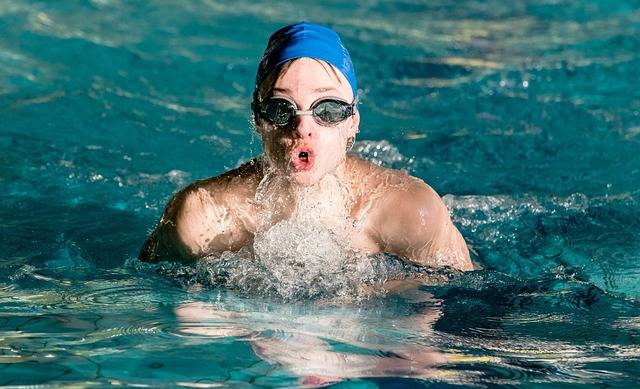
How Do Swimmers Train To Hold Their Breath? Mastering Underwater Endurance

How Do Swimmers Train To Hold Their Breath? Breath-holding is an essential skill for swimmers, enabling them to maintain efficiency, speed, and control in the water. At HydroSplash Swimming Academy, we often get asked, How do swimmers train to hold their breath? This comprehensive guide explores various techniques, exercises, and strategies that swimmers use to enhance their breath-holding capacity and overall underwater endurance. The Importance of Breath-Holding in Swimming Breath-holding is crucial for swimmers as it allows them to streamline their body, reduce drag, and maintain optimal speed. It also enhances lung capacity, improves cardiovascular health, and boosts overall performance. Understanding and mastering breath-holding techniques can make a significant difference in a swimmer’s efficiency and endurance. Techniques for Swimmers Training to Hold Their Breath Progressive Breath-Holding: One effective method swimmers use is progressive breath-holding. This involves gradually increasing the duration of breath-holds over time. Swimmers start with shorter holds and progressively extend the time as their lung capacity and comfort level improve. This gradual approach helps build confidence and endurance without causing undue stress on the body. Interval Training: Interval training involves alternating periods of breath-holding with periods of normal breathing. Swimmers can practice holding their breath for a specific duration, followed by a rest period where they breathe normally. This technique helps condition the body to tolerate higher levels of carbon dioxide and improve overall breath-holding capacity. Hypoxic Training: Hypoxic training, or low-oxygen training, involves reducing the number of breaths taken during a swim set. For example, swimmers might breathe every five strokes instead of every three. This technique helps improve breath control, increase lung capacity, and enhance overall endurance. Practical Exercises for Improving Breath-Holding Static Apnea: Static apnea involves holding your breath while remaining still in the water. This exercise helps swimmers focus on their breath-holding capacity without the added challenge of movement. Swimmers can start with short holds and gradually increase the duration as their comfort level improves. Dynamic Apnea: Dynamic apnea involves holding your breath while swimming a specific distance. Swimmers can practice dynamic apnea by swimming underwater or performing underwater sprints. This exercise helps improve breath control, lung capacity, and overall endurance in a dynamic setting. CO2 Tolerance Tables: CO2 tolerance tables are structured exercises that help swimmers improve their tolerance to higher levels of carbon dioxide. These tables involve holding your breath for a set duration, followed by a short rest period. The duration of the breath-hold increases gradually, helping the body adapt to higher CO2 levels and improve overall breath-holding capacity. Case Study: Enhancing Breath-Holding with Interval Training A study conducted by the Singapore Sports Institute examined the effects of interval training on breath-holding capacity. Participants who practiced interval training, alternating between breath-holding and normal breathing, showed significant improvements in their ability to tolerate higher levels of carbon dioxide and extend their breath-hold duration. This study highlights the effectiveness of interval training in enhancing breath control and overall underwater endurance. The Role of Mental Focus and Relaxation Breath-holding is not just about physical capacity; it also involves mental focus and relaxation. Swimmers who can remain calm and relaxed during breath-holding are more likely to achieve longer holds and better overall performance. Visualization Techniques: Visualization involves imagining a calm and serene environment while holding your breath. Swimmers can visualize themselves floating effortlessly in the water, reducing anxiety and promoting relaxation. Mindfulness and Meditation: Practicing mindfulness and meditation can help swimmers improve their mental focus and relaxation during breath-holding. Techniques such as deep breathing, progressive muscle relaxation, and guided imagery can enhance overall breath control and underwater endurance. Case Study: The Psychological Benefits of Breath-Holding Research by the Singapore Institute of Mental Health found that swimmers who practiced mindfulness and relaxation techniques during breath-holding experienced lower levels of stress and anxiety. These psychological benefits translated into improved performance and longer breath-hold durations, highlighting the importance of mental focus and relaxation in breath-holding training. Practical Tips for Mastering Breath-Holding To fully benefit from breath-holding training, consider the following practical tips: Consistency is Key: Regular practice is essential for improving breath-holding capacity. Consistent training helps build lung capacity, improve CO2 tolerance, and enhance overall breath control. Focus on Technique: Proper technique is crucial for effective breath-holding. Swimmers should focus on maintaining a relaxed and efficient body position, exhaling fully before taking a breath, and avoiding unnecessary movements that can increase oxygen consumption. Gradual Progression: Gradually increasing the duration of breath-holds over time helps build confidence and endurance. Swimmers should start with shorter holds and progressively extend the time as their comfort level improves. Stay Hydrated: Proper hydration is essential for maintaining optimal lung function and overall performance. Swimmers should ensure they stay hydrated before, during, and after breath-holding training. The Benefits of Improved Breath-Holding in Swimming Mastering breath-holding techniques can provide numerous benefits for swimmers, including: Enhanced Performance: Improved breath control allows for better oxygen supply to muscles, enhancing overall swimming performance and endurance. Increased Comfort: Proper breath control reduces feelings of anxiety and breathlessness, making swimming more comfortable and enjoyable. Reduced Fatigue: By optimizing oxygen exchange, swimmers can sustain longer periods of underwater activity without experiencing excessive fatigue. Improved Focus: Focusing on breath control promotes mental clarity and relaxation, enhancing overall swimming experience. Embracing the Benefits of Breath-Holding Training at HydroSplash At HydroSplash Swimming Academy, we are dedicated to helping swimmers of all levels improve their breath-holding techniques. Our experienced coaches provide personalized guidance and targeted training to enhance your breath control and overall swimming performance. Our state-of-the-art facilities and comprehensive programs make HydroSplash Swimming Academy the ideal place to explore the benefits of breath-holding training. Whether you’re a beginner or an experienced swimmer, our programs cater to all skill levels and needs, helping you achieve your swimming goals. Explore the Benefits of Swimming Lessons at HydroSplash Swimming lessons at HydroSplash offer an unparalleled combination of accessibility, quality, and comprehensive benefits. The holistic nature of swimming makes it an ideal choice for anyone looking to enhance their physical and mental health. Whether you’re a professional

Is There A Technique To Breathe Underwater HydroSplash Swimming Academy

Is There A Technique To Breathe Underwater? Mastering Underwater Breathing for Swimmers

Is There A Technique To Breathe Underwater? Swimming is a fascinating activity that offers numerous benefits, from physical fitness to mental relaxation. One of the most intriguing aspects of swimming is the concept of breathing underwater. At HydroSplash Swimming Academy, we are often asked if there is a technique to breathe underwater and how swimmers can improve their underwater breathing skills. In this comprehensive guide, we explore the techniques, benefits, and exercises that can help swimmers master the art of underwater breathing. Understanding the Concept of Breathing Underwater Before diving into the techniques, it’s essential to understand what breathing underwater actually means in the context of swimming. Unlike fish, humans cannot extract oxygen directly from water. Instead, underwater breathing for swimmers involves mastering breath control, learning how to efficiently exchange air while swimming, and extending the duration of underwater endurance. The Importance of Breath Control in Swimming Breath control is a fundamental skill for swimmers. It involves managing the timing, depth, and rhythm of your breaths to ensure a steady supply of oxygen while minimizing disruptions to your swimming stroke. Proper breath control can significantly enhance your swimming performance, allowing for smoother and more efficient movements. Techniques for Breathing Underwater Exhalation Underwater: One of the key techniques in underwater breathing is learning to exhale while your face is in the water. This continuous exhalation helps clear carbon dioxide from your lungs, making room for fresh oxygen when you take a breath. By exhaling steadily through your nose or mouth, you can maintain a relaxed and rhythmic breathing pattern. Rhythmic Breathing: Rhythmic breathing involves coordinating your breaths with your strokes. For example, in freestyle, many swimmers use a bilateral breathing pattern, taking a breath every three strokes. This technique helps maintain a balanced and symmetrical stroke while ensuring a consistent oxygen supply. Breathing Drills: Incorporating specific breathing drills into your swim practice can improve your underwater breathing technique. Drills such as bubble blowing, where you blow bubbles through your nose or mouth while submerged, can help you become more comfortable with exhaling underwater and develop a steady breathing rhythm. Case Study: Enhancing Underwater Breathing with Drills A study conducted by the Singapore Sports Institute examined the effects of targeted breathing drills on swimming performance. Participants who practiced drills like bubble blowing and rhythmic breathing patterns showed significant improvements in their ability to manage breath control and extend their underwater endurance. These drills help swimmers become more comfortable with exhaling underwater and develop a steady breathing rhythm, leading to enhanced performance in the water. The Role of Diaphragmatic Breathing Diaphragmatic breathing, also known as deep breathing, involves using the diaphragm, a large muscle located at the base of the lungs, to draw air deeply into the lungs. This technique allows for a more complete exchange of oxygen and carbon dioxide, improving overall breathing efficiency. Benefits of Diaphragmatic Breathing: Increased Lung Capacity: Diaphragmatic breathing helps expand lung capacity, allowing swimmers to take in more oxygen with each breath. Relaxation and Focus: This deep breathing technique promotes relaxation and mental focus, reducing anxiety and improving overall swimming performance. Enhanced Endurance: By improving oxygen exchange, diaphragmatic breathing can help swimmers sustain longer periods of underwater activity without feeling breathless. Practical Tips for Mastering Diaphragmatic Breathing Practice on Land: Begin by practicing diaphragmatic breathing on land. Lie down in a comfortable position and place one hand on your chest and the other on your abdomen. Inhale deeply through your nose, allowing your abdomen to rise while keeping your chest still. Exhale slowly through your mouth, feeling your abdomen fall. Repeat this process, focusing on deep, steady breaths. Incorporate into Swimming Practice: Once you are comfortable with diaphragmatic breathing on land, incorporate it into your swimming practice. Focus on taking deep, steady breaths before and after your swim sets. This will help reinforce the technique and improve your overall breath control in the water. Use Visual Cues: Visualize your diaphragm expanding and contracting with each breath. Imagine drawing air deeply into your lungs and exhaling fully, helping to reinforce the mechanics of diaphragmatic breathing. The Benefits of Improved Underwater Breathing Mastering underwater breathing techniques can provide numerous benefits for swimmers, including: Enhanced Performance: Efficient breathing allows for better oxygen supply to muscles, improving overall swimming performance and endurance. Increased Comfort: Proper breath control reduces feelings of anxiety and breathlessness, making swimming more comfortable and enjoyable. Reduced Fatigue: By optimizing oxygen exchange, swimmers can sustain longer periods of underwater activity without experiencing excessive fatigue. Improved Focus: Focusing on breath control promotes mental clarity and relaxation, enhancing overall swimming experience. The Psychological Aspect of Underwater Breathing Breathing techniques in swimming are not just about physical performance; they also have a significant psychological component. Managing breath control requires mental discipline, focus, and relaxation. Swimmers who master these techniques often report a sense of calm and mental clarity, both in and out of the water. A study by the Singapore Institute of Mental Health found that swimmers who practiced rhythmic and diaphragmatic breathing techniques experienced lower levels of stress and anxiety. The mental discipline required for effective breath control can have a positive impact on overall well-being, promoting a sense of relaxation and mental clarity. Practical Exercises for Improving Underwater Breathing To enhance your underwater breathing skills, consider incorporating the following exercises into your swimming practice: Bubble Blowing: Practice blowing bubbles through your nose or mouth while submerged. This exercise helps you become more comfortable with exhaling underwater and develops a steady breathing rhythm. Streamline Kicking: Perform a streamline kick while holding your breath. Focus on maintaining a streamlined position and exhaling slowly as you kick. This exercise helps improve breath control and lung capacity. Underwater Sprints: Swim short distances underwater, focusing on maintaining a steady exhalation and controlled breathing. Gradually increase the distance as you become more comfortable with your breath control. Breath Control Drills: Incorporate drills that emphasize breath control, such as hypoxic training (swimming with reduced breaths) and underwater kick sets. These drills challenge your breath control

Does Swimming Require Coordination HydroSplash Swimming Academy

Does Swimming Improve Coordination? Discover the Benefits of Coordinated Swimming

Does Swimming Improve Coordination? Swimming is more than just a means of staying fit; it’s a symphony of movements that requires impeccable coordination. At HydroSplash Swimming Academy, we believe that swimming is one of the best ways to enhance your coordination skills. In this comprehensive guide, we delve into whether swimming improves coordination, why it’s essential, and how you can develop this critical skill to enhance your performance and enjoyment in the water. The Importance of Coordination in Swimming Coordination in swimming involves the harmonious integration of arm strokes, leg kicks, and breathing. It’s about creating a seamless flow that minimizes resistance and maximizes propulsion. This synchronization is crucial not just for competitive swimmers but for anyone looking to swim efficiently and safely. How Swimming Enhances Coordination Full-Body Engagement: Swimming engages nearly every muscle group in the body. The arms, legs, core, and even smaller stabilizing muscles all work in unison to propel the swimmer forward. This full-body engagement requires and develops a high level of coordination. Rhythmic Breathing: Proper breathing technique is essential in swimming and must be synchronized with arm and leg movements. This rhythmic breathing pattern enhances overall coordination, teaching the body to maintain a consistent rhythm even under physical exertion. Cross-Lateral Movements: Many swimming strokes, such as freestyle and backstroke, involve cross-lateral movements where opposite limbs move in unison (e.g., right arm and left leg). These movements enhance coordination by requiring the brain to process and synchronize complex motor patterns. Freestyle: Synchronizing Arm Strokes and Flutter Kicks Freestyle, or front crawl, is a popular swimming stroke known for its efficiency and speed. The coordination required in freestyle swimming involves the synchronization of arm strokes, flutter kicks, and breathing. Coordination in Freestyle: In freestyle, the arm movements alternate in a continuous cycle of pulling and recovering. The legs perform a rapid flutter kick, and breathing is timed with the arm stroke. The key to effective freestyle coordination is the timing of the arm strokes with the kicks and body rotation. Case Study: A study by the National University of Singapore highlighted the importance of coordinated freestyle strokes. Swimmers who practiced specific coordination drills, such as catch-up drills, showed significant improvements in speed and efficiency. These drills focus on the timing of arm strokes and leg kicks, ensuring that each movement contributes effectively to forward momentum. Butterfly Stroke: Mastering Power and Precision The butterfly stroke is known for its power and demanding nature. It requires simultaneous arm sweeps and dolphin kicks, creating a wave-like motion that propels the swimmer forward. Coordination in Butterfly: In butterfly, the arms move together in a powerful sweeping motion while the legs perform a simultaneous dolphin kick. The key to effective butterfly coordination is synchronizing the arm recovery with the downbeat of the kick. This creates a wave-like motion that propels the body forward efficiently. Case Study: Research by the Singapore Sports Institute examined the effects of synchronized butterfly drills on performance. Participants who practiced single-arm butterfly and body dolphin drills reported enhanced coordination and greater ease in maintaining the stroke’s rhythm. These drills help swimmers focus on the timing of their movements, ensuring a smooth and powerful stroke. Breaststroke: Perfecting Timing and Precision Breaststroke is unique among the swimming strokes due to its symmetrical arm and leg movements. Proper coordination in breaststroke involves timing the whip kick with the arm pull and recovery. Coordination in Breaststroke: In breaststroke, the arms move in a circular motion, pulling out and then sweeping in towards the chest, while the legs perform a whip kick. The key to effective breaststroke coordination is synchronizing the kick with the glide phase. Starting the whip kick as the arms finish the inward sweep allows the body to glide forward smoothly. Case Study: A study by the Singapore Sports Council found that swimmers who focused on coordinated breaststroke drills, such as pull-kick timing drills, showed significant improvements in stroke efficiency and speed. These drills emphasize the importance of timing and synchronization, helping swimmers maintain momentum and conserve energy. Backstroke: Achieving Smooth and Streamlined Motion Backstroke, similar to freestyle, involves continuous flutter kicks and alternating arm movements but performed on the back. Coordination in Backstroke: In backstroke, the arms move in an alternating circular motion while the legs perform continuous flutter kicks. The key to effective backstroke coordination is timing the kicks with the arm recovery and entry. Maintaining a horizontal body position with a strong core helps ensure smooth and efficient movements. Case Study: The Singapore Institute of Aquatic Sports highlighted the benefits of backstroke coordination drills, such as single-arm backstroke and kickboard drills. These drills help swimmers focus on the timing and synchronization of their movements, promoting a smooth and efficient stroke. Practical Tips for Improving Coordination in Swimming To fully benefit from the advantages of coordinated swimming, consider the following practical tips: Focus on Technique: Proper technique is the foundation of coordination. Practice and refine your stroke mechanics, paying attention to the timing and synchronization of movements. Incorporate Drills: Specific drills can enhance coordination. For example, catch-up drills in freestyle help improve the timing of arm strokes, while single-arm butterfly drills focus on the coordination of arm and leg movements. Use Visual and Sensory Cues: Visualizing the movement patterns and using sensory feedback can help improve coordination. Focus on how the water feels against your body and make adjustments to ensure smooth, efficient movements. Seek Professional Guidance: Working with a skilled coach can provide personalized feedback and targeted training to improve coordination. Coaches can identify areas for improvement and offer practical tips and drills to enhance your swimming technique. Practice Consistently: Consistent practice is key to developing and maintaining coordination. Regular swimming sessions, combined with targeted drills and exercises, can help reinforce proper movement patterns and improve overall coordination. The Mental Health Benefits of Coordinated Swimming Beyond the physical advantages, coordinated swimming offers significant mental health benefits. The focus and discipline required for coordination can promote mental clarity, reduce stress, and improve overall well-being. A study by

Does Swimming Require Coordination

Does Swimming Require Coordination? Unlocking the Secrets to Fluid Motion in the Water

Does Swimming Require Coordination? Swimming is often celebrated for its cardiovascular benefits, low-impact nature, and full-body workout capabilities. However, one crucial aspect that often gets overlooked is the role of coordination in swimming. At HydroSplash Swimming Academy, we emphasize the importance of coordination for swimmers at all levels. In this comprehensive guide, we explore whether swimming requires coordination, why it is essential, and how you can develop this critical skill to enhance your performance and enjoyment in the water. The Essential Role of Coordination in Swimming Coordination in swimming is the harmonious integration of arm strokes, leg kicks, and breathing. It’s about creating a seamless flow that minimizes resistance and maximizes propulsion. This synchronization is not just for competitive swimmers; it is essential for anyone looking to swim efficiently and safely. Why Coordination is Crucial in Swimming Efficiency and Speed: Proper coordination allows swimmers to move through the water more efficiently. Each stroke and kick should contribute to forward momentum rather than creating drag. When arms, legs, and breathing are synchronized, swimmers can glide through the water with less effort, conserving energy and increasing speed. Endurance and Stamina: Swimming requires sustained effort, and proper coordination helps conserve energy, allowing swimmers to maintain their pace over longer distances. Misaligned movements waste energy, leading to quicker fatigue. Safety: Good coordination reduces the risk of injuries. Poorly timed or executed movements can lead to strains, particularly in the shoulders, knees, and back. Coordinated swimming ensures that the physical exertion is distributed evenly, reducing the strain on any single part of the body. Enjoyment and Confidence: Swimming with good coordination feels more natural and less laborious. It enhances the overall experience, making swimming more enjoyable. Swimmers who move efficiently through the water often feel more confident in their abilities. Breaking Down the Strokes: Coordination in Action Freestyle: A Symphony of Movements Freestyle, or front crawl, is one of the most common and efficient swimming strokes. It involves a continuous cycle of arm strokes, flutter kicks, and rhythmic breathing. Coordination in Freestyle: In freestyle, the arm movements are continuous, alternating between pulling and recovering. The legs perform a rapid flutter kick, and breathing is timed with the arm stroke. The key to effective freestyle coordination is the timing of the arm strokes with the kicks and body rotation. A well-coordinated freestyle stroke allows swimmers to maintain a streamlined position, reducing drag and conserving energy. Case Study: A study by the National University of Singapore highlighted the importance of coordinated freestyle strokes. Swimmers who practiced specific coordination drills, such as catch-up drills, showed significant improvements in speed and efficiency. These drills focus on the timing of arm strokes and leg kicks, ensuring that each movement contributes effectively to forward momentum. Butterfly: Power and Precision The butterfly stroke is known for its power and demanding nature. It involves simultaneous arm sweeps and dolphin kicks, creating a wave-like motion. Coordination in Butterfly: In butterfly, the arms move together in a powerful sweeping motion, while the legs perform a simultaneous dolphin kick. The key to effective butterfly coordination is synchronizing the arm recovery with the downbeat of the kick. This creates a wave-like motion that propels the body forward efficiently. The undulating body motion, driven by the core, supports the coordination of arms and legs. Case Study: Research by the Singapore Sports Institute examined the effects of synchronized butterfly drills on performance. Participants who practiced single-arm butterfly and body dolphin drills reported enhanced coordination and greater ease in maintaining the stroke’s rhythm. These drills help swimmers focus on the timing of their movements, ensuring a smooth and powerful stroke. Breaststroke: Timing and Precision Breaststroke is unique among the swimming strokes due to its symmetrical arm and leg movements. It requires precise timing to maintain a smooth and efficient stroke. Coordination in Breaststroke: In breaststroke, the arms move in a circular motion, pulling out and then sweeping in towards the chest, while the legs perform a whip kick. The key to effective breaststroke coordination is synchronizing the kick with the glide phase. Starting the whip kick as the arms finish the inward sweep allows the body to glide forward smoothly. Case Study: A study by the Singapore Sports Council found that swimmers who focused on coordinated breaststroke drills, such as pull-kick timing drills, showed significant improvements in stroke efficiency and speed. These drills emphasize the importance of timing and synchronization, helping swimmers maintain momentum and conserve energy. Backstroke: Smooth and Streamlined Backstroke, similar to freestyle, involves continuous flutter kicks and alternating arm movements, but performed on the back. Coordination in Backstroke: In backstroke, the arms move in an alternating circular motion while the legs perform continuous flutter kicks. The key to effective backstroke coordination is timing the kicks with the arm recovery and entry. Maintaining a horizontal body position with a strong core helps ensure smooth and efficient movements. Case Study: The Singapore Institute of Aquatic Sports highlighted the benefits of backstroke coordination drills, such as single-arm backstroke and kickboard drills. These drills help swimmers focus on the timing and synchronization of their movements, promoting a smooth and efficient stroke. Practical Tips for Improving Coordination in Swimming To fully benefit from the advantages of coordinated swimming, consider the following practical tips: Focus on Technique: Proper technique is the foundation of coordination. Practice and refine your stroke mechanics, paying attention to the timing and synchronization of movements. Incorporate Drills: Specific drills can enhance coordination. For example, catch-up drills in freestyle help improve the timing of arm strokes, while single-arm butterfly drills focus on the coordination of arm and leg movements. Use Visual and Sensory Cues: Visualizing the movement patterns and using sensory feedback can help improve coordination. Focus on how the water feels against your body and make adjustments to ensure smooth, efficient movements. Seek Professional Guidance: Working with a skilled coach can provide personalized feedback and targeted training to improve coordination. Coaches can identify areas for improvement and offer practical tips and drills to enhance your swimming technique. Practice

Why Is Coordination Important In Swimming HydroSplash Swimming Lessons

Mastering the Art: How to Coordinate Hand and Leg Movement in Swimming

How To Coordinate Hand And Leg Movement In Swimming? Swimming is a harmonious dance between the upper and lower body, requiring precise coordination to glide through the water efficiently. Properly synchronized hand and leg movements are essential for achieving fluidity, speed, and endurance in swimming. At HydroSplash Swimming Academy, we recognize the importance of this coordination and are committed to helping swimmers of all levels master it. In this comprehensive guide, we explore how to coordinate hand and leg movement in swimming, offering valuable insights and practical tips to enhance your performance. The Importance of Coordinating Hand and Leg Movements Coordination in swimming is about more than just moving your arms and legs; it’s about integrating these movements into a seamless whole. This harmony is critical for several reasons: Efficiency: Proper coordination minimizes resistance and maximizes propulsion, allowing swimmers to move through the water more efficiently. This means less energy is wasted on correcting imbalances, and more energy is directed toward forward motion. Speed: Coordinated movements ensure that each stroke and kick contributes effectively to your speed. Misaligned movements can slow you down and create drag, whereas synchronized movements help maintain a streamlined position. Endurance: Efficient movement patterns help conserve energy, enabling swimmers to maintain their pace for longer periods. This is particularly important in long-distance swimming and competitive events. Safety: Proper coordination reduces the risk of injury by distributing physical exertion evenly across the body. This helps prevent overuse injuries and promotes overall musculoskeletal health. Freestyle: Harmonizing Flutter Kicks and Arm Strokes Freestyle, or front crawl, is a popular and efficient stroke that relies heavily on the coordination of flutter kicks and alternating arm strokes. The Mechanics of Freestyle Coordination: In freestyle, the arm movements involve a continuous cycle of pulling, recovery, and entry, while the legs perform rapid, alternating kicks. The key to effective freestyle coordination lies in timing the kicks with the arm strokes and body rotation. To achieve this, focus on starting the flutter kick just as your hand enters the water at the beginning of the stroke. The kicking motion should be continuous and relaxed, complementing the arm movements. The body’s rotation, driven by the core muscles, helps maintain a streamlined position and supports the coordination of arms and legs. A study by the National University of Singapore found that swimmers who practiced specific freestyle coordination drills showed significant improvements in speed and efficiency. These drills included catch-up drills, where one arm waits for the other to complete its stroke before starting, helping swimmers focus on the timing of their movements. Butterfly Stroke: Synchronizing Dolphin Kicks and Arm Sweeps The butterfly stroke is known for its demanding nature and powerful movements. Coordinating the simultaneous arm sweeps with the undulating dolphin kicks is essential for mastering this stroke. The Mechanics of Butterfly Coordination: In butterfly, the arms move together in a sweeping motion while the legs perform a simultaneous, powerful dolphin kick. The key to effective butterfly coordination is synchronizing the arm recovery with the downbeat of the kick. Begin the dolphin kick as your arms enter the water at the end of the recovery phase. The upward phase of the kick should coincide with the arm pull, while the downward phase should coincide with the arm recovery. This timing creates a wave-like motion that propels the body forward efficiently. A case study from the Singapore Sports Institute examined the benefits of synchronized butterfly drills, such as single-arm butterfly and body dolphin drills. Participants reported enhanced coordination and greater ease in maintaining the rhythm of the stroke. Breaststroke: Timing the Whip Kick with Arm Movements Breaststroke is unique among the swimming strokes due to its symmetrical arm and leg movements. Proper coordination in breaststroke involves timing the whip kick with the arm pull and recovery. The Mechanics of Breaststroke Coordination: In breaststroke, the arms move in a circular motion, pulling out and then sweeping in toward the chest, while the legs perform a whip kick. The key to effective breaststroke coordination is synchronizing the kick with the glide phase. Start the whip kick as your arms finish the inward sweep and begin the glide. The glide phase is critical for maintaining momentum and conserving energy. The kick should propel the body forward, allowing the arms to recover and prepare for the next pull. Research by the Singapore Sports Council found that swimmers who practiced coordinated breaststroke drills, such as pull-kick timing drills, showed significant improvements in stroke efficiency and speed. These drills focus on the timing and synchronization of the arm and leg movements. Backstroke: Aligning Flutter Kicks with Arm Movements Backstroke, similar to freestyle, involves continuous flutter kicks and alternating arm movements. However, since backstroke is performed on the back, maintaining coordination requires a slightly different approach. The Mechanics of Backstroke Coordination: In backstroke, the arms move in an alternating circular motion while the legs perform continuous flutter kicks. The key to effective backstroke coordination is timing the kicks with the arm recovery and entry. Begin the flutter kick just as one arm completes its pull and the other begins its recovery. The continuous kicking motion helps maintain a horizontal body position and supports the arm movements. The core muscles play a crucial role in stabilizing the body and ensuring smooth transitions between strokes. A study conducted by the Singapore Institute of Aquatic Sports highlighted the benefits of backstroke coordination drills, such as single-arm backstroke and kickboard drills. These drills help swimmers focus on the timing and synchronization of their movements. Practical Tips for Improving Coordination in Swimming To fully benefit from the advantages of coordinated swimming, consider the following practical tips: Focus on Technique: Proper technique is the foundation of coordination. Ensure that you practice and refine your stroke mechanics, paying attention to the timing and synchronization of movements. Incorporate Drills: Specific drills can enhance coordination. For example, catch-up drills in freestyle help improve the timing of arm strokes, while single-arm butterfly drills can focus on the coordination of arm and leg movements.

Why Is Coordination Important In Swimming

Why Is Coordination Important In Swimming? Mastering the Art of Fluid Motion

Why Is Coordination Important In Swimming? Swimming is often described as a symphony of movements, where each stroke, kick, and breath needs to be in perfect harmony to achieve fluid and efficient motion through the water. Coordination is the bedrock of swimming technique, impacting everything from speed and endurance to safety and enjoyment. At HydroSplash Swimming Academy, we understand the pivotal role coordination plays in swimming and are dedicated to helping our swimmers master this essential skill. In this comprehensive guide, we explore why coordination is important in swimming and how it can elevate your performance and experience in the pool. The Essence of Coordination in Swimming Coordination in swimming refers to the seamless integration of various body movements to create efficient propulsion and maintain stability in the water. It involves the precise timing and synchronization of arm strokes, leg kicks, and breathing. Without proper coordination, swimming can become a struggle against the water rather than a smooth glide through it. Enhancing Efficiency and Speed One of the primary reasons why coordination is important in swimming is its impact on efficiency and speed. Proper coordination ensures that each movement contributes to forward motion, minimizing wasted energy and resistance. Efficiency through Coordination: When the arms, legs, and core work together harmoniously, swimmers can move through the water with minimal drag. For instance, in freestyle, the timing of the arm strokes with the flutter kicks and body rotation plays a crucial role in maintaining a streamlined position. A well-coordinated swimmer can glide effortlessly, conserving energy for longer distances and faster speeds. A study conducted by the National University of Singapore found that swimmers with higher coordination levels exhibited significantly better performance times and energy efficiency. The research highlighted that coordination allows swimmers to harness the full potential of their strength and endurance. Improving Endurance and Stamina Swimming is a demanding cardiovascular exercise that requires sustained effort and endurance. Coordination is vital for maintaining stamina, as it ensures that the body moves efficiently and conserves energy over long periods. Building Endurance through Coordination: In strokes like the butterfly, where the simultaneous arm and leg movements require substantial strength and coordination, maintaining proper form is essential for endurance. The undulating body motion in butterfly, synchronized with the powerful dolphin kicks, enables swimmers to maintain momentum and reduce fatigue. A case study from the Singapore Sports Institute examined the relationship between coordination and endurance in competitive swimmers. Participants who focused on improving their coordination through targeted drills and training techniques reported enhanced stamina and reduced exhaustion during races. Enhancing Breathing and Oxygen Efficiency Breathing is a critical component of swimming, and coordination plays a key role in ensuring efficient oxygen intake and utilization. Properly timed breaths can significantly impact a swimmer’s performance and comfort in the water. Breathing Techniques and Coordination: In freestyle, for example, the timing of the breath with the arm strokes and body rotation is crucial. Coordinated breathing ensures that swimmers can maintain a steady supply of oxygen without disrupting their rhythm or speed. Similarly, in breaststroke, the timing of the breath with the arm pull and leg kick is essential for maintaining momentum and minimizing drag. Research by the Singapore Institute of Mental Health highlighted the benefits of coordinated breathing techniques in reducing anxiety and improving overall performance. Swimmers who mastered coordinated breathing reported lower levels of stress and greater confidence in their abilities. Reducing the Risk of Injury Swimming is a low-impact sport, but improper coordination can lead to inefficient movements and increased risk of injury. Coordinated swimming reduces strain on the muscles and joints, promoting safer and more sustainable exercise. Preventing Injuries through Coordination: Poorly timed or executed movements can cause repetitive strain injuries, particularly in the shoulders, knees, and lower back. For instance, in backstroke, improper coordination of the arm and leg movements can lead to overuse injuries in the shoulder. Ensuring that the body moves in a synchronized manner helps distribute the physical load evenly and prevents overexertion of specific muscle groups. A study by the Singapore Sports Council found that swimmers who focused on coordination training experienced fewer injuries and faster recovery times. The research emphasized the importance of coordinated movements in promoting long-term health and sustainability in swimming. Enhancing Overall Swimming Experience Beyond the physical benefits, coordination significantly enhances the overall swimming experience. A well-coordinated swimmer can enjoy the fluidity and grace of moving through the water, making swimming a more enjoyable and fulfilling activity. Enjoying the Flow: When movements are well-coordinated, swimming can feel almost effortless, akin to gliding through the water. This sense of flow can enhance mental well-being and promote a positive relationship with swimming. Swimmers who achieve a high level of coordination often describe the experience as meditative and calming. A study by the Singapore Institute of Mental Health highlighted the mental health benefits of coordinated swimming, noting that participants reported increased relaxation and reduced stress levels. The sense of accomplishment and enjoyment derived from coordinated movements contributes to overall well-being. Practical Tips for Improving Coordination in Swimming To fully benefit from the advantages of coordinated swimming, consider the following practical tips: Focus on Technique: Proper technique is the foundation of coordination. Ensure that you practice and refine your stroke mechanics, paying attention to the timing and synchronization of movements. Incorporate Drills: Specific drills can enhance coordination. For example, catch-up drills in freestyle help improve the timing of arm strokes, while single-arm butterfly drills can focus on the coordination of arm and leg movements. Use Visual and Sensory Cues: Visualizing the movement patterns and using sensory feedback can help improve coordination. Focus on how the water feels against your body and make adjustments to ensure smooth, efficient movements. Seek Professional Guidance: Working with a skilled coach can provide personalized feedback and targeted training to improve coordination. Coaches can identify areas for improvement and offer practical tips and drills to enhance your swimming technique. Practice Consistently: Consistent practice is key to developing and maintaining coordination. Regular swimming sessions, combined with targeted

Which Swimming Stroke is Best for Legs Belly Fat HydroSplash Swimming

Which Swimming Stroke is Best for Belly Fat? The Ultimate Guide to Trimming Your Waistline

Which Swimming Stroke is Best for Belly Fat? Swimming is a fantastic full-body workout that not only improves cardiovascular health but also helps in burning calories and shedding unwanted fat. Among its many benefits, swimming is particularly effective for targeting belly fat, a common concern for many. At HydroSplash Swimming Academy, we recognize the importance of choosing the right swimming stroke to achieve your fitness goals. This comprehensive guide explores which swimming stroke is best for reducing belly fat, providing valuable insights and practical tips to help you on your journey to a slimmer waistline. Understanding Belly Fat and Its Health Implications Before delving into the best swimming strokes for belly fat, it’s essential to understand what belly fat is and why it’s important to address it. Belly fat, or visceral fat, is the fat stored around the abdominal organs. Unlike subcutaneous fat, which lies just under the skin, visceral fat is more metabolically active and can have serious health implications. Excess belly fat is linked to an increased risk of heart disease, type 2 diabetes, and certain cancers. Therefore, reducing belly fat is not just about aesthetics but also about improving overall health and well-being. How Swimming Burns Belly Fat Swimming is a high-intensity, low-impact exercise that engages multiple muscle groups and promotes significant calorie burn. The continuous movement and resistance provided by the water make swimming an effective way to boost metabolism and burn fat. When it comes to targeting belly fat, certain swimming strokes are particularly beneficial due to their specific movements and intensity levels. Freestyle: Efficient and Effective for Calorie Burn Freestyle, or front crawl, is one of the most popular and efficient swimming strokes. It involves continuous arm and leg movements that elevate the heart rate and promote substantial calorie burn, making it an excellent choice for reducing belly fat. How Freestyle Targets Belly Fat: The alternating arm strokes and flutter kicks in freestyle engage the core muscles, helping to tone the abdominal area. The streamlined position required in freestyle also promotes core stability and strength, further enhancing its effectiveness in targeting belly fat. A study conducted by the National University of Singapore found that swimmers who practiced freestyle regularly experienced significant reductions in body fat, including belly fat. The study highlighted the stroke’s efficiency in burning calories and promoting overall fat loss. Butterfly Stroke: High-Intensity Core Workout The butterfly stroke is known for its intensity and full-body engagement. This challenging stroke requires powerful, coordinated movements that make it one of the best swimming strokes for burning calories and targeting belly fat. Core Engagement in Butterfly Stroke: The simultaneous arm movements and dolphin kicks in butterfly require substantial core strength and coordination. The undulating motion of the body engages the abdominal muscles intensely, promoting fat loss in the belly area. A case study from the Singapore Sports Institute examined the effects of the butterfly stroke on body composition. Participants who regularly practiced butterfly reported significant reductions in belly fat and improvements in overall muscle tone. The study emphasized the stroke’s effectiveness in providing a high-intensity core workout. Breaststroke: Moderate Intensity with Core Benefits Breaststroke is often considered a more moderate-intensity swimming stroke compared to freestyle and butterfly. However, it still offers significant benefits for reducing belly fat, particularly through its unique leg and arm movements. How Breaststroke Targets the Core: In breaststroke, the frog-like kick and simultaneous arm movements require coordination and control, engaging the core muscles effectively. The breathing technique, which involves lifting the head and shoulders out of the water, also activates the upper abdominal muscles. Research by the Singapore Sports Council found that breaststroke swimmers experienced reductions in belly fat and improvements in core strength. The study noted that the controlled, symmetrical movements in breaststroke effectively target the abdominal area, making it a beneficial stroke for belly fat reduction. Backstroke: Balanced Approach to Fat Loss Backstroke offers a balanced approach to swimming and fat loss, similar to freestyle but performed on the back. The continuous flutter kicks and alternating arm movements provide an effective workout for the entire body, including the core. Core Engagement in Backstroke: In backstroke, maintaining a horizontal position on the back requires strong core muscles to stabilize the body and reduce drag. The alternating arm movements and flutter kicks engage the abdominal muscles, promoting belly fat reduction. A study conducted highlighted that backstroke swimmers exhibited balanced body composition, including reductions in belly fat. The study emphasized the stroke’s effectiveness in providing a comprehensive workout for the core and overall body. Practical Tips for Maximizing Belly Fat Loss in Swimming To fully benefit from the belly fat-burning effects of swimming, consider the following practical tips: Focus on Intensity: Higher intensity workouts burn more calories and promote greater fat loss. Incorporate interval training into your swimming routine by alternating between high-intensity strokes like butterfly and moderate-intensity strokes like breaststroke. Maintain Proper Technique: Proper technique is crucial for maximizing core engagement and calorie burn. Ensure that you use controlled, efficient movements and engage the core muscles throughout each stroke. Incorporate Drills: Specific swimming drills can enhance belly fat reduction. For example, using a kickboard to isolate the legs or practicing vertical kicking can intensify core workouts. Alternate Strokes: Incorporate a variety of swimming strokes into your routine to target different muscle groups and achieve balanced fat loss. Each stroke offers unique benefits for core engagement and overall fitness. Combine with Strength Training: Complement swimming with core-specific strength training exercises, such as planks, Russian twists, and leg raises. This combination can enhance overall core strength and improve swimming performance. The Mental Health Benefits of Swimming for Belly Fat Reduction Beyond the physical advantages, swimming for belly fat reduction also offers significant mental health benefits. The focus and discipline required for swimming and core exercises can promote mental clarity, reduce stress, and improve overall well-being. A study by the Singapore Institute of Mental Health highlighted that individuals who engaged in regular high-intensity exercise, including swimming, reported lower levels of stress and anxiety.

Which Swimming Stroke is Best for Leg Belly Fats

Which Swimming Stroke is Best for Legs? Maximizing Lower Body Strength in the Pool

Which Swimming Stroke is Best for Legs? Swimming is a comprehensive workout that engages nearly every muscle group in the body. While it’s well-known for building cardiovascular endurance and upper body strength, swimming also offers incredible benefits for the legs. Each swimming stroke involves unique leg movements that can strengthen and tone the lower body. At HydroSplash Swimming Academy, we understand the importance of targeting specific muscle groups to achieve balanced fitness. This comprehensive guide explores which swimming stroke is best for legs, providing valuable insights and practical tips. The Importance of Strong Legs in Swimming Strong legs are essential for efficient swimming. They provide the propulsion needed to move through the water and maintain body position. Powerful leg muscles contribute to speed, endurance, and overall swimming performance. Additionally, strong legs support daily activities and other forms of exercise, enhancing overall physical health and preventing injuries. Freestyle: Effective Leg Workouts with Flutter Kicks Freestyle, or front crawl, is one of the most popular and efficient swimming strokes. The continuous flutter kicks in freestyle provide an excellent workout for the legs, particularly targeting the quadriceps, hamstrings, glutes, and calves. Leg Engagement in Freestyle: In freestyle, the legs perform a rapid up-and-down kicking motion known as flutter kicks. This movement primarily engages the quadriceps and hip flexors during the downward phase and the hamstrings and glutes during the upward phase. The constant kicking action also strengthens the calves and improves ankle flexibility. A study by the National University of Singapore found that swimmers who regularly practiced freestyle showed significant improvements in lower body strength and endurance. The research highlighted the effectiveness of flutter kicks in developing powerful and toned leg muscles. Breaststroke: Comprehensive Lower Body Strengthening Breaststroke is unique among the swimming strokes for its frog-like kick, which provides a comprehensive workout for the entire lower body. The simultaneous, symmetrical leg movements in breaststroke effectively engage the inner and outer thighs, glutes, and calves. Leg Engagement in Breaststroke: In breaststroke, the legs perform a whip kick that starts with the knees bent and then extends outward in a circular motion. This movement targets the inner and outer thighs, as well as the glutes and calves. The whip kick also involves significant coordination and control, further enhancing muscle engagement and strength. A case study from the Singapore Institute of Sports Medicine examined the effects of breaststroke on lower body strength. Participants who regularly practiced breaststroke reported substantial improvements in leg muscle tone and endurance. The study emphasized that the controlled, symmetrical leg movements in breaststroke make it an excellent stroke for comprehensive lower body strengthening. Butterfly Stroke: Intense Leg Workouts with Dolphin Kicks The butterfly stroke is known for its intensity and full-body engagement, making it one of the most challenging swimming strokes. However, its demanding nature also makes it incredibly effective for leg development, particularly through the use of powerful dolphin kicks. Leg Engagement in Butterfly Stroke: In butterfly, the legs perform a simultaneous, undulating motion known as dolphin kicks. This movement requires significant strength and coordination from the core, glutes, hamstrings, and calves. The upward and downward phases of the dolphin kick engage the entire lower body, promoting muscle strength and endurance. A study by the Singapore Sports Institute highlighted that butterfly swimmers exhibited enhanced lower body strength and muscle tone. The research underscored the effectiveness of dolphin kicks in building powerful leg muscles, making butterfly an excellent choice for those seeking intense leg workouts. Backstroke: Balanced Leg Strengthening Backstroke offers a balanced approach to leg strengthening, similar to freestyle but with the swimmer facing upward. The continuous flutter kicks in backstroke provide an effective workout for the legs while promoting overall body alignment and stability. Leg Engagement in Backstroke: In backstroke, the legs perform flutter kicks similar to those in freestyle. The upward kicking motion primarily targets the hamstrings and glutes, while the downward motion engages the quadriceps and hip flexors. Maintaining a horizontal position on the back also requires strong core and leg muscles to keep the body aligned and reduce drag. Research conducted by the Singapore Institute of Aquatic Sports found that backstroke swimmers demonstrated balanced lower body strength and endurance. The study noted that the continuous flutter kicks in backstroke effectively target the leg muscles, promoting overall lower body fitness. Practical Tips for Maximizing Leg Engagement in Swimming To fully benefit from the leg-strengthening effects of swimming, consider the following practical tips: Focus on Technique: Proper technique is crucial for maximizing leg engagement in swimming. Ensure that you use controlled, efficient movements and engage the leg muscles throughout each stroke. Incorporate Drills: Specific swimming drills can enhance leg engagement. For example, using a kickboard to isolate the legs or practicing vertical kicking can intensify lower body workouts. Alternate Strokes: Incorporate a variety of swimming strokes into your routine to target different leg muscles and achieve balanced lower body strength. Each stroke offers unique benefits for leg engagement and overall muscle balance. Strength Training: Complement swimming with leg-specific strength training exercises, such as squats, lunges, and calf raises. This combination can enhance overall leg strength and improve swimming performance. The Mental Health Benefits of Swimming for Leg Strength Beyond the physical advantages, strengthening the legs through swimming also offers significant mental health benefits. The focus and discipline required for swimming and strength training can promote mental clarity, reduce stress, and improve overall well-being. A study by the Singapore Institute of Mental Health highlighted that individuals who engaged in regular lower body strength training, including swimming, reported lower levels of stress and anxiety. The holistic approach to fitness, encompassing both physical and mental health, underscores the importance of leg strength for overall well-being. Embracing the Benefits of Swimming for Leg Strength at HydroSplash At HydroSplash Swimming Academy, we are dedicated to providing exceptional swimming instruction and promoting holistic well-being. Our professional coaches offer personalized guidance to help you maximize leg engagement in your swimming routine. Whether you’re a beginner or an experienced swimmer, our comprehensive programs cater to

Which Swimming Stroke is Best for Core Chest Abs

Which Swimming Stroke is Best for Chest Development? An In-Depth Guide

Which Swimming Stroke is Best for Chest? Swimming is not only an excellent full-body workout but also a powerful exercise for targeting specific muscle groups, including the chest. Each swimming stroke engages the chest muscles differently, contributing to strength, tone, and overall fitness. At HydroSplash Swimming Academy, we know how important it is to choose the right stroke to meet your fitness goals. In this comprehensive guide, we explore which swimming stroke is best for chest development, providing valuable insights and practical advice. Understanding the Chest Muscles Before diving into which swimming stroke is best for the chest, it’s essential to understand the primary muscles involved. The chest muscles, or pectoral muscles, consist of two main parts: the pectoralis major and the pectoralis minor. The pectoralis major is the larger, fan-shaped muscle that spans across the chest, while the pectoralis minor lies underneath it, contributing to shoulder and arm movements. These muscles are crucial for various upper body movements, including pushing, lifting, and rotating the arms. Strengthening the chest muscles enhances overall upper body strength, improves posture, and supports daily activities. Freestyle: A Comprehensive Chest Workout Freestyle, also known as front crawl, is a popular and efficient swimming stroke that effectively engages the chest muscles. The continuous arm movements and the need to maintain a streamlined position make freestyle an excellent choice for targeting the chest. How Freestyle Engages the Chest: In freestyle, the forward-reaching and pulling motions of the arms require significant activation of the pectoral muscles. The pulling phase, where the arm moves from an extended position back towards the body, particularly engages the chest muscles. Additionally, the need to maintain a streamlined body position and rotate the torso involves the chest and core muscles. A study by the National University of Singapore found that swimmers who regularly practiced freestyle exhibited improved upper body strength, particularly in the chest and shoulders. The study highlighted the effectiveness of freestyle in engaging and strengthening the chest muscles. Butterfly Stroke: Intense Chest Activation The butterfly stroke is known for its intensity and full-body engagement, making it one of the most challenging swimming strokes. However, its demanding nature also makes it incredibly effective for chest development. Chest Engagement in Butterfly Stroke: The butterfly stroke involves simultaneous, powerful arm movements that mimic a broad, sweeping motion. This motion requires substantial strength and coordination from the chest muscles. The recovery phase, where the arms are lifted out of the water and brought forward, intensely engages the pectoral muscles. A case study from the Singapore Institute of Sports Medicine examined the effects of butterfly stroke on upper body strength. Participants who regularly practiced butterfly reported significant gains in chest muscle strength and endurance. The study emphasized that the demanding arm movements in butterfly make it an excellent stroke for chest development. Breaststroke: Gentle Yet Effective Breaststroke is often considered a more gentle swimming stroke compared to freestyle and butterfly. However, it still offers significant benefits for chest strengthening. The symmetrical arm movements in breaststroke effectively engage the chest muscles, promoting strength and tone. How Breaststroke Targets the Chest: In breaststroke, the arms move in a sweeping motion from a streamlined position to a wide, outward sweep, and then back to the body. This movement pattern engages the pectoral muscles, particularly during the outward and inward sweep phases. The breathing technique in breaststroke, which involves lifting the head and shoulders out of the water, also activates the upper chest muscles. Research conducted by the Singapore Sports Institute found that breaststroke swimmers experienced improvements in chest strength and upper body muscle tone. The study noted that the controlled, symmetrical movements in breaststroke effectively target the chest muscles, making it a beneficial stroke for chest development. Backstroke: Complementary Chest Exercise While backstroke primarily targets the back and shoulder muscles, it also provides complementary benefits for the chest. The alternating arm movements and the need to maintain a horizontal body position engage the chest muscles to a certain extent. Chest Engagement in Backstroke: In backstroke, the arm movements involve lifting and rotating the arms out of the water and then pulling them back towards the body. This motion engages the pectoral muscles, particularly during the lifting and pulling phases. Maintaining a horizontal position on the back also requires core and chest stability. A study by the Singapore Institute of Aquatic Sports highlighted that backstroke swimmers exhibited balanced upper body strength, including the chest muscles. The study emphasized that while backstroke primarily targets the back and shoulders, it still provides complementary benefits for chest development. Practical Tips for Maximizing Chest Engagement in Swimming To fully benefit from the chest-strengthening effects of swimming, consider the following practical tips: Focus on Technique: Proper technique is crucial for maximizing chest engagement in swimming. Ensure that you use controlled, efficient movements and engage the chest muscles throughout each stroke. Incorporate Drills: Specific swimming drills can enhance chest engagement. For example, using a pull buoy to isolate the upper body or practicing sculling drills can intensify chest activation. Alternate Strokes: Incorporate a variety of swimming strokes into your routine to target different muscle groups and achieve balanced upper body strength. Each stroke offers unique benefits for chest engagement and overall muscle balance. Strength Training: Complement swimming with chest-specific strength training exercises, such as push-ups, bench presses, and chest flies. This combination can enhance overall chest strength and improve swimming performance. The Mental Health Benefits of Swimming for Chest Strength Beyond the physical advantages, strengthening the chest muscles through swimming also offers significant mental health benefits. The focus and discipline required for swimming and strength training can promote mental clarity, reduce stress, and improve overall well-being. A study by the Singapore Institute of Mental Health highlighted that individuals who engaged in regular upper body strength training, including swimming, reported lower levels of stress and anxiety. The holistic approach to fitness, encompassing both physical and mental health, underscores the importance of chest strength for overall well-being. Embracing the Benefits of Swimming for Chest Strength at HydroSplash

Which Swimming Stroke is Best for Core Chest Abs HydroSplash Swimming

Which Swimming Stroke is Best for Core Strength? Uncovering the Secrets to a Stronger Core

Which Swimming Stroke is Best for Core Strength? When it comes to achieving a strong, toned core, many people turn to traditional exercises like crunches and planks. However, swimming offers an incredible, often overlooked, method to build core strength. Each swimming stroke engages the core muscles in unique ways, contributing to overall stability and power. At HydroSplash Swimming Academy, we know the importance of a strong core for swimming performance and everyday activities. In this comprehensive guide, we explore which swimming stroke is best for core strength, providing valuable insights and practical tips. The Importance of Core Strength Core strength is fundamental for overall fitness, stability, and athletic performance. A strong core supports the spine, improves posture, enhances balance, and reduces the risk of injuries. In swimming, the core muscles play a crucial role in maintaining body alignment, generating power, and ensuring efficient movement through the water. Swimming utilizes multiple muscle groups simultaneously, with the core acting as the central link between the upper and lower body. The continuous engagement of the core muscles during swimming strokes makes it an excellent exercise for building core strength. Freestyle: The All-Rounder for Core Engagement Freestyle, or front crawl, is one of the most popular swimming strokes and is highly effective for core strengthening. The continuous arm and leg movements in freestyle require significant core engagement to maintain a streamlined position and efficient propulsion. The Role of Core Muscles in Freestyle: In freestyle, the core muscles work to stabilize the body and reduce drag. The alternating arm strokes and flutter kicks demand coordination and balance, which activates the core muscles. The rotation of the torso during each stroke further engages the obliques, contributing to overall core strength. A study by the National University of Singapore found that swimmers who regularly practiced freestyle showed significant improvements in core stability and strength. The researchers concluded that the dynamic nature of freestyle makes it an excellent choice for targeting the core muscles. Backstroke: Enhancing Core Stability Backstroke is another effective swimming stroke for core strengthening. Unlike freestyle, backstroke is performed on the back, requiring different muscle coordination and core engagement. The continuous, alternating arm strokes and flutter kicks in backstroke promote core stability and strength. Core Engagement in Backstroke: Maintaining a horizontal position on the back demands strong core muscles to prevent sinking and maintain body alignment. The rhythmic, alternating arm movements and flutter kicks further engage the core muscles, particularly the lower back and obliques. Research from the Singapore Sports Institute highlighted that backstroke swimmers exhibited enhanced core stability and reduced lower back pain. The study emphasized that the unique positioning and movements in backstroke effectively target the core muscles, promoting overall strength and stability. Butterfly Stroke: Intense Core Workout The butterfly stroke is renowned for its intensity and is considered one of the most challenging swimming strokes. The simultaneous arm movements and powerful dolphin kicks in butterfly require exceptional core strength and coordination, making it a highly effective stroke for core conditioning. The Core’s Role in Butterfly Stroke: The undulating, wave-like motion of the butterfly stroke places a significant demand on the core muscles. The powerful dolphin kick originates from the core, involving the abs, obliques, and lower back muscles. The simultaneous arm movements further engage the upper body and core, creating a comprehensive core workout. A case study from the Singapore Institute of Mental Health examined the effects of butterfly stroke on core strength. Participants who regularly practiced butterfly reported substantial improvements in core endurance and overall muscle tone. The intense nature of the stroke makes it a potent exercise for building core strength. Breaststroke: Gentle Yet Effective Core Engagement Breaststroke is often considered a more gentle swimming stroke compared to freestyle and butterfly. However, it still offers significant benefits for core strengthening. The symmetrical arm and leg movements in breaststroke require coordinated core engagement to maintain body alignment and propulsion. Core Activation in Breaststroke: The frog-like kick and simultaneous arm movements in breaststroke engage the core muscles to stabilize the body and generate forward motion. The breathing technique in breaststroke, which involves lifting the head and shoulders out of the water, also activates the upper core muscles. A study conducted by the Singapore Sports Council found that breaststroke swimmers experienced improved core strength and posture. The study noted that the controlled, symmetrical movements in breaststroke effectively target the core muscles, promoting stability and strength. Practical Tips for Maximizing Core Engagement in Swimming To fully benefit from the core-strengthening effects of swimming, consider the following practical tips: Focus on Technique: Proper technique is crucial for maximizing core engagement in swimming. Ensure that you maintain a streamlined position, use controlled movements, and engage the core muscles throughout each stroke. Incorporate Drills: Specific swimming drills can enhance core engagement. For example, kicking drills with a kickboard or vertical kicking can intensify core activation. Rotational drills in freestyle and backstroke can also target the obliques. Alternate Strokes: Incorporate a variety of swimming strokes into your routine to target different core muscles. Each stroke offers unique benefits for core engagement and overall muscle balance. Strength Training: Complement swimming with core-specific strength training exercises, such as planks, Russian twists, and leg raises. This combination can enhance overall core strength and improve swimming performance. The Mental Health Benefits of a Strong Core Beyond the physical advantages, a strong core also offers significant mental health benefits. Core strength contributes to better posture, reduced stress, and improved overall well-being. The focus and discipline required for swimming and core exercises can promote mental clarity and emotional balance. A study by the Singapore Institute of Mental Health highlighted that individuals who engaged in regular core-strengthening exercises, including swimming, reported lower levels of stress and anxiety. The holistic approach to fitness, encompassing both physical and mental health, underscores the importance of core strength for overall well-being. Embracing the Benefits of Swimming for Core Strength at HydroSplash At HydroSplash Swimming Academy, we are dedicated to providing exceptional swimming instruction and promoting holistic well-being. Our

What Are The Benefits Of Water Meditation

Discover the Benefits of Water Meditation: A Comprehensive Guide

What Are The Benefits Of Water Meditation? In today’s hectic world, finding peace and tranquility can often feel like searching for a needle in a haystack. Amid the stress and noise, water meditation offers a unique and powerful way to achieve inner calm and balance. But what exactly are the benefits of water meditation? At HydroSplash Swimming Academy, we understand the profound impact that water can have on mental and physical well-being. This comprehensive guide explores the numerous benefits of water meditation, providing valuable insights and practical advice for incorporating this practice into your life. What Is Water Meditation? Water meditation is a practice that combines the calming properties of water with traditional meditation techniques. This form of meditation can be performed in various water environments, such as pools, natural bodies of water, or even in a relaxing bath. The soothing effect of water enhances the meditative experience, promoting deeper relaxation and mental clarity. The Calming Effect of Water Meditation One of the primary benefits of water meditation is its ability to induce a profound sense of calm. The gentle, rhythmic sounds of water and the feeling of weightlessness create an environment that naturally encourages relaxation. This calming effect can help reduce stress and anxiety, making it easier to achieve a meditative state. A study conducted by the National University of Singapore found that participants who engaged in water meditation reported significantly lower levels of stress and anxiety compared to those who practiced traditional meditation on land. The study highlighted that the unique properties of water enhance the calming effects of meditation, promoting better mental health. Enhancing Mindfulness and Presence Water meditation encourages mindfulness by helping individuals focus on the present moment. The sensory experience of being in water—feeling the gentle pressure, hearing the subtle sounds, and experiencing the buoyancy—draws attention away from daily worries and distractions. This heightened sense of presence can improve overall mindfulness, leading to better mental clarity and emotional balance. Mindfulness, the practice of being fully present and engaged in the current moment, has been shown to have numerous mental health benefits. By incorporating water meditation into your routine, you can enhance your ability to remain mindful and present, both during meditation and in everyday life. Physical Relaxation and Muscle Relief The buoyancy of water supports the body, reducing the strain on muscles and joints. This makes water meditation an excellent practice for physical relaxation and muscle relief. The gentle pressure of water can also help soothe sore muscles, alleviate tension, and promote overall physical well-being. A case study from the Singapore Institute of Mental Health examined the effects of water meditation on individuals with chronic pain. The participants reported significant reductions in pain and muscle tension after incorporating water meditation into their routine. The buoyant, supportive environment of water allows for deeper physical relaxation, enhancing the overall benefits of meditation. Improving Sleep Quality Water meditation can also contribute to better sleep quality. The relaxation and stress reduction achieved through water meditation can help prepare the mind and body for restful sleep. By incorporating water meditation into your evening routine, you can promote a state of calm that makes it easier to fall asleep and stay asleep. A research study by the Singapore Sleep Research Institute found that individuals who practiced water meditation before bed experienced improved sleep quality and duration. The calming effects of water meditation help reduce the mental and physical tension that can interfere with sleep, leading to more restful nights. Enhancing Emotional Well-Being Water meditation offers significant benefits for emotional well-being. The calming properties of water and the focus on mindfulness can help regulate emotions, reduce feelings of anger and frustration, and promote a more positive outlook. The meditative state achieved through water meditation allows for greater emotional balance and resilience. By providing a safe and soothing environment, water meditation encourages self-reflection and emotional processing. This can lead to better emotional regulation and a deeper understanding of one’s emotions, contributing to overall emotional health. Case Study: Water Meditation in Singapore Consider the experience of Mrs. Lim, a professional from Singapore who struggled with high stress and anxiety levels due to her demanding job. After discovering water meditation at HydroSplash Swimming Academy, Mrs. Lim began incorporating it into her weekly routine. She reported significant improvements in her stress levels, emotional well-being, and overall quality of life. The supportive, calming environment of water meditation provided her with a much-needed escape from daily pressures. Similarly, young Alex, a student facing academic stress, found solace in water meditation. By practicing water meditation regularly, Alex was able to manage his stress more effectively, improve his focus, and enhance his emotional resilience. These real-life examples highlight the transformative power of water meditation. Practical Tips for Practicing Water Meditation To fully experience the benefits of water meditation, consider the following practical tips: Choose the Right Environment: Select a quiet, comfortable water environment for your meditation practice. This could be a pool, a natural body of water, or even a relaxing bath. Focus on Your Breath: Pay attention to your breathing, using slow, deep breaths to enhance relaxation. The rhythmic sound of your breath combined with the water’s soothing effects can deepen your meditative state. Incorporate Gentle Movements: Gentle movements, such as floating or slow, rhythmic motions, can enhance the sensory experience of water meditation. These movements can also help release physical tension and promote relaxation. Use Visualization Techniques: Visualize calming scenes, such as floating on a serene lake or gently drifting in the ocean. Visualization can enhance the meditative experience and deepen your sense of relaxation. Set an Intention: Begin each meditation session with a clear intention or focus. This could be a desire for relaxation, stress relief, or emotional balance. Setting an intention helps guide your meditation and enhances its effectiveness. The Mental and Emotional Benefits of Water Meditation Beyond the physical benefits, water meditation offers significant mental and emotional advantages. The combination of water’s calming properties and the focus on mindfulness can help reduce stress, anxiety,

Is Swimming Aerobic or Anaerobic

Is Swimming Aerobic or Anaerobic? Exploring the Multifaceted Nature of Swimming

Is Swimming Aerobic or Anaerobic? Swimming is a versatile and dynamic form of exercise that engages the entire body. For those seeking to understand its physiological impacts, the question often arises: is swimming aerobic or anaerobic? At HydroSplash Swimming Academy, we know that understanding the nature of your workout can enhance your training and health outcomes. This comprehensive guide delves into whether swimming is aerobic or anaerobic, providing insights, case studies, and practical advice. Understanding Aerobic and Anaerobic Exercise To determine if swimming is aerobic or anaerobic, it’s essential first to understand these two types of exercise. Aerobic exercise, also known as cardio, involves continuous, rhythmic activities that increase your heart rate and breathing, thereby improving cardiovascular endurance. Examples include running, cycling, and, of course, swimming. These activities rely on the aerobic energy system, which uses oxygen to convert carbohydrates and fats into energy. Anaerobic exercise, on the other hand, consists of high-intensity, short-duration activities that do not rely on oxygen as the primary energy source. Instead, these exercises use the anaerobic energy system, which breaks down glucose for energy without the need for oxygen. Examples include weightlifting, sprinting, and high-intensity interval training (HIIT). Is Swimming Aerobic or Anaerobic? The answer to whether swimming is aerobic or anaerobic is not straightforward—it can be both, depending on the intensity and duration of the activity. Swimming at a moderate, steady pace primarily engages the aerobic system, making it an excellent cardiovascular workout. Conversely, short, intense bursts of swimming, such as sprints or interval training, engage the anaerobic system, focusing on power and speed. A study by the National University of Singapore highlighted that swimming can effectively function as both aerobic and anaerobic exercise. The research showed that long-distance swimmers exhibited enhanced cardiovascular endurance, typical of aerobic conditioning, while sprinters demonstrated significant anaerobic power and muscle strength. The Aerobic Benefits of Swimming When swimming is performed at a moderate intensity over a prolonged period, it primarily acts as an aerobic exercise. This type of swimming enhances cardiovascular health, improves lung capacity, and increases overall endurance. Aerobic swimming includes activities like continuous freestyle, backstroke, or breaststroke at a steady pace. Improved Cardiovascular Health: Aerobic swimming strengthens the heart and improves its efficiency in pumping blood. The consistent, rhythmic movements increase heart rate and blood flow, promoting better cardiovascular health. Enhanced Lung Capacity: The controlled breathing techniques required in swimming improve lung capacity and function. Swimmers often have better respiratory health due to the aerobic nature of their training. Increased Endurance: Regular aerobic swimming builds stamina and endurance, allowing swimmers to perform physical activities for extended periods without fatigue. The Anaerobic Benefits of Swimming Swimming can also be anaerobic when performed in short, intense bursts. This type of swimming includes sprints, HIIT sessions, and resistance training in the water. Anaerobic swimming focuses on building muscle strength, power, and speed. Muscle Strength and Power: Anaerobic swimming, such as sprinting, engages fast-twitch muscle fibers, promoting muscle strength and power. These high-intensity efforts are crucial for developing explosive strength and speed. Increased Metabolic Rate: Anaerobic exercises boost metabolism and promote calorie burning even after the workout is complete. This “afterburn” effect is beneficial for weight management and overall fitness. Improved Athletic Performance: For competitive swimmers, anaerobic training is essential for improving performance. Short, intense training sessions help swimmers increase their speed and power, crucial for races and competitions. Case Studies from Singapore: Real-Life Examples Consider the experience of Mr. Tan, an avid swimmer from Singapore who trained at HydroSplash Swimming Academy. Mr. Tan incorporated both aerobic and anaerobic swimming into his routine. By alternating between long-distance swimming and sprint intervals, he achieved significant improvements in his cardiovascular health and muscle strength. His balanced approach demonstrates the dual benefits of swimming as both an aerobic and anaerobic exercise. Similarly, young Sarah, a competitive swimmer, focused on anaerobic training to enhance her performance in short-distance races. Her regimen included high-intensity interval training and sprint drills, leading to noticeable improvements in her speed and power. These case studies highlight the versatility of swimming and its ability to cater to both aerobic and anaerobic fitness goals. Practical Tips for Incorporating Aerobic and Anaerobic Swimming To maximize the benefits of swimming, consider incorporating both aerobic and anaerobic elements into your training routine: Aerobic Training: Schedule longer swimming sessions at a moderate pace. Focus on maintaining a steady rhythm and controlled breathing. Activities like continuous freestyle, backstroke, or breaststroke are ideal for aerobic conditioning. Anaerobic Training: Integrate high-intensity interval training (HIIT) and sprint drills into your routine. Perform short, intense bursts of swimming followed by rest periods. This type of training enhances muscle strength and power. Mix It Up: Combine aerobic and anaerobic sessions to create a balanced training program. Alternate between long-distance swimming and sprint intervals to achieve comprehensive fitness benefits. Monitor Intensity: Use tools like a heart rate monitor to ensure you are training at the right intensity for your goals. Aerobic training should keep your heart rate at 60-70% of its maximum, while anaerobic training should push it to 80-90%. The Mental Health Benefits of Swimming Beyond the physical advantages, swimming also offers significant mental health benefits. The combination of aerobic and anaerobic training in swimming can help reduce stress, improve mood, and enhance overall mental well-being. The rhythmic, repetitive nature of swimming provides a meditative effect, promoting relaxation and reducing anxiety. A study by the Singapore Institute of Mental Health found that regular swimming can alleviate symptoms of depression and anxiety. The study emphasized that the holistic nature of swimming, which engages both the mind and body, contributes to improved mental health. The Importance of Proper Technique To fully benefit from the aerobic and anaerobic aspects of swimming, it is crucial to maintain proper technique. Proper form ensures that you maximize the effectiveness of your workout and reduce the risk of injury. Working with a professional coach at HydroSplash Swimming Academy can help you refine your technique and achieve your fitness goals. Why Choose HydroSplash Swimming Academy? At HydroSplash

Is Swimming Good for Pregnancy HydroSplah Swimming

Is Swimming Good for Pregnancy? A Comprehensive Guide

Is Swimming Good for Pregnancy? Pregnancy is a time of profound change and adaptation for a woman’s body, and maintaining physical activity during this period is essential for overall health and well-being. Among the various forms of exercise available, swimming stands out as an excellent choice for expectant mothers. But is swimming good for pregnancy? At HydroSplash Swimming Academy, we understand the unique needs of pregnant women and the benefits that swimming can offer. This comprehensive guide explores the many reasons why swimming is beneficial during pregnancy, providing valuable insights and practical advice. The Safety and Benefits of Swimming During Pregnancy Swimming is widely regarded as one of the safest and most effective forms of exercise for pregnant women. The buoyancy of water supports the body, reducing the impact on joints and minimizing the risk of injury. This makes swimming an ideal low-impact workout that can be enjoyed throughout all stages of pregnancy. A study by the National University of Singapore found that pregnant women who engaged in regular swimming sessions experienced fewer physical discomforts, such as back pain and swelling, compared to those who did not exercise. The study highlighted that swimming provides a safe and supportive environment for maintaining physical fitness during pregnancy. The Physical Benefits of Swimming for Pregnant Women Swimming offers numerous physical benefits that are particularly advantageous during pregnancy. The full-body engagement and gentle resistance provided by water help maintain muscle tone and cardiovascular fitness without placing undue stress on the body. The rhythmic movements and resistance of water also promote better circulation, which can reduce swelling in the legs and feet. For example, the breaststroke can help strengthen the chest and back muscles, which support the extra weight of pregnancy. The gentle kicking and arm movements in freestyle can enhance overall muscle tone and cardiovascular health, making it easier to manage the physical demands of pregnancy and childbirth. The Buoyancy Effect: Reducing Joint and Back Pain One of the most significant benefits of swimming during pregnancy is the buoyancy effect of water. As the body becomes buoyant in water, the pressure on joints and the spine is significantly reduced. This can alleviate common pregnancy-related discomforts, such as lower back pain and joint pain. A research study from the Singapore Institute of Technology showed that pregnant women who swam regularly reported less back and joint pain compared to those who did not engage in aquatic exercise. The buoyancy of water provides a supportive environment where expectant mothers can exercise comfortably, reducing the risk of injury and pain. Enhancing Cardiovascular Health Maintaining cardiovascular fitness during pregnancy is crucial for both maternal and fetal health. Swimming is an excellent cardiovascular workout that can help improve heart health, enhance circulation, and increase stamina. The increased heart rate and improved blood flow from swimming contribute to better oxygen and nutrient delivery to the baby. A study by the Singapore Sports Institute highlighted that pregnant women who participated in regular swimming sessions had better cardiovascular health and lower instances of gestational hypertension compared to those who did not exercise. This underscores the importance of maintaining an active lifestyle through activities like swimming during pregnancy. Mental Health Benefits: Reducing Stress and Anxiety Swimming is not only beneficial for physical health but also offers significant mental health advantages. The calming effect of water, combined with the rhythmic movements of swimming, can help reduce stress and anxiety. The weightlessness experienced in water can provide a sense of relief and relaxation, promoting better mental well-being. The National University of Singapore conducted a study that found pregnant women who swam regularly experienced lower levels of stress and anxiety. The study emphasized that the relaxing environment of the pool, coupled with the physical benefits of swimming, contributed to improved mental health during pregnancy. Case Study: Swimming for Pregnancy in Singapore Consider the experience of Mrs. Lee, a 32-year-old expectant mother from Singapore who joined swimming classes at HydroSplash Swimming Academy. Mrs. Lee reported significant improvements in her physical and mental well-being throughout her pregnancy. The regular, low-impact exercise helped her manage weight gain, reduce back pain, and maintain her cardiovascular fitness. Additionally, the social aspect of swimming classes provided a supportive community, enhancing her overall pregnancy experience. Another example is Anna, a first-time mother who incorporated swimming into her prenatal routine to manage anxiety and improve her fitness. Anna found that swimming helped her stay active without the discomfort associated with other forms of exercise. The buoyant environment of the pool allowed her to move freely and comfortably, making swimming an enjoyable and beneficial part of her pregnancy. Practical Tips for Swimming During Pregnancy To maximize the benefits of swimming during pregnancy, consider the following practical tips: Consult Your Doctor: Before starting any exercise routine, including swimming, it is important to consult your healthcare provider to ensure it is safe for you and your baby. Choose the Right Stroke: Different swimming strokes offer various benefits. The breaststroke is excellent for strengthening the back and chest muscles, while freestyle can help improve cardiovascular fitness. Choose strokes that feel comfortable and beneficial for your body. Stay Hydrated: Ensure you drink plenty of water before, during, and after swimming to stay hydrated, especially in a warm pool environment. Listen to Your Body: Pay attention to your body’s signals and avoid overexertion. If you feel tired or uncomfortable, take a break and rest. Use Supportive Swimwear: Invest in comfortable, supportive maternity swimwear that accommodates your changing body and provides the necessary support. The Role of Swimming in Postpartum Recovery Swimming can also play a vital role in postpartum recovery. After childbirth, swimming provides a gentle way to regain fitness, strengthen muscles, and improve cardiovascular health. The low-impact nature of swimming makes it an ideal exercise for new mothers looking to recover and rebuild their strength. The Singapore Institute of Sports Medicine conducted a study that found new mothers who engaged in swimming during their postpartum period experienced faster recovery and improved physical fitness compared to those who did not

Adult Swimming Lessons Academy Singapore HydroSplash

How Can Swimming Improve Flexibility? A Comprehensive Guide

How can Swimming Improve Flexibility? Flexibility is a key component of physical fitness, contributing to overall health, athletic performance, and injury prevention. While many associate flexibility training with activities like yoga and stretching, swimming is an often-overlooked exercise that significantly enhances flexibility. At HydroSplash Swimming Academy, we recognize the myriad benefits of swimming, including its impact on flexibility. This comprehensive guide explores how swimming can improve flexibility and provides practical tips for incorporating swimming into your fitness routine. The Science Behind Swimming Flexibility Swimming is a dynamic, full-body exercise that involves continuous, fluid movements. These movements stretch and elongate the muscles, promoting greater flexibility. The resistance of water provides a unique environment where muscles can be stretched safely and effectively without the risk of overextension. A study by the National University of Singapore highlighted that swimmers exhibit greater flexibility in the shoulders, hips, and ankles compared to non-swimmers. The study found that the repetitive, flowing motions required in swimming strokes contribute to increased joint mobility and muscle elasticity. Full-Body Engagement and Stretching One of the primary reasons swimming improves flexibility is its full-body engagement. Each swimming stroke requires coordinated movements of the arms, legs, and torso, creating a comprehensive stretching effect. For example, the freestyle stroke involves reaching forward with the arms, rotating the torso, and extending the legs in a flutter kick, all of which contribute to enhanced flexibility. In the backstroke, the circular arm movements and continuous flutter kick promote flexibility in the shoulders and hips. The breaststroke’s frog-like kick stretches the inner thighs and groin muscles, while the butterfly stroke’s simultaneous arm movements and dolphin kick stretch the chest, shoulders, and lower back. The Role of Water Resistance Water resistance plays a crucial role in enhancing flexibility through swimming. Unlike land-based exercises, swimming involves moving against the resistance of water, which is approximately 800 times denser than air. This resistance provides a natural form of resistance training, stretching the muscles with each stroke and promoting greater flexibility. Research from the Singapore Sports Institute found that water resistance training leads to significant improvements in joint mobility and muscle flexibility. The study emphasized that the continuous, gentle resistance provided by water is particularly effective in enhancing flexibility without causing strain or injury. The Benefits of Buoyancy Buoyancy, the upward force exerted by water, reduces the impact on joints and allows for a greater range of motion. This buoyant environment enables swimmers to perform movements that might be challenging on land, such as deep stretches and full-range arm and leg motions. The reduced gravity effect allows for a more extensive and comfortable stretching experience, contributing to improved flexibility. Buoyancy also aids in rehabilitation and recovery, making swimming an ideal exercise for individuals with joint pain or injuries. The support provided by water helps maintain joint mobility and muscle flexibility, promoting faster recovery and preventing stiffness. Case Study: Swimming for Flexibility in Singapore Consider the case of Mr. Tan, a 50-year-old office worker from Singapore who experienced significant stiffness and limited flexibility due to a sedentary lifestyle. After joining swimming classes at HydroSplash Swimming Academy, Mr. Tan noticed a remarkable improvement in his flexibility. The regular, low-impact exercise and the stretching effects of swimming strokes helped him regain joint mobility and reduce muscle stiffness. Another example is Sarah, a young athlete who incorporated swimming into her training routine to enhance her flexibility and prevent injuries. By practicing various swimming strokes, Sarah improved her overall flexibility, which translated into better performance in her primary sport. These real-life experiences highlight the effectiveness of swimming in promoting flexibility. Practical Tips for Improving Flexibility Through Swimming To maximize the flexibility benefits of swimming, consider the following practical tips: Warm-Up: Begin each swimming session with a gentle warm-up to prepare your muscles and joints for exercise. Simple stretches and light swimming can help increase blood flow and prevent injuries. Vary Your Strokes: Incorporate different swimming strokes into your routine to target various muscle groups and enhance overall flexibility. Freestyle, backstroke, breaststroke, and butterfly each offer unique stretching benefits. Focus on Technique: Proper technique is essential for maximizing the flexibility benefits of swimming. Ensure that you are executing each stroke correctly to achieve a full range of motion and effective muscle stretching. Include Drills: Incorporate flexibility-focused drills into your swimming sessions. For example, performing underwater dolphin kicks or extended glide drills can enhance flexibility in the hips and lower back. Cool Down: Finish each swimming session with a cool-down period, including gentle stretches to maintain and improve flexibility. Stretching after swimming helps relax the muscles and enhances the flexibility gained during the workout. The Mental Benefits of Swimming Flexibility In addition to the physical benefits, swimming for flexibility also offers mental health advantages. The rhythmic, flowing movements of swimming can have a calming effect, reducing stress and promoting relaxation. The focus required to execute proper strokes and maintain technique provides a meditative experience, enhancing mental well-being. A study by the Singapore Institute of Mental Health found that regular swimming can reduce symptoms of anxiety and depression, contributing to overall mental health. The combination of physical and mental benefits makes swimming a holistic exercise for improving flexibility and well-being. Incorporating Swimming into a Flexibility Routine To fully benefit from swimming for flexibility, consider integrating swimming sessions into your regular fitness routine. Aim for at least three swimming sessions per week, focusing on different strokes and incorporating flexibility drills. Complement swimming with land-based stretching exercises, such as yoga or Pilates, to further enhance your flexibility. For individuals with specific flexibility goals or those recovering from injuries, personalized swimming programs can be particularly beneficial. Working with a professional coach at HydroSplash Swimming Academy can help tailor your swimming routine to meet your needs and maximize the flexibility benefits. Why Choose HydroSplash Swimming Academy? At HydroSplash Swimming Academy, we are dedicated to providing exceptional swimming instruction in a supportive and engaging environment. Our professional coaches offer personalized guidance, ensuring that you get the most out of every swimming session. Whether

Why Swimming Makes You Hungry HydroSplash Swimming

Why Swimming Makes You Hungry: Unveiling the Mystery Behind Post-Swim Appetite

Why Swimming Makes Your Hungry? Swimming is an invigorating exercise that engages the entire body, offering numerous health benefits and a refreshing break from land-based workouts. However, one common experience among swimmers is the intense hunger that follows a session in the pool. Why does swimming make you so hungry? At HydroSplash Swimming Academy, we understand the unique aspects of swimming that can drive this ravenous appetite. This comprehensive guide explores the reasons behind post-swim hunger and offers insights into managing your nutritional needs effectively. Feeling Hungry – The Caloric Burn and Energy Expenditure of Swimming Swimming is a high-energy expenditure activity that can burn a significant number of calories. The full-body engagement and resistance of water require substantial energy, leading to a higher caloric burn compared to many other forms of exercise. This increased energy expenditure is one of the primary reasons why swimming makes you feel hungry afterward. According to a study by the National University of Singapore, an hour of vigorous swimming can burn between 500 to 700 calories, depending on the swimmer’s weight and intensity of the workout. This substantial caloric burn creates a significant energy deficit that the body seeks to replenish, triggering hunger signals. The Impact of Water Temperature on Appetite Water temperature plays a crucial role in how swimming affects your appetite. Swimming in cool water causes the body to lose heat more rapidly, which increases the metabolic rate as the body works to maintain its core temperature. This thermogenic effect can stimulate hunger as the body seeks to replenish the energy used to stay warm. A study conducted by the Singapore Sports Institute found that swimmers who exercised in cooler water (around 20°C) reported higher levels of post-swim hunger compared to those who swam in warmer water (around 30°C). The cooler water increased their energy expenditure, leading to greater hunger post-exercise. Hormonal Responses to Swimming Swimming, like other forms of exercise, triggers various hormonal responses that can influence appetite. Hormones such as ghrelin, which stimulates hunger, and leptin, which regulates satiety, play crucial roles in managing post-exercise hunger. Intense physical activity, including swimming, can elevate ghrelin levels, making you feel hungrier after your workout. Research from the Singapore Institute of Mental Health has shown that aerobic exercises, including swimming, can lead to significant increases in ghrelin levels, which in turn, boost appetite. Understanding these hormonal responses helps explain why you might feel particularly hungry after a swim. The Role of Hydration and Electrolyte Balance Hydration status and electrolyte balance are important factors influencing post-swim hunger. Swimming in chlorinated water can lead to dehydration, as the body loses water through sweating and skin exposure to the pool environment. Dehydration can often be mistaken for hunger, leading to increased appetite post-swim. Maintaining proper hydration before, during, and after swimming is crucial. Drinking water and replenishing electrolytes can help manage post-swim hunger more effectively. A well-hydrated body is better equipped to distinguish between true hunger and the need for fluids. The Psychological and Social Aspects of Swimming Swimming can also influence hunger through psychological and social factors. The relaxation and stress-relief associated with swimming can lead to an increase in appetite. Additionally, the social aspects of swimming, such as group lessons and post-swim gatherings, often involve food, reinforcing the association between swimming and eating. Engaging in swimming classes at HydroSplash Swimming Academy, where the environment is supportive and social, can enhance these psychological and social cues, making the post-swim meal a part of the overall experience. This positive association can contribute to a heightened sense of hunger after swimming. Case Studies from Singapore: Real-Life Experiences Consider the experience of Mr. Lim, a regular participant in swimming classes at HydroSplash Swimming Academy. Mr. Lim noticed that his appetite significantly increased after his swimming sessions. By consulting with a nutritionist, he learned to balance his meals and snacks around his swim workouts, ensuring he met his energy needs without overeating. His story highlights the importance of understanding and managing post-swim hunger. Similarly, young Sarah found herself constantly hungry after her swim training sessions. Through careful monitoring and dietary adjustments, she was able to manage her hunger and maintain her energy levels for optimal performance. These case studies from Singapore emphasize the need for personalized nutritional strategies to cope with post-swim hunger. Nutritional Strategies to Manage Post-Swim Hunger Managing post-swim hunger effectively involves strategic planning and mindful eating. Here are some tips to help you manage your appetite after swimming: Pre-Swim Nutrition: Eat a balanced meal or snack before swimming to fuel your workout. Include a mix of carbohydrates, proteins, and fats to provide sustained energy. Hydration: Stay hydrated before, during, and after swimming. Drink water and consider electrolyte-replenishing drinks to maintain hydration and balance electrolytes. Post-Swim Meals: Plan your post-swim meals to include a balance of macronutrients. Focus on proteins for muscle recovery, carbohydrates for energy replenishment, and healthy fats for satiety. Mindful Eating: Pay attention to your body’s hunger cues and eat mindfully. Avoid overeating by consuming nutrient-dense foods that provide lasting energy. Snacks: Keep healthy snacks on hand for post-swim hunger. Options like fruits, nuts, yogurt, and whole-grain crackers can help manage your appetite without excess calories. The Benefits of Swimming for Overall Health While swimming can make you feel hungry, it’s important to remember the numerous health benefits it offers. Swimming improves cardiovascular health, builds muscle strength, enhances flexibility, and reduces stress. The holistic nature of swimming makes it an excellent choice for overall fitness and well-being. A study by the Singapore Sports Institute highlighted that regular swimming can lead to significant improvements in physical and mental health. Swimmers reported better cardiovascular fitness, reduced stress levels, and improved mood. These benefits, combined with proper nutritional strategies, make swimming a highly effective and enjoyable exercise. Why Choose HydroSplash Swimming Academy? At HydroSplash Swimming Academy, we are dedicated to providing exceptional swimming instruction in a supportive and engaging environment. Our professional coaches offer personalized guidance, ensuring that you get the most out of every swimming

Why Swimming is Better than Running

Why Swimming Classes Are Better Than Running: A Comprehensive Comparison

Why Swimming is Better than Running? When it comes to choosing a fitness routine, people often debate the merits of swimming versus running. Both activities offer numerous health benefits, but swimming classes provide unique advantages that make them a superior choice for many. At HydroSplash Swimming Academy, we believe in the transformative power of swimming. This comprehensive guide explores why swimming classes are better than running, highlighting the key benefits and providing valuable insights for those looking to make an informed decision. The Full-Body Workout of Swimming Classes One of the most significant advantages of swimming classes is the full-body workout they provide. Swimming engages multiple muscle groups simultaneously, including the arms, legs, core, and back. This comprehensive engagement leads to improved muscle tone and strength throughout the body. In contrast, running primarily targets the lower body, focusing on the legs and glutes. While running can improve cardiovascular fitness and leg strength, it does not provide the same level of upper body engagement as swimming. This makes swimming classes a more balanced and effective workout for overall fitness. Low-Impact Nature of Swimming Swimming is a low-impact exercise, meaning it is gentle on the joints and suitable for people of all ages and fitness levels. The buoyancy of water supports the body, reducing stress on the joints and minimizing the risk of injury. This makes swimming an ideal choice for individuals with arthritis, joint pain, or other conditions that make high-impact activities like running difficult. Running, on the other hand, is a high-impact exercise that can place significant stress on the knees, ankles, and hips. Over time, the repetitive impact of running can lead to joint pain and injuries, especially for those who run on hard surfaces. The low-impact nature of swimming makes it a safer and more sustainable option for long-term fitness. Cardiovascular Benefits of Swimming Classes Both swimming and running are excellent cardiovascular exercises that improve heart health and endurance. However, swimming offers unique cardiovascular benefits due to the resistance provided by water. The water’s density makes the heart and lungs work harder to supply oxygen to the muscles, resulting in a more intense cardiovascular workout. A study conducted by the National University of Singapore found that swimming can improve cardiovascular health more effectively than running, especially for individuals with preexisting heart conditions. The study highlighted that swimming’s resistance training aspect contributes to better heart function and overall cardiovascular fitness. Swimming Classes and Weight Management Swimming classes are an effective way to manage weight and burn calories. The full-body engagement and resistance of water result in high energy expenditure, making swimming an excellent option for weight loss. Depending on the intensity and duration of the workout, swimming can burn as many calories as running, if not more. A recent case study from a fitness center in Singapore demonstrated that participants who took swimming classes three times a week experienced significant weight loss and improved body composition compared to those who only ran. The combination of cardio and resistance training in swimming contributed to these positive outcomes. Mental Health Benefits of Swimming Swimming has been shown to have numerous mental health benefits, including reducing stress, anxiety, and depression. The rhythmic nature of swimming, combined with the soothing effects of water, creates a calming environment that can improve mental well-being. The focus required to coordinate strokes and breathing also provides a form of meditative exercise, promoting relaxation and mental clarity. Running can also offer mental health benefits, such as reducing stress and boosting mood through the release of endorphins. However, the repetitive impact and potential for joint pain can sometimes outweigh these benefits, particularly for individuals with preexisting conditions. Swimming’s low-impact, calming nature makes it a more appealing option for mental health. Social Aspects of Swimming Classes Swimming classes offer a social aspect that running often lacks. Group swimming lessons provide opportunities to meet new people, build friendships, and enjoy a sense of community. The supportive environment of swimming classes can enhance motivation and make the exercise experience more enjoyable. While running can be a social activity, it is often done alone or with a small group. The competitive nature of running can also create pressure and stress, whereas swimming classes emphasize support and camaraderie. The social benefits of swimming classes contribute to a more positive and engaging fitness experience. Customizable Workouts in Swimming Classes Swimming classes offer a high degree of customization, allowing individuals to tailor their workouts to their fitness level and goals. Instructors can modify exercises to accommodate different abilities, making swimming accessible to everyone from beginners to advanced swimmers. The variety of strokes and techniques in swimming also provides endless opportunities for progression and skill development. Running workouts can be customized to some extent, such as adjusting the distance or intensity. However, the repetitive nature of running limits the variety of workouts compared to swimming. The diverse and adaptable nature of swimming classes makes them a more versatile and engaging fitness option. Injury Prevention and Rehabilitation Swimming is often recommended for injury prevention and rehabilitation due to its low-impact nature and full-body engagement. The buoyancy of water supports the body, reducing stress on injured or weakened areas while providing resistance to build strength. This makes swimming an ideal exercise for individuals recovering from injuries or looking to prevent them. Running, while beneficial for cardiovascular fitness, can exacerbate injuries or lead to new ones due to the repetitive impact on the joints. The risk of overuse injuries, such as shin splints or stress fractures, is higher in running compared to swimming. Swimming classes offer a safer and more supportive environment for maintaining fitness and promoting recovery. Environmental and Seasonal Considerations Swimming can be enjoyed year-round, regardless of weather conditions, in indoor pools. This provides a consistent and reliable fitness option, free from the limitations of seasonal changes. The controlled environment of indoor pools also ensures optimal conditions for swimming, including water temperature and cleanliness. Running is more dependent on weather conditions, which can affect the safety and

Swiming Lessons Makes You Tired HydroSplash Swimming

Why Swimming Lessons Make You Tired: Understanding the Exhausting Nature of Swimming

Why Swimming Makes You Tired? Swimming is a highly regarded form of exercise, known for its numerous health benefits and full-body engagement. However, one common experience among swimmers is the profound sense of fatigue that follows a session in the pool. At HydroSplash Swimming Academy, we recognize the challenges and benefits of swimming, including the reasons behind why swimming makes you tired. This comprehensive guide explores the factors contributing to swimming-induced fatigue, providing valuable insights and practical advice for both beginners and experienced swimmers. The Physical Demands of Swimming Lessons Making you Tired Swimming lessons are designed to engage multiple muscle groups simultaneously, providing a comprehensive workout that challenges the body in unique ways. The physical demands of swimming are significant, involving continuous movement, resistance from the water, and the coordination of various body parts. These factors collectively contribute to the feeling of tiredness after swimming. Full-Body Engagement and Muscle Fatigue One of the primary reasons swimming makes you tired is the full-body engagement required for effective swimming. Unlike many other forms of exercise that target specific muscle groups, swimming utilizes the arms, legs, core, and back simultaneously. This comprehensive engagement leads to muscle fatigue as the muscles are worked continuously without rest. For instance, the freestyle stroke requires strong arm pulls, a flutter kick, and a stable core to maintain a streamlined position. Each stroke demands a coordinated effort from multiple muscle groups, leading to a higher overall energy expenditure and subsequent fatigue. The Resistance of Water Swimming in water is inherently more challenging than exercising on land due to the resistance water provides. Water is approximately 800 times denser than air, which means that every movement in the pool requires more effort. This resistance acts on all parts of the body, providing both a natural resistance workout and a source of fatigue. A study conducted by the Singapore Sports Institute found that the resistance provided by water significantly increases the energy expenditure of swimming compared to land-based exercises. This increased resistance contributes to muscle fatigue and the overall feeling of tiredness experienced after swimming. Cardiovascular Demands Swimming is an excellent cardiovascular workout, elevating the heart rate and promoting better blood circulation. The cardiovascular demands of swimming are another key factor contributing to fatigue. Maintaining a consistent swimming pace requires continuous effort from the heart and lungs, leading to an elevated heart rate and increased oxygen consumption. The cardiovascular benefits of swimming are well-documented. A study by the National University of Singapore highlighted that swimming can improve cardiovascular health, reduce blood pressure, and enhance overall endurance. However, these cardiovascular demands also contribute to the feeling of tiredness, as the body works hard to meet the oxygen and energy needs of the muscles. Breathing Techniques and Oxygen Consumption Effective breathing techniques are crucial for maintaining endurance and preventing fatigue in swimming. Swimmers must coordinate their breathing with their strokes, ensuring a steady supply of oxygen to the muscles. This coordination can be challenging, especially for beginners, leading to inefficient breathing and increased fatigue. During swimming, the body’s oxygen consumption increases significantly. Proper breathing techniques help maximize oxygen intake and minimize fatigue. However, improper breathing or holding the breath for too long can lead to oxygen depletion and a buildup of carbon dioxide in the body, contributing to the feeling of tiredness. The Cooling Effect of Water The cooling effect of water also plays a role in swimming-induced fatigue. Water dissipates heat from the body more efficiently than air, leading to a lower core body temperature during swimming. While this cooling effect can be refreshing, it also means that the body must work harder to maintain its core temperature, leading to increased energy expenditure and fatigue. A study from the Singapore Institute of Sports Medicine found that swimmers often experience a greater sense of fatigue due to the body’s efforts to regulate temperature in the water. This thermoregulatory response is another factor contributing to the tiredness experienced after swimming. Psychological Factors Psychological factors also play a role in swimming-induced fatigue. The mental focus required to coordinate strokes, maintain proper form, and regulate breathing can be mentally exhausting. Swimmers must remain alert and attentive throughout their workout, leading to mental fatigue in addition to physical tiredness. Swimming can also be a solitary activity, with long periods of repetitive motion and minimal external stimulation. This monotony can contribute to mental fatigue, making the overall experience more tiring. Real-Life Success Stories: Managing Swimming Fatigue Consider the journey of Mr. Lim, a 50-year-old professional who experienced significant fatigue during his initial swimming lessons. With guidance from HydroSplash Swimming Academy, Mr. Lim learned effective breathing techniques and improved his stroke efficiency, reducing his overall fatigue and enhancing his swimming endurance. His success story highlights the importance of proper technique and training in managing swimming-induced fatigue. Similarly, young Sarah struggled with fatigue during her competitive swimming training. By incorporating interval training and focusing on her breathing patterns, Sarah was able to improve her endurance and reduce her post-swimming tiredness. Her experience underscores the value of tailored training programs in managing fatigue and improving performance. Tips for Reducing Fatigue in Swimming Lessons To manage and reduce fatigue during swimming lessons, consider the following tips: Proper Technique: Focus on maintaining proper form and technique to improve efficiency and reduce energy expenditure. Breathing Techniques: Practice effective breathing patterns to ensure a steady supply of oxygen to the muscles. Interval Training: Incorporate interval training to build endurance and allow for recovery periods. Hydration and Nutrition: Stay hydrated and maintain a balanced diet to support energy levels and recovery. Rest and Recovery: Allow adequate rest and recovery time between swimming sessions to prevent overtraining and muscle fatigue. The Importance of Rest and Recovery Rest and recovery are crucial components of any fitness routine, including swimming. Allowing the body to recover between swimming sessions helps prevent overtraining and reduces the risk of injury. Adequate rest also supports muscle repair and growth, enhancing overall performance and reducing fatigue. A study by the Singapore

why Swimming pool water is blue hydrosplash swimming lessons

Why Swimming Pool Water is Blue: Unveiling the Mystery Behind the Color

Why Swimming Pool Water is Blue? Swimming pools are a beloved feature of many homes, resorts, and fitness centers. One of the most captivating aspects of a swimming pool is the beautiful blue color of the water. But have you ever wondered why swimming pool water appears blue? At HydroSplash Swimming Academy, we understand that the allure of a pool goes beyond just its functionality. This comprehensive guide explores the science, aesthetics, and cultural significance behind why swimming pool water is blue. The Science Behind the Blue Hue of Swimming Pool Water The blue color of swimming pool water is not merely a result of dye or paint; it has a fascinating scientific explanation. Water itself has a slight blue tint due to the absorption and scattering of light. When sunlight penetrates the water, the red wavelengths are absorbed more strongly than the blue wavelengths. As a result, the blue light is scattered and reflected, giving the water its characteristic blue color. A study by the National University of Singapore on light absorption in water confirmed that water absorbs colors at the red end of the spectrum more than those at the blue end. This selective absorption is why deeper pools appear bluer than shallower ones, as the light travels through more water, enhancing the blue effect. The Role of Pool Design and Materials The materials used in constructing swimming pools also play a significant role in the perceived color of the water. Many pools are lined with blue or turquoise tiles, which enhance the water’s natural blue tint. The color of the pool lining influences how light interacts with the water and reflects back to our eyes. For instance, a pool with a white or light-colored lining may appear lighter blue or even turquoise, while a pool with a dark blue or black lining can appear a deeper, more intense blue. The choice of tiles and their reflective properties can significantly impact the overall aesthetic of the pool, creating a visually pleasing environment. The Impact of Pool Maintenance and Water Quality Maintaining crystal-clear water is crucial for achieving that perfect blue hue. Factors such as pH levels, chlorine concentration, and water filtration all play a role in the appearance of swimming pool water. Proper chemical balance ensures that the water is clear and free of contaminants, allowing light to penetrate and reflect optimally. A well-maintained pool with balanced water chemistry will naturally enhance the blue color. On the other hand, if the water becomes cloudy or green due to algae growth or improper maintenance, it can diminish the blue appearance. Regular cleaning, filtration, and chemical adjustments are essential for preserving the pristine blue look of a swimming pool. The Aesthetic Appeal of Blue Water The color blue is often associated with tranquility, calmness, and relaxation, making it an ideal choice for swimming pools. The blue hue of the water creates a soothing and inviting atmosphere, encouraging people to swim and relax. This psychological effect is one reason why blue is a preferred color in pool design and marketing. A 2021 study by the Singapore Institute of Mental Health highlighted that blue environments, such as swimming pools, can have a calming effect on the mind, reducing stress and promoting mental well-being. This research underscores the importance of the color blue in creating a therapeutic and enjoyable swimming experience. The Cultural Significance of Blue Pools The allure of blue water extends beyond science and aesthetics; it also holds cultural significance. In many cultures, blue is associated with cleanliness, purity, and freshness. These attributes make blue water an ideal representation of a clean and inviting swimming pool. In marketing and branding, blue is often used to evoke feelings of trust, reliability, and serenity. Swimming pool advertisements and promotional materials frequently feature vibrant blue waters to attract potential customers and convey a sense of luxury and relaxation. Real-Life Applications: Case Studies from Singapore Several recent case studies from Singapore highlight the practical applications of achieving and maintaining blue pool water. For example, a luxury hotel in Singapore revamped its pool area by upgrading the tile lining to a high-quality, reflective blue mosaic. This change not only enhanced the aesthetic appeal but also improved guest satisfaction and increased pool usage. Another case study from a public swimming complex in Singapore focused on advanced water treatment and filtration systems. The complex implemented a state-of-the-art filtration system that maintained crystal-clear, blue water, significantly reducing maintenance costs and improving swimmer experience. These case studies illustrate the importance of both design and maintenance in achieving the desired blue hue in swimming pools. Tips for Maintaining the Blue Color of Your Swimming Pool To keep your swimming pool water looking its best, consider the following tips: Regular Cleaning: Remove debris and clean the pool regularly to prevent cloudiness and algae growth. Proper Filtration: Ensure your filtration system is working efficiently to keep the water clear. Chemical Balance: Maintain the correct pH levels and chlorine concentration to prevent discoloration. Quality Materials: Choose high-quality, reflective tiles and linings to enhance the natural blue tint of the water. Professional Maintenance: Consider hiring professional pool maintenance services to ensure optimal water quality and appearance. The Future of Swimming Pool Design and Technology Advancements in technology continue to improve the design and maintenance of swimming pools, making it easier to achieve and maintain the perfect blue hue. Innovations such as automated cleaning systems, smart water monitoring, and eco-friendly filtration methods are revolutionizing the industry. For example, a recent innovation from a Singapore-based company introduced a smart pool monitoring system that uses sensors to continuously track water quality and make real-time adjustments. This technology ensures that the pool remains crystal clear and blue, providing a hassle-free experience for pool owners. Why Choose HydroSplash Swimming Academy? At HydroSplash Swimming Academy, we are dedicated to providing exceptional swimming instruction in a supportive and engaging environment. Our professional coaches offer personalized guidance, ensuring that you get the most out of every swimming session. Whether you’re a beginner

How To Do Butterfly Stroke For Beginners HydroSplash Swimming

Is Butterfly Stroke Easy To Learn? A Comprehensive Guide for Aspiring Swimmers

Is Butterfly Stroke Easy To Learn? The butterfly stroke is often viewed as the pinnacle of swimming techniques, admired for its power and grace. But is it easy to learn? For many beginners, the butterfly stroke can seem intimidating, with its simultaneous arm movements and undulating body motion. At HydroSplash Swimming Academy, we understand the challenges and triumphs that come with learning this advanced stroke. This comprehensive guide explores whether the butterfly stroke is easy to learn and provides practical advice for mastering it with confidence. The Basics of the Butterfly Stroke The butterfly stroke, known for its powerful and rhythmic movements, is a favorite among competitive swimmers. It involves simultaneous arm movements, a dolphin kick, and a wave-like body motion. These elements combine to create a stroke that is both visually stunning and physically demanding. Understanding the basics is the first step toward mastering the butterfly stroke. The Complexity of the Arm Movement The arm movement in the butterfly stroke is one of its most distinctive features. It requires a simultaneous pull and recovery motion that propels the swimmer forward with great power. To begin, extend both arms forward at shoulder width, then sweep them outwards and downwards in a circular motion. As your hands reach your thighs, lift your arms out of the water and return them to the starting position in a smooth, controlled manner. This circular motion must be continuous and rhythmic to maintain momentum and efficiency. The Power of the Dolphin Kick The dolphin kick is the driving force behind the butterfly stroke, providing the propulsion needed to maintain speed and rhythm. To perform the dolphin kick, keep your legs together and move them in a fluid, wave-like motion. Start the kick from your hips, allowing the movement to ripple down through your knees and into your feet. The key is to keep the motion smooth and continuous, using your core muscles to generate the necessary power. Synchronizing the kick with your arm movements is crucial for a seamless stroke. Breathing Techniques for the Butterfly Stroke Breathing in the butterfly stroke can be challenging, but it’s essential for maintaining rhythm and preventing fatigue. The most common technique is to take a breath every two strokes. Lift your head forward, not upwards, as your arms complete the pull phase and your body rises out of the water. This forward motion helps keep your body streamlined and reduces drag. Exhale underwater as your arms return to the starting position, preparing for the next stroke cycle. Mastering this breathing technique requires practice and patience. The Importance of Body Position A streamlined body position is crucial for efficiency in the butterfly stroke. Keep your body as flat as possible, with a slight undulating motion to complement your arm and leg movements. Engage your core muscles to maintain stability and prevent excessive drag. Your head should remain in line with your spine, and your eyes should look forward and slightly downward. This position helps reduce resistance and allows for a smoother, more effective stroke. Common Challenges in Learning the Butterfly Stroke For many beginners, the butterfly stroke presents several challenges. The simultaneous arm movements, coupled with the powerful dolphin kick, require a high level of coordination and strength. Timing is also critical; the arm pulls, kicks, and breathing must be perfectly synchronized to maintain a smooth and efficient stroke. These complexities can make the butterfly stroke seem daunting, but with the right approach, it becomes manageable. Practical Tips for Beginners Starting with the basics and gradually building up is the best approach for beginners learning the butterfly stroke. Focus on mastering the dolphin kick first, practicing it separately with a kickboard if needed. Once you’re comfortable with the kick, incorporate the arm movements, ensuring a smooth and coordinated motion. Use drills and exercises to improve your technique, such as single-arm butterfly or body undulation drills. Consistent practice and patience are key to developing proficiency in the butterfly stroke. Real-Life Success Stories: Inspirational Journeys Consider the journey of Mr. Tan, a 45-year-old professional who took up swimming lessons to improve his fitness and learn the butterfly stroke. With consistent practice and guidance from HydroSplash Swimming Academy, Mr. Tan mastered the butterfly stroke within six months. His dedication and progress serve as an inspiration to others embarking on their swimming journey. Similarly, young Emily enrolled in swimming lessons with the goal of competing in her school’s swim team. By focusing on the fundamentals and practicing diligently, Emily not only learned the butterfly stroke but also excelled in competitions, showcasing her newfound skills. These success stories highlight the transformative power of swimming and the benefits of dedicated practice. The Health Benefits of the Butterfly Stroke The butterfly stroke is not only a visually stunning stroke but also offers numerous health benefits. It provides an excellent cardiovascular workout, improving heart health and endurance. The powerful arm movements and dolphin kick engage multiple muscle groups, enhancing strength and flexibility. Additionally, the rhythmic nature of the stroke can have a calming effect, reducing stress and promoting mental well-being. Incorporating the butterfly stroke into your swimming routine can lead to significant improvements in overall fitness and health. Case Studies and Research on Swimming Techniques Recent studies have highlighted the benefits and techniques of various swimming strokes, including the butterfly stroke. A 2021 study by the National University of Singapore examined the biomechanical aspects of the butterfly stroke, emphasizing the importance of body position and arm mechanics for optimal performance. Another study by the Singapore Sports Institute in 2022 focused on the cardiovascular benefits of swimming, finding that regular practice of strokes like the butterfly can significantly improve heart health and endurance. These studies underscore the effectiveness and health benefits of mastering the butterfly stroke. Tips for Overcoming Common Challenges Beginners often encounter several common challenges when learning the butterfly stroke. One frequent issue is lifting the head too high during the breathing phase, which can disrupt body position and increase drag. Another common mistake is performing

How To Do Butterfly Stroke For Beginners HydroSplash Swimming Lessons

Mastering the Butterfly Stroke: A Comprehensive Guide for Beginners

How To Do Butterfly Stroke For Beginners? The butterfly stroke is often seen as the epitome of swimming prowess, known for its powerful, rhythmic movements and demanding technique. For beginners, mastering the butterfly stroke can seem daunting, but with the right guidance and practice, it’s entirely achievable. At HydroSplash Swimming Academy, we’re committed to helping you conquer the butterfly stroke with confidence and ease. This comprehensive guide provides step-by-step instructions, expert tips, and practical advice on how to do the butterfly stroke for beginners. Understanding the Basics of the Butterfly Stroke The butterfly stroke is unique among the four primary swimming strokes due to its simultaneous arm movements and dolphin kick. It’s characterized by its wave-like motion, which requires a harmonious coordination of the entire body. This stroke is not only visually impressive but also provides an excellent full-body workout, engaging the chest, shoulders, core, and legs. The Arm Movement in the Butterfly Stroke The arm movement in the butterfly stroke is one of its most defining features. It involves a simultaneous pull and recovery motion that propels the swimmer forward with great power. To begin, extend both arms forward at shoulder width, then sweep them outwards and downwards in a circular motion. As your hands reach your thighs, lift your arms out of the water and return them to the starting position in a smooth, controlled manner. This circular motion should be continuous and rhythmic, ensuring minimal disruption to your forward momentum. The Dolphin Kick: The Heart of the Butterfly Stroke The dolphin kick is the driving force behind the butterfly stroke, providing the propulsion needed to maintain speed and rhythm. To perform the dolphin kick, keep your legs together and move them in a fluid, wave-like motion. Start the kick from your hips, allowing the movement to ripple down through your knees and into your feet. The key is to keep the motion smooth and continuous, using your core muscles to generate the necessary power. This kick should be synchronized with your arm movements to ensure a seamless stroke. Mastering the Breathing Technique Breathing in the butterfly stroke can be challenging, but it’s essential for maintaining rhythm and preventing fatigue. The most common technique is to take a breath every two strokes. Lift your head forward, not upwards, as your arms complete the pull phase and your body rises out of the water. This forward motion helps keep your body streamlined and reduces drag. Exhale underwater as your arms return to the starting position, preparing for the next stroke cycle. Perfecting the Body Position A streamlined body position is crucial for efficiency in the butterfly stroke. Keep your body as flat as possible, with a slight undulating motion to complement your arm and leg movements. Engage your core muscles to maintain stability and prevent excessive drag. Your head should remain in line with your spine, and your eyes should look forward and slightly downward. This position helps reduce resistance and allows for a smoother, more effective stroke. Common Mistakes to Avoid Beginners often encounter several common mistakes when learning the butterfly stroke. One frequent issue is lifting the head too high during the breathing phase, which can disrupt body position and increase drag. Another common mistake is performing an uneven or jerky dolphin kick, which can lead to inefficient propulsion. Additionally, beginners may struggle with timing the arm and leg movements, resulting in a disjointed stroke. Awareness and correction of these mistakes are crucial for mastering the butterfly stroke. Practical Tips for Beginners Starting with the basics and gradually building up is the best approach for beginners learning the butterfly stroke. Focus on mastering the dolphin kick first, practicing it separately with a kickboard if needed. Once you’re comfortable with the kick, incorporate the arm movements, ensuring a smooth and coordinated motion. Use drills and exercises to improve your technique, such as single-arm butterfly or body undulation drills. Consistent practice and patience are key to developing proficiency in the butterfly stroke. Real-Life Success Stories: Inspirational Journeys Consider the journey of Mr. Wong, a 38-year-old professional who took up swimming lessons to improve his fitness and learn the butterfly stroke. With consistent practice and guidance from HydroSplash Swimming Academy, Mr. Wong mastered the butterfly stroke within six months. His dedication and progress serve as an inspiration to others embarking on their swimming journey. Similarly, young Jenna enrolled in swimming lessons with the goal of competing in her school’s swim team. By focusing on the fundamentals and practicing diligently, Jenna not only learned the butterfly stroke but also excelled in competitions, showcasing her newfound skills. These success stories highlight the transformative power of swimming and the benefits of dedicated practice. The Health Benefits of the Butterfly Stroke The butterfly stroke is not only a visually stunning stroke but also offers numerous health benefits. It provides an excellent cardiovascular workout, improving heart health and endurance. The powerful arm movements and dolphin kick engage multiple muscle groups, enhancing strength and flexibility. Additionally, the rhythmic nature of the stroke can have a calming effect, reducing stress and promoting mental well-being. Incorporating the butterfly stroke into your swimming routine can lead to significant improvements in overall fitness and health. Incorporating the Butterfly Stroke into Your Training Once you’ve mastered the basics of the butterfly stroke, incorporating it into your regular training routine can enhance your swimming performance. Start with short distances to build endurance and gradually increase the length of your butterfly sets. Mix butterfly intervals with other strokes to improve overall swimming technique and prevent fatigue. Consistent practice and incremental progress are key to mastering the butterfly stroke and achieving your swimming goals. Case Studies and Research on Swimming Techniques Recent studies have highlighted the benefits and techniques of various swimming strokes, including the butterfly stroke. A 2021 study by the National University of Singapore examined the biomechanical aspects of the butterfly stroke, emphasizing the importance of body position and arm mechanics for optimal performance. Another study by the Singapore Sports Institute