私人游泳课程:量身定制的学习体验
私人游泳课程提供量身定制的教学方法,帮助学员在最舒适的环境中掌握游泳技能,提升自信并享受个性化的学习体验。


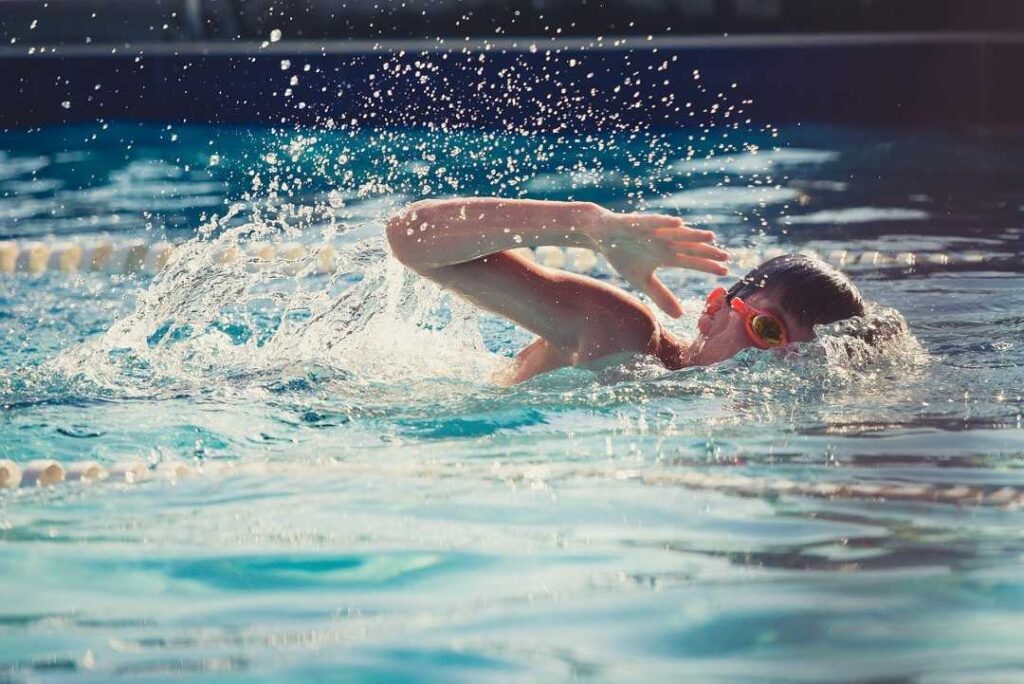
Where to Learn Swimming for Adult So, you’ve decided it’s time to take the plunge and learn how to swim. Maybe you’ve been inspired by friends who effortlessly glide through the water, or perhaps you’re eager to conquer a lifelong fear. Whatever the reason, you’re probably wondering, “Where to learn swimming for adult?” Well, grab your goggles and let’s embark on this aquatic adventure together. Embracing the Water: It’s Never Too Late First things first—let’s address the elephant in the room. Is it really possible to learn swimming as an adult? Absolutely! Age is just a number, and the water welcomes everyone with open arms. Learning to swim as an adult can be a liberating experience. It’s like discovering a new superpower you never knew you had. In Singapore, a city surrounded by water, swimming isn’t just a recreational activity; it’s a valuable life skill. Whether you’re looking to enhance your fitness routine, enjoy beach vacations without hesitation, or simply check off an item on your bucket list, there’s no time like the present to start learning. Why Choose and learn Swimming as an Adult? Swimming offers a plethora of benefits that go beyond just staying afloat. It’s a full-body workout that improves cardiovascular health, builds muscle strength, and enhances flexibility—all without putting undue stress on your joints. For adults seeking a low-impact exercise that still packs a punch, swimming is the perfect fit. Moreover, swimming can be a soothing escape from the daily grind. The rhythmic movement and the sensation of being in the water can be incredibly therapeutic. It’s like a mini-vacation each time you step into the pool. Overcoming Common Fears and Misconceptions Many adults hesitate to learn swimming due to fear or embarrassment. Trust me, you’re not alone. It’s completely normal to feel a bit like a fish out of water—pun intended. The key is to find an instructor who understands these concerns and can provide a supportive learning environment. A study conducted by the Singapore Sports Institute in 2021 found that adults who participated in swimming lessons reported a significant boost in confidence and overall well-being. The participants noted that conquering their fear of water translated into a newfound courage to tackle other challenges in life. Where to Learn Swimming for Adult in Singapore Now that we’ve tackled the why, let’s dive into the where. Singapore offers a variety of options tailored to adult learners, each with its own set of advantages. Private Swimming Lessons If you’re someone who prefers one-on-one attention, private swimming lessons might be your cup of tea. These sessions offer personalized instruction tailored to your pace and comfort level. Instructors can focus on specific areas you’d like to improve, making the learning process more efficient. According to a 2022 survey by SwimSafer Singapore, adults enrolled in private lessons progressed 30% faster than those in group settings. The individualized approach allows for immediate feedback and adjustments, which can accelerate learning. For personalized instruction, check out Swimming Lesson options available. Group Classes If you’re a social butterfly who enjoys learning with others, group classes provide a supportive community atmosphere. Sharing the experience with peers can make the process more enjoyable and less intimidating. Plus, a little friendly competition never hurts! Many community centers and swimming schools in Singapore offer adult group classes at various times to accommodate busy schedules. It’s an excellent way to meet new people who are on the same journey as you. Swim Schools Specializing in Adult Lessons Some swim schools specialize in adult education, understanding that teaching adults requires a different approach than teaching children. These schools focus on creating a comfortable environment where adults can learn without feeling self-conscious. One such establishment is HydroSplash Swimming, which offers programs specifically designed for adult learners. With experienced instructors who are skilled at easing anxieties, you’ll be making waves in no time. What to Expect in Adult Swimming Lessons Stepping into the unknown can be daunting, so knowing what to expect can ease some of those butterflies. Assessment of Skill Level Your instructor will typically start by assessing your current comfort level in the water. Don’t worry if you’re starting from scratch; instructors are trained to work with all levels, from absolute beginners to those looking to refine their technique. Building Water Confidence The initial lessons focus on getting comfortable in the water. This might include exercises like submerging your face, floating, and basic leg movements. It’s all about building a solid foundation. Learning Fundamental Strokes Once you’re feeling more at home in the water, you’ll progress to learning fundamental strokes like freestyle and breaststroke. Instructors will break down each stroke into manageable steps, making it easier to grasp. Incorporating Breathing Techniques Breathing correctly is crucial in swimming. Your instructor will teach you how to coordinate your breathing with your strokes, ensuring you can swim longer distances without fatigue. Success Stories: Real-Life Examples To illustrate that learning to swim as an adult is entirely achievable, let’s look at some real-life success stories from Singapore. Case Study 1: Sarah’s Journey Sarah, a 35-year-old professional, had always been afraid of the water. With a beach vacation on the horizon, she decided it was time to conquer her fear. She enrolled in private lessons at a local swim school. Within three months, not only could Sarah swim confidently, but she also found a new passion for the sport. “Swimming became my escape,” she says. “It’s where I clear my mind after a hectic day at work.” Case Study 2: John’s Transformation John, a 50-year-old father of two, wanted to set an example for his kids. Despite initial reservations, he joined a group class for adults. The camaraderie he found there was unexpected but welcome. “Learning alongside others made the experience enjoyable,” John recalls. “We encouraged each other, and before I knew it, swimming became a regular part of my routine.” Tips for Choosing the Right Swimming Program Selecting the right place to learn swimming for adult is crucial for your success. Here are

How Late Is Too Late To Start Swimming? Many adults wonder whether it’s too late to begin swimming lessons, especially if they’ve never had formal training in the water. The truth is, swimming is a skill you can learn at any age, whether you’re 20, 40, or even 60 years old. While it’s common to associate swimming lessons with childhood, more and more adults are taking the plunge and discovering the physical, mental, and emotional benefits that swimming can offer. So, how late is too late to start swimming? The simple answer: it’s never too late. The Myth of “Too Late” One of the biggest myths surrounding swimming is that it’s only for children or young adults. It’s a misconception that holds many people back from exploring this incredibly rewarding activity. In reality, the benefits of swimming are ageless. Whether you’re a parent who never learned to swim, a professional seeking a new form of exercise, or a senior looking for low-impact activity, swimming can be an excellent choice. The beauty of swimming is that it meets you where you are, allowing you to progress at your own pace. Why Learn Swimming Later in Life? Swimming is not just a skill for the young; it offers something for everyone, no matter your age. In fact, learning to swim as an adult or senior comes with its own unique benefits. Fitness Benefits: Swimming is a full-body workout. It strengthens your muscles, improves cardiovascular fitness, and enhances flexibility—all without putting stress on your joints. This makes it an ideal exercise for older adults looking to stay active without the risk of injury that can come from high-impact activities like running or weightlifting. Mental Health Boost: The repetitive, rhythmic nature of swimming has been shown to reduce stress and anxiety. If you’re dealing with work pressure, family obligations, or the general stresses of life, spending time in the water can have a meditative effect. The weightlessness of the water can even enhance feelings of relaxation, which helps clear your mind. Social Engagement: Swimming isn’t a solitary activity unless you want it to be. Many adults choose to take swimming lessons in groups, offering the opportunity to meet like-minded individuals. Whether you join a swimming club or take private lessons, swimming opens up opportunities to connect with others. The Learning Process: What to Expect When starting swimming lessons as an adult, you might feel apprehensive or nervous about entering the pool. But remember, swimming instructors are experienced in working with adult beginners. Lessons are typically structured in a way that eases you into the process. Initial Lessons: The first step is getting comfortable with the water. If you’re afraid of deep water, lessons will start in shallow areas, allowing you to feel safe. From there, you’ll work on basic water safety techniques, including floating, breathing, and learning to stay calm in the water. Stroke Development: Once you’re comfortable in the water, the next step is learning the core strokes—freestyle, backstroke, breaststroke, and even butterfly, if you’re up for a challenge. Your instructor will break each stroke down into manageable components, teaching proper arm movement, leg kicks, and breathing coordination. Building Endurance: Swimming requires stamina. As you progress, lessons will begin to focus on building your endurance, allowing you to swim longer distances without becoming tired. Instructors may introduce intervals, where you alternate between slow and fast swimming to gradually increase your cardiovascular fitness. Success Stories: Swimming in Singapore In Singapore, there has been an increase in adults signing up for swimming lessons. According to recent research, more people over the age of 30 are seeking out private swimming lessons to improve their fitness or conquer a lifelong fear of water. A case study from 2023 highlighted how swimming schools in Singapore have adapted their teaching methods to accommodate older learners. Instructors report that many adult learners initially feel nervous but quickly build confidence once they master the basics. After just a few months, these swimmers often surpass their own expectations, completing laps of the pool with ease. Another study found that older adults who swim regularly enjoy better mobility and report fewer joint issues compared to those who engage in other forms of exercise. The low-impact nature of swimming makes it especially popular among Singaporeans who are recovering from injuries or looking for a gentle way to stay fit. Can Older Adults Learn to Swim Competitively? Absolutely! While many adults start swimming purely for recreational or fitness reasons, it’s not uncommon to see older swimmers transition into more competitive spaces. Masters swimming, a popular movement for swimmers over the age of 25, offers a chance for adults to participate in competitions at local and international levels. In Singapore, there are growing communities of adult swimmers who regularly compete in events like open water races or triathlons. Some of these athletes started swimming later in life and have found a passion for the sport they never expected. The key takeaway here? Age is just a number when it comes to swimming—whether you’re racing against the clock or enjoying a leisurely swim at your local pool. Tips for Success Starting swimming as an adult may feel intimidating, but with the right approach, you can overcome any initial fears or challenges. Here are some tips to help you succeed: Start with a Professional: Investing in a qualified swimming instructor is one of the best decisions you can make. Not only will they ensure you’re learning the correct techniques, but they’ll also help you build confidence as you progress. Set Realistic Goals: Start small. Your initial goal might be as simple as learning how to float or swim a full lap without stopping. As you gain skills, you can adjust your goals to suit your progress. Stay Consistent: Like any skill, swimming requires practice. Try to swim regularly, whether that’s once a week or multiple times a week. The more you practice, the quicker you’ll improve. Celebrate Small Wins: Every improvement is a victory, whether it’s staying
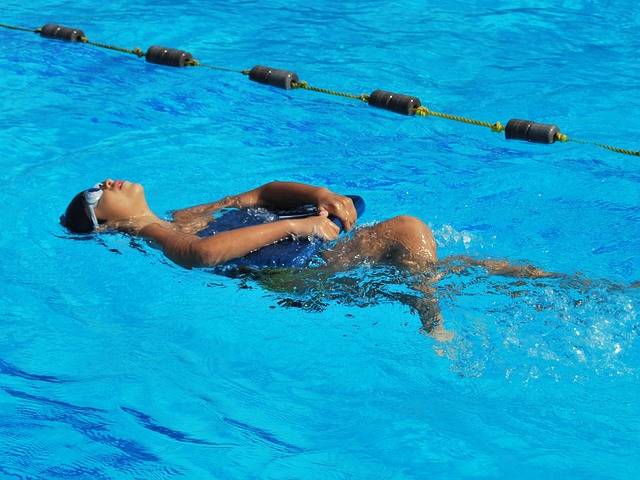
What Happens in Swimming Lessons? Swimming lessons are often seen as one of the most valuable life skills. For anyone stepping into the world of swimming, whether they are a child, a teen, or an adult, these lessons provide not only safety but also confidence and fitness. If you’ve ever wondered what really happens during swimming lessons, you’re in the right place. Let’s dive into the process step by step to explore what swimming lessons entail and how they benefit learners of all ages. Getting Comfortable with the Water The first step of any swimming lesson starts with getting the learner comfortable in the water. Whether it’s a child taking their first strokes or an adult learning to float, the initial sessions often revolve around building trust with the water. Instructors encourage students to explore movements in shallow areas, experiment with floating, and slowly develop their comfort level in a supportive environment. In this stage, the focus is often on breathing techniques. It’s common for beginners to feel nervous about placing their face in the water or exhaling underwater. Instructors introduce gentle exercises, like blowing bubbles or practicing short submersions, to help break down this barrier. Basic Water Safety Skills An integral part of any swimming lesson is teaching water safety. Before anyone masters swimming strokes, they first need to know how to be safe around water. This is true for both children and adults. Instructors teach essential safety techniques, such as how to float on one’s back, how to tread water to stay afloat, and what to do if you get tired or overwhelmed in the water. Water safety techniques can save lives, and learning these skills early provides a foundation for a lifetime of confidence in water environments. Many swimming programs, including SwimSafer in Singapore, emphasize these crucial safety lessons before advancing into swimming strokes. Introducing the Core Swimming Strokes Once a swimmer has developed some comfort in the water, the real fun begins: learning the core swimming strokes. Instructors break down each stroke into manageable parts, helping students learn the right body position, arm movements, and kick techniques. Typically, lessons start with the freestyle or front crawl because it’s one of the most straightforward strokes to learn. Over time, students progress to more advanced strokes, such as the backstroke, breaststroke, and butterfly. The progression is gradual, with each stroke building upon the previous skills learned. For instance, students who master the freestyle may find it easier to transition into the backstroke because of the similarities in arm and leg movements. Breath Control and Coordination A vital component of learning to swim is mastering breath control and coordination. As swimmers progress, lessons focus more on how to time breaths with strokes. For example, in freestyle swimming, turning the head to the side to take a breath without interrupting the flow of the stroke is a critical skill. Instructors provide drills and feedback to help students build this coordination gradually. This phase of lessons also incorporates more challenging exercises to build endurance. Learning to swim long distances requires the development of strong breathing techniques and synchronized movements. It’s not just about swimming fast—it’s about maintaining smooth, controlled strokes while managing breathing. Treading Water and Endurance Building At intermediate levels, swimming lessons also introduce treading water for extended periods. This is a crucial survival skill, as it helps swimmers remain stationary and afloat in deep water without exerting too much energy. Instructors guide students through the most efficient methods for treading water, often with both their hands and feet, building both strength and stamina. This stage is essential for swimmers who want to explore open water swimming or those training for competitions. Swimmers who can tread water efficiently are better equipped to handle situations where they need to remain stationary or wait for rescue in deep water. Progressing Toward More Advanced Skills As students advance, the lessons become more tailored to specific goals. For competitive swimmers, this may involve fine-tuning technique for speed and efficiency. Competitive swimmers need more rigorous drills and practice regimens. In contrast, recreational swimmers might focus on developing a broader range of strokes or preparing for activities like open-water swimming or triathlons. At this stage, swimmers may also begin to incorporate more challenging elements, like turns and dives, into their repertoire. Flip turns, which allow swimmers to change direction quickly in the pool, become a critical skill for anyone interested in competitive swimming. Learning to Set Goals and Track Progress Swimming instructors also teach goal-setting, which plays a significant role in swimming lessons. For example, beginners might aim to swim a full length of the pool without stopping, while more advanced swimmers may work on shaving seconds off their lap times. Tracking progress not only keeps students motivated but also provides a clear pathway for improvement. It’s common for programs to have a structured series of levels, where swimmers earn certificates or badges as they achieve certain milestones. The SwimSafer program in Singapore is an example of such a structure, allowing students to track their development and progress through different stages of swimming competency. Benefits of Swimming Lessons Swimming lessons offer a range of benefits that extend beyond learning how to swim. They improve physical fitness, boost mental health, and even provide social opportunities. Physical Fitness: Swimming is a full-body workout that improves cardiovascular health, builds muscle strength, and enhances flexibility. Mental Health: The rhythmic nature of swimming has a calming effect, often helping reduce stress and anxiety. Lifelong Skill: Once learned, swimming is a skill that stays with you for life. Whether you’re swimming recreationally, competitively, or just for fitness, these skills come in handy throughout your life. Social Engagement: For children, swimming lessons are a great way to meet peers, develop teamwork skills, and build friendships. Recent Case Studies on Swimming Lessons in Singapore According to a recent study published in 2022, swimming lessons in Singapore have seen a rise in demand, especially for private and home-based lessons. This is due to the
What Is the Meaning of Swimming Lessons? Swimming lessons are structured classes designed to teach individuals how to swim, improve their skills, and enhance water safety awareness. These lessons often begin at an introductory level for young children or adults who are new to the water and progress to more advanced techniques, including competitive strokes and lifesaving skills. They are offered by qualified instructors in safe, supervised environments such as public pools, private clubs, or even at home in private sessions. Why Are Swimming Lessons Important? Swimming is not only a recreational activity but also an essential life skill. The importance of swimming lessons lies in the safety and skills they impart. Lessons help prevent drowning, the leading cause of accidental deaths worldwide. By teaching individuals how to navigate the water confidently, swimming lessons play a vital role in safeguarding lives. Moreover, they enhance physical fitness, develop coordination, and boost cardiovascular health. Whether for children or adults, swimming lessons help instill discipline, improve posture, and promote a healthy lifestyle through regular, structured exercise. How Swimming Lessons Vary by Age and Skill Level Swimming lessons cater to different age groups and skill levels, from toddlers to seniors. Beginners, often children, start with water familiarization and basic safety techniques like floating and kicking. At this stage, lessons are more about building comfort in the water and teaching foundational skills. For advanced learners, lessons focus on improving stroke technique, building endurance, and learning how to swim efficiently. Competitive swimmers benefit from lessons that enhance their speed and agility, while older adults can take swimming lessons focused on gentle, low-impact exercise that promotes flexibility and joint health. What Are the Key Elements of a Swimming Lesson? The structure of a swimming lesson typically involves: Warm-up exercises to loosen the muscles. A review of safety skills such as floating, treading water, or emergency techniques. Instruction on specific strokes such as freestyle, breaststroke, backstroke, or butterfly. Practice drills to enhance endurance and improve technique. Cool down to help muscles recover and avoid injury. Each lesson is designed with a progressive goal in mind. As swimmers advance, the complexity and intensity of lessons increase, whether they are working toward mastering a particular stroke or preparing for competitive swimming. Learning to Swim as an Adult: Is It Ever Too Late? Swimming is one of the few sports that can be started at any age. For adults who did not have the opportunity to learn as children, swimming lessons offer an inviting environment where they can develop confidence and skill in the water. It’s never too late to learn, and adults often find that the benefits of swimming, such as improving cardiovascular fitness and lowering stress levels, are worth the effort. For adults, swimming lessons often take a slower, more personalized approach. Instructors focus on building comfort in the water and teaching effective techniques that don’t require a great deal of energy. This makes swimming a perfect exercise for adults seeking a low-impact, full-body workout. The Importance of Water Safety in Swimming Lessons Swimming lessons don’t just focus on strokes and fitness; they also emphasize water safety. Many programs integrate lifesaving techniques, such as how to rescue someone in distress or perform CPR. This knowledge is especially crucial for parents or individuals living near large bodies of water. In fact, the SwimSafer program in Singapore ensures that children not only learn how to swim but also develop the skills needed to survive in aquatic environments. Safety awareness, combined with technical proficiency, makes swimming lessons a must-have for anyone living in a water-centric environment like Singapore. How Private Swimming Lessons Differ from Group Lessons Private swimming lessons provide one-on-one attention from a qualified instructor, making them ideal for individuals who prefer personalized guidance. Whether a child is working on overcoming fear of water or an adult is looking to improve a specific stroke, private lessons offer tailored instruction based on individual needs. Group lessons, on the other hand, foster a more social learning environment. Swimmers can interact with peers, practice together, and enjoy friendly competition. For families looking for a more affordable option, group lessons can be a budget-friendly way to learn essential swimming skills. Case Study: The Success of Swimming Lessons in Singapore In Singapore, swimming lessons are an integral part of growing up, particularly due to the island’s proximity to water. The SwimSafer program is designed to ensure that children acquire essential water survival skills while improving their overall swimming ability. It has been widely implemented in schools across Singapore and has significantly reduced water-related incidents. According to a case study published in 2023, the SwimSafer program has helped over 150,000 children master essential water survival skills. This initiative highlights the importance of early swimming education and the positive impact it has on reducing drowning incidents . How Swimming Lessons Build Lifelong Skills One of the greatest advantages of swimming lessons is the lifelong skill set they develop. Beyond physical fitness and safety, learning to swim encourages mental discipline, patience, and perseverance. The regular practice required to master different strokes teaches swimmers the value of persistence, which is a transferable skill in both academic and professional settings. Children who take swimming lessons often exhibit greater focus, coordination, and emotional resilience. Adults, too, benefit from the stress-relief swimming offers, making it an ideal activity for maintaining mental health. How Swimming Lessons at HydroSplash Swimming Academy Can Help You HydroSplash Swimming Academy provides tailored swimming lessons for all ages and skill levels. Their experienced instructors prioritize water safety, skill development, and creating an enjoyable learning experience for students. With private swimming lessons available, students can receive customized training that focuses on their unique needs, making learning faster and more efficient. If you’re ready to dive into swimming lessons or need help refining your technique, visiting HydroSplash Swimming Academy might be your next step. Whether you’re a beginner or an advanced swimmer, the academy offers lessons that will help you reach your full potential in the water. Conclusion Swimming lessons

Which Country Has The Most Olympic Swimmers? When it comes to Olympic swimming, certain countries stand out for producing the most accomplished athletes. But which country leads the pack in this water-bound sport? In this article, we’ll explore the nations that have produced the highest number of Olympic swimmers, delving into their training methodologies, infrastructure, and cultural factors that contribute to their dominance in the swimming world. The Birthplace of Champions: The United States It’s no secret that the United States has long been a powerhouse in the world of Olympic swimming. With a robust infrastructure, extensive resources, and a culture that celebrates athletic achievement, the U.S. has consistently produced top-tier swimmers who dominate the Olympic podium. But what sets the U.S. apart from other countries? One key factor is the accessibility and emphasis on swimming at a young age. From local swim teams to school competitions, the sport is deeply embedded in American culture, providing a steady stream of talent. Australia: The Swimming Nation Australia, often referred to as the “Swimming Nation,” is another country with a rich history of Olympic swimming success. With its warm climate and numerous outdoor pools, swimming is a way of life for many Australians. The country’s elite training programs, supported by a strong sports science community, have played a crucial role in nurturing world-class swimmers. Australia’s commitment to swimming is evident in its long-standing tradition of producing Olympic champions, making it one of the top contenders in the sport. China: A Rising Force China has emerged as a formidable force in Olympic swimming over the past few decades. With a state-driven approach to sports development, the country has invested heavily in training facilities, coaching, and athlete development. Chinese swimmers have made significant strides on the international stage, with several breaking world records and winning multiple Olympic medals. The country’s success can be attributed to its rigorous training regimen and the central role of the government in identifying and nurturing talent from a young age. Hungary: The Land of Swimming Legends Hungary may be a small country, but its impact on the world of Olympic swimming is immense. With a population that deeply values water sports, Hungary has produced some of the most legendary swimmers in history. The country’s success can be traced back to its excellent coaching systems and a culture that prioritizes swimming as a key sport. Hungarian swimmers have consistently performed well at the Olympics, particularly in individual medley and butterfly events, earning the country a reputation as a breeding ground for swimming talent. Japan: Precision and Discipline Japan is another nation that has made significant contributions to Olympic swimming. Known for its precision and discipline, Japanese swimmers are renowned for their technique and consistency. The country’s focus on meticulous training and attention to detail has resulted in a steady rise in its Olympic swimming achievements. Japan’s swimmers are also known for their versatility, excelling in a wide range of events, from freestyle to breaststroke. Case Studies: Success Stories in Singapore While Singapore may not have the same level of Olympic dominance as the aforementioned countries, it has made remarkable progress in swimming on the global stage. A prime example is Joseph Schooling, who made history by winning Singapore’s first-ever Olympic gold medal in swimming at the 2016 Rio Olympics. Schooling’s success has inspired a new generation of swimmers in Singapore, highlighting the importance of strong coaching, access to world-class facilities, and the support of national sports bodies in achieving Olympic success. Conclusion: Olympic Swimmers In conclusion, the countries that lead in Olympic swimming share common traits: a strong emphasis on early talent identification, access to top-notch training facilities, and a cultural appreciation for the sport. While the U.S. and Australia have long been dominant forces, other nations like China, Hungary, and Japan are making their mark, contributing to the ever-evolving landscape of Olympic swimming. Whether you’re a fan or an aspiring swimmer, understanding the factors that contribute to these countries’ success can provide valuable insights into the world of competitive swimming. To win a medal, their swimmers usually come through heats, semi-finals and a final, as our guide to the rounds in olympic swimming explains. For those looking to hone their swimming skills and perhaps one day compete on the world stage, consider enrolling in professional swimming lessons. Visit HydroSplash Swimming to learn more about personalized training programs and how they can help you achieve your swimming goals. Whether you’re a beginner or an advanced swimmer, there’s always room for improvement. Start your journey today and make a splash in the world of swimming! Click on the link to find out more about HydroSplash Swimming. Chat with our representatives today!About HydroSplash SwimmingAdult Swimming LessonPrivate Swimming LessonKids Swimming LessonWhatsapp Us
How Do You Become An Expert In Swimming? Swimming isn’t just about moving through water; it’s an art, a science, and for many, a passion. The journey to becoming an expert in swimming is akin to crafting a masterpiece—it requires dedication, precision, and a splash of creativity. So, how do you become an expert in swimming? Let’s embark on this aquatic adventure together. Embracing the Swimming Fundamentals: The Building Blocks of Expertise Before attempting to conquer the waves like a seasoned pro, it’s essential to lay a solid foundation. Think of it as building a house; without a sturdy base, the entire structure wobbles. The fundamentals of swimming encompass understanding buoyancy, mastering breathing techniques, and perfecting basic strokes. Buoyancy isn’t just a fancy term; it’s the very principle that keeps you afloat. By understanding how your body interacts with water, you can navigate it more efficiently. Breathing, on the other hand, is the rhythm that keeps your strokes in harmony. Ever tried holding your breath while swimming? It’s like trying to sing while running—a recipe for disaster. A study by the National University of Singapore highlighted that swimmers who dedicated time to mastering foundational techniques progressed faster in advanced training. Consistency is Key: Regular Training and Practice Imagine planting a seed and expecting a tree overnight. Sounds absurd, right? Similarly, achieving expertise in swimming demands consistent effort. Regular training sessions not only build muscle memory but also enhance endurance and technique. In Singapore, the ActiveSG initiative has emphasized the importance of consistent practice. Their programs, tailored for all age groups, have shown remarkable results in skill enhancement. More about their approach can be found here. But let’s sprinkle in a tad of humor. Think of skipping swimming sessions as skipping leg day at the gym. Sure, you might get away with it initially, but eventually, the imbalance shows. So, grab that swimsuit and make a splash regularly! Seeking Guidance: The Role of Professional Coaching Even the most talented swimmers benefit from expert guidance. Remember, even Michael Phelps had a coach! A professional coach doesn’t just teach techniques; they mentor, motivate, and mold you into a better swimmer. In Singapore, the surge in demand for qualified swimming coaches has led to the establishment of numerous academies. These institutions focus on personalized training, ensuring that each swimmer’s unique needs are addressed. Engaging with a coach can provide insights that self-training might overlook. Advanced Techniques: Taking Your Skills to the Next Level Once you’ve got the basics down pat, it’s time to venture into advanced territories. This involves mastering strokes like the butterfly, refining your turns, and enhancing your underwater propulsion. Ever watched a swimmer glide underwater seamlessly? It’s like watching a dolphin in its element. Achieving this level of proficiency requires understanding advanced techniques and, more importantly, practicing them diligently. A recent case study in Singapore showcased swimmers who incorporated advanced drills into their routine experienced a 15% improvement in their performance metrics. Mental Fortitude: Cultivating the Right Mindset Swimming isn’t just a physical endeavor; it’s a mental challenge. Facing the vast expanse of water, pushing through fatigue, and striving for perfection demands mental resilience. Visualization techniques, goal setting, and positive affirmations can play a pivotal role in enhancing performance. Picture yourself gliding effortlessly, feeling the water embrace you, and achieving that perfect stroke. This mental imagery can translate into real-world improvements. An anecdote from a seasoned swimmer: “Every time I felt the weight of exhaustion, I’d imagine the cheering crowd, the finish line, and the sense of accomplishment. It pushed me beyond my limits.” Physical Conditioning: Beyond the Pool While swimming provides a comprehensive workout, supplementing it with land-based exercises can enhance performance. Strength training, flexibility routines, and cardiovascular exercises ensure that your body is well-equipped to tackle the challenges of advanced swimming. Think of it this way: a chef doesn’t just know how to cook; they understand ingredients, flavors, and techniques beyond the kitchen. Similarly, an expert swimmer hones their body holistically. Nutrition: Fueling Your Aquatic Endeavors You wouldn’t fuel a high-performance car with low-grade gasoline. Similarly, your body, the vessel that propels you through water, requires optimal nutrition. Balanced meals rich in proteins, carbohydrates, and essential fats ensure sustained energy levels and muscle recovery. Hydration, often overlooked, is crucial. Even though you’re surrounded by water, swimming can lead to significant fluid loss. Keeping yourself hydrated ensures peak performance and prevents cramps. Setting Realistic Goals: The Path to Continuous Improvement Rome wasn’t built in a day, and neither is swimming expertise achieved overnight. Setting achievable milestones keeps you motivated and provides a roadmap for improvement. Whether it’s shaving a few seconds off your lap time or mastering a challenging stroke, each goal brings you closer to expertise. Celebrate small victories. Each achievement, no matter how minor it seems, is a testament to your hard work and dedication. Embracing Feedback: Learning from Mistakes Mistakes aren’t failures; they’re lessons in disguise. Embracing feedback, whether from coaches, peers, or self-analysis, paves the way for improvement. Remember, the only bad mistake is one you don’t learn from. A humorous take: “I once tried a new stroke technique and ended up looking like a flailing octopus. But hey, at least I entertained my coach!” Conclusion Becoming an expert in swimming is a journey filled with challenges, learning, and immense satisfaction. It’s about embracing the water, understanding its nuances, and letting it become an extension of yourself. With dedication, guidance, and a sprinkle of humor, you can navigate this journey successfully. Ready to embark on your swimming adventure? HydroSplash Swimming offers tailored Swimming Lessons designed to guide you every step of the way. Dive in and let the waves of expertise wash over you! Click on the link to find out more about HydroSplash Swimming. Chat with our representatives today!About HydroSplash SwimmingAdult Swimming LessonPrivate Swimming LessonKids Swimming LessonWhatsapp Us
How Can I Impress My Swim Coach? Whether you’re a seasoned swimmer or just starting out, one common goal most swimmers share is the desire to impress their coach. A strong rapport with your swim coach can lead to better training, more personalized guidance, and, ultimately, improved performance in the water. But how exactly can you stand out in your coach’s eyes? This article will explore key strategies to help you impress your swim coach, from demonstrating dedication to honing your techniques and maintaining a positive attitude. Dedication and Commitment: The Foundation of Progress If there’s one quality that swim coaches universally appreciate, it’s dedication. Coaches invest a great deal of time and effort into their swimmers, and seeing that same level of commitment from their athletes is always impressive. Dedication manifests in various ways, but at its core, it’s about showing up consistently and putting in the hard work, both in and out of the pool. Consistent attendance is a simple yet powerful way to show your commitment. Arriving on time for practices, ready to give your best effort, speaks volumes about your seriousness toward swimming. Even on days when motivation is low, pushing through and showing up signals to your coach that you’re in it for the long haul. Beyond just showing up, dedication also involves actively participating in every aspect of training. Engage in warm-ups, drills, and cool-downs with enthusiasm. When your coach introduces a new technique or drill, give it your full attention and effort. Coaches notice who is making the most of their practice time, and those swimmers often receive more focused guidance. Moreover, showing that you’re committed to improvement outside of regular practice hours can make a big difference. This could mean working on your fitness, doing extra swim sets on your own, or even studying videos to refine your technique. The more you immerse yourself in the sport, the more your coach will see your passion and commitment. Focus on Technique and Skill Development Swim coaches are trained to notice the finer details of your swimming technique, and they will be impressed when you take the initiative to refine these aspects. One of the most effective ways to impress your coach is by consistently working on your technique. Start by paying close attention to the feedback your coach gives you during practice. Coaches often provide corrections to help you improve your strokes, turns, and breathing techniques. When you make a conscious effort to implement these corrections, your coach will see that you’re taking their advice seriously. Additionally, take the time to analyze your own swimming. You can ask your coach to film your stroke during practice, allowing you to see where you can make adjustments. Watching your performance from a different perspective can be incredibly insightful and help you make more targeted improvements. Another key aspect of technique is efficiency. Strive to swim with smooth, efficient strokes that maximize your speed and endurance. Efficient swimming is not just about going fast but also about conserving energy for longer distances. By mastering this balance, you can significantly improve your performance and impress your coach with your understanding of the sport. Maintain a Positive and Coachable Attitude Attitude plays a huge role in how you are perceived by your coach. A positive, can-do attitude is contagious and can uplift the entire team. When you approach each practice with enthusiasm and a willingness to learn, it shows your coach that you’re not just there to swim laps—you’re there to grow as an athlete. Being coachable is a key part of this equation. Coachability means being open to feedback, even when it’s critical, and using it to improve rather than becoming defensive or discouraged. Coaches appreciate athletes who listen carefully, ask questions, and apply what they’ve learned. If your coach sees that you’re willing to put in the work to improve, they’ll be more inclined to invest time in helping you reach your potential. Moreover, handling setbacks with grace is an important aspect of maintaining a positive attitude. Everyone has off days, but how you respond to challenges says a lot about your character. Instead of getting frustrated, view mistakes and tough practices as opportunities to learn and grow. This resilience will not only help you improve but also earn the respect and admiration of your coach. Demonstrate Team Spirit and Leadership Swimming may be an individual sport in terms of races, but it’s also a team sport when it comes to practice and relays. Showing that you’re a team player who supports your fellow swimmers is a great way to impress your coach. Encourage your teammates during tough sets, celebrate their successes, and offer help if someone is struggling with a technique. Coaches value athletes who contribute positively to the team dynamic and help create a supportive environment. If you’re an experienced swimmer, take on a leadership role by mentoring younger or less experienced teammates. Share your knowledge, help them understand drills, or simply offer words of encouragement. Leadership isn’t about being the loudest or most dominant; it’s about setting a positive example and lifting others up. Coaches appreciate swimmers who not only focus on their own improvement but also contribute to the team’s overall success. Being a leader in the pool, whether through your actions or your attitude, will certainly catch your coach’s attention. Set Personal Goals and Track Your Progress One of the most effective ways to impress your swim coach is by setting personal goals and actively working towards them. Goal-setting shows that you’re serious about your development as a swimmer and that you’re willing to push yourself to achieve new milestones. When setting goals, make them specific, measurable, and achievable within a certain timeframe. For example, you might set a goal to improve your 100-meter freestyle time by two seconds within the next two months. Discuss these goals with your coach—they can provide valuable insights and help you create a plan to achieve them. Tracking your progress is equally important. Keep
How Can I Be A Better Swim Teacher? Being a swim teacher is more than just imparting swimming techniques to students; it’s about fostering a love for the water, building confidence, and ensuring that each student feels supported throughout their learning journey. Whether you’re new to teaching or have been guiding swimmers for years, there’s always room for growth and improvement in your teaching methods. In this article, we will explore how you can become a better swim teacher by focusing on effective communication, building rapport with your students, and committing to continuous improvement. Understanding Your Students’ Needs The first step to becoming a better swim teacher is understanding the diverse needs of your students. Every swimmer, whether a beginner or an advanced learner, comes with unique goals, fears, and learning styles. As a teacher, it’s your responsibility to tailor your approach to meet these individual needs. For example, young children might require more patience and encouragement as they get comfortable in the water, while adult learners may need reassurance and a focus on technique. Some students may be naturally confident in the water, while others might harbor fears that need to be gently addressed. By taking the time to get to know your students, you can create a more personalized and effective teaching plan. Understanding your students also means recognizing the emotional and psychological aspects of learning to swim. For many, swimming can be daunting, and building trust is crucial. Be empathetic, listen to their concerns, and provide consistent positive reinforcement. This approach not only helps students progress faster but also fosters a supportive and encouraging learning environment. Effective Communication is Key Clear and effective communication is the cornerstone of successful teaching. As a swim teacher, you need to convey instructions in a way that is easy to understand, especially when working with beginners or young children. Break down complex techniques into simple, digestible steps, and use visual demonstrations whenever possible. It’s also important to be mindful of your tone and body language. A calm and reassuring tone can make a significant difference in how students perceive your instructions, especially if they are anxious about swimming. Encourage questions and be patient in your responses, ensuring that students feel comfortable seeking clarification whenever they need it. Moreover, feedback should be constructive and focused on improvement. Celebrate small victories and provide specific suggestions for areas that need work. Instead of simply telling a student they did something wrong, explain why and how they can correct it. For instance, if a student is struggling with their freestyle kick, you might say, “I noticed your legs are sinking a bit; try to keep them straight and kick from the hips to stay more streamlined.” Building Rapport and Trust One of the most important aspects of being a successful swim teacher is building rapport and trust with your students. When students trust you, they are more likely to listen to your instructions and feel comfortable in the learning environment. This trust is especially crucial when working with students who have a fear of water. Start by showing genuine interest in your students’ progress and well-being. Ask them about their goals and what they hope to achieve through swimming lessons. Use their names frequently and offer encouragement that is specific to their efforts. When students see that you care about their progress, they are more likely to stay motivated and committed to learning. In addition to verbal communication, non-verbal cues such as eye contact, smiles, and nods can help build a positive connection with your students. Be approachable and open to feedback from your students as well. If they feel comfortable giving you feedback on what is or isn’t working for them, you’ll be better equipped to tailor your teaching methods to suit their needs. Continuing Education and Professional Development The best swim teachers are those who never stop learning. Continuing education and professional development are essential for staying current with the latest teaching techniques and safety standards. By attending workshops, taking advanced courses, and seeking out mentorship opportunities, you can enhance your skills and knowledge, ultimately benefiting your students. In Singapore, there are numerous opportunities for swim teachers to further their education. Organizations such as the Singapore Swimming Association (SSA) offer certification courses, workshops, and seminars that cover a wide range of topics, from advanced stroke techniques to water safety and rescue skills. Moreover, staying informed about the latest research in swimming and sports science can provide valuable insights into how to optimize your teaching methods. For example, recent studies on motor learning and skill acquisition can help you understand how students learn new swimming techniques and how to design drills that improve their muscle memory and performance. Adapting to Different Learning Styles Every student has a unique learning style, and as a swim teacher, it’s important to recognize and adapt to these differences. Some students may be visual learners who benefit from watching demonstrations, while others might be kinesthetic learners who learn best through hands-on practice. Auditory learners, on the other hand, might prefer detailed verbal explanations. To be an effective teacher, you should incorporate a variety of teaching methods into your lessons. For example, when teaching a new stroke, you might start with a verbal explanation, followed by a demonstration, and then give students time to practice the movement themselves. This multi-faceted approach ensures that you cater to the different learning styles in your class. It’s also helpful to regularly check in with your students to see how they are responding to your teaching methods. Ask them how they feel about their progress and whether there are any areas where they need additional help. By being flexible and responsive to their needs, you can create a more effective and enjoyable learning experience. Creating a Safe and Supportive Learning Environment Safety is paramount in swimming lessons, and as a swim teacher, you must prioritize creating a safe and supportive environment for your students. This involves more than just teaching water safety rules;
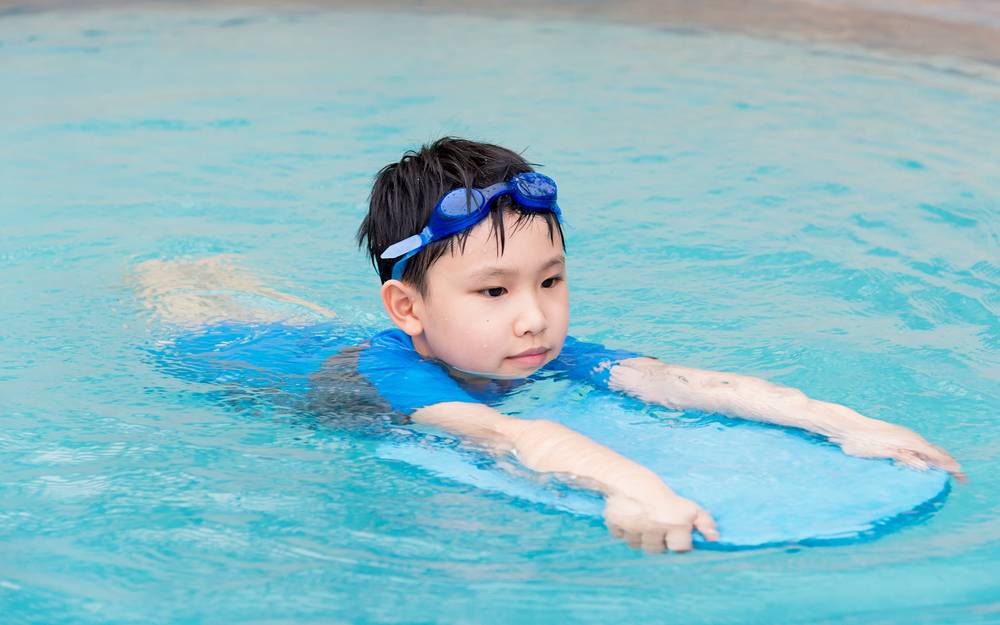
How Do I Start Swimming Training? Swimming is one of the most effective and enjoyable forms of exercise, offering a full-body workout that enhances cardiovascular health, builds muscle, and improves flexibility. Whether you’re a beginner looking to learn the basics or an experienced swimmer aiming to improve your performance, starting a structured swimming training program can help you achieve your goals. In this comprehensive guide, we’ll explore how to start swimming training, covering everything from setting your objectives to choosing the right techniques and building endurance. Setting Your Swimming Goals Before you jump into the pool, it’s essential to define your swimming goals. Are you swimming for fitness, to lose weight, or to train for a competitive event? Understanding your objectives will help you tailor your training program to meet your specific needs. For beginners, the goal might be to learn the basic strokes and build confidence in the water. Intermediate swimmers may focus on improving their technique and increasing their endurance, while advanced swimmers might aim to refine their skills for competition or long-distance swimming. Whatever your goals, having a clear direction will keep you motivated and ensure that your training is effective. Choosing the Right Swimming Technique Swimming involves various strokes, each with its own set of techniques and benefits. As you start your training, it’s important to choose the right strokes that align with your goals. The four primary swimming strokes are freestyle, breaststroke, backstroke, and butterfly. Each stroke engages different muscle groups and offers unique advantages. Freestyle, also known as the front crawl, is the fastest and most efficient stroke, making it ideal for building endurance and speed. Breaststroke, while slower, is excellent for strengthening the chest and leg muscles and is often preferred by those looking for a less intense workout. Backstroke is beneficial for improving posture and is the only stroke performed on the back, which can be a refreshing change. Butterfly, the most challenging stroke, provides an intense full-body workout, making it ideal for those seeking to build strength and power. As a beginner, it’s advisable to start with the freestyle stroke, as it is the easiest to learn and offers a solid foundation for developing swimming skills. As you progress, you can experiment with other strokes to add variety to your training and target different muscle groups. Getting the Right Swimming Gear Before you start your swimming training, ensure you have the right gear. The basic equipment you’ll need includes a well-fitting swimsuit, swim cap, and goggles. A swimsuit that offers minimal resistance in the water will help you move efficiently, while a swim cap will keep your hair out of your face and reduce drag. Goggles are essential for protecting your eyes from chlorine and improving visibility underwater. As you advance in your training, you may want to invest in additional gear, such as a kickboard, pull buoy, and fins. A kickboard can help you focus on your leg work, a pull buoy is useful for isolating your upper body, and fins can increase resistance, helping to build strength and improve technique. Learning Proper Breathing Techniques Breathing is a crucial aspect of swimming that can greatly impact your performance. Proper breathing techniques will help you maintain rhythm, reduce fatigue, and prevent common issues like inhaling water. In freestyle, the most common breathing technique is bilateral breathing, where you alternate breathing to the left and right sides. This technique promotes balanced muscle development and improves your overall stroke efficiency. To practice, take a breath after every third stroke, turning your head just enough to inhale without lifting it too far out of the water. For beginners, mastering breathing can be challenging, but with consistent practice, it becomes second nature. Focus on exhaling fully underwater and taking quick, deep breaths during your strokes. Breathing exercises on land can also help improve your lung capacity and control, making it easier to breathe efficiently in the water. Building Endurance in the Pool Swimming requires a combination of strength, technique, and endurance. To build endurance, start with shorter swim sessions and gradually increase the duration and intensity of your workouts. Interval training, where you alternate between high-intensity sprints and recovery periods, is an effective way to improve endurance and speed. For example, you might swim at a fast pace for 50 meters, followed by a slower, relaxed swim for 50 meters, repeating this cycle several times. As your fitness improves, you can extend the distance of your sprints and reduce the recovery time. It’s also important to incorporate rest days into your training schedule to allow your muscles to recover and prevent burnout. Over time, your endurance will increase, and you’ll be able to swim longer distances with less effort. Improving Your Swimming Technique No matter your skill level, there’s always room for improvement in your swimming technique. Proper technique not only makes you a more efficient swimmer but also reduces the risk of injury. Consider taking swimming lessons with a qualified coach who can provide personalized feedback and help you refine your strokes. Focus on maintaining good body alignment, keeping your head in a neutral position, and minimizing unnecessary movements. Streamlining your body will reduce drag and allow you to glide through the water with ease. Drills that isolate specific parts of your stroke, such as the catch, pull, and kick, can also help you improve your technique and build muscle memory. Incorporating Strength Training While swimming itself is a full-body workout, incorporating strength training into your routine can enhance your performance in the pool. Strength training exercises that target the core, shoulders, and legs will improve your power and endurance, allowing you to swim more efficiently. Exercises like planks, push-ups, squats, and lunges are excellent for building the muscles used in swimming. Resistance bands and medicine balls can add variety to your strength training routine and help you develop explosive power for faster starts and turns. Remember to focus on maintaining proper form during your strength training exercises to prevent injury and maximize
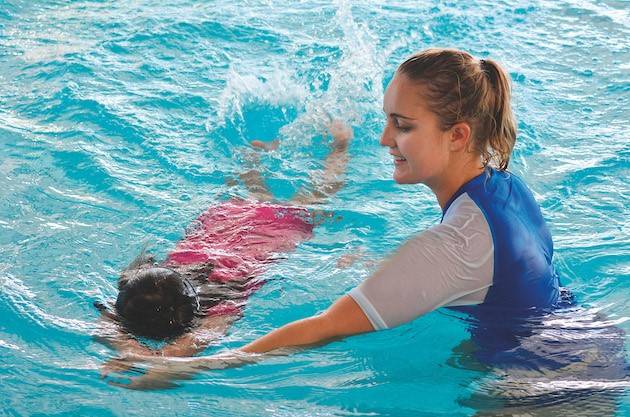
How To Learn To Be A Swimming Teacher Becoming a swimming teacher is a rewarding career choice that combines a passion for swimming with the opportunity to teach others a vital life skill. Whether you’re looking to work with children, adults, or both, the journey to becoming a qualified swimming instructor involves a series of steps that ensure you’re fully prepared to teach swimming effectively and safely. In this article, we’ll explore how to learn to be a swimming teacher, covering everything from the essential qualifications to practical teaching experience. Understanding the Role of a Swimming Teacher Before diving into the process of becoming a swimming teacher, it’s important to understand what the role entails. As a swimming teacher, you’ll be responsible for instructing individuals or groups in the art of swimming. This includes teaching basic water safety, swimming techniques, and helping swimmers improve their skills over time. Your role also involves creating a safe and supportive environment for your students, ensuring that they feel confident and comfortable in the water. Teaching swimming goes beyond simply demonstrating strokes; it requires a deep understanding of different learning styles, patience, and the ability to communicate effectively with people of all ages. As a swimming teacher, you’ll also need to be vigilant about safety, constantly monitoring your students to prevent accidents and ensure a positive learning experience. Essential Qualifications for Swimming Teachers To become a swimming teacher, you need to obtain specific qualifications that demonstrate your competence in both swimming and teaching. In Singapore, one of the key certifications you’ll need is the SwimSafer Instructor Certification, which is part of the national water safety program. This certification ensures that you’re equipped to teach water safety and swimming skills to a variety of age groups. Additionally, the National Registry of Coaches (NROC) certification is highly recommended for those who wish to work professionally as a swimming coach or teacher in Singapore. The NROC certification provides a structured framework that ensures coaches meet the highest standards of practice and ethics in sports coaching. In addition to these certifications, obtaining a first aid and CPR (Cardiopulmonary Resuscitation) certification is crucial. Swimming teachers must be prepared to handle emergencies that may arise during lessons, and being certified in first aid and CPR demonstrates your ability to respond effectively to such situations. Gaining Practical Experience While obtaining certifications is an essential step, gaining practical experience is equally important in becoming a successful swimming teacher. This experience allows you to apply the knowledge and skills you’ve learned in a real-world setting, helping you to develop your teaching style and build confidence in your abilities. Many aspiring swimming teachers start by working as assistant instructors or lifeguards. These roles provide valuable experience in a pool environment and allow you to observe and learn from experienced teachers. Assisting in swimming classes also gives you the opportunity to practice your teaching techniques under the guidance of a qualified instructor. As you gain more experience, you may take on more responsibilities, such as leading small group lessons or private sessions. This hands-on experience is crucial for building your teaching portfolio and establishing yourself as a competent swimming instructor. Continuing Education and Professional Development The field of swimming instruction is constantly evolving, with new teaching methods, techniques, and safety standards being introduced regularly. To stay current and maintain a high level of competency, it’s important to engage in ongoing education and professional development. This can include attending workshops, seminars, and conferences related to swimming instruction and water safety. Many organizations, such as the Singapore Swimming Association (SSA), offer professional development opportunities for swimming teachers. These events provide a platform for networking with other professionals, sharing best practices, and learning about the latest developments in the field. Additionally, pursuing advanced certifications can enhance your expertise and open up new career opportunities. For example, obtaining a specialized certification in teaching competitive swimming or working with individuals with disabilities can broaden your scope as a swimming teacher and allow you to cater to a wider range of students. Building a Successful Career as a Swimming Teacher Once you’ve obtained the necessary qualifications and gained practical experience, the next step is to build a successful career as a swimming teacher. This involves not only honing your teaching skills but also marketing yourself and establishing a strong reputation in the industry. One of the first steps in building your career is to decide whether you want to work for an established swimming school, a public facility, or as a freelance instructor. Each option has its own advantages and considerations. Working for a swimming school or public facility provides a stable income and access to resources, while freelancing offers flexibility and the opportunity to set your own rates. Regardless of your choice, building a strong client base is key to success. Word of mouth is one of the most effective ways to attract new students, so focus on providing high-quality lessons that leave your students satisfied and eager to recommend you to others. Creating an online presence can also help you reach a broader audience. Having a professional website or social media profiles where potential students can learn about your services, read testimonials, and book lessons can significantly enhance your visibility and credibility as a swimming teacher. Challenges and Rewards of Being a Swimming Teacher Like any profession, being a swimming teacher comes with its own set of challenges. One of the most common challenges is dealing with students who are fearful of water. Overcoming this fear requires patience, empathy, and the ability to create a supportive environment where students feel safe and encouraged. Another challenge is managing a diverse group of students with varying skill levels and learning styles. As a swimming teacher, you’ll need to adapt your teaching methods to meet the needs of each student, ensuring that everyone makes progress at their own pace. Despite these challenges, being a swimming teacher is incredibly rewarding. The satisfaction of seeing your students progress, gain confidence, and develop a
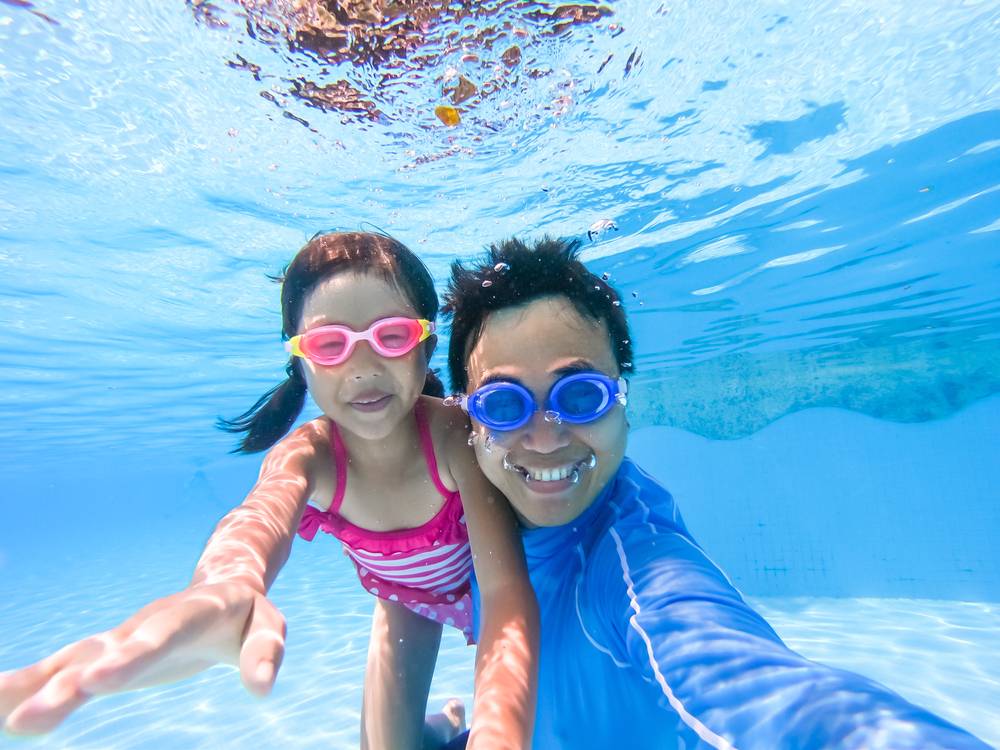
What To Expect From A Swim Coach Choosing the right swim coach can be a game-changer in your swimming journey, whether you’re just starting out or looking to refine your strokes. A swim coach does more than just teach you how to swim—they guide you through the process, helping you overcome challenges, improve your technique, and achieve your personal best. But what exactly should you expect from a swim coach? In this article, we’ll explore the various aspects of working with a swim coach, from their role in your development to the benefits of having one. We’ll also provide insights into what makes a great swim coach, ensuring that you know what to look for when selecting the right coach for you or your child. Understanding the Role of a Swim Coach A swim coach is more than just an instructor. They are mentors, motivators, and technicians who bring out the best in their swimmers. Whether you’re learning the basics or training for competitive swimming, a coach plays a crucial role in your progress. A swim coach assesses your current skill level, identifies areas for improvement, and designs a personalized training program tailored to your needs. This personalized approach is vital, as it ensures that you receive guidance that aligns with your goals, whether it’s mastering a new stroke, improving endurance, or preparing for a competition. Moreover, a swim coach offers valuable feedback on your technique, helping you correct mistakes that could hinder your performance or lead to injury. They focus on refining your form, improving your breathing technique, and enhancing your overall efficiency in the water. This detailed attention to technique is one of the key reasons why swimmers see significant improvement when working with a coach. The Importance of Technique and Skill Development One of the primary responsibilities of a swim coach is to ensure that you develop the correct swimming techniques. Whether you’re a beginner learning the basics or an advanced swimmer looking to shave seconds off your lap time, technique is everything in swimming. A good swim coach will teach you how to swim efficiently, which includes proper body alignment, stroke mechanics, and breathing techniques. These elements are crucial for maximizing your speed and endurance while minimizing the risk of injury. For example, a study published in the “Journal of Sports Sciences” highlights the importance of correct technique in reducing shoulder injuries, which are common among swimmers due to repetitive overhead movements. Furthermore, a swim coach will help you develop other essential swimming skills, such as starts, turns, and finishes, which are especially important in competitive swimming. These skills require precision and practice, and having a coach to guide you through them can make a significant difference in your performance. Building Confidence and Overcoming Challenges Swimming can be a mentally challenging sport, particularly for beginners or those who have a fear of water. A swim coach plays a vital role in building your confidence in the water. They provide encouragement, set achievable goals, and help you overcome any anxiety you may have about swimming. A great swim coach understands the mental aspects of swimming and will work with you to develop a positive mindset. This includes helping you manage pre-race nerves, stay focused during training, and maintain motivation throughout your swimming journey. The psychological support a coach provides is often as important as the physical training, especially when you’re facing tough challenges or setbacks. Creating a Structured and Goal-Oriented Training Plan Another key aspect of what to expect from a swim coach is the creation of a structured and goal-oriented training plan. This plan is tailored to your individual needs and goals, whether you’re aiming to improve your fitness, compete in a triathlon, or simply enjoy swimming as a recreational activity. The training plan developed by your coach will include specific drills, exercises, and workouts designed to improve your swimming skills and overall fitness. These plans are typically progressive, meaning they gradually increase in intensity and complexity as you improve. This structured approach ensures that you’re constantly challenging yourself and making steady progress. Moreover, a swim coach will regularly evaluate your progress and adjust your training plan as needed. This ongoing assessment and adaptation are critical to ensuring that you’re on track to meet your goals and that you’re not plateauing in your development. Communication and Feedback: The Hallmarks of a Great Coach Effective communication is a cornerstone of the coach-swimmer relationship. A good swim coach is clear and concise in their instructions, ensuring that you understand what’s expected of you during training. They also provide regular feedback on your performance, highlighting both your strengths and areas for improvement. Feedback from a coach is invaluable because it allows you to make the necessary adjustments to your technique and training. This feedback is often immediate and specific, which helps you correct mistakes in real-time. According to a study in the “International Journal of Sports Science & Coaching,” swimmers who receive consistent feedback from their coaches show significant improvements in performance compared to those who do not. Additionally, a swim coach should be approachable and open to communication. Whether you have questions about your technique, need advice on recovery, or want to discuss your goals, your coach should be someone you feel comfortable talking to. This open line of communication is essential for building trust and ensuring that you’re getting the most out of your coaching experience. Adapting to Different Learning Styles and Needs Every swimmer is unique, and a good coach understands that different swimmers have different learning styles and needs. Some swimmers may be visual learners who benefit from watching demonstrations, while others may prefer verbal instructions or hands-on guidance. A great swim coach will adapt their coaching style to suit your individual preferences and needs. This personalized approach ensures that you’re learning in the most effective way possible and that you’re comfortable and confident in your training environment. Moreover, if you have any specific needs or concerns—such as a previous injury, a fear of
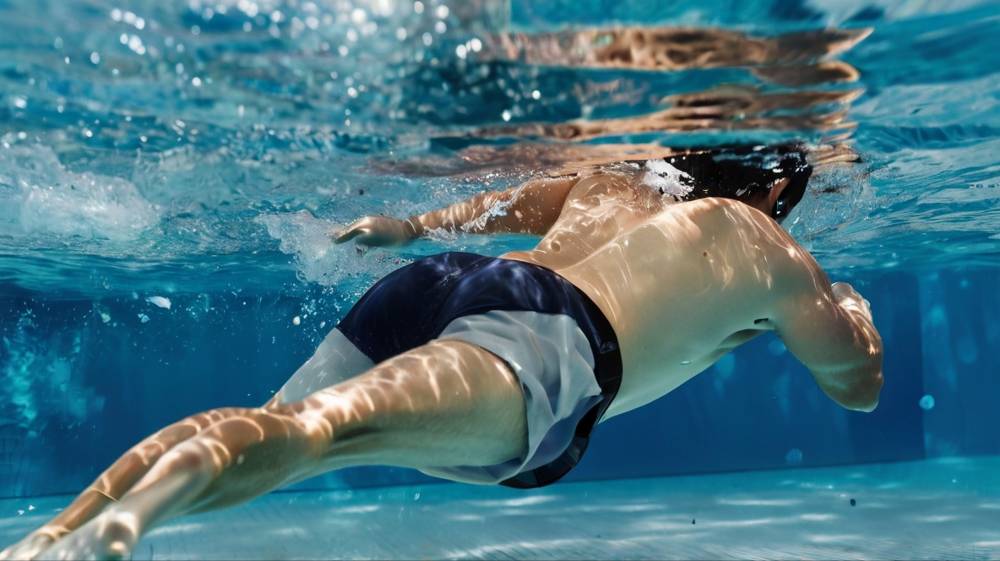
Do You Need A License To Teach Swimming In Singapore? Swimming is not only a valuable life skill but also a rewarding career option. If you’re passionate about swimming and want to turn your passion into a profession, you might be wondering: Do you need a license to teach swimming in Singapore? This question is vital for anyone considering a career as a swimming instructor, and understanding the legal and professional requirements is crucial. In this comprehensive guide, we will explore the licensing requirements for teaching swimming in Singapore, the necessary certifications, and the steps to becoming a recognized swimming instructor. We’ll also delve into the benefits of obtaining a license, how it enhances your credibility, and the opportunities it opens up in the competitive world of swimming education. The Importance of Licensing for Swimming Instructors Teaching swimming is a significant responsibility. As a swimming instructor, you’re not just teaching a sport; you’re imparting a life-saving skill. This makes it essential to have the proper qualifications and licenses to ensure that you are equipped to teach swimming safely and effectively. In Singapore, having a license to teach swimming is more than just a formality. It demonstrates that you have undergone the necessary training, possess the required skills, and are recognized by the relevant authorities. This not only builds trust with your students and their parents but also ensures that you are meeting the national standards for swimming instruction. Understanding the Licensing Requirements in Singapore So, do you need a license to teach swimming in Singapore? The short answer is yes. To teach swimming professionally, you must obtain a certification from a recognized institution. The most widely recognized certification in Singapore is provided by the National Registry of Coaches (NROC) and the Singapore Swimming Association (SSA). The NROC, established by Sport Singapore, is the body responsible for maintaining the standards of coaching across various sports, including swimming. The NROC ensures that coaches adhere to the best practices in coaching and continue their professional development through regular training and education. To become a certified swimming instructor under the NROC, you need to complete the Singapore Coach Excellence (SG-Coach) program, which is a nationally recognized coaching certification. The SG-Coach program is designed to ensure that all coaches, including swimming instructors, meet the standards required to coach effectively and safely. The SG-Coach Program: What It Involves The SG-Coach program is a comprehensive coaching education program that includes several levels of certification, from the fundamental level to the high-performance level. The program is structured to provide a clear pathway for coaches to progress from basic coaching to advanced coaching competencies. For aspiring swimming instructors, the SG-Coach Level 1 (Technical) is the entry-level certification. This program covers essential topics such as: Water safety and rescue techniques Basic swimming techniques and stroke correction Lesson planning and delivery Understanding child development in relation to swimming Communication skills and ethical coaching practices The Level 1 certification is a prerequisite for teaching swimming lessons to beginners and young swimmers. As you gain more experience and seek to advance your career, you can pursue higher levels of the SG-Coach program, which cover more advanced coaching techniques, competitive swimming training, and specialization in specific areas of swimming. The Role of the Singapore Swimming Association (SSA) In addition to the NROC certification, swimming instructors in Singapore can also seek certification from the Singapore Swimming Association (SSA). The SSA is the national governing body for swimming and other aquatic sports in Singapore. They offer a range of coaching courses and certifications, including the SwimSafer Instructor certification. The SwimSafer program is a national water safety program introduced by the National Water Safety Council (NWSC) and supported by the SSA. It aims to teach swimming proficiency and water survival skills to students of all ages. As a SwimSafer Instructor, you will be trained to deliver the SwimSafer program effectively, ensuring that your students learn vital water safety skills. To become a certified SwimSafer Instructor, you need to complete the SwimSafer Instructor course, which includes both theoretical and practical components. The course covers topics such as: Water survival skills and safety Stroke development and correction Teaching methodologies for different age groups Emergency response and first aid Certification as a SwimSafer Instructor is highly regarded in Singapore and is often a requirement for teaching swimming in schools, community centers, and private swimming academies. The Benefits of Being a Licensed Swimming Instructor Obtaining a license to teach swimming in Singapore comes with numerous benefits. Firstly, it enhances your credibility as a professional instructor. Parents and students are more likely to trust a licensed instructor who has been certified by recognized bodies such as the NROC and SSA. Secondly, a license opens up more opportunities for employment. Many schools, swimming academies, and sports centers require their instructors to be licensed. By holding a recognized certification, you increase your chances of securing a teaching position in these institutions. Moreover, being a licensed instructor means that you are equipped with the latest knowledge and techniques in swimming instruction. The SG-Coach program and SSA certifications emphasize continuous professional development, ensuring that you stay updated with the best practices in coaching. This not only improves your teaching effectiveness but also contributes to the overall development of your students. Navigating the Licensing Process: Steps to Become a Certified Instructor If you’re interested in becoming a licensed swimming instructor in Singapore, here’s a step-by-step guide to help you navigate the process: Research and Choose the Right Certification: Start by researching the different certification options available, such as the SG-Coach program and the SwimSafer Instructor certification. Consider your career goals and choose the certification that aligns with your aspirations. Enroll in a Certification Course: Once you’ve decided on the certification, enroll in the appropriate course. Ensure that the course is recognized by the NROC or SSA, as these are the main certifying bodies in Singapore. Complete the Required Training: Attend the training sessions, which may include both theoretical and practical components. Engage actively in the training
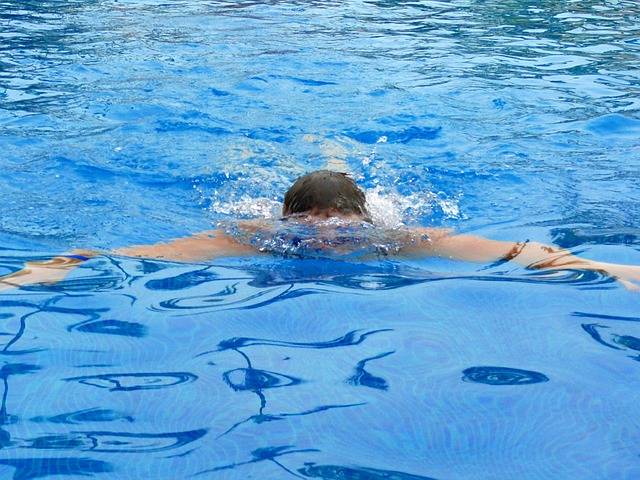
Best Age For Swimming Lessons Swimming is more than just a fun activity; it’s a life skill that offers numerous benefits, from safety to fitness. As a parent, one of the most important decisions you’ll make is determining the right time for your child to start swimming lessons. Whether you’re a first-time parent or a seasoned one, the question remains: What is the best age for swimming lessons? In this comprehensive guide, we’ll explore the optimal age to introduce your child to swimming, backed by research and expert opinions. We’ll also look into the developmental milestones that indicate readiness for swimming lessons, the benefits of starting early, and how swimming can positively impact your child’s growth. By the end of this article, you’ll have a clear understanding of when and how to begin your child’s aquatic journey. Understanding Developmental Readiness for Swimming Lessons Determining the best age to start swimming lessons involves more than just picking an age. It requires an understanding of your child’s developmental milestones and physical readiness. Swimming involves coordination, strength, and confidence in the water—skills that develop at different rates for each child. According to the American Academy of Pediatrics (AAP), children can safely start formal swimming lessons as early as age one. However, the decision should be based on the child’s emotional and physical development rather than age alone. At this stage, lessons are typically focused on water safety and helping children feel comfortable in the water rather than mastering swimming strokes. The Benefits of Starting Early Introducing your child to water at an early age can have a profound impact on their development. Early swimming lessons can help infants and toddlers develop motor skills, improve balance and coordination, and build muscle strength. Additionally, early exposure to water can reduce the risk of drowning, as children become more familiar with water safety practices. A study published in the journal “Pediatrics” found that children who participated in formal swimming lessons between the ages of 1 and 4 years were less likely to drown compared to those who did not. This finding underscores the importance of early swimming education in enhancing water safety. The Ideal Age Range for Swimming Lessons While infants can benefit from early water exposure, the ideal age for formal swimming lessons is typically between 3 and 5 years old. At this age, children have developed the cognitive and physical skills necessary to follow instructions, coordinate their movements, and understand the concept of swimming. Three to five-year-olds are at a prime age for learning basic swimming skills, such as floating, kicking, and using their arms to move through the water. They are also more likely to enjoy the experience, as they can better understand the fun and benefits of swimming. Swimming Lessons for Babies and Toddlers: What to Expect For parents eager to start their child’s swimming journey early, baby and toddler swimming classes offer a gentle introduction to the water. These classes are designed to help children feel comfortable in the water while teaching basic water safety skills. During baby and toddler classes, parents or caregivers are typically required to be in the water with the child. The focus is on playful activities that encourage water exploration, such as splashing, blowing bubbles, and floating with support. These activities help build a positive association with water, laying the foundation for more advanced swimming skills later on. The Role of Parental Involvement in Early Swimming Lessons Parental involvement is crucial in early swimming lessons, especially for infants and toddlers. Being in the water with your child provides a sense of security and comfort, helping them feel safe as they explore the water. Additionally, parents can reinforce water safety practices and help their child practice the skills learned during lessons. As your child grows older and gains more confidence in the water, parental involvement may decrease. However, it’s important to continue supporting your child’s swimming education by encouraging practice and reinforcing water safety rules at home. When Is the Right Time to Start Independent Swimming Lessons? As children approach the age of 5 or 6, they may be ready for independent swimming lessons. At this stage, children have typically developed the physical coordination and cognitive skills needed to learn more advanced swimming techniques, such as freestyle and backstroke. They are also better equipped to handle being in the water without a parent or caregiver by their side. Independent swimming lessons focus on building swimming skills, improving technique, and increasing stamina in the water. Children learn to swim longer distances, practice different strokes, and build the confidence needed to become strong, independent swimmers. The Importance of Consistency and Practice Consistency is key when it comes to swimming lessons. Regular practice helps reinforce the skills learned during lessons and allows children to build muscle memory, making swimming feel more natural over time. Whether your child is just starting or has been swimming for years, regular practice is essential for continued progress. Parents can support their child’s swimming journey by scheduling regular swim sessions outside of lessons. These practice sessions provide an opportunity for children to apply what they’ve learned in a relaxed, fun environment. Choosing the Right Swimming Program When it comes to swimming lessons, the quality of instruction matters just as much as the timing. It’s important to choose a swimming program that aligns with your child’s needs and developmental stage. Look for programs with certified instructors who have experience working with children at different age levels. Consider the class size, as smaller classes typically offer more individualized attention. Additionally, make sure the program emphasizes water safety and includes a mix of skill-building exercises and fun activities to keep children engaged. Swimming as a Lifelong Skill Swimming is a skill that lasts a lifetime. Starting lessons at the right age not only helps children become confident swimmers but also instills a love for the water that can lead to a lifetime of enjoyment. Whether your child pursues swimming competitively or enjoys it as a recreational activity,
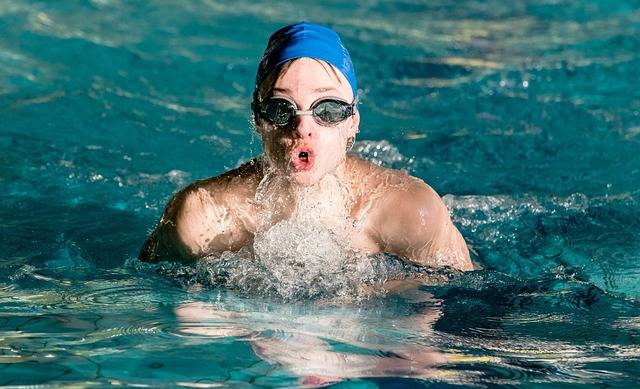
Where Was Swimming Originated? Swimming is an activity that has been cherished by humans for thousands of years. From the survival instincts of our ancestors to the competitive sport it is today, swimming has a rich and varied history. Understanding where swimming originated and how it has evolved offers a fascinating glimpse into the human connection with water. Ancient Beginnings: The Earliest Evidence of Swimming The earliest known evidence of swimming comes from prehistoric times. Cave paintings found in Egypt, specifically in the “Cave of Swimmers” located in the Gilf Kebir region, depict people swimming and date back to around 10,000 years ago. These ancient artworks provide a window into how early humans interacted with water for both survival and leisure. In addition to the Egyptian cave paintings, there are references to swimming in ancient texts. The Epic of Gilgamesh, an ancient Mesopotamian poem, mentions swimming as a part of the hero’s adventures. Similarly, Homer’s Iliad and Odyssey, written around the 8th century BCE, include descriptions of swimming. Swimming in Ancient Civilizations The civilizations of ancient Egypt, Greece, and Rome played a significant role in the development of swimming. In Egypt, swimming was a necessary skill, especially along the Nile River. The Greeks valued physical fitness and included swimming in their training regimens. Plato, the renowned Greek philosopher, even considered a person who could not swim as uneducated. The Romans, known for their engineering prowess, built elaborate bathhouses and public pools. These facilities, known as “thermae,” were used for socializing, relaxing, and exercising. The Romans introduced swimming competitions and organized events in these public baths, highlighting the cultural significance of swimming in their society. The Middle Ages: A Decline in Swimming Swimming saw a decline in popularity during the Middle Ages, particularly in Europe. This period, marked by the fall of the Roman Empire and the rise of feudalism, brought about significant changes in lifestyle and attitudes toward the human body. The spread of Christianity, with its emphasis on modesty, further discouraged swimming, especially in public places. Despite this decline, swimming continued to thrive in other parts of the world. In Japan, swimming was a skill taught to samurai warriors. The Middle Eastern and Asian cultures maintained their traditions of swimming, which later influenced European practices during the Renaissance. The Renaissance: A Revival of Swimming The Renaissance, a period of renewed interest in art, science, and the human body, sparked a revival in swimming. This era saw the publication of the first known book on swimming, “Der Schwimmer oder ein Zwiegespräch über die Schwimmkunst” (The Swimmer or a Dialogue on the Art of Swimming) by Nikolaus Wynmann in 1538. Wynmann’s work detailed various swimming techniques and emphasized the importance of swimming for health and safety. European interest in swimming grew, and it became a popular activity among the nobility and military. King James VI of Scotland, who later became James I of England, was known for his swimming skills and promoted the activity. The Renaissance laid the foundation for the formalization and popularization of swimming in Europe. The 18th and 19th Centuries: Competitive Swimming Emerges The 18th and 19th centuries were pivotal in the evolution of swimming as a competitive sport. Organized swimming competitions began to take shape in Europe, with the first known competition held in Japan in 36 BCE. In England, the National Swimming Society was established in 1837, marking the beginning of structured swimming events. By the mid-19th century, swimming clubs were formed, and competitions became more formalized. The introduction of new swimming techniques, such as the front crawl, revolutionized the sport. This technique, brought to England by two Native American swimmers in 1844, was initially met with resistance but eventually gained acceptance due to its efficiency and speed. Swimming in the Modern Olympic Games Swimming made its debut in the modern Olympic Games in 1896 in Athens. The inaugural events included the 100 meters and 1500 meters freestyle for men. The inclusion of swimming in the Olympics provided a global platform for the sport, significantly boosting its popularity. Women’s swimming was introduced in the 1912 Stockholm Olympics, reflecting the growing acceptance of female athletes in competitive sports. Over the years, the Olympics have expanded to include various swimming strokes, such as backstroke, breaststroke, and butterfly, each with its unique set of rules and techniques. The Evolution of Swimming Techniques The history of swimming is marked by the continuous evolution of techniques and strokes. The breaststroke, one of the oldest and most traditional strokes, was initially the most common form of swimming. The introduction of the front crawl in the 19th century, also known as freestyle, revolutionized competitive swimming with its speed and efficiency. The backstroke emerged as a competitive stroke in the early 20th century, allowing swimmers to breathe more easily while swimming. The butterfly stroke, developed from the breaststroke, became an official competitive stroke in 1953. Each stroke has its own unique history and development, contributing to the diversity of swimming as a sport. The Impact of Technology on Swimming Technological advancements have played a significant role in the progression of swimming. The development of more streamlined swimwear, such as full-body suits, has helped reduce drag and improve speed. Innovations in pool design, including wave-reducing lane dividers and adjustable starting blocks, have enhanced performance and safety. The use of underwater cameras and motion sensors has allowed for detailed analysis of swimmers’ techniques, enabling coaches and athletes to refine their skills. These technological innovations have contributed to the breaking of numerous world records and the overall improvement of competitive swimming. Case Study: Swimming in Singapore Singapore has made significant strides in the world of competitive swimming. The country’s investment in state-of-the-art facilities and training programs has produced world-class swimmers like Joseph Schooling, who won Singapore’s first Olympic gold medal in 2016. Schooling’s success has inspired a new generation of swimmers in Singapore, highlighting the impact of dedicated training and support. Singapore’s commitment to promoting swimming is evident through its numerous public swimming complexes and initiatives