Learn How To Backstroke Swimming With Better Technique

Learn How To Backstroke Swimming With Better Breathing, Body Position, And Technique For Smoother And More Relaxed Swimming.

Learn How To Backstroke Swimming With Better Technique
Adult Swimming Lessons Academy Singapore HydroSplash

Learn How To Backstroke Swimming

Backstroke swimming is often considered one of the most relaxing swimming strokes because swimmers can breathe naturally while floating on their backs. However, many beginners quickly realise backstroke can feel surprisingly awkward at first. Swimming while facing upward instead of forward requires balance, awareness, and confidence in the water.

Unlike freestyle or breaststroke, backstroke is performed entirely on the back. This changes the swimmer’s orientation completely and often makes beginners feel slightly uncomfortable initially. Some swimmers struggle with body alignment while others drift sideways across the pool like a shopping trolley with one faulty wheel.

The good news is that backstroke swimming becomes significantly easier once proper body positioning, rotation, and rhythm are developed.

At HydroSplash, backstroke swimming lessons are taught progressively so swimmers can build confidence and proper technique step by step. With structured coaching and consistent practice, backstroke becomes one of the smoothest and most enjoyable swimming styles to learn.

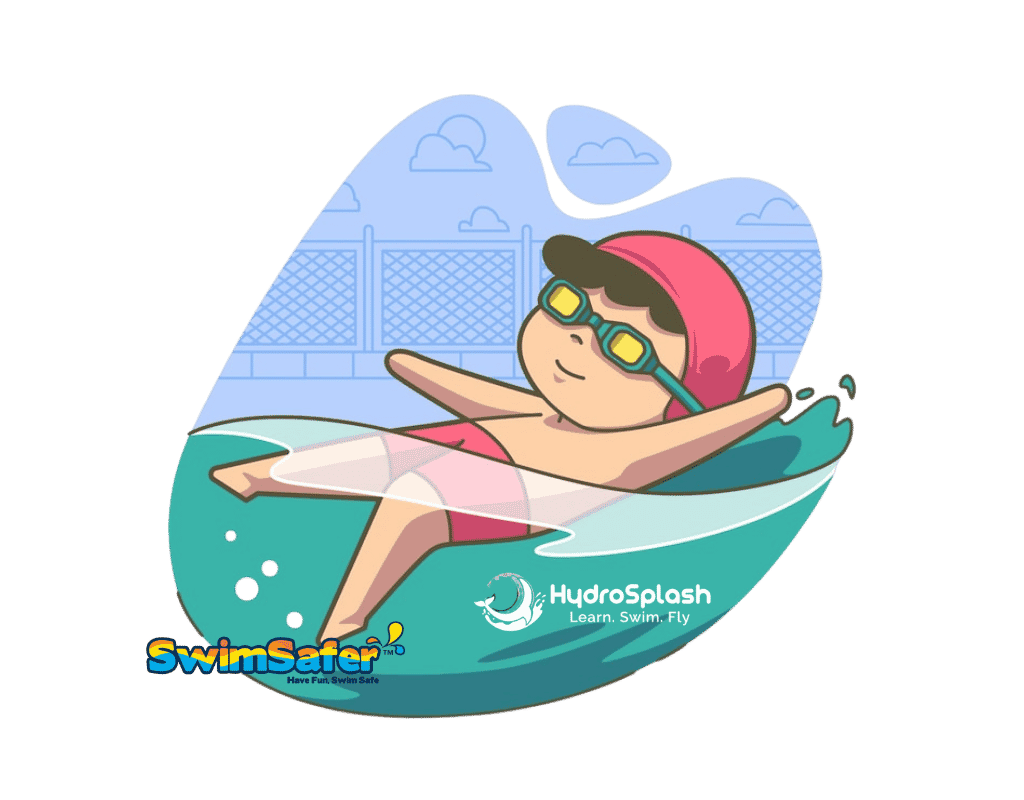
Backstroke, also known as back crawl, is the only competitive swimming stroke performed completely on the back.

Understanding Breaststroke Arm Movement
HydroSplash Swimming Academy Butterfly Swimming
Adult Swimming Lessons Academy Singapore HydroSplash

Why Backstroke Swimming Feels Different

Many swimmers initially find backstroke unusual because the body faces upward while moving backward through the water. Unlike freestyle, swimmers cannot easily see where they are going, which can feel uncomfortable during the early stages of learning.

Backstroke also depends heavily on body balance and rotation. Small positioning mistakes can immediately affect swimming direction and efficiency.

Some beginners accidentally tilt their heads too much or allow their hips to sink. Others rotate too aggressively and lose balance completely.

At HydroSplash, coaches help swimmers become comfortable floating and moving on their backs first before progressing into full backstroke coordination. Once confidence improves, swimmers often find backstroke much calmer and less stressful compared to other swimming strokes.

Adult Swimming Lessons Academy Singapore HydroSplash

The Correct Body Position For Backstroke Swimming

Body position is one of the most important parts of backstroke swimming. Efficient backstroke depends heavily on maintaining a long and streamlined posture near the water surface.

The head should remain relaxed and stable while the eyes face upward toward the ceiling or sky. Many beginners instinctively try lifting their heads forward to check their direction. Unfortunately, this causes the hips and legs to sink immediately.

The body should remain relatively flat with the hips close to the water surface. A stable body position helps swimmers move through the water more smoothly while reducing unnecessary resistance.

At HydroSplash Swimming Academy, coaches help swimmers understand how small posture corrections can dramatically improve balance and swimming efficiency.

Swimming references consistently emphasise streamlined body alignment as one of the key fundamentals of efficient backstroke swimming.

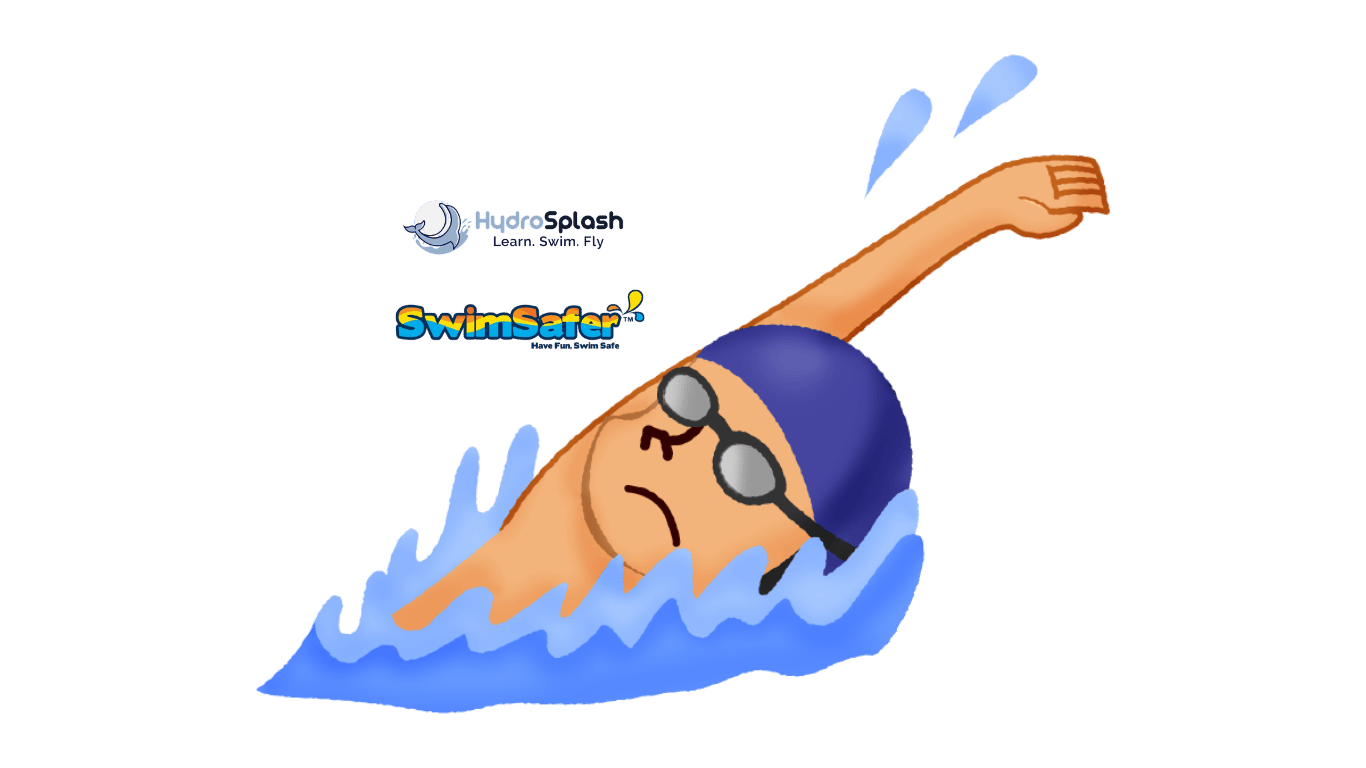
Understanding Backstroke Arm Movement

Backstroke arm movement involves alternating arm rotations while maintaining a steady rhythm in the water. Each arm moves continuously in a circular motion to generate propulsion.

The arm exits the water thumb-first before rotating outward and re-entering the water pinky-first. Many beginners struggle because they bend their arms excessively or cross over the middle of the body during entry.

Smooth arm recovery is important for maintaining rhythm and reducing unnecessary strain on the shoulders.

Backstroke swimming should not feel rushed or aggressive. Efficient swimmers focus more on controlled rotation and rhythm rather than overpowering the stroke.

At HydroSplash, coaches simplify arm movement drills progressively so swimmers can improve coordination without becoming overwhelmed.

Proper backstroke arm recovery and pinky-first water entry are commonly referenced as key technical fundamentals for efficient swimming.

Private Condo Swimming Lessons Comfortable And Familiar Learning Environment
Adult Swimming Lessons Academy Singapore HydroSplash
Why Body Rotation Is Important In Backstroke

Backstroke swimming depends heavily on controlled body rotation. The body rotates slightly from side to side with each arm stroke to improve reach, balance, and propulsion.

Without proper rotation, backstroke often feels stiff and tiring. Some beginners attempt to swim completely flat, which usually reduces efficiency and shortens the arm stroke.

The rotation should begin from the hips before transferring naturally through the shoulders. Timing is important because rotating too early or too late can disrupt body balance.

At HydroSplash Swimming Academy, coaches use progressive drills to help swimmers feel natural body rotation instead of forcing exaggerated movements.

Once swimmers understand rotation properly, backstroke starts feeling smoother and more stable in the water.

Adult Swimming Lessons Academy Singapore HydroSplash
How To Perform Backstroke Kicking Properly
Adult Swimming Lessons Academy Singapore HydroSplash
Swimming Techniques For Weight Loss Training
Perform Backstroke Kick

Backstroke uses a flutter kick similar to freestyle swimming. However, because swimmers are facing upward, many beginners struggle to maintain consistent kicking rhythm initially.

The kicks should remain small, relaxed, and continuous. Large kicks usually create more resistance and disrupt body balance.

Proper flutter kicks should originate from the hips rather than the knees. Some beginners accidentally perform bicycle-style kicks, which slows the swimmer down and increases fatigue.

At HydroSplash, coaches focus on helping swimmers develop relaxed and controlled kicks instead of aggressive movements. Efficient backstroke kicking should feel smooth and sustainable rather than exhausting.

Swimming technique references consistently recommend smaller controlled flutter kicks for maintaining speed and body balance in backstroke swimming.

How To Breathe During Breaststroke Swimming
How To Breathe During Backstroke Swimming

One of the advantages of backstroke swimming is that breathing feels more natural because the face remains above water most of the time.

However, proper breathing rhythm still matters. Some beginners hold their breath unconsciously or breathe irregularly while focusing too much on arm coordination.

Controlled breathing helps swimmers maintain rhythm and stay relaxed in the water. Many coaches recommend inhaling during one arm cycle and exhaling during the next to establish steady breathing patterns.

At HydroSplash, swimmers are taught how to coordinate breathing naturally with body rotation and stroke rhythm.

Consistent breathing rhythm is often recommended to improve relaxation and endurance during backstroke swimming.

Common Freestyle Swimming Mistakes
Common Butterfly Swimming Mistakes

One of the most common backstroke mistakes is lifting the head too much. This causes the hips and legs to sink, making swimming feel heavier and slower.

Another common issue is over-rotating the body. Excessive rotation disrupts balance and often causes swimmers to drift sideways across the lane.

Many beginners also kick too widely or bend their knees excessively during flutter kicks. This creates additional resistance and wastes energy quickly.

Slow or uneven arm timing is another frequent problem. Backstroke depends heavily on smooth rhythm and coordination between both arms.

At HydroSplash Private Swimming Lessons, coaches identify these technical mistakes early so swimmers can improve more efficiently while avoiding long-term bad habits.

Health And Lifestyle Benefits Of Adult Swimming Lessons
Why Backstroke Swimming Is Good For Fitness

Backstroke swimming provides an excellent low-impact full-body workout while remaining relatively comfortable for many swimmers.

Backstroke helps strengthen the shoulders, back, core, hips, and legs while improving cardiovascular endurance simultaneously. Many adults enjoy backstroke because the breathing feels less restrictive compared to freestyle or butterfly.

Some swimmers also find backstroke mentally calming because the upward-facing position feels more relaxed and less claustrophobic in the water.

According to swimming fitness references, backstroke swimming can improve endurance, posture, flexibility, and overall swimming coordination when practised consistently.

Structured Female Swimming Coaches Swimming Classes Swimming Programmes Improve Long-Term Progress
How HydroSplash Helps Swimmers Learn Backstroke

Learning backstroke swimming becomes significantly easier with proper coaching and structured progression. Many swimmers struggle because they attempt full backstroke coordination before becoming comfortable floating and balancing on their backs.

At HydroSplash, lessons are customised according to each swimmer’s confidence level, goals, and learning pace. Coaches focus on helping swimmers improve body alignment, rotation, kicking rhythm, breathing control, and overall confidence progressively.

HydroSplash provides adult swimming lessons, kids swimming lessons, ladies swimming lessons, group classes, private coaching, and SwimSafer preparation across both public and private pools in Singapore.

Whether swimmers are learning backstroke for fitness, confidence, or personal improvement, HydroSplash provides structured lessons designed to support long-term progress.

About HydroSplash Swimming Academy Is A Trusted Choice
Adult Swimming Lessons Academy Singapore HydroSplash
Consistency Is The Key To Better Backstroke Swimming

Many beginners expect backstroke swimming to feel natural immediately. In reality, backstroke depends heavily on coordination, balance, and rhythm, which usually take time to develop properly.

The first few sessions may feel awkward.
The rotation may feel confusing.
Swimming straight may seem impossible.

Then one day, everything starts connecting.

The body stays balanced.
The arms move smoothly.
The water suddenly feels calmer instead of chaotic.

That breakthrough moment is what makes backstroke swimming rewarding to learn.

Consistent practice combined with proper coaching usually leads to steady improvement and stronger confidence in the water over time.

Adult Swimming Lessons Academy Singapore HydroSplash

Conclusion

Learning backstroke swimming is an excellent way to improve swimming confidence, coordination, and overall fitness. While backstroke may initially feel unusual for beginners, proper coaching and progressive learning can simplify the process significantly.

From body positioning and flutter kicks to arm movement and breathing rhythm, every part of backstroke swimming improves gradually with proper guidance and consistent practice.

At HydroSplash, swimmers of all ages receive professional coaching designed to help them improve comfortably and confidently in the water. Whether you are completely new to backstroke swimming or trying to refine your technique further, HydroSplash provides supportive lessons tailored to your learning pace and goals.

If you are ready to improve your backstroke swimming skills and gain greater confidence in the water, explore HydroSplash’s professional swimming programmes today.

Adult Swimming Lessons Academy Singapore HydroSplash

Frequently Asked Questions

A: Yes. Many beginners find backstroke comfortable because breathing feels more natural while swimming on the back.

A: Poor body alignment, uneven arm strokes, or excessive rotation commonly cause swimmers to drift sideways during backstroke.

A: Backstroke can feel unusual initially because swimmers move backward while facing upward. With proper coaching and practice, most swimmers improve steadily.

A: Lifting the head too much or poor body positioning usually causes the hips and legs to sink during backstroke.

A: Yes. Backstroke swimming improves cardiovascular endurance while strengthening multiple muscle groups throughout the body.

Adult Swimming Lessons Academy Singapore HydroSplash

Moments from HydroSplash in Action