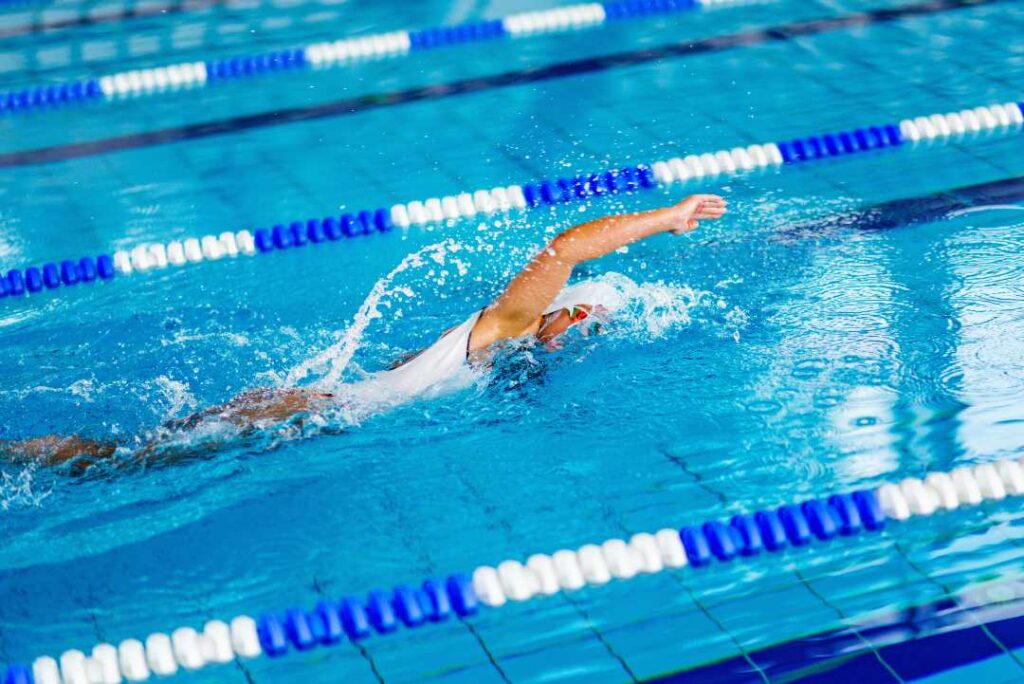
What Is The Chronological History Of Swimming?
Chronological History Of Swimming Swimming has always held a significant place in human culture, not just as a survival skill but also as a sport and a recreational activity. Tracing the chronological history of swimming unveils a captivating journey through time, reflecting the evolution of human society, culture, and physical prowess. Chronological History – The Ancient Beginnings of Swimming The history of swimming dates back to prehistoric times, evidenced by cave paintings that depict people swimming. These paintings, found in the “Cave of Swimmers” in the southwestern part of Egypt, are estimated to be around 10,000 years old. These early depictions highlight the integral role swimming played in the daily lives of ancient civilizations. Ancient civilizations such as the Egyptians, Greeks, and Romans were known for their swimming prowess. In Egypt, swimming was part of the education of young boys from wealthy families. The Greeks included swimming in their military training, considering it essential for soldiers. The Romans built elaborate bathhouses and public pools, indicating the importance of swimming in their culture. These pools, known as “natatio,” were used for relaxation and exercise, showing how swimming was both a leisurely and practical activity. Swimming in the Middle Ages During the Middle Ages, swimming saw a decline in Europe due to various socio-cultural factors. The fall of the Roman Empire and the rise of Christianity, which often viewed the body with suspicion and modesty, contributed to the reduction in swimming activities. However, swimming continued to be practiced in other parts of the world, including the Middle East and Asia. In Japan, swimming was taught in schools, and the art of swimming was considered a necessary skill for samurai warriors. The Renaissance Revival The Renaissance brought about a revival in swimming, particularly in Europe. This period, marked by a renewed interest in science, art, and the human body, saw swimming regain popularity. The publication of the first known book about swimming, “Der Schwimmer oder ein Zwiegespräch über die Schwimmkunst” (The Swimmer or a Dialogue on the Art of Swimming) by Nikolaus Wynmann in 1538, is a testament to this revival. Wynmann’s book provided detailed descriptions of various swimming techniques and was aimed at promoting swimming for health and safety. The 18th and 19th Centuries: The Birth of Competitive Swimming The 18th and 19th centuries marked significant progress in the history of swimming, particularly in the development of swimming as a competitive sport. In 1844, two Native American swimmers introduced the front crawl to Britain, which was initially met with skepticism due to its unconventional style compared to the popular breaststroke. In 1837, the first organized swimming competitions were held in London by the National Swimming Society, using the breaststroke. These early competitions laid the groundwork for the establishment of the first swimming clubs. The National Swimming Society’s efforts culminated in the founding of the Amateur Swimming Association (ASA) in 1869, which standardized competitive swimming rules and regulations. The Introduction of Swimming in the Olympics The inclusion of swimming in the modern Olympic Games significantly boosted its popularity. Swimming was first introduced in the 1896 Athens Olympics, with events held in open water. The swimming competitions featured men’s 100 meters and 1500 meters freestyle events. The Olympics provided a global platform for swimming, inspiring many to take up the sport. Women’s swimming made its debut in the 1912 Stockholm Olympics, reflecting the growing acceptance and recognition of female athletes. The introduction of various swimming strokes, including backstroke, breaststroke, and butterfly, further diversified the sport. The Evolution of Swimming Techniques The history of swimming is also marked by the evolution of various techniques and strokes. The breaststroke, one of the oldest swimming strokes, was initially the most popular and was the first stroke taught in early swimming lessons. The introduction of the front crawl, also known as freestyle, revolutionized competitive swimming due to its speed and efficiency. The backstroke, which allows swimmers to breathe more easily while swimming, was introduced in the early 20th century. The butterfly stroke, developed from the breaststroke, became an official stroke in competitive swimming in 1953. Each stroke has its unique technique and benefits, contributing to the diversity and richness of swimming as a sport. The Impact of Technology on Swimming Advancements in technology have significantly impacted the sport of swimming. The development of more efficient swimwear, such as the introduction of full-body swimsuits, has helped swimmers reduce drag and improve speed. The design of swimming pools has also evolved, with the introduction of wave-reducing lane dividers and starting blocks to enhance performance. The use of underwater cameras and motion sensors has allowed for detailed analysis of swimmers’ techniques, helping coaches and athletes refine their skills. These technological advancements have contributed to the breaking of numerous world records and the overall improvement of swimming performances. Case Study: Swimming in Singapore In recent years, Singapore has emerged as a prominent player in the world of competitive swimming. The success of swimmers like Joseph Schooling, who won Singapore’s first Olympic gold medal in 2016, has inspired a new generation of swimmers in the country. Schooling’s achievements highlight the impact of dedicated training programs and state-of-the-art facilities. Singapore’s commitment to promoting swimming is evident through various initiatives and infrastructure developments. The country boasts numerous public swimming complexes equipped with modern amenities, making swimming accessible to people of all ages and backgrounds. These efforts have not only boosted the popularity of swimming but have also contributed to the overall health and well-being of Singaporeans. The Role of Swimming in Modern Fitness Today, swimming is recognized as one of the best full-body workouts, offering numerous health benefits. It is an excellent cardiovascular exercise that improves heart health, builds muscle strength, and enhances flexibility. Swimming is also a low-impact activity, making it suitable for individuals with joint issues or those recovering from injuries. Swimming lessons have become a popular choice for parents looking to teach their children valuable life skills. Learning to swim not only ensures safety around water but also promotes confidence and