Does Swimming Require Coordination? Unlocking the Secrets to Fluid Motion in the Water
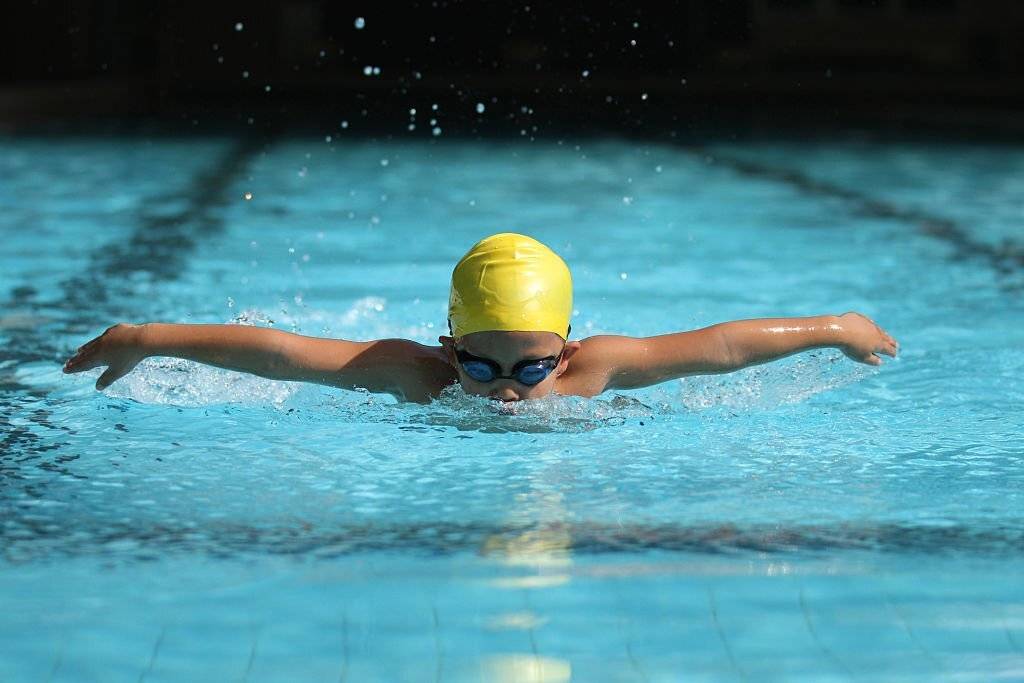
Does Swimming Require Coordination? Swimming is often celebrated for its cardiovascular benefits, low-impact nature, and full-body workout capabilities. However, one crucial aspect that often gets overlooked is the role of coordination in swimming. At HydroSplash Swimming Academy, we emphasize the importance of coordination for swimmers at all levels. In this comprehensive guide, we explore whether swimming requires coordination, why it is essential, and how you can develop this critical skill to enhance your performance and enjoyment in the water. The Essential Role of Coordination in Swimming Coordination in swimming is the harmonious integration of arm strokes, leg kicks, and breathing. It’s about creating a seamless flow that minimizes resistance and maximizes propulsion. This synchronization is not just for competitive swimmers; it is essential for anyone looking to swim efficiently and safely. Why Coordination is Crucial in Swimming Efficiency and Speed: Proper coordination allows swimmers to move through the water more efficiently. Each stroke and kick should contribute to forward momentum rather than creating drag. When arms, legs, and breathing are synchronized, swimmers can glide through the water with less effort, conserving energy and increasing speed. Endurance and Stamina: Swimming requires sustained effort, and proper coordination helps conserve energy, allowing swimmers to maintain their pace over longer distances. Misaligned movements waste energy, leading to quicker fatigue. Safety: Good coordination reduces the risk of injuries. Poorly timed or executed movements can lead to strains, particularly in the shoulders, knees, and back. Coordinated swimming ensures that the physical exertion is distributed evenly, reducing the strain on any single part of the body. Enjoyment and Confidence: Swimming with good coordination feels more natural and less laborious. It enhances the overall experience, making swimming more enjoyable. Swimmers who move efficiently through the water often feel more confident in their abilities. Breaking Down the Strokes: Coordination in Action Freestyle: A Symphony of Movements Freestyle, or front crawl, is one of the most common and efficient swimming strokes. It involves a continuous cycle of arm strokes, flutter kicks, and rhythmic breathing. Coordination in Freestyle: In freestyle, the arm movements are continuous, alternating between pulling and recovering. The legs perform a rapid flutter kick, and breathing is timed with the arm stroke. The key to effective freestyle coordination is the timing of the arm strokes with the kicks and body rotation. A well-coordinated freestyle stroke allows swimmers to maintain a streamlined position, reducing drag and conserving energy. Case Study: A study by the National University of Singapore highlighted the importance of coordinated freestyle strokes. Swimmers who practiced specific coordination drills, such as catch-up drills, showed significant improvements in speed and efficiency. These drills focus on the timing of arm strokes and leg kicks, ensuring that each movement contributes effectively to forward momentum. Butterfly: Power and Precision The butterfly stroke is known for its power and demanding nature. It involves simultaneous arm sweeps and dolphin kicks, creating a wave-like motion. Coordination in Butterfly: In butterfly, the arms move together in a powerful sweeping motion, while the legs perform a simultaneous dolphin kick. The key to effective butterfly coordination is synchronizing the arm recovery with the downbeat of the kick. This creates a wave-like motion that propels the body forward efficiently. The undulating body motion, driven by the core, supports the coordination of arms and legs. Case Study: Research by the Singapore Sports Institute examined the effects of synchronized butterfly drills on performance. Participants who practiced single-arm butterfly and body dolphin drills reported enhanced coordination and greater ease in maintaining the stroke’s rhythm. These drills help swimmers focus on the timing of their movements, ensuring a smooth and powerful stroke. Breaststroke: Timing and Precision Breaststroke is unique among the swimming strokes due to its symmetrical arm and leg movements. It requires precise timing to maintain a smooth and efficient stroke. Coordination in Breaststroke: In breaststroke, the arms move in a circular motion, pulling out and then sweeping in towards the chest, while the legs perform a whip kick. The key to effective breaststroke coordination is synchronizing the kick with the glide phase. Starting the whip kick as the arms finish the inward sweep allows the body to glide forward smoothly. Case Study: A study by the Singapore Sports Council found that swimmers who focused on coordinated breaststroke drills, such as pull-kick timing drills, showed significant improvements in stroke efficiency and speed. These drills emphasize the importance of timing and synchronization, helping swimmers maintain momentum and conserve energy. Backstroke: Smooth and Streamlined Backstroke, similar to freestyle, involves continuous flutter kicks and alternating arm movements, but performed on the back. Coordination in Backstroke: In backstroke, the arms move in an alternating circular motion while the legs perform continuous flutter kicks. The key to effective backstroke coordination is timing the kicks with the arm recovery and entry. Maintaining a horizontal body position with a strong core helps ensure smooth and efficient movements. Case Study: The Singapore Institute of Aquatic Sports highlighted the benefits of backstroke coordination drills, such as single-arm backstroke and kickboard drills. These drills help swimmers focus on the timing and synchronization of their movements, promoting a smooth and efficient stroke. Practical Tips for Improving Coordination in Swimming To fully benefit from the advantages of coordinated swimming, consider the following practical tips: Focus on Technique: Proper technique is the foundation of coordination. Practice and refine your stroke mechanics, paying attention to the timing and synchronization of movements. Incorporate Drills: Specific drills can enhance coordination. For example, catch-up drills in freestyle help improve the timing of arm strokes, while single-arm butterfly drills focus on the coordination of arm and leg movements. Use Visual and Sensory Cues: Visualizing the movement patterns and using sensory feedback can help improve coordination. Focus on how the water feels against your body and make adjustments to ensure smooth, efficient movements. Seek Professional Guidance: Working with a skilled coach can provide personalized feedback and targeted training to improve coordination. Coaches can identify areas for improvement and offer practical tips and drills to enhance your swimming technique. Practice