What Swimming Stroke is the Fastest? An In-Depth Exploration of Speed in the Water
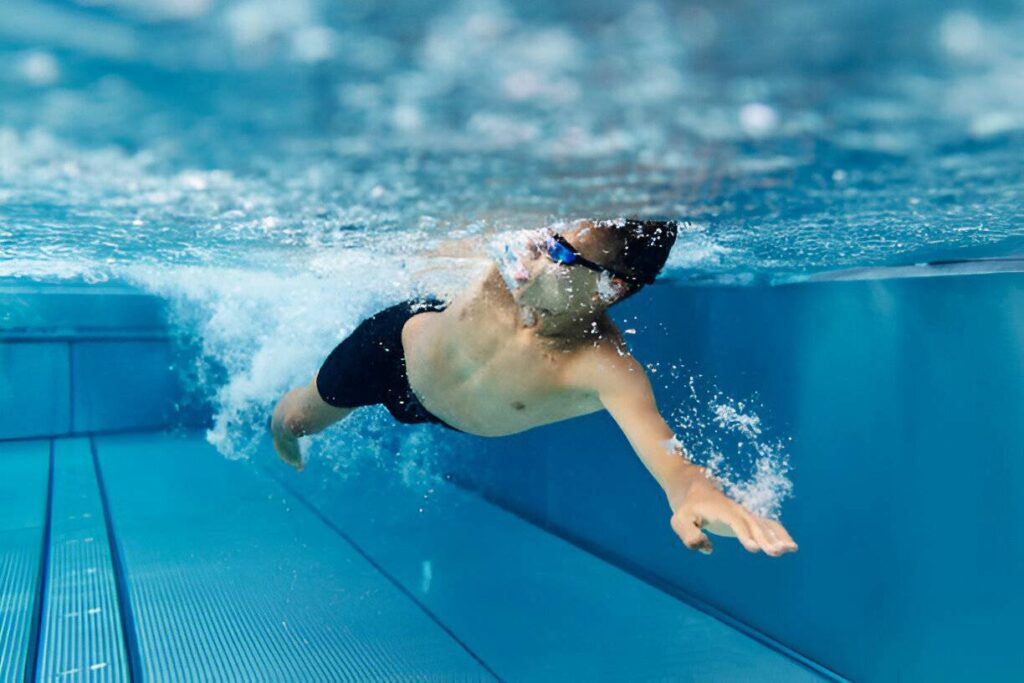
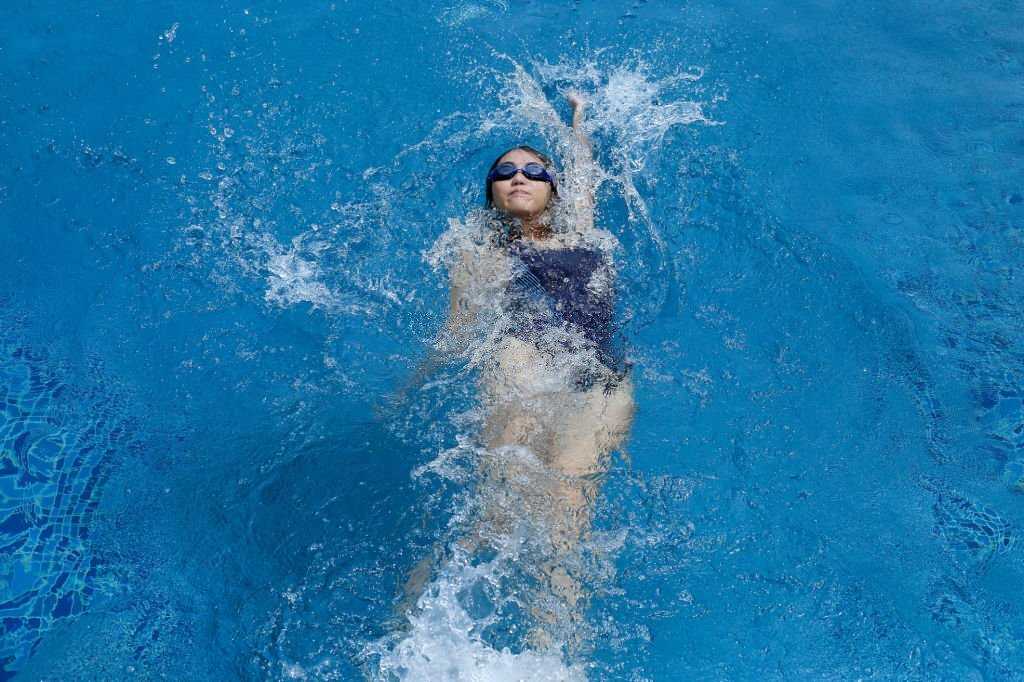
What Swimming Stroke is the Fastest? Swimming is a versatile and dynamic sport that offers numerous health benefits and an exhilarating sense of freedom in the water. For those seeking to maximize their speed, understanding which swimming stroke is the fastest is crucial. At HydroSplash Swimming Academy, we’re dedicated to helping you achieve your swimming goals through the most effective techniques. In this article, we’ll delve into the fastest swimming stroke, examining the mechanics, benefits, and real-life applications. Understanding the Basics of Swimming Stroke Before we dive into identifying the fastest swimming stroke, it’s essential to understand the basics of different swimming strokes. Each stroke has unique characteristics that affect speed, efficiency, and energy expenditure. The primary swimming strokes include the freestyle, backstroke, breaststroke, and butterfly. These strokes are the foundation of competitive swimming and offer varying benefits depending on your fitness and performance goals. The Freestyle Swimming Stroke: The King of Speed When it comes to sheer speed, the freestyle stroke, also known as the front crawl, reigns supreme. This stroke is characterized by its alternating arm movements and flutter kick, creating a continuous and powerful propulsion through the water. The streamlined position and minimal drag make freestyle the fastest swimming stroke. Competitive swimmers frequently use freestyle in sprint events due to its efficiency and speed. A study conducted by the Singapore Sports Institute highlighted that elite swimmers can reach speeds of up to 2.2 meters per second using the freestyle stroke. This speed is achieved through a combination of strong arm pulls, rapid kicks, and precise breathing techniques. The continuous motion of freestyle allows swimmers to maintain high speeds with less resistance, making it the preferred stroke for fast swimming. The Mechanics of the Freestyle Stroke The mechanics of the freestyle stroke are crucial to understanding why it’s the fastest. The stroke begins with a powerful arm pull, where the hand enters the water in front of the head, extends forward, and pulls back toward the hip. This motion, combined with a high elbow recovery, ensures maximum propulsion. The flutter kick, performed continuously, helps maintain body position and adds to the forward momentum. Breathing in freestyle is synchronized with the arm movements, typically every two or three strokes. This rhythmic breathing pattern helps maintain a streamlined position and reduces drag. The coordination of arm pulls, kicks, and breathing results in a highly efficient and fast swimming stroke. The Butterfly Stroke: A Close Contender The butterfly stroke is another fast swimming stroke, known for its power and intensity. Unlike freestyle, butterfly involves simultaneous arm movements and a dolphin kick, where both legs move together in a wave-like motion. This stroke requires significant upper body strength and excellent timing to achieve high speeds. According to research by the National University of Singapore, the butterfly stroke can reach speeds close to those of freestyle, with elite swimmers achieving speeds of up to 2.0 meters per second. The explosive power generated by the simultaneous arm pulls and strong kicks contributes to the butterfly’s speed. However, the higher energy expenditure and more complex technique make it slightly less efficient than freestyle for sustained high-speed swimming. The Mechanics of the Butterfly Stroke The butterfly stroke’s mechanics involve a coordinated effort of the upper and lower body. The stroke begins with both arms moving simultaneously in an overhead arc, entering the water at shoulder width, and pulling back through the water to the hips. This powerful arm motion, combined with the undulating dolphin kick, propels the swimmer forward. Breathing in the butterfly stroke is typically done every two strokes, with the swimmer lifting the head forward during the arm recovery phase. The timing of the breath is crucial to maintaining the stroke’s rhythm and speed. The butterfly’s power and complexity make it an impressive but demanding stroke for swimmers aiming for speed. The Backstroke: Speed with Comfort The backstroke is unique in that it is the only stroke performed on the back, providing a different set of advantages and challenges. This stroke involves alternating arm movements and a flutter kick, similar to freestyle, but with the swimmer facing upward. The backstroke is generally slower than freestyle and butterfly, but it offers a comfortable breathing pattern and excellent visibility. Elite backstroke swimmers can reach speeds of up to 1.8 meters per second, as indicated by studies from the Singapore Sports Institute. The streamlined position and continuous propulsion make backstroke a fast and efficient stroke, particularly for longer distances where sustained speed and comfort are essential. The Mechanics of the Backstroke The mechanics of the backstroke involve alternating arm movements, with each arm entering the water above the head and pulling back toward the hip. The flutter kick, performed continuously, helps maintain body position and adds to the forward momentum. The swimmer’s face remains above the water, allowing for continuous breathing and better orientation. The backstroke’s rhythmic arm movements and flutter kick create a smooth and efficient stroke, making it ideal for swimmers looking for a balance between speed and comfort. The backstroke’s streamlined position and continuous propulsion make it a competitive stroke in both sprint and distance events. The Breaststroke: The Most Efficient Stroke The breaststroke is often considered the most efficient swimming stroke, though it is generally slower than freestyle, butterfly, and backstroke. This stroke involves simultaneous arm movements and a frog-like kick, providing a balanced and rhythmic motion. The breaststroke is highly effective for building endurance and improving cardiovascular health, making it a valuable addition to any swimming routine. According to research from the National University of Singapore, elite swimmers can reach speeds of up to 1.6 meters per second using the breaststroke. While it may not be the fastest stroke, its efficiency and rhythmic nature make it a favorite among swimmers for long-distance events and recreational swimming. The Mechanics of the Breaststroke The breaststroke’s mechanics involve a coordinated effort of the arms and legs. The stroke begins with both arms moving simultaneously in a sweeping motion, pulling the water back toward the