What Does My Toddler Need For Swimming Lessons?
Parents preparing for their child’s first swimming lesson often ask a very practical question: what does my toddler need for swimming lessons? The good news is that toddlers do not need complicated equipment or advanced gear. What matters most is comfort, safety, and readiness.
Toddler swimming lessons are designed to be gentle, supportive, and age-appropriate. The right preparation helps toddlers feel relaxed in the pool and allows instructors to focus on building water confidence rather than managing discomfort. When parents understand what is truly necessary, swimming lessons become smoother and more enjoyable for everyone involved.
Appropriate Swimwear For Toddlers
Comfortable swimwear is one of the most important items your toddler needs for swimming lessons. Toddlers should wear well-fitted swimwear that allows free movement without slipping or feeling restrictive.
For toddlers who are not yet fully toilet trained, a proper swim diaper is essential. Swim diapers are designed to contain accidents without absorbing water, keeping the pool hygienic and comfortable. Disposable or reusable options are both acceptable as long as they fit securely.
Choosing comfortable swimwear helps toddlers move naturally in water, which supports confidence and learning during lessons.
A Warm Towel And Dry Clothes
After swimming, toddlers cool down quickly. A soft, absorbent towel helps keep them warm and comfortable once they leave the pool. Many parents prefer hooded towels because they dry hair quickly and reduce heat loss.
Dry clothes should be simple and easy to put on, as toddlers may feel tired or sleepy after lessons. Keeping post-swim transitions calm helps toddlers associate swimming with positive feelings rather than stress.
These small details make a big difference in a toddler’s overall swimming experience.

Goggles Are Optional, Not Essential
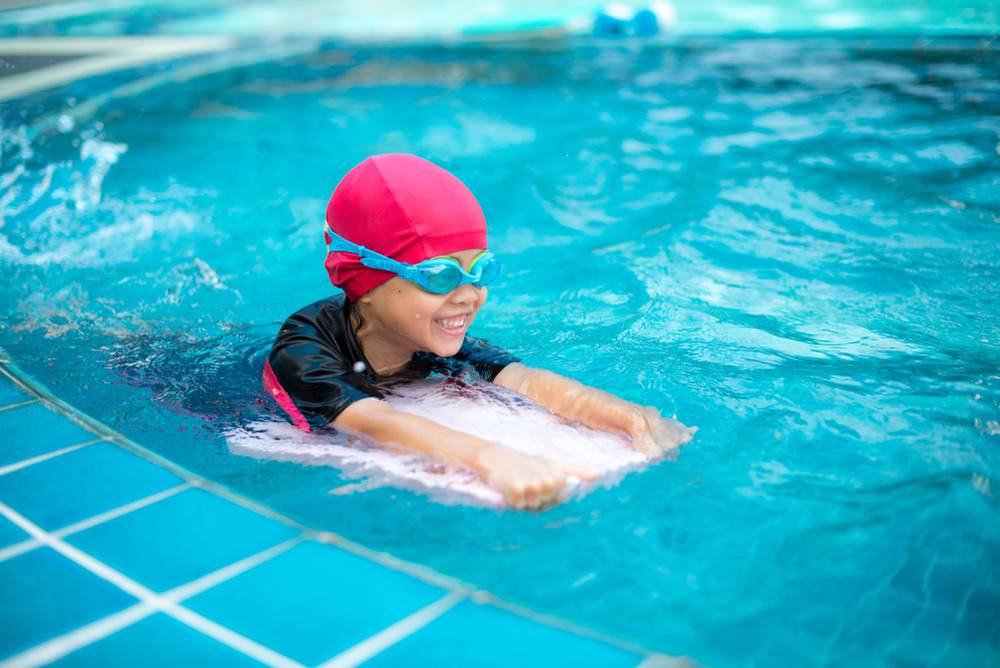
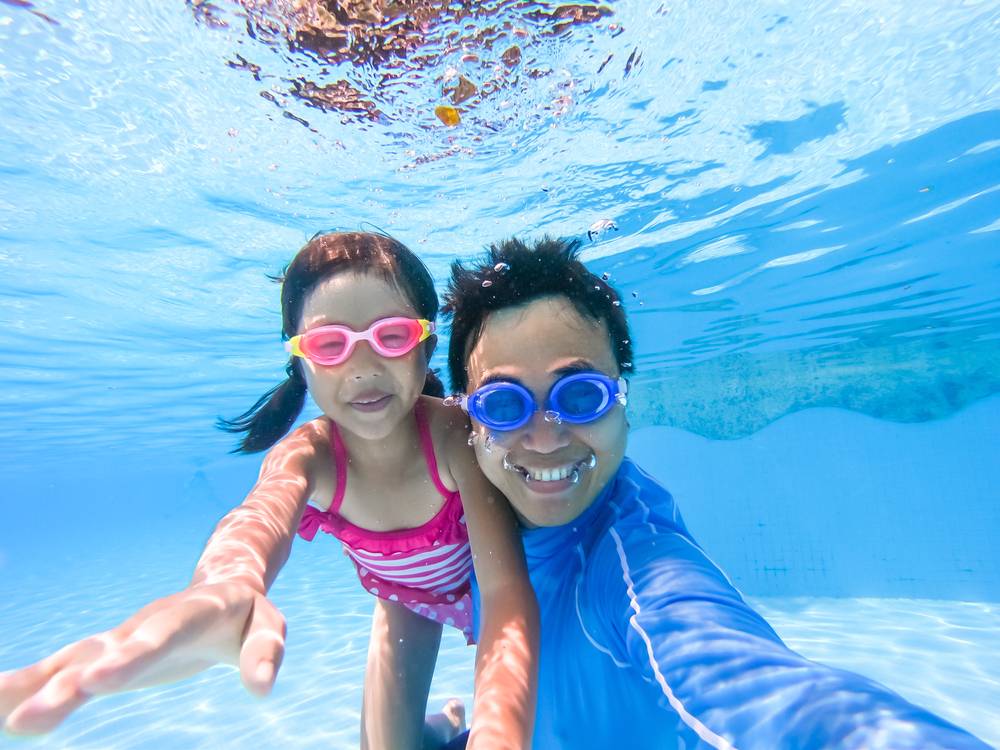
Parents often wonder if toddlers need goggles for swimming lessons. In most toddler swimming classes, goggles are optional rather than required. At this stage, lessons focus on water familiarity and comfort rather than underwater swimming or extended face submersion.
Some toddlers enjoy goggles, while others find them distracting or uncomfortable. It is perfectly acceptable to let instructors guide this decision based on your child’s comfort. Many toddlers adapt naturally to water on their face over time without goggles.
The priority is helping toddlers feel relaxed rather than forcing equipment they may resist.
Personal Comfort Items For Emotional Security
Emotional comfort is just as important as physical preparation. Some toddlers benefit from bringing a familiar item, such as a small towel or comfort object, to the pool area before and after lessons.
While toys are usually not brought into the pool, familiar routines and reassurance from parents help toddlers feel secure. A calm and encouraging presence allows toddlers to explore water confidently without anxiety.
According to Sport Singapore, early childhood sports experiences are most effective when children feel emotionally safe and supported. This principle applies strongly to toddler swimming lessons.
Proper Nutrition And Timing Before Lessons
Toddlers should not attend swimming lessons on a full stomach, but they should not be hungry either. A light snack about one hour before lessons helps maintain energy without causing discomfort.
Hydration is also important. Toddlers may not realise they are thirsty after swimming, so offering water after lessons supports recovery and comfort.
Good timing ensures toddlers remain alert, calm, and receptive during lessons.
Parental Readiness And Participation
One of the most important things a toddler needs for swimming lessons is a calm and prepared parent. Toddlers are highly sensitive to parental emotions. When parents appear relaxed and positive, toddlers are more likely to feel safe and confident.
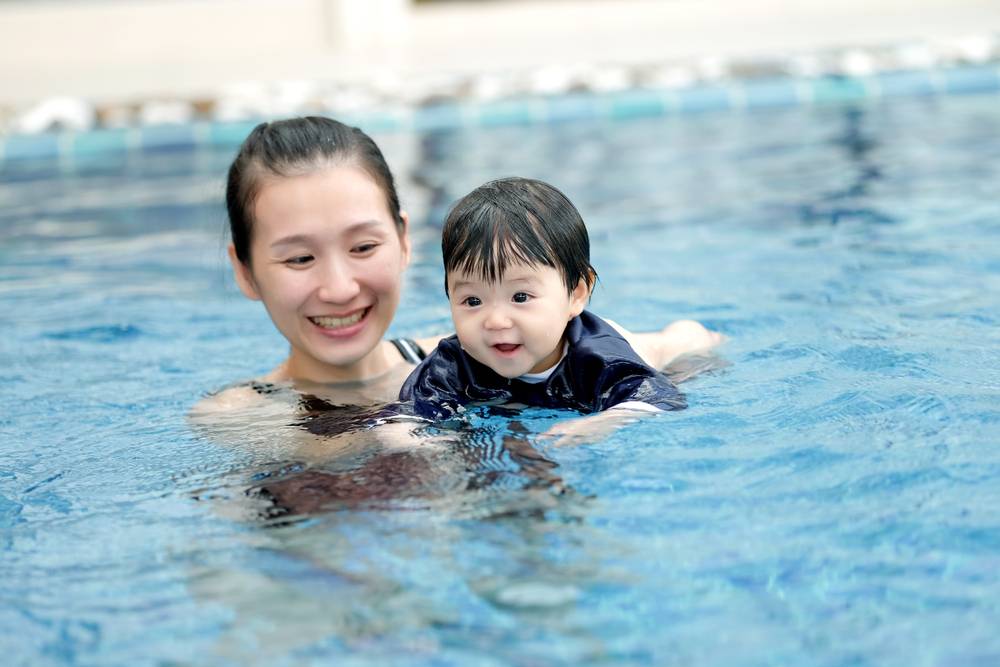
Some toddler swimming classes involve parent participation in the water, while others are instructor-led. In both cases, parental encouragement and trust in the instructor play a key role in a toddler’s learning experience.
Clear communication with instructors helps align expectations and ensures lessons progress at a pace suitable for the child.
Understanding What Toddlers Are Learning
Parents sometimes worry about whether their toddler is learning enough. It is important to understand that toddler swimming lessons are not about swimming independently. They focus on water confidence, body awareness, and positive exposure.
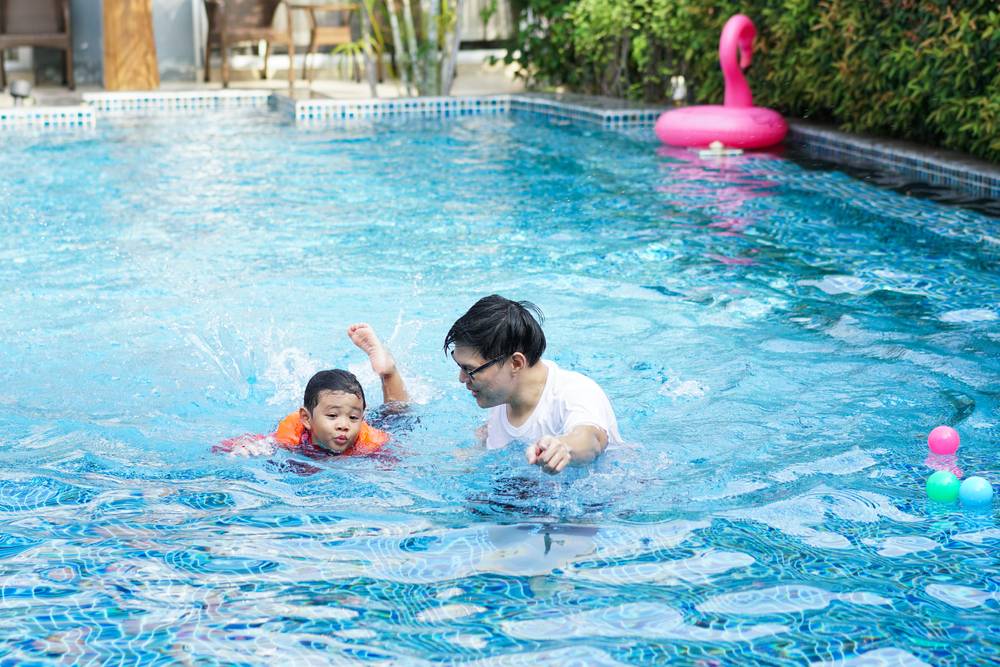
Toddlers learn to enter and exit water calmly, kick instinctively, float with support, and remain relaxed in the pool environment. These skills form the foundation for future learning.
Formal competency programs such as SwimSafer are designed for older children. Toddler lessons prepare children emotionally and physically for these later stages.
Skin And Hair Care After Swimming
Toddlers have sensitive skin and fine hair, so post-swim care is important. Rinsing with clean water after lessons removes chlorine residue. Using gentle, toddler-safe soap and moisturiser helps prevent dryness or irritation.
Research shared by Harvard Health explains that chlorine can dry out skin and hair, especially in young children. Simple rinsing and moisturising routines effectively protect toddlers after swimming sessions.
This care routine helps toddlers remain comfortable and reduces resistance to future lessons.
Consistency Matters More Than Equipment
Parents sometimes focus heavily on equipment, but consistency is far more important. Regular weekly lessons help toddlers retain familiarity with water and instructors. Long gaps between lessons may cause toddlers to feel hesitant or forgetful.
Consistency builds routine, which toddlers thrive on. Over time, swimming becomes a familiar and enjoyable part of their schedule rather than an unfamiliar event.
Parents exploring structured kids swimming lessons often find that simple preparation combined with regular attendance leads to the best outcomes.
Common Mistakes Parents Should Avoid
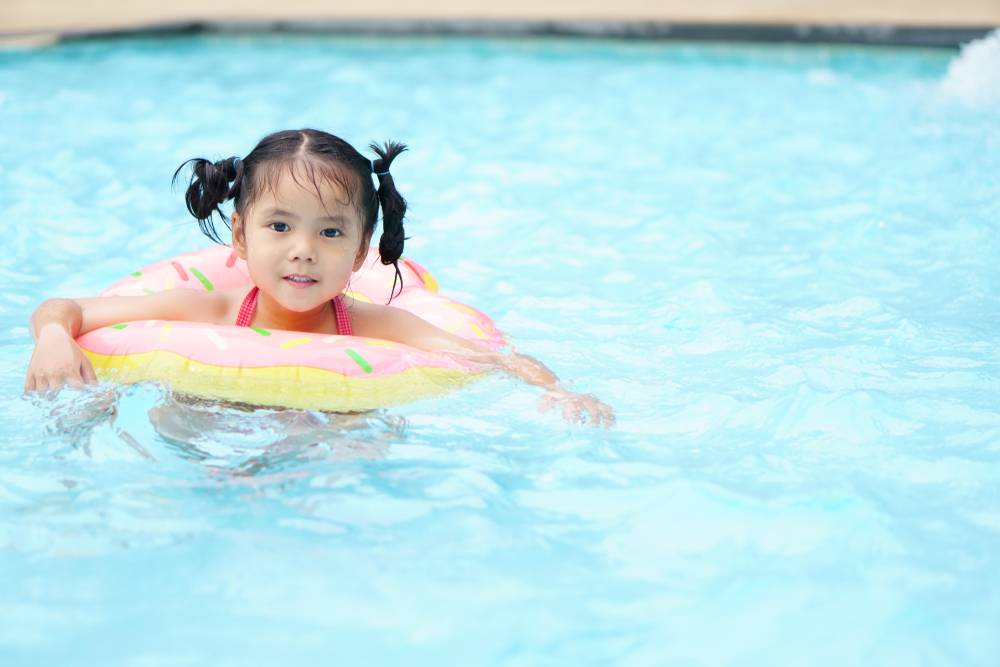
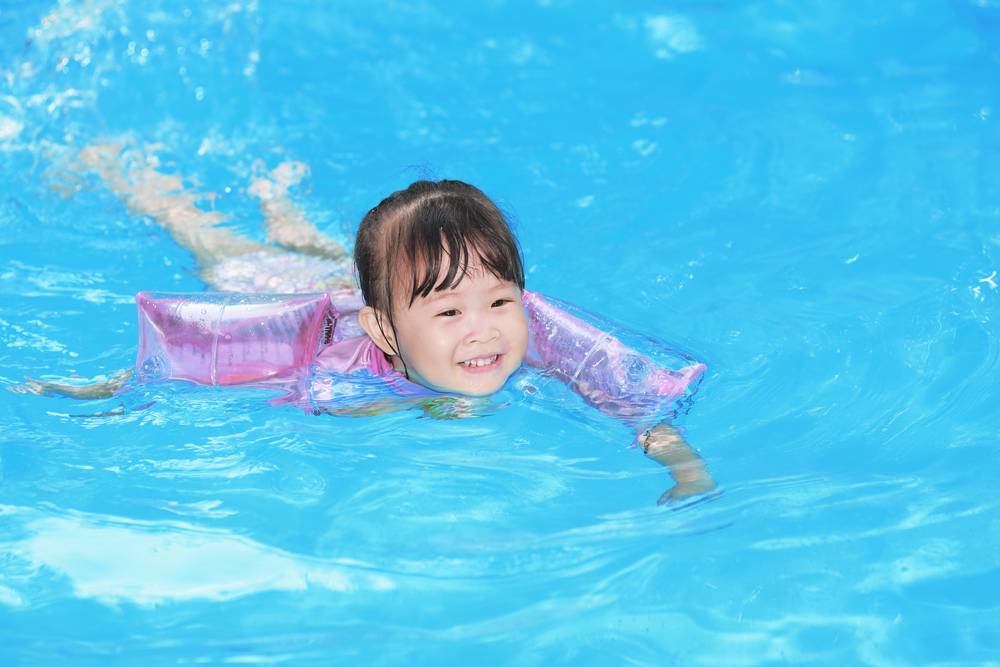
One common mistake is bringing unnecessary equipment. Floatation devices, arm bands, or complex gear are usually not required for toddler lessons and may interfere with natural movement.
Another mistake is placing pressure on performance. Comparing toddlers to others or expecting rapid progress can create stress. Toddlers learn best when they feel supported rather than judged.
Focusing on comfort, encouragement, and patience allows toddlers to progress naturally.
Conclusion
So, what does my toddler need for swimming lessons? The essentials are simple: comfortable swimwear, a swim diaper if needed, a towel, supportive parents, and realistic expectations. Beyond equipment, toddlers need patience, encouragement, and a calm environment to thrive in water.
When swimming lessons are approached with the right preparation and mindset, toddlers build water confidence, emotional security, and readiness for future learning. With consistency and age-appropriate guidance, swimming becomes a positive part of early childhood development.
If you are preparing your toddler for lessons, explore HydroSplash’s kids swimming lessons to support your child’s swimming journey with confidence, safety, and care.
FAQ
Q: Does my toddler need goggles for swimming lessons?
A: Goggles are optional. Many toddlers learn comfortably without them during early lessons.
Q: What should my toddler eat before swimming lessons?
A: A light snack about one hour before lessons is ideal to maintain energy without discomfort.
Q: Do parents need to be in the pool with toddlers?
A: Some classes involve parent participation, while others are instructor-led. This depends on the program structure.
Q: How often should toddlers attend swimming lessons?
A: Weekly lessons are ideal for building familiarity and steady confidence.
Click on the link to find out more about HydroSplash Swimming. Chat with our representatives today!
Home
About HydroSplash Swimming
Adult Swimming Lesson
Private Swimming Lesson
Kids Swimming Lesson
Whatsapp Us