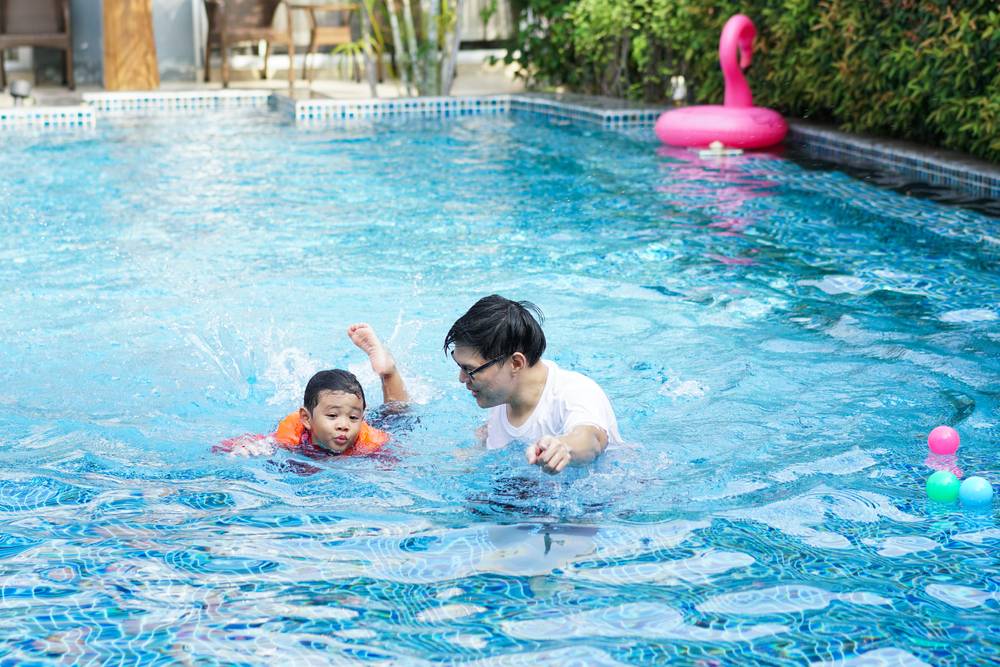
Toddler Swimming Class For Confidence And Safety
A toddler swimming class is not about teaching young children to swim independently. It is about building water confidence, safety awareness, and positive experiences that shape how a child feels about water for years to come. For many parents, enrolling their child in a toddler swimming class is one of the first structured activities they choose, and for good reason. Swimming supports physical, emotional, and cognitive development during one of the most important stages of early childhood.
At the toddler stage, learning happens through exploration, repetition, and trust. A well-designed toddler swimming class respects how toddlers learn, move, and respond emotionally. When lessons are gentle, consistent, and encouraging, toddlers develop comfort in water without fear or pressure.
What A Toddler Swimming Class Really Teaches
Many parents assume a toddler swimming class focuses on strokes or swimming laps. In reality, toddler swimming classes focus on water familiarity and foundational skills. Toddlers learn how water feels, how to move their bodies in it, and how to stay calm and relaxed when supported.
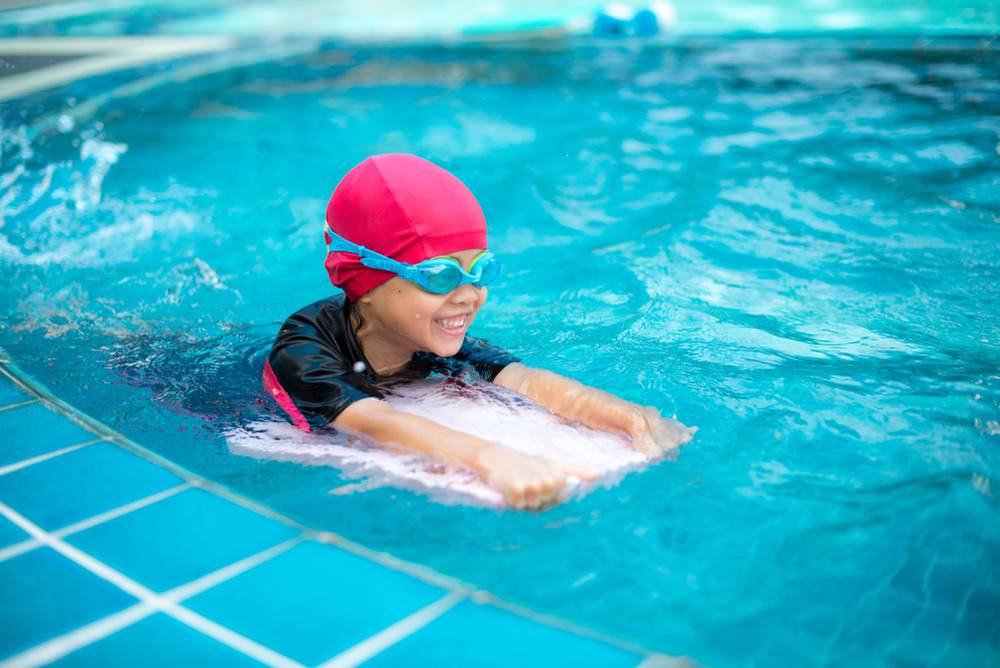
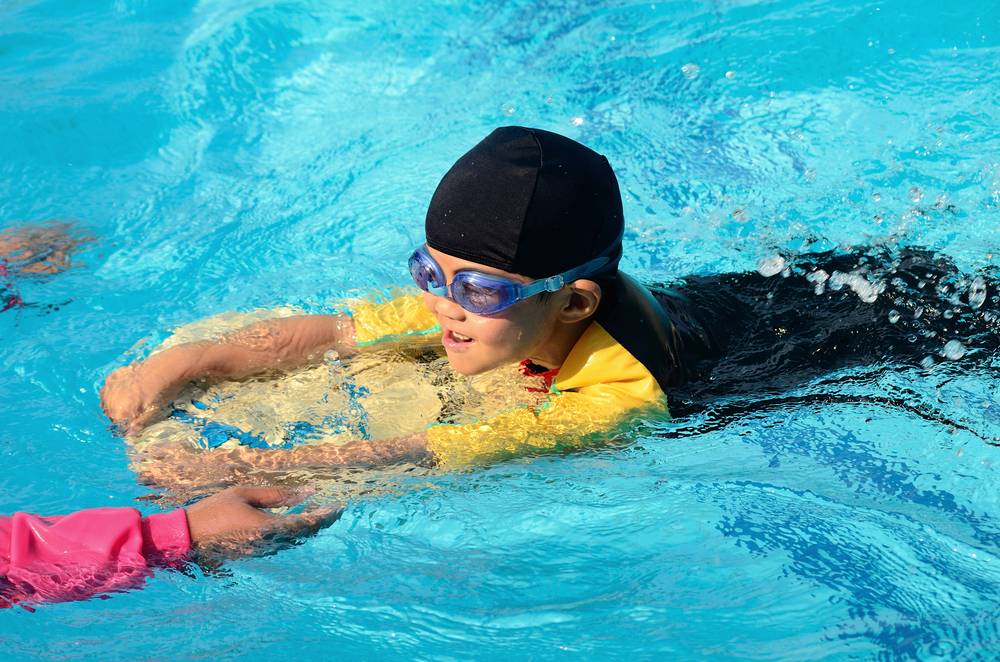
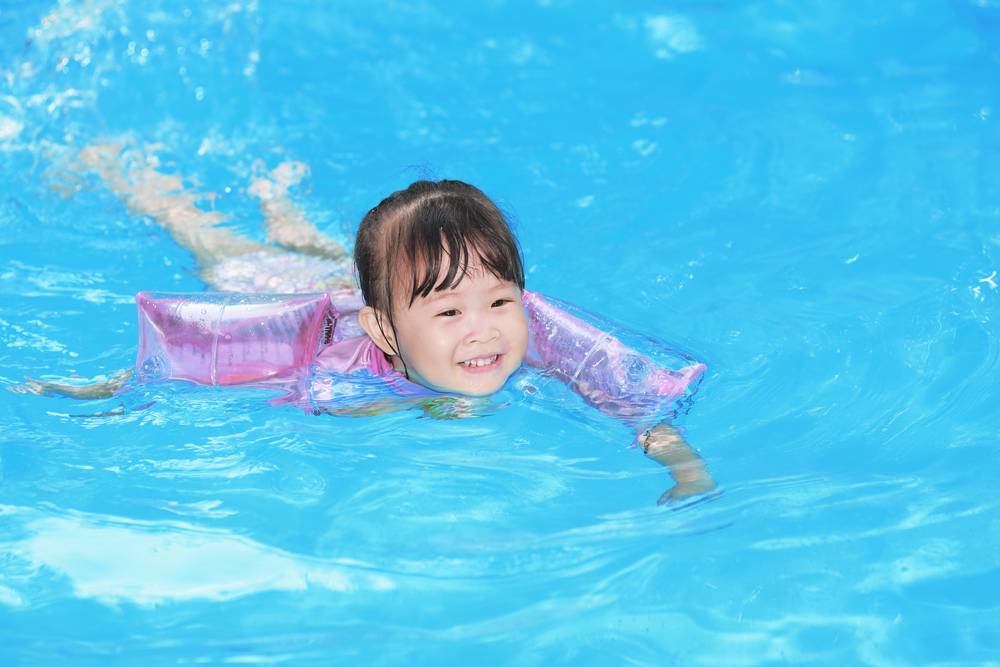
Typical skills introduced include entering the pool safely with assistance, kicking legs instinctively, splashing comfortably, floating with support, and becoming familiar with water on the face. These skills may seem simple, but they are critical building blocks for future swimming ability and safety awareness.
Structured toddler swimming classes also introduce routines. Toddlers begin to recognise lesson flow, instructor cues, and safe behaviour around pools. This routine builds confidence and reduces anxiety, making each session more enjoyable than the last.
Why Toddlers Benefit From Early Swimming Exposure
Toddlers are at a stage where curiosity and movement drive learning. Water provides a unique environment that supports this natural exploration. In a toddler swimming class, water resistance gently strengthens muscles while reducing stress on joints. This supports balance, coordination, and gross motor development.
Swimming also supports sensory development. The feeling of water on the skin, changes in temperature, and buoyancy stimulate the nervous system in positive ways. These experiences help toddlers develop body awareness and adaptability.
According to Sport Singapore, early participation in age-appropriate physical activities helps children develop physical literacy and confidence. Toddler swimming classes align perfectly with this principle when they are introduced gradually and safely.

Emotional Confidence And Trust Building
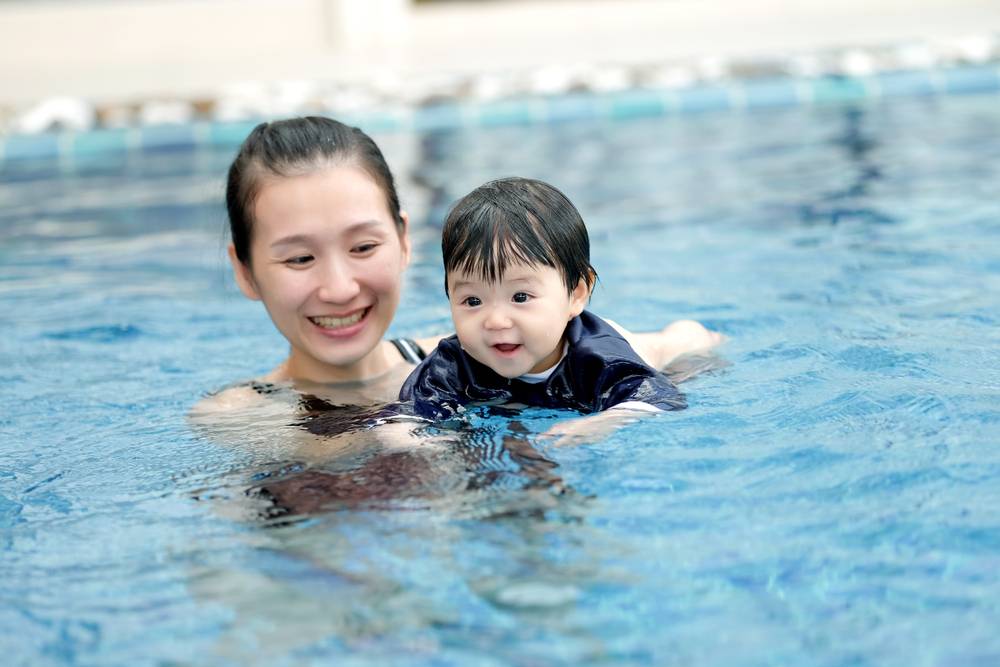
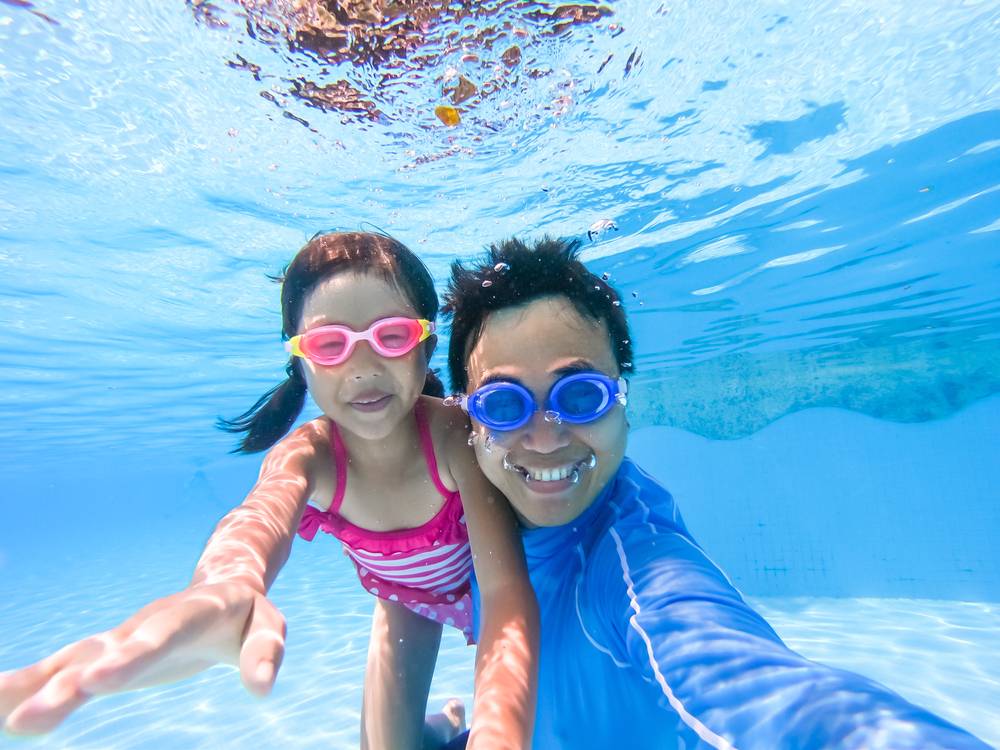
One of the most important outcomes of a toddler swimming class is emotional confidence. Toddlers often enter the pool with a parent or trusted instructor, creating a secure and reassuring environment. This shared experience builds trust and strengthens emotional bonds.
As toddlers become more comfortable, they learn that water is not something to fear. This confidence often carries over into other areas of life, such as trying new activities or interacting with unfamiliar environments.
Swimming lessons that emphasise encouragement rather than pressure help toddlers associate learning with positivity. This emotional foundation makes future lessons smoother and more effective.
How A Toddler Swimming Class Is Structured
A quality toddler swimming class follows a clear but flexible structure. Lessons are short, engaging, and paced according to toddlers’ attention spans. Activities are often repeated to reinforce familiarity and comfort.
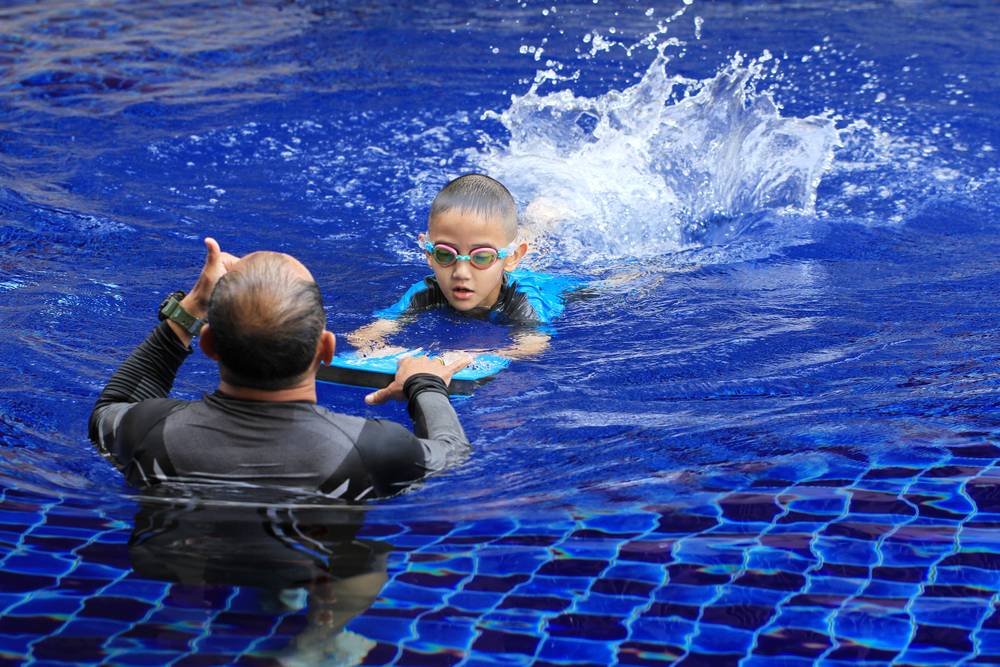
Sessions typically begin with gentle warm-up movements, followed by simple water activities such as kicking, floating, or guided movement. Instructors closely observe each toddler’s reactions and adjust accordingly. If a toddler needs more reassurance, lessons slow down. If a toddler is eager, activities may progress slightly faster.
This responsive approach ensures that toddlers feel supported rather than overwhelmed. Consistency over time allows toddlers to build confidence naturally.
Group Versus Private Toddler Swimming Classes
Parents often choose between group toddler swimming classes and private lessons. Group classes allow toddlers to observe and interact with other children, which can be motivating and socially beneficial. Seeing peers enjoy the water often encourages hesitant toddlers to participate.
Private toddler swimming classes offer personalised attention and are ideal for children who are shy, sensitive, or require a slower pace. Private lessons also allow greater flexibility in scheduling and location, such as learning at a condominium pool.
HydroSplash provides flexible kids swimming lessons that cater to both group and private learning preferences, ensuring each toddler receives age-appropriate guidance.
How Long Does It Take For Toddlers To Progress?
Progress in a toddler swimming class should never be rushed. Most toddlers begin to show increased comfort within the first two to three months of consistent weekly lessons. This may include reduced clinginess, improved kicking, and a more relaxed posture in water.
By three to six months, many toddlers are happy entering the pool, floating with minimal support, and engaging positively with instructors. Independent swimming is not the goal at this age. Progress is measured by comfort, enjoyment, and confidence.
Research referenced by Harvard Health highlights that swimming supports coordination, muscle development, and emotional regulation over time. For toddlers, these benefits accumulate gradually through regular exposure rather than rapid skill acquisition.
Safety Always Comes First
Safety is the foundation of every toddler swimming class. Toddlers are never expected to rely on swimming skills for protection. Constant adult supervision, secure pool environments, and trained instructors are essential.
Parents should understand that toddler swimming classes complement safety measures but do not replace them. Pool barriers, close supervision, and safe home practices remain critical regardless of lesson participation.
Structured frameworks such as SwimSafer are designed for older children and help reinforce safety awareness as children mature. Toddler classes focus on preparation rather than survival skills.
Choosing The Right Toddler Swimming Class
When selecting a toddler swimming class, parents should look for certified instructors experienced in early childhood development. Lessons should be conducted in warm, clean pools with appropriate instructor-to-child ratios.
Communication with parents is also important. Good programs provide feedback, explain lesson goals, and encourage parental involvement. A calm, supportive learning environment helps toddlers thrive.
Parents should trust their instincts. If a toddler appears consistently distressed, instructors should adapt methods rather than push progression. Positive experiences are far more important than rapid advancement.
Long-Term Benefits Of Toddler Swimming Classes
Toddlers who attend swimming classes often transition more smoothly into preschool and school-age swimming programs. They are familiar with water, comfortable with instructors, and confident in pool environments.
This early exposure reduces fear, improves learning efficiency, and increases the likelihood that children will enjoy swimming as a lifelong activity. Beyond swimming, toddlers benefit from improved coordination, confidence, and emotional resilience.
Parents frequently report that toddlers who swim regularly sleep better, regulate emotions more effectively, and show improved focus during the day.
Conclusion
A toddler swimming class is not about teaching a child to swim independently. It is about building confidence, safety awareness, and a positive relationship with water. Through gentle, age-appropriate instruction, toddlers develop physical strength, emotional security, and readiness for future swimming success.
When lessons are structured, patient, and encouraging, swimming becomes one of the most beneficial early activities a child can experience. If you are considering a toddler swimming class, focus on consistency, safety, and enjoyment rather than speed or comparison.
To support your child’s early swimming journey with professional guidance, explore HydroSplash’s kids swimming lessons and help your toddler grow confident and comfortable in water.
FAQ
Q: What age can toddlers start swimming classes?
A: Most toddlers can start swimming classes from around 18 months to two years old, depending on readiness.
Q: Can toddlers learn to swim independently in classes?
A: No, toddler classes focus on water confidence and basic skills, not independent swimming.
Q: How often should toddlers attend swimming classes?
A: Weekly lessons are ideal for building familiarity and steady progress.
Q: Are toddler swimming classes safe?
A: Yes, when conducted by certified instructors in warm, well-maintained pools with close supervision.
Click on the link to find out more about HydroSplash Swimming. Chat with our representatives today!
Home
About HydroSplash Swimming
Adult Swimming Lesson
Private Swimming Lesson
Kids Swimming Lesson
Whatsapp Us