Should A 2 Year Old Be Able To Swim?
Many parents wonder whether their child is falling behind when they see videos of toddlers moving confidently in water. This often leads to a very common and understandable question: should a 2 year old be able to swim?
The short and honest answer is no, a two-year-old is not expected to swim independently. At this age, swimming is not about laps, strokes, or endurance. It is about water confidence, safety awareness, body coordination, and positive exposure. Understanding what is realistic for a two-year-old helps parents set healthy expectations and support their child without pressure.
Swimming at this stage is a foundation-building activity. When done correctly, it prepares toddlers for future swimming success while supporting their overall physical and emotional development.
What Swimming Means For A 2 Year Old
To understand whether a two-year-old should be able to swim, it is important to define what swimming looks like at this age. Toddlers are still developing balance, coordination, attention span, and emotional regulation. These developmental factors directly affect how they experience water.
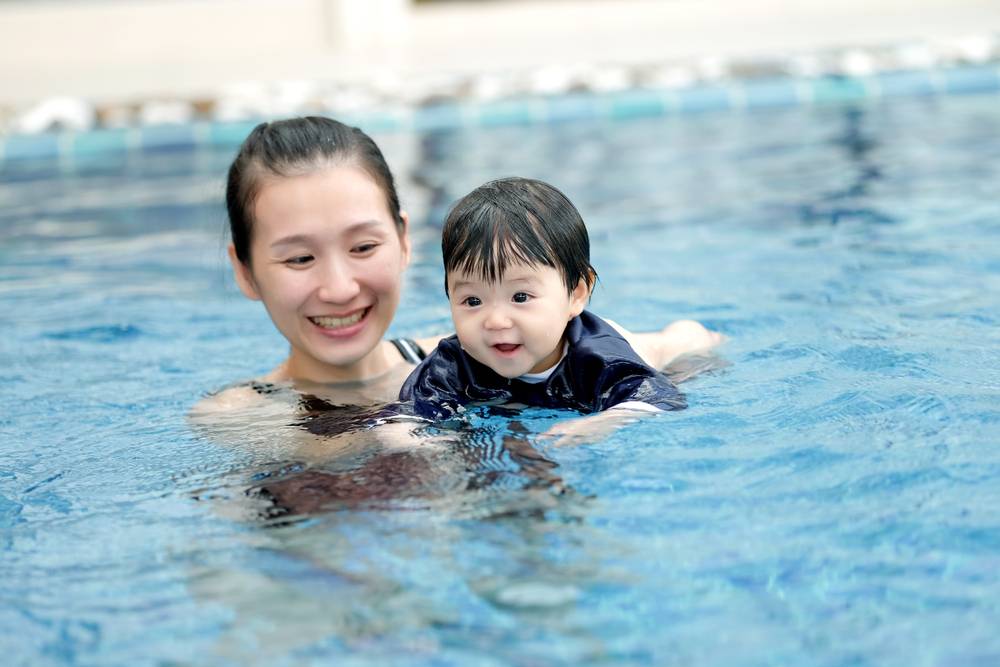
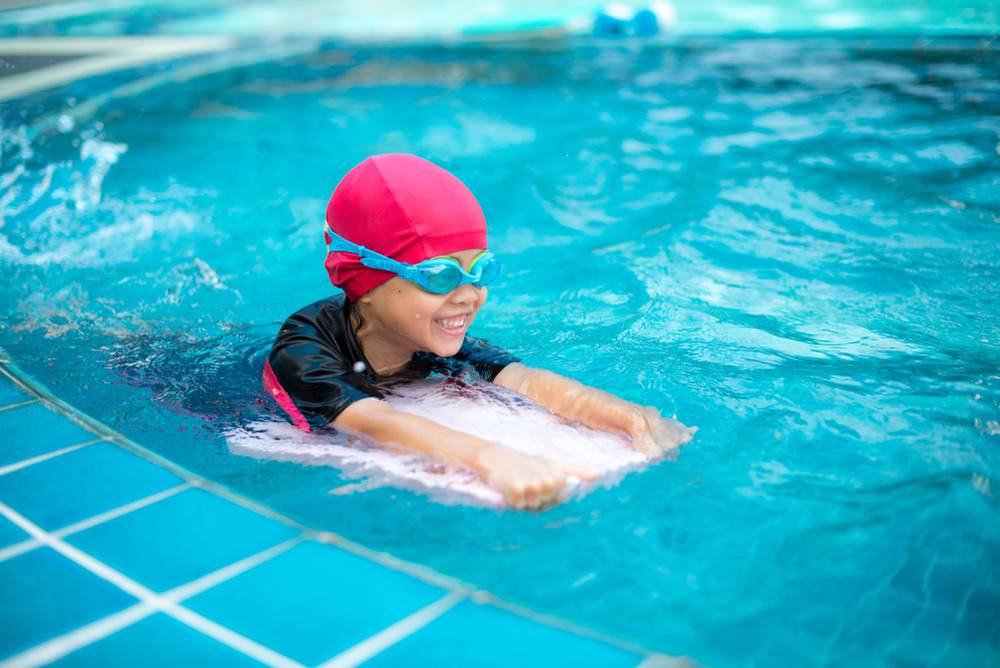
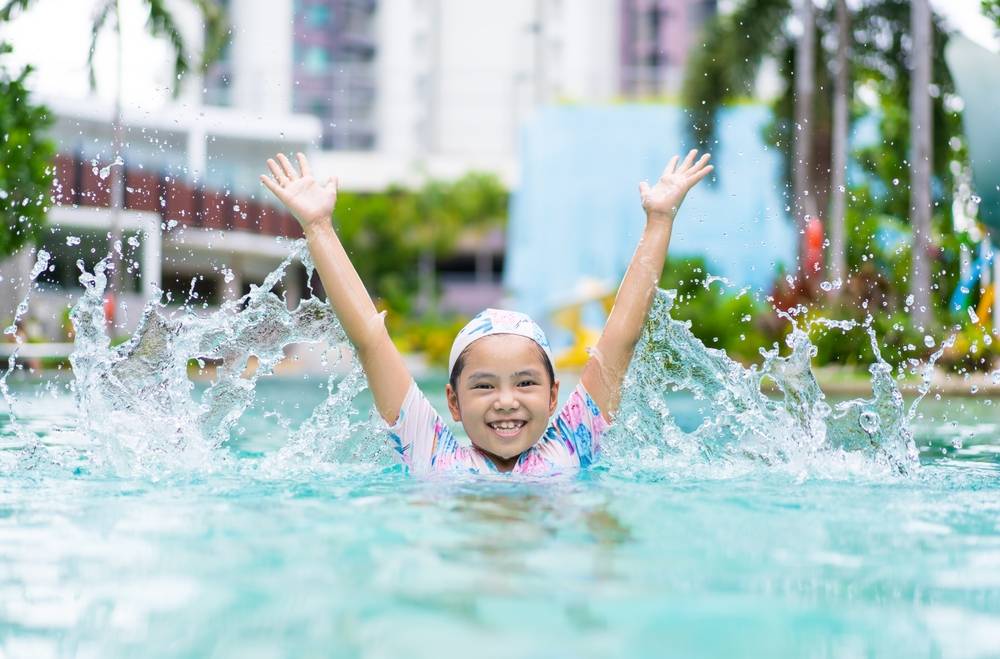
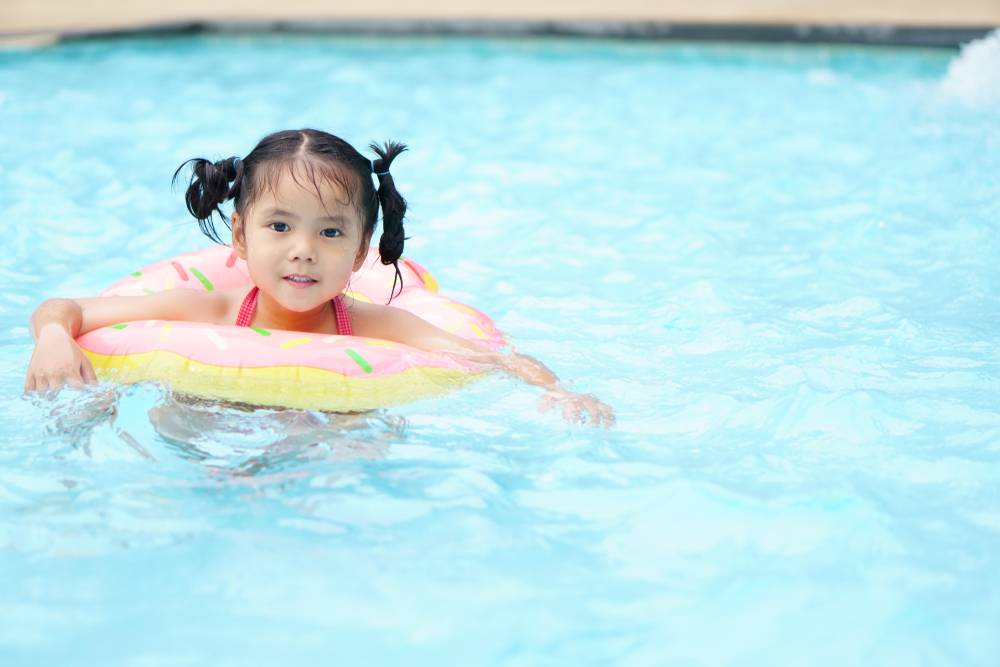
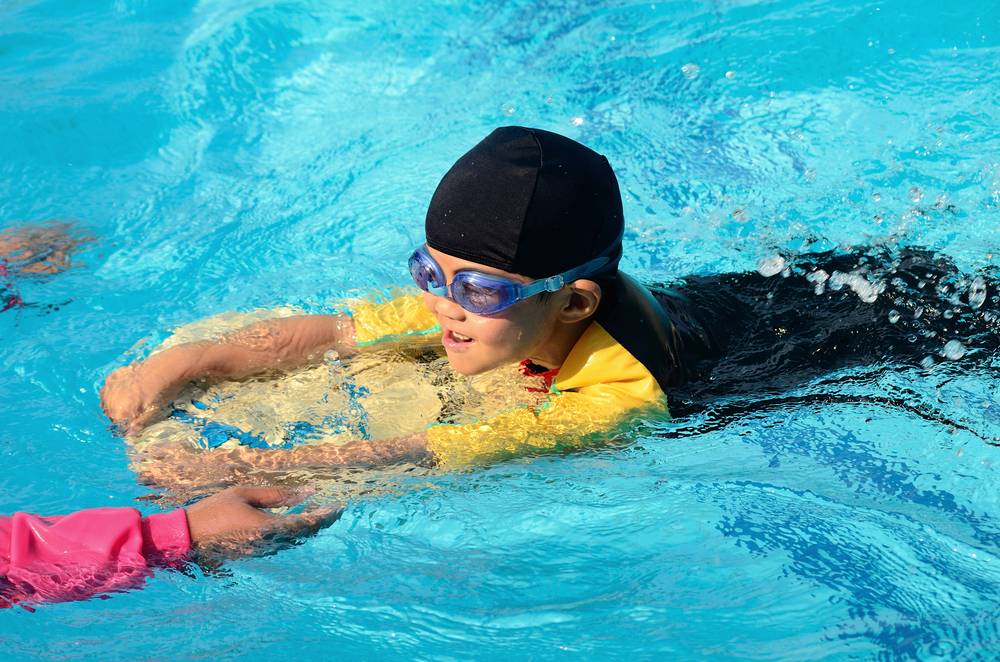
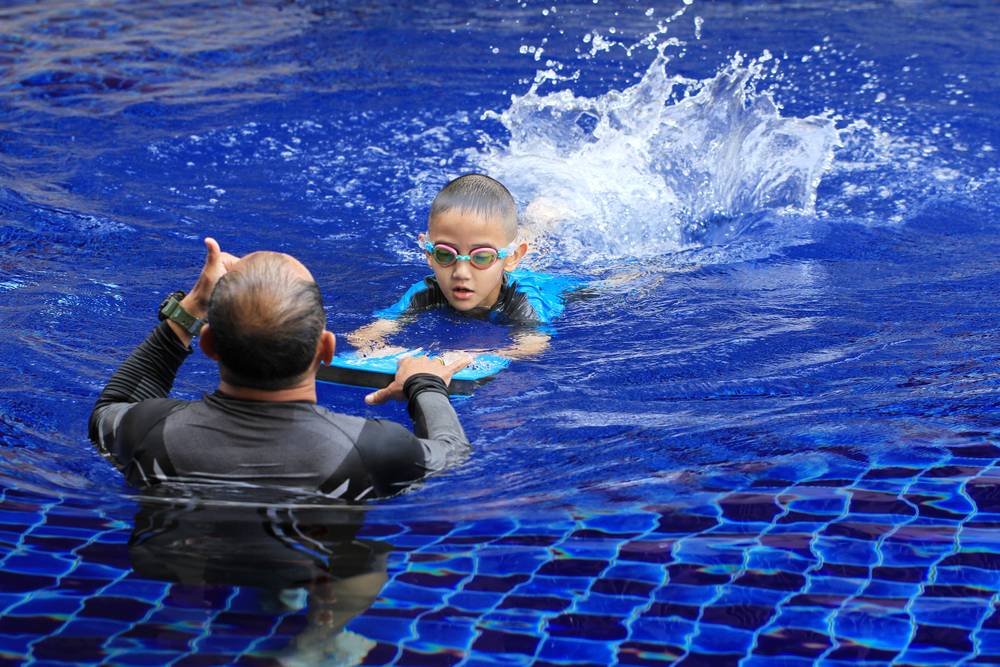
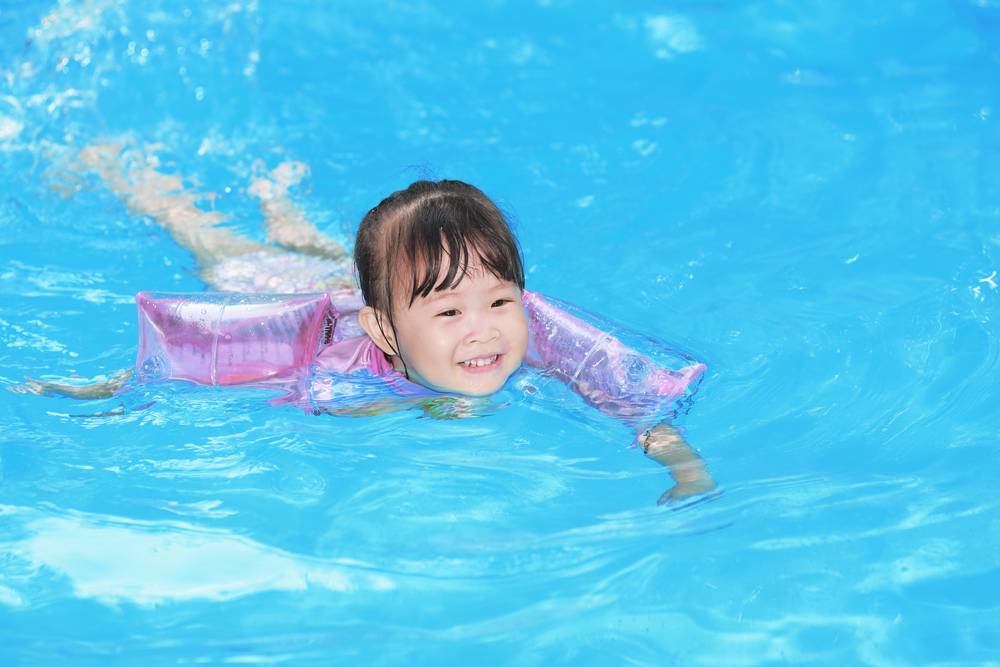
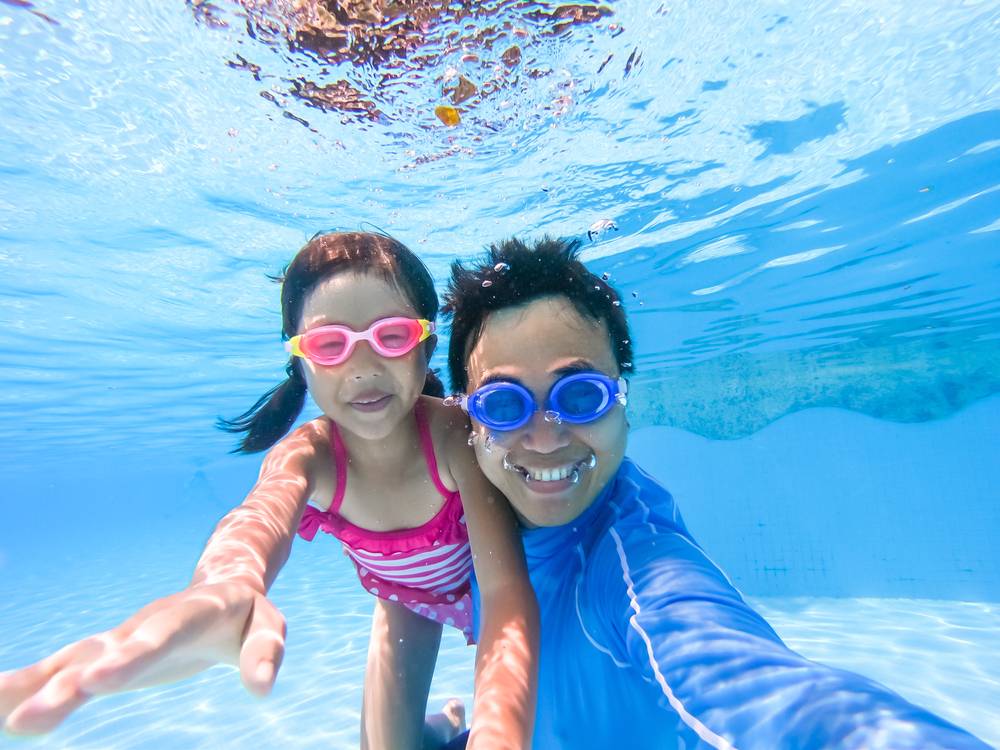
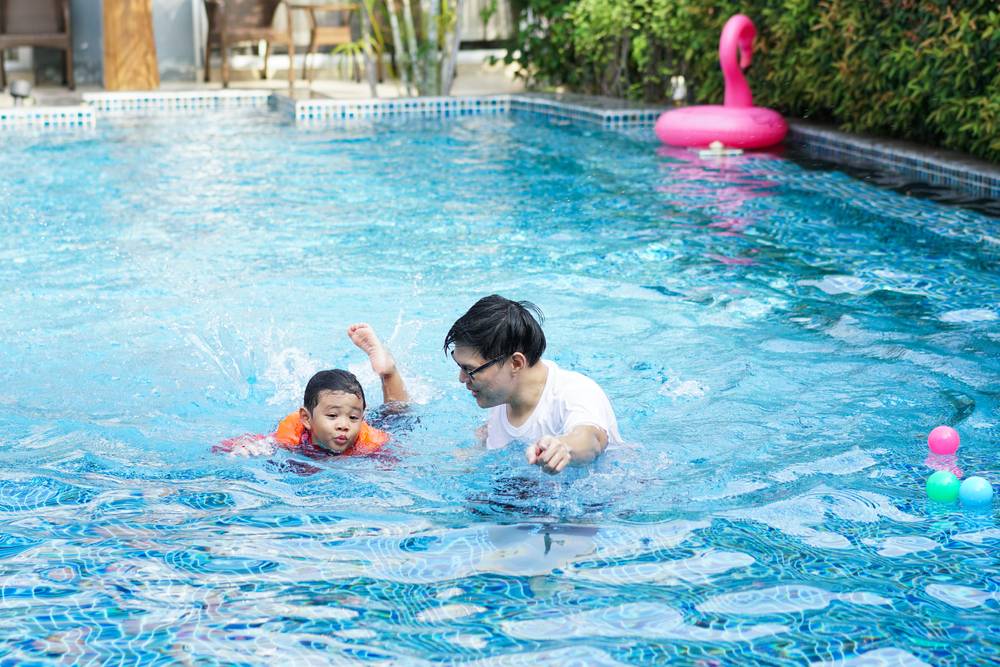
For a two-year-old, swimming typically includes feeling comfortable in the pool, entering and exiting the water calmly with assistance, kicking legs while supported, splashing without fear, blowing bubbles, and floating with adult support. These skills may not look impressive to adults, but they are essential building blocks.
Independent swimming and structured survival skills are not developmentally appropriate expectations at this stage. Programs such as SwimSafer are designed for older children who have the physical and cognitive readiness to understand instructions and safety concepts more fully.
Why Independent Swimming Is Not Realistic At Age Two
Two-year-olds are still developing muscle strength and coordination. Swimming requires controlled breathing, rhythmic movements, and balance, all of which are complex skills. Expecting a toddler to swim independently can create unnecessary stress and fear.
Toddlers also have limited attention spans. They learn best through short, playful activities rather than structured drills. Swimming lessons for this age group are intentionally gentle and repetitive, focusing on familiarity rather than mastery.
According to Harvard Health, swimming supports muscle development, coordination, and emotional regulation in young children, but these benefits accumulate gradually. For toddlers, progress is measured over months rather than weeks.

What A 2 Year Old Can Realistically Learn In Swimming
While a two-year-old is not expected to swim independently, there is a great deal they can learn in the water. Toddlers can develop comfort with water on their face, learn to kick instinctively, and begin to understand simple cues from instructors or parents.
They also learn emotional skills such as trust, confidence, and adaptability. A toddler who feels safe in water is less likely to panic if they accidentally encounter water later in life. This emotional readiness is one of the most valuable outcomes of early swimming exposure.
Guidance from Sport Singapore emphasises that early water exposure supports physical literacy and confidence when introduced in a developmentally appropriate way. For toddlers, this means focusing on enjoyment and safety rather than performance.
The Role Of Swimming In Toddler Development
Swimming supports multiple areas of toddler development simultaneously. Physically, water provides gentle resistance that strengthens muscles while reducing impact on joints. This supports gross motor development and coordination.
Cognitively, swimming introduces toddlers to new sensations and environments, which helps develop sensory processing and spatial awareness. Emotionally, the presence of a parent or trusted instructor builds security and trust.
Swimming also helps toddlers learn routine and structure. Repeated exposure to the pool environment helps them understand transitions and expectations, which is beneficial for overall behavioural development.
Why Early Swimming Is Still Valuable
Even though a two-year-old is not expected to swim independently, early swimming exposure offers long-term benefits. Toddlers who are comfortable in water often transition more smoothly into structured swimming lessons as they grow older.
They are less likely to fear water and more likely to engage willingly in learning. This makes future swimming instruction more effective and enjoyable. Early positive experiences reduce anxiety and resistance later on.
Parents often notice that toddlers who attend swimming sessions sleep better, eat well, and show improved mood regulation. These benefits are linked to gentle physical activity and sensory regulation rather than swimming skill alone.
How Parents Should Measure Progress
Progress in toddler swimming should never be compared to other children. Each toddler develops at their own pace, and comfort levels vary widely. A child who enjoys splashing and smiling in the pool is making progress, even if they are not kicking strongly yet.
Signs of healthy progress include reduced clinginess, willingness to try new movements, improved balance while supported, and positive anticipation before lessons. These indicators matter far more than visible swimming ability.
Parents should focus on consistency rather than speed. Weekly exposure helps toddlers retain familiarity and build confidence gradually.
The Importance Of Safety Over Skill
At age two, safety is always the priority. Toddlers should never be expected to rely on swimming ability for safety. Constant adult supervision, pool barriers, and safe practices remain essential.
Swimming lessons complement safety measures but do not replace them. Even toddlers who are comfortable in water are not capable of self-rescue or decision-making. Understanding this distinction helps parents maintain realistic expectations.
Structured pathways such as kids swimming lessons are designed to grow with the child, gradually introducing skills as readiness improves.
When Do Children Usually Start Swimming Independently?
Most children begin to show more independent swimming ability between four and six years old, depending on exposure, consistency, and individual development. By this age, coordination, breathing control, and understanding have improved significantly.
Toddlers who have had positive early experiences often reach this stage with greater confidence and ease. However, even at older ages, learning pace varies, and patience remains key.
Conclusion
So, should a 2 year old be able to swim? No, independent swimming is not a realistic or appropriate expectation at this age. What matters is water confidence, comfort, and positive exposure.
Swimming at two years old lays the foundation for safety, confidence, and future skill development. When toddlers are introduced to water gently and without pressure, they develop trust and enjoyment that last for years.
If you are considering swimming for your toddler, focus on age-appropriate guidance and supportive environments. Learn how swimming pathways grow naturally with your child through HydroSplash’s kids swimming lessons and support your child’s journey with confidence and care.
FAQ
Q: Can a 2 year old swim independently?
A: No, toddlers are not developmentally ready for independent swimming. Lessons focus on confidence and safety.
Q: Is swimming safe for two-year-olds?
A: Yes, when conducted in warm, clean pools with close supervision and trained instructors.
Q: How often should a toddler attend swimming sessions?
A: Weekly sessions are ideal for building familiarity and steady progress.
Q: Does early swimming reduce fear of water later?
A: Yes, positive early exposure often leads to greater confidence in later swimming lessons.
Click on the link to find out more about HydroSplash Swimming. Chat with our representatives today!
Home
About HydroSplash Swimming
Adult Swimming Lesson
Private Swimming Lesson
Kids Swimming Lesson
Whatsapp Us