Is Swimming Good For Baby Development?
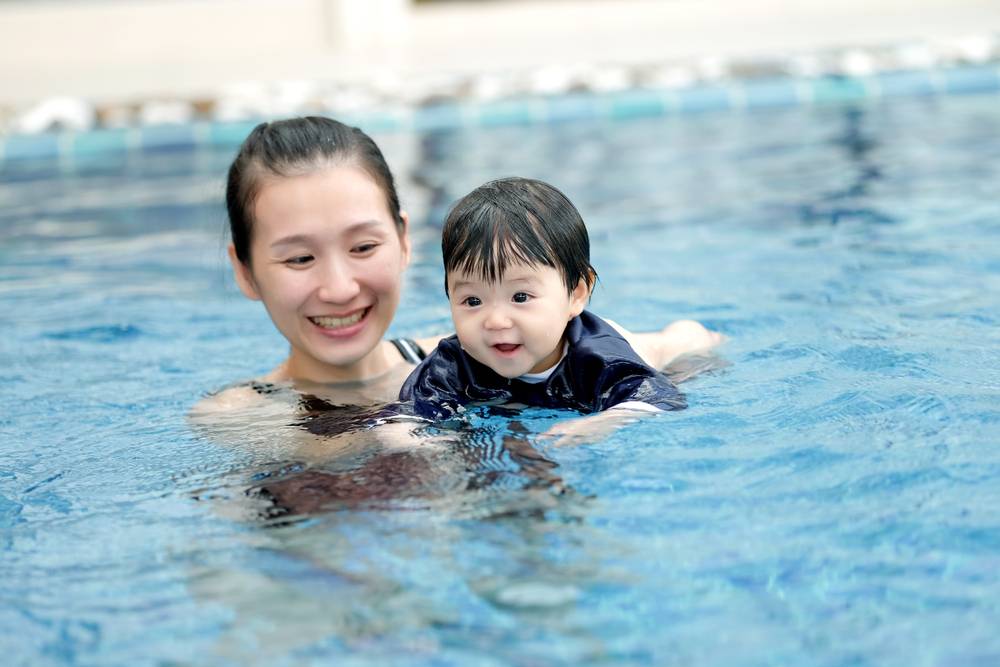
Many parents in Singapore ask an important question as they plan activities for their infants: is swimming good for baby development? The short answer is yes, when done safely and appropriately. Baby swimming is not about teaching strokes or endurance. It is about sensory stimulation, gentle movement, bonding, and laying strong foundations for physical and emotional growth.
From the moment babies enter water, they experience a unique environment that supports development in ways few other activities can. With proper guidance and age-appropriate methods, swimming can become a powerful tool in a baby’s early developmental journey.
How Swimming Supports Physical Development In Babies
One of the most noticeable benefits of swimming for babies is physical development. Water provides gentle resistance while reducing the impact of gravity. This allows babies to move their arms and legs more freely than on land, strengthening muscles without strain.
These movements support early motor skill development, including coordination, balance, and muscle tone. Kicking, reaching, and floating help babies develop body awareness and control in a safe, supportive environment. Over time, these movements contribute to milestones such as crawling, standing, and walking.
According to Harvard Health, swimming is a low-impact activity that promotes full-body engagement and supports healthy muscle and joint development. For babies, this gentle engagement is especially beneficial as their bodies are still developing rapidly.
Cognitive And Sensory Benefits Of Swimming For Babies
Babies learn through sensory experiences. Swimming provides rich sensory input through touch, sound, movement, and visual stimulation. The feel of water on the skin, changes in temperature, and the sensation of buoyancy all activate the nervous system in positive ways.
These sensory experiences support brain development by strengthening neural connections. Gentle water activities also help babies improve spatial awareness and responsiveness to their environment. When combined with parental interaction, swimming becomes an engaging learning experience rather than just physical movement.
Research supported by Sport Singapore highlights that early exposure to structured physical activities encourages cognitive development and improves body awareness in young children. Baby swimming fits well within this developmental framework when conducted safely.

Emotional Development And Parent-Baby Bonding
Swimming offers more than physical and cognitive benefits. It also plays a meaningful role in emotional development. Babies feel secure when they are supported by a parent or caregiver in water. This shared experience builds trust and strengthens emotional bonds.
The calm, rhythmic movements of water can also have a soothing effect on babies. Many parents observe improved sleep patterns and reduced restlessness after swimming sessions. The relaxed environment helps babies associate water with comfort and security rather than fear.
Positive early experiences in water can also reduce anxiety around swimming later in childhood. Babies who are gently introduced to water often grow into toddlers and children who feel confident and relaxed in pools.
When Is The Right Time To Start Baby Swimming?
Parents often wonder when babies can start swimming. Most babies can begin water familiarisation activities from around six months old, once they have developed sufficient neck control and their immune systems are stronger. However, readiness varies, and it is always advisable to consult a paediatrician before starting.
At this stage, swimming focuses on gentle movements, floating with support, and simple water play. There is no pressure for babies to submerge or perform skills. The goal is comfort, familiarity, and positive exposure.
Structured baby swimming sessions are guided by trained instructors who understand infant development and safety. These sessions are carefully paced and designed to respect each baby’s comfort level.
Safety Considerations For Baby Swimming
Safety is the most important factor when considering whether swimming is good for baby development. Sessions should always be supervised by certified instructors, conducted in clean, warm pools, and kept short to prevent fatigue.
Babies should wear appropriate swim nappies, and caregivers must remain attentive at all times. Water temperature and hygiene standards are critical, especially for infants with sensitive skin.
It is also important to understand that formal swimming competency programs such as SwimSafer are designed for older children. Baby swimming focuses solely on development and familiarity, not survival skills or stroke proficiency.
Long-Term Benefits Of Introducing Babies To Swimming Early
Early exposure to swimming can create long-term positive effects. Babies who experience water early often show better coordination, confidence, and comfort in aquatic environments as they grow. This makes later swimming lessons smoother and less stressful.
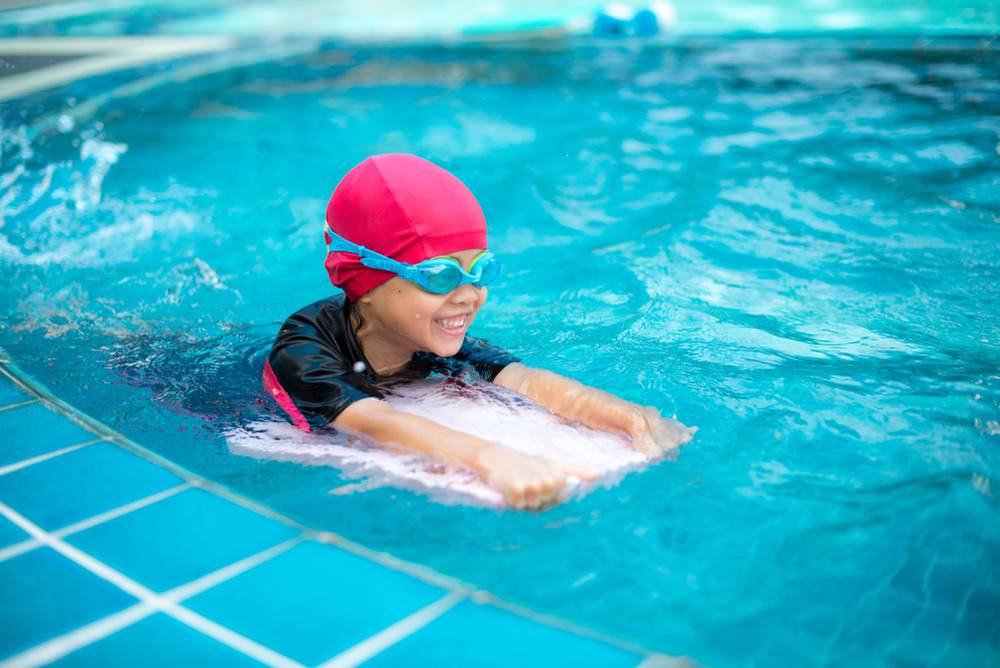
Parents also find that children who start early tend to enjoy swimming more and adapt faster to structured kids swimming training programs. The water becomes a familiar space rather than an unfamiliar challenge.
While swimming alone does not determine developmental outcomes, it complements other activities by supporting holistic growth. When combined with nurturing care, good nutrition, and varied movement experiences, swimming becomes a valuable part of early childhood development.
Conclusion
So, is swimming good for baby development? Yes, when introduced safely and thoughtfully, swimming supports physical strength, sensory awareness, emotional bonding, and early confidence. It offers babies a gentle, enriching environment that encourages movement, learning, and connection.
The key is choosing age-appropriate, professionally guided sessions that prioritise safety and comfort over skill acquisition. When swimming is presented as a positive and nurturing experience, it becomes a meaningful contribution to a baby’s early development.
If you are exploring water-based activities for your child as they grow, consider structured pathways that evolve naturally into kids programs. Learn more about age-appropriate progression through HydroSplash’s kids swimming lessons and support your child’s development with confidence and care.
FAQ
Q: Is swimming safe for babies?
A: Yes, when conducted in warm, clean pools under professional supervision, baby swimming is safe and beneficial.
Q: At what age can babies start swimming?
A: Most babies can start gentle water activities from around six months old, subject to medical advice.
Q: Does baby swimming help brain development?
A: Yes, swimming provides sensory stimulation that supports neural connections and cognitive development.
Q: Will baby swimming help my child learn to swim faster later?
A: Early water familiarity often makes future swimming lessons smoother and more enjoyable.
Click on the link to find out more about HydroSplash Swimming. Chat with our representatives today!
Home
About HydroSplash Swimming
Adult Swimming Lesson
Private Swimming Lesson
Kids Swimming Lesson
Whatsapp Us