How To Take A Toddler Swimming?
Many parents feel excited yet slightly nervous when planning their toddler’s first swimming experience. It is common to ask how to take a toddler swimming in a way that feels safe, calm, and enjoyable for everyone involved. Toddlers are curious, energetic, and sensitive to new environments, which means preparation and mindset matter just as much as logistics.
Taking a toddler swimming is not about teaching them to swim independently. It is about helping them feel comfortable in water, building trust, and creating positive associations that will shape how they feel about swimming in the years ahead. When approached thoughtfully, swimming becomes a joyful routine rather than a stressful outing.
Choose The Right Time And Mood For Swimming
One of the most important aspects of how to take a toddler swimming is timing. Toddlers cope best with new experiences when they are well-rested, fed, and in a calm mood. Swimming sessions should never be scheduled when a toddler is tired, hungry, or already overstimulated.
Late mornings or early afternoons often work well, especially after a nap and a light snack. This helps toddlers feel relaxed and receptive. Avoid rushing, as stress can quickly transfer from parent to child. A calm pace before entering the pool sets the tone for a positive experience.
Consistency also helps. Visiting the pool at a similar time each week builds familiarity, which toddlers thrive on.
Prepare Your Toddler Before Reaching The Pool
Preparation starts before you arrive at the pool. Talking to your toddler about swimming in a positive, simple way helps them feel included and reassured. Even if toddlers do not fully understand explanations, your tone and enthusiasm matter.
Simple phrases about going to play in water or splash together can create excitement rather than anxiety. Letting toddlers see their swimwear or towel beforehand can also help them feel more comfortable with what is coming next.
According to Sport Singapore, early exposure to physical activities is most effective when children feel emotionally safe and supported. Preparing toddlers mentally is just as important as physical preparation.

What To Bring When Taking A Toddler Swimming
Knowing what to bring helps reduce stress on the day itself. Essentials include comfortable swimwear, a proper swim diaper if needed, a towel, dry clothes, and basic toiletries for rinsing after swimming. Keeping items simple avoids unnecessary distractions.
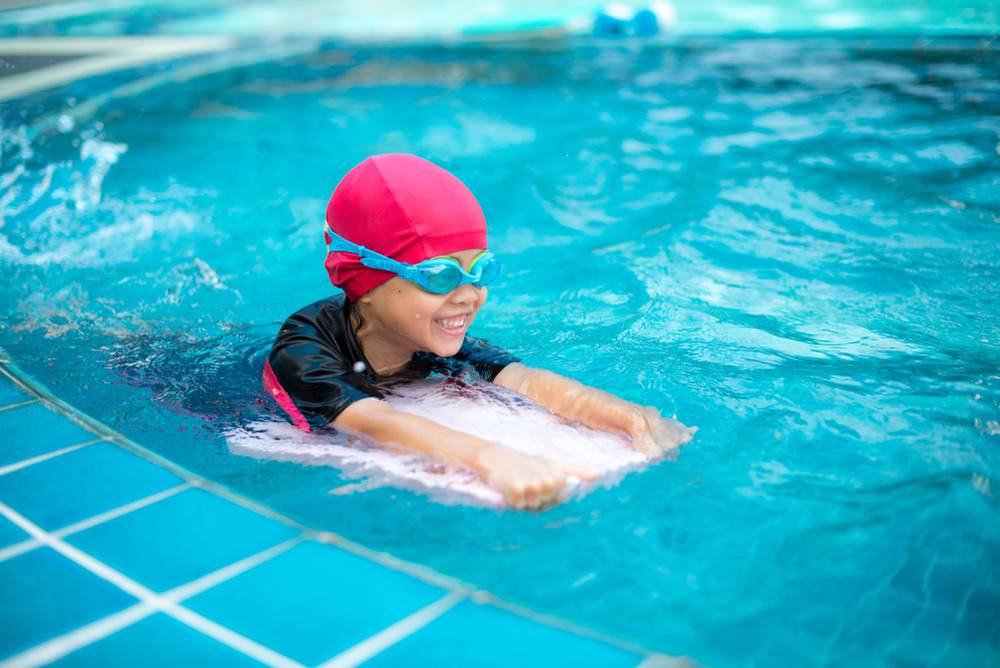
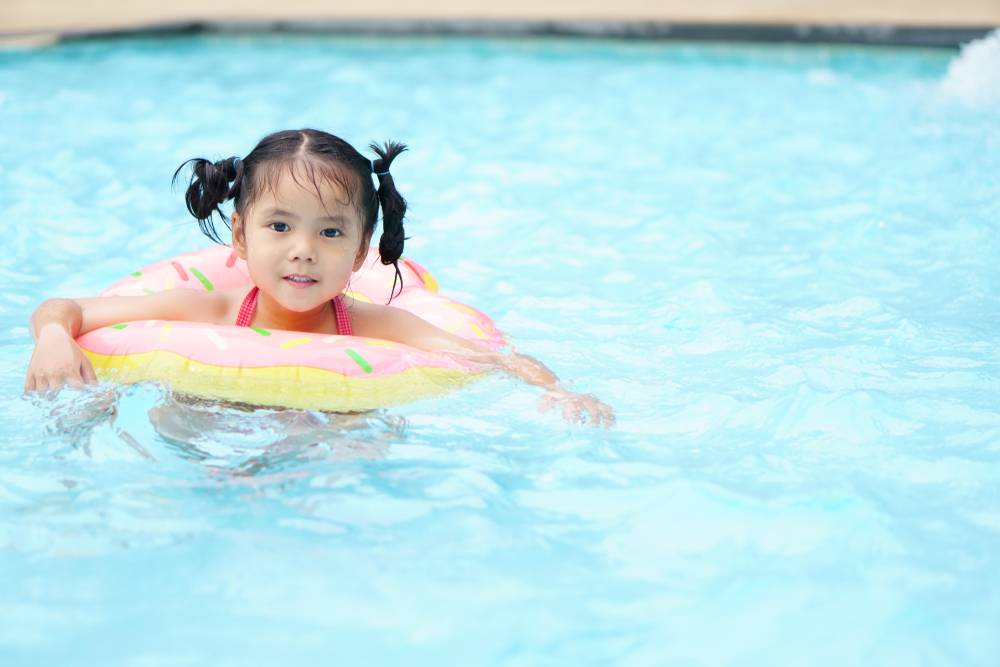
Toddlers do not need floatation devices or complex equipment. In most toddler swimming situations, instructors focus on natural movement and supported activities rather than artificial aids.
A familiar comfort item, such as a towel or clothing, can help toddlers settle before and after swimming, even if it does not enter the pool.
Entering The Pool Calmly And Slowly
When it comes to how to take a toddler swimming, the moment of entering the pool is critical. Toddlers should never be rushed or surprised. Entering the water slowly, with physical contact and reassurance, helps toddlers feel secure.
Holding your toddler close, maintaining eye contact, and speaking calmly builds trust. Allow them to feel the water gradually rather than lowering them in quickly. This gentle introduction reduces fear and resistance.
If a toddler hesitates, patience is key. Forcing entry can create negative associations that are difficult to reverse.
Stay Close And Maintain Physical Contact
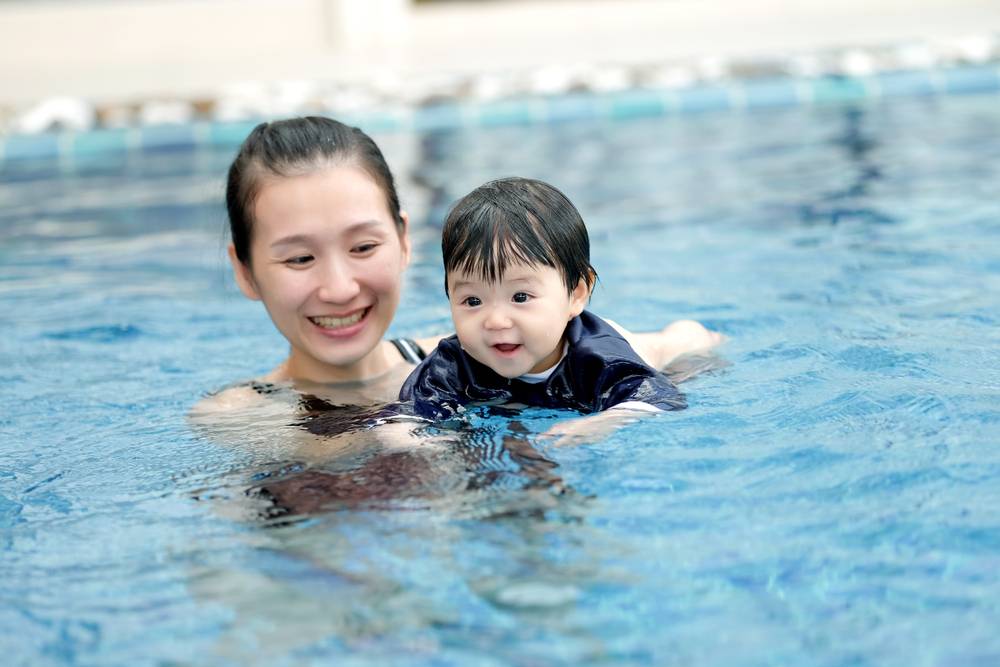
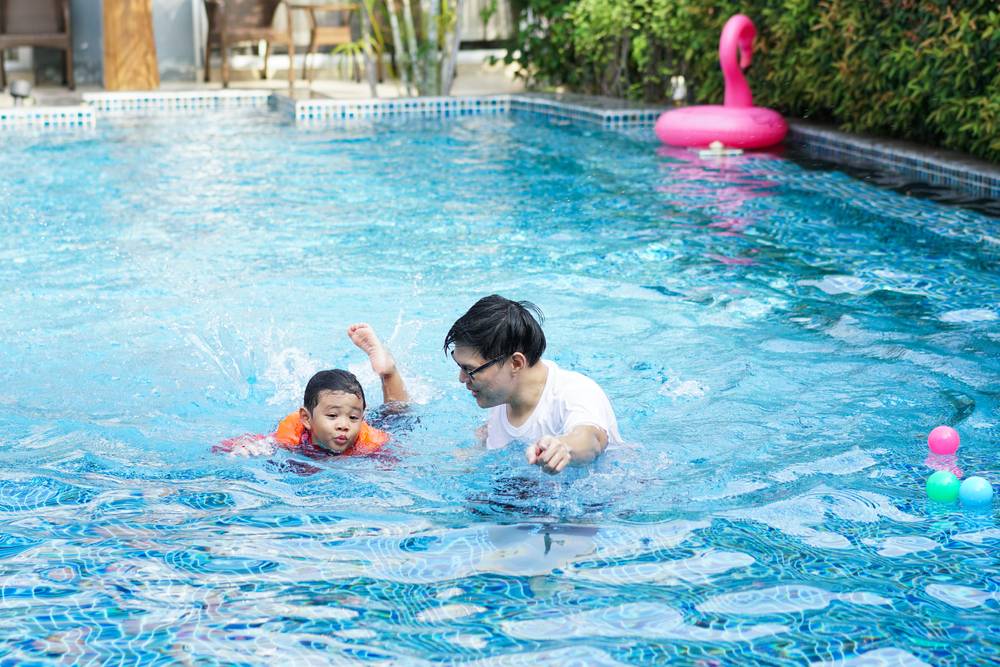
Toddlers rely heavily on physical reassurance. Staying close, especially during early swimming experiences, helps them feel safe. Whether you are holding them in the water or standing within arm’s reach, proximity matters.
Physical contact also allows toddlers to relax their bodies. When toddlers feel supported, they are more willing to kick, splash, and explore movement naturally.
This closeness strengthens emotional bonds and builds trust in water environments.
Keep The First Swimming Experience Short
A common mistake when learning how to take a toddler swimming is staying in the pool for too long. Toddlers tire quickly, both physically and emotionally. Short sessions are far more effective than long ones.
Early swimming experiences may last only ten to twenty minutes. Ending the session while the toddler is still calm and content helps create positive memories. Over time, session length can gradually increase as comfort improves.
Leaving the pool on a positive note encourages toddlers to look forward to the next visit rather than feel overwhelmed.
Focus On Play, Not Performance
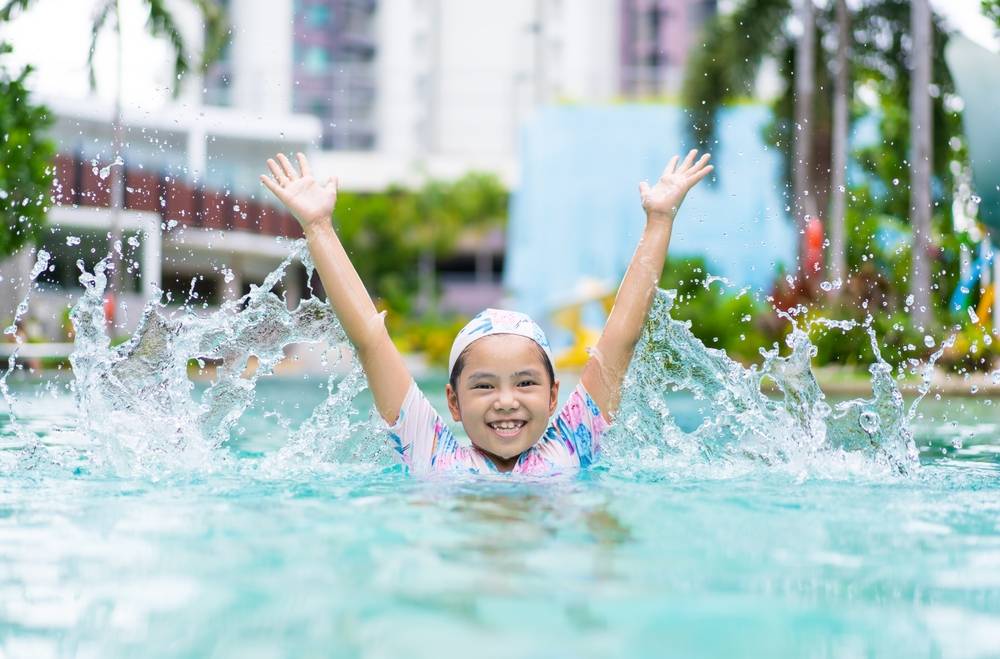
Toddlers learn through play, not instruction. Splashing, kicking, and moving freely are all valuable forms of learning at this age. There is no need to correct technique or aim for specific outcomes.
Play-based interaction helps toddlers associate swimming with enjoyment. When toddlers are relaxed and engaged, they naturally develop coordination and water awareness.
Research referenced by Harvard Health highlights that swimming supports coordination, muscle development, and emotional regulation. For toddlers, these benefits emerge gradually through enjoyable, pressure-free exposure.
Understand Safety Without Creating Fear
Safety is always essential, but it should be communicated through calm structure rather than fear. Toddlers learn safety best through consistent routines and gentle boundaries.
Holding toddlers securely, supervising constantly, and following pool rules teach respect for water without causing anxiety. Toddlers should never be expected to rely on swimming ability for safety.
Structured pathways such as SwimSafer are designed for older children. Toddler swimming focuses on preparation and confidence, not survival skills.
Observe And Respond To Your Toddler’s Cues
Every toddler responds differently to swimming. Some may be excited immediately, while others need time. Observing cues such as facial expressions, body tension, or clinginess helps parents respond appropriately.
If a toddler appears overwhelmed, taking a break or ending the session early is perfectly acceptable. Progress is not measured by duration or activity level but by comfort and trust.
Listening to cues builds confidence and ensures swimming remains a positive experience.
After Swimming Care And Comfort
After leaving the pool, toddlers should be rinsed with clean water to remove chlorine. Gentle drying and warm clothing help regulate body temperature.
Many toddlers feel relaxed or sleepy after swimming. Keeping the post-swim routine calm supports emotional regulation and reinforces positive associations with swimming.
Offering water and light snacks helps toddlers recover comfortably.
Why Structured Lessons Can Help Parents And Toddlers
While casual swimming outings are valuable, many parents find structured lessons helpful. Professional instructors understand toddler development and know how to introduce water gradually and safely.
Structured kids swimming lessons provide guidance, routine, and age-appropriate progression, which often reduces parental uncertainty and toddler resistance.
Lessons also help parents learn how to support swimming experiences confidently outside of class.
Conclusion
Understanding how to take a toddler swimming starts with preparation, patience, and realistic expectations. Toddlers need calm introductions, short sessions, close support, and playful interaction to feel safe in water. Swimming at this age is about confidence and comfort, not independence.
When toddlers are introduced to swimming gently and consistently, they develop trust and enjoyment that support long-term learning and safety. With the right approach, swimming becomes a rewarding experience for both parent and child.
If you are looking for structured, age-appropriate guidance, explore HydroSplash’s kids swimming lessons and support your toddler’s swimming journey with confidence and care.
FAQ
Q: How long should a toddler swim for the first time?
A: Ten to twenty minutes is usually enough for a first swimming experience.
Q: Should parents be in the pool with toddlers?
A: Yes, close physical support helps toddlers feel safe, especially during early experiences.
Q: What if my toddler cries when entering the pool?
A: Crying can be normal. Slow introductions, reassurance, and consistency usually help toddlers settle over time.
Q: How often should toddlers go swimming?
A: Weekly swimming helps build familiarity and confidence gradually.
Click on the link to find out more about HydroSplash Swimming. Chat with our representatives today!
Home
About HydroSplash Swimming
Adult Swimming Lesson
Private Swimming Lesson
Kids Swimming Lesson
Whatsapp Us