How Do Toddlers Learn To Swim?
Many parents wonder what actually happens when toddlers attend swimming lessons. The question how do toddlers learn to swim? often comes from a place of curiosity and concern. Toddlers learn very differently from older children and adults, and swimming at this age is not about strokes, speed, or independence. It is about familiarity, confidence, and gradual skill development that matches their stage of growth.
Toddlers learn to swim through repetition, play, trust, and gentle exposure to water. When lessons are structured correctly, swimming becomes a natural extension of how toddlers explore the world. Understanding this process helps parents set realistic expectations and support their child effectively.
Toddlers Learn Swimming Through Water Familiarisation
The first way toddlers learn to swim is through water familiarisation. Before any technical movement is introduced, toddlers need to feel comfortable being in the pool. This includes getting used to the sensation of water on their skin, the sound of splashing, and the feeling of buoyancy.
During this stage, toddlers are not asked to perform skills. Instead, they are guided to relax, sit or stand in shallow water with support, and explore gentle movements. Familiarisation reduces fear and builds trust in the environment.
According to Sport Singapore, early exposure to water in a safe and supportive setting helps children develop confidence and positive associations with physical activity. This foundation is essential for effective learning later on.
Learning Happens Through Play And Repetition
Toddlers learn best when they are playing. Swimming lessons for toddlers use playful activities to introduce movement and coordination. Games such as kicking, splashing, or reaching for objects encourage natural movement without pressure.
Repetition is key. Toddlers may repeat the same activity many times before it becomes familiar. Each repetition strengthens muscle memory and emotional comfort. What looks like simple play is actually an important learning process.
Play-based learning keeps toddlers engaged and focused. When swimming feels fun rather than forced, toddlers are more willing to participate and explore new movements.

Building Trust With Instructors And Parents
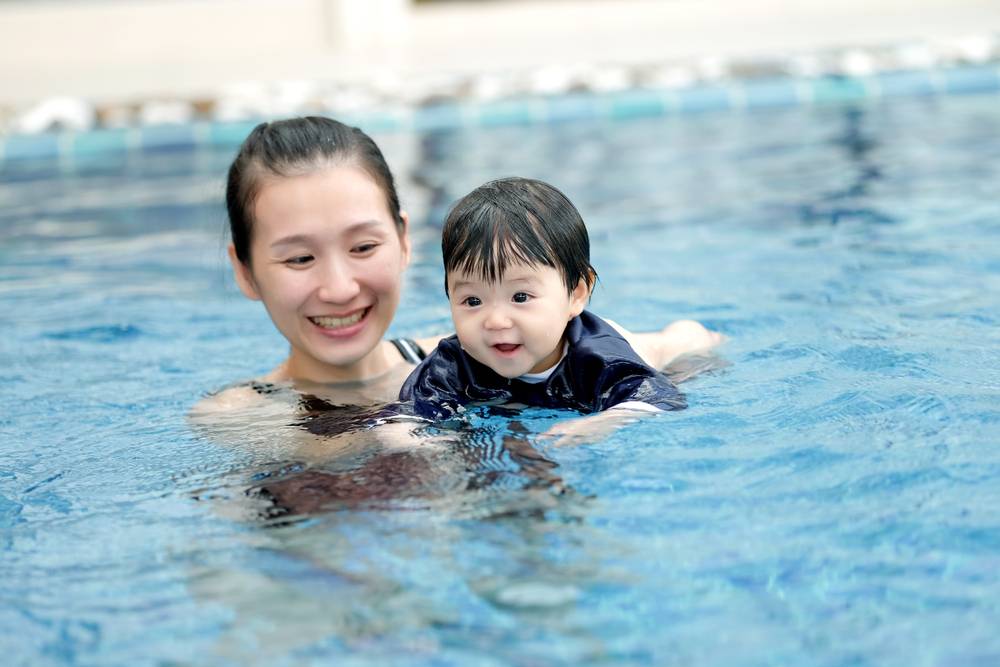
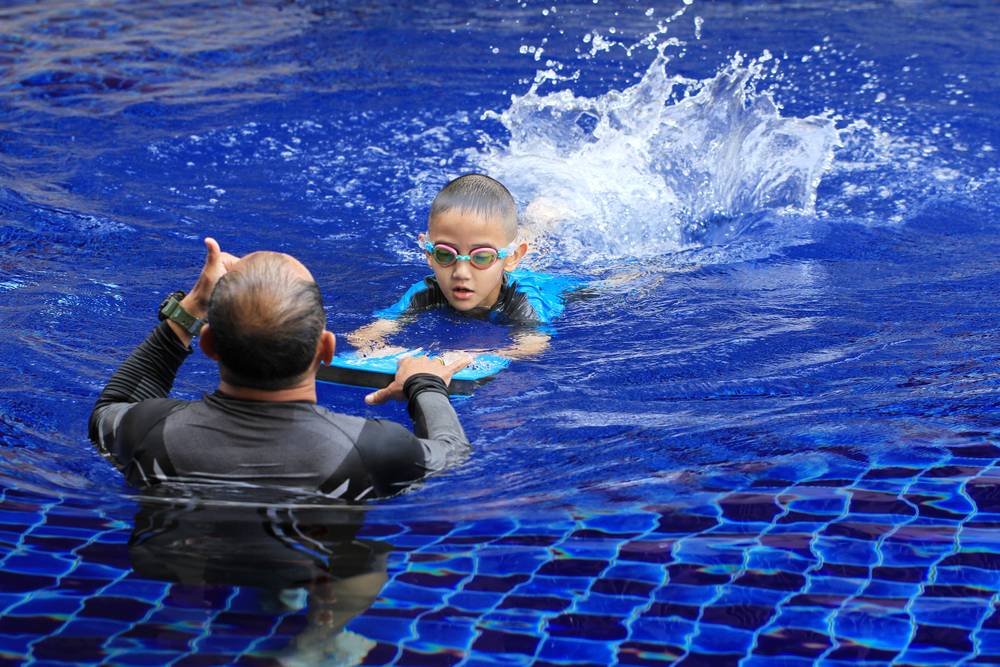
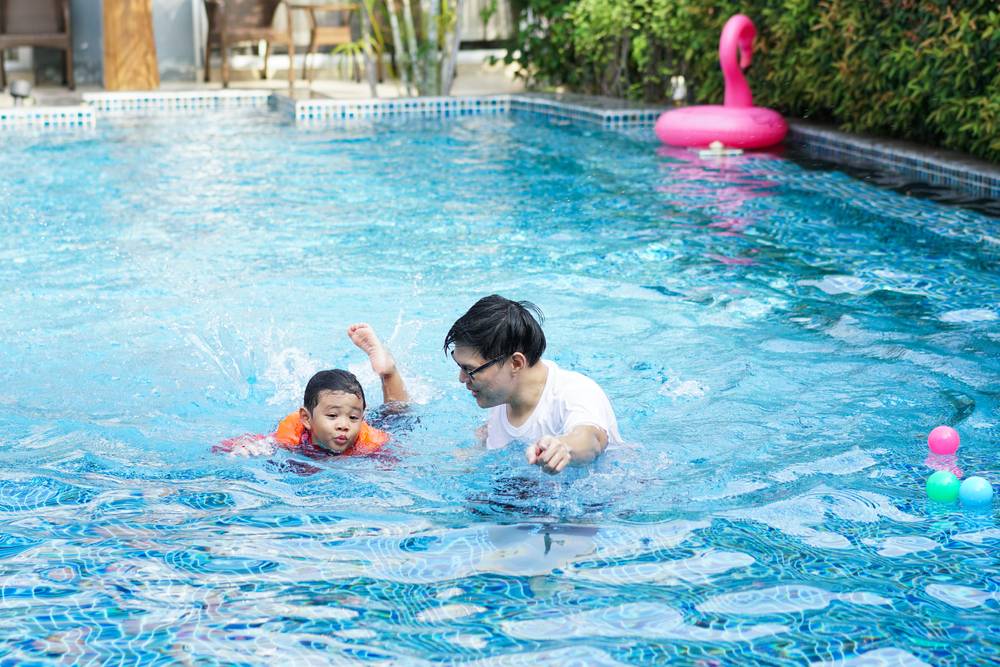
Trust plays a central role in how toddlers learn to swim. At this age, children rely heavily on caregivers and instructors for emotional security. Swimming lessons are often conducted with a parent nearby or in the water, especially in early stages.
This close presence reassures toddlers that they are safe. Over time, as trust grows, toddlers become more willing to move independently with instructor support. This gradual separation builds confidence without anxiety.
A calm and encouraging tone from adults helps toddlers remain relaxed. When toddlers feel emotionally safe, learning becomes more natural and effective.
Developing Motor Skills In Water
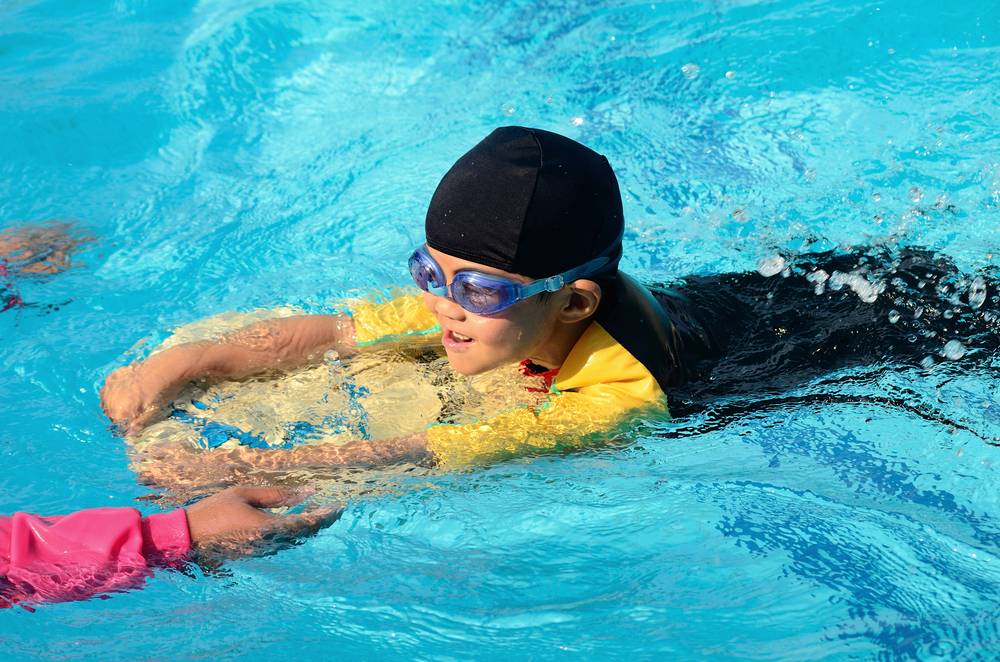
Water provides a unique environment that supports motor development. Toddlers are still refining balance, coordination, and strength. In water, buoyancy reduces the effect of gravity, making it easier for toddlers to move their arms and legs.
Through activities such as kicking, floating with support, and guided movement, toddlers strengthen muscles and improve coordination. These movements support overall physical development while preparing toddlers for more structured swimming skills later.
Research referenced by Harvard Health highlights that swimming supports coordination, muscle development, and emotional regulation. For toddlers, these benefits develop gradually through consistent exposure rather than rapid progression.
Learning Breath Control And Water Awareness
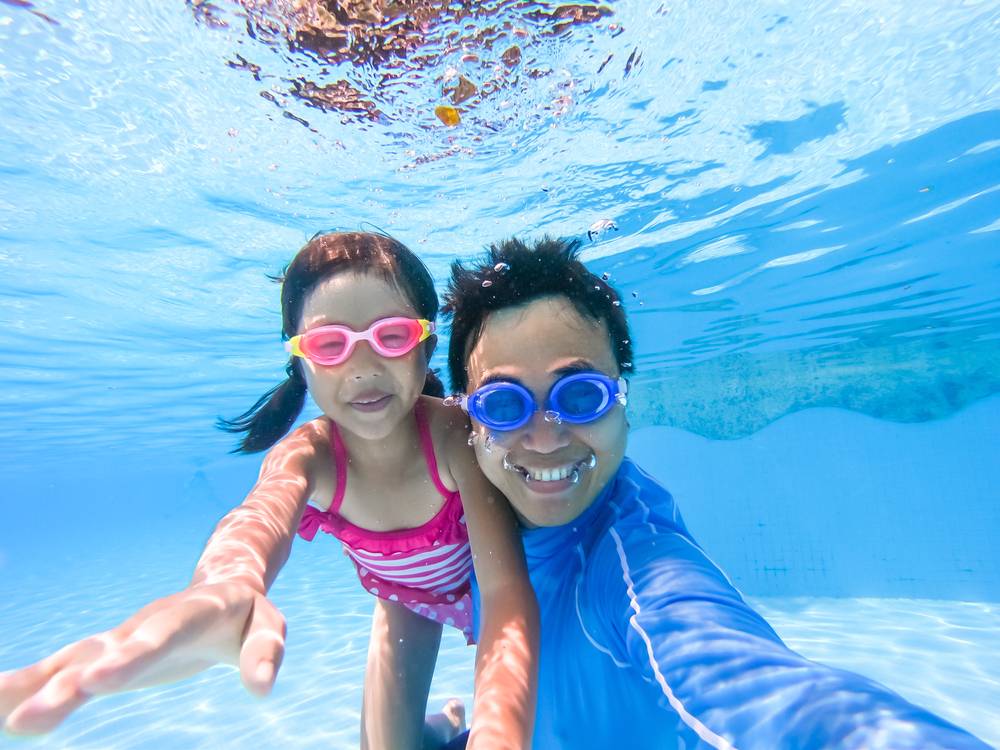
Another important part of how toddlers learn to swim is developing water awareness. Toddlers learn how water feels on their face and begin to understand simple breathing cues, such as blowing bubbles.
This stage is handled gently. Toddlers are never forced to submerge or perform actions they are not ready for. Instead, instructors introduce face wetting slowly, allowing toddlers to build comfort at their own pace.
Water awareness helps toddlers remain calm and reduces panic if water splashes their face. This emotional regulation is one of the most valuable outcomes of early swimming lessons.
Progress Happens In Small, Meaningful Steps
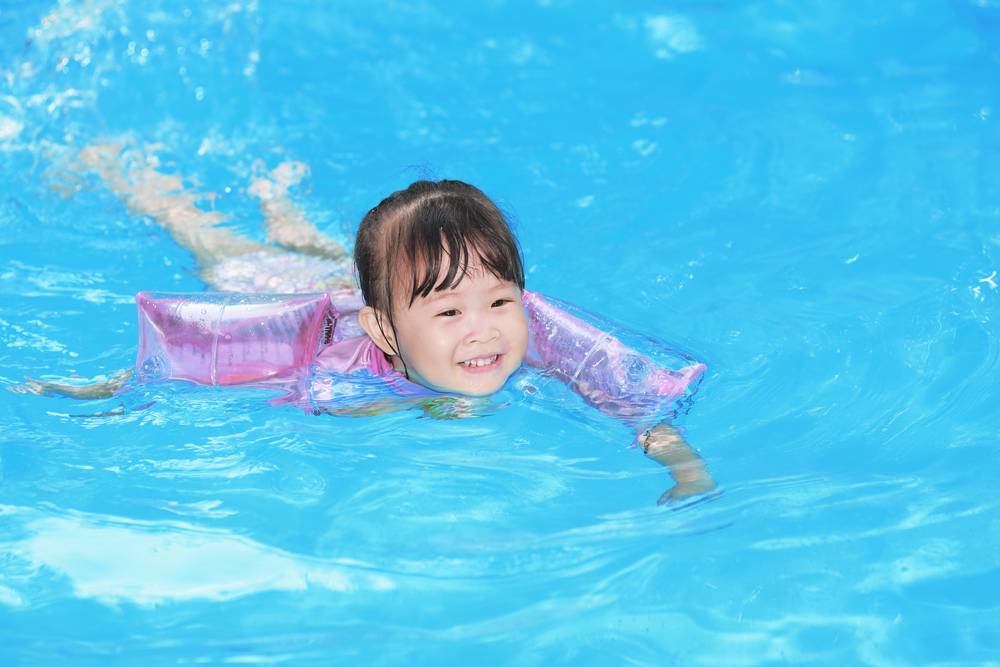
Toddlers do not learn to swim in a straight line. Progress may appear slow or inconsistent, but each small step matters. A toddler who relaxes in water, kicks willingly, or smiles during lessons is making meaningful progress.
Typical milestones include entering the pool calmly, floating with support, kicking rhythmically, and responding positively to instructor cues. Independent swimming is not expected at this age.
Formal competency programs such as SwimSafer are designed for older children. Toddler lessons focus on preparation rather than mastery.
Consistency Helps Toddlers Learn Faster
Consistency is one of the most important factors in how toddlers learn to swim. Regular weekly lessons help toddlers retain familiarity with the pool environment, instructors, and routines.
Long breaks between lessons may cause toddlers to feel hesitant or forgetful, slowing progress. Consistent exposure builds routine, which toddlers thrive on. Over time, swimming becomes a familiar and enjoyable activity rather than an unfamiliar challenge.
Parents who enrol their children in structured kids swimming lessons often notice smoother progress when lessons are attended regularly.
Why Comparison Should Be Avoided
Every toddler learns at their own pace. Comparing one child’s progress to another can create unnecessary pressure. Some toddlers are naturally adventurous, while others are cautious. Both learning styles are normal and healthy.
Instructors adapt lessons to suit individual personalities and comfort levels. The goal is not speed but confidence and positive experience. When toddlers feel supported rather than compared, they are more likely to enjoy swimming and continue learning.
Parents play an important role by celebrating small achievements and maintaining realistic expectations.
How Toddlers Transition To Structured Swimming Later
As toddlers grow older, their coordination, understanding, and attention span improve. The confidence built during toddler swimming lessons prepares them for more structured learning during preschool years.
Children who have had positive early experiences often adapt faster to formal swimming instruction. They are familiar with water, comfortable with instructors, and less fearful of new challenges.
Early learning sets the stage for long-term success, even though the results may not be immediately visible.
Conclusion
So, how do toddlers learn to swim? They learn through comfort, play, repetition, and trust. Toddlers build water confidence first, followed by coordination, awareness, and emotional regulation. Swimming at this age is a gradual process focused on preparation rather than independence.
When lessons are age-appropriate, patient, and supportive, toddlers develop a positive relationship with water that lasts for years. The goal is not to rush progress, but to nurture confidence and safety step by step.
If you are supporting your toddler’s swimming journey, explore HydroSplash’s kids swimming lessons to provide structured, developmentally appropriate guidance in a safe and encouraging environment.
FAQ
Q: Can toddlers learn to swim independently?
A: No, toddlers focus on water confidence and basic movement rather than independent swimming.
Q: How long does it take toddlers to feel comfortable in water?
A: Many toddlers show improved comfort within two to three months of consistent lessons.
Q: Do toddlers need special equipment to learn swimming?
A: No, toddlers mainly need comfortable swimwear and a supportive learning environment.
Q: Is it normal for toddlers to cry during early lessons?
A: Yes, some toddlers need time to adapt. Gentle guidance and consistency usually help them settle.
Click on the link to find out more about HydroSplash Swimming. Chat with our representatives today!
Home
About HydroSplash Swimming
Adult Swimming Lesson
Private Swimming Lesson
Kids Swimming Lesson
Whatsapp Us