Can Pool Chlorine Affect Baby’s Hair?
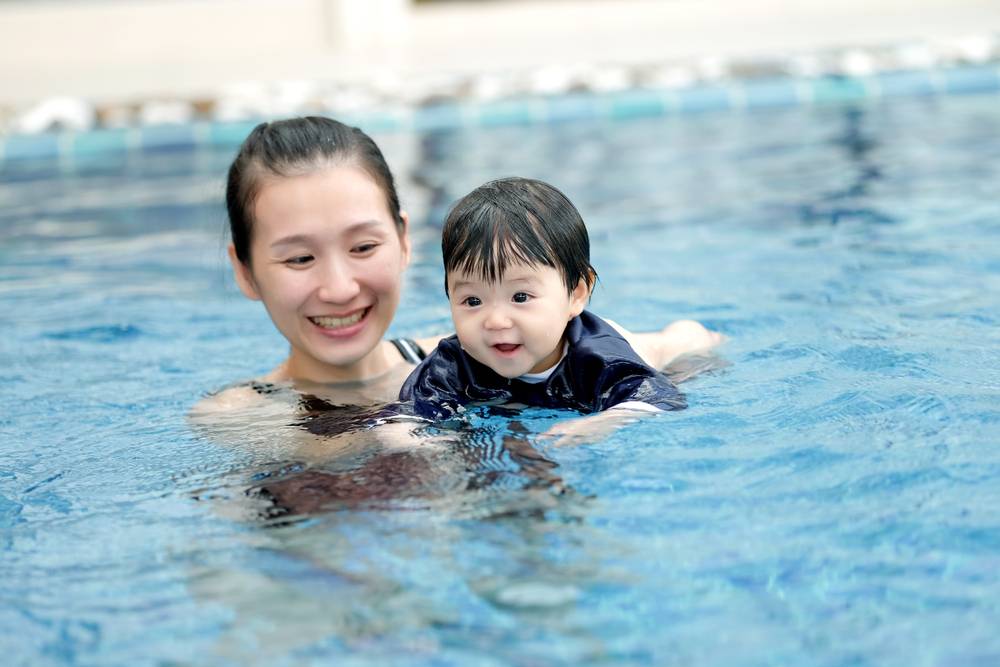
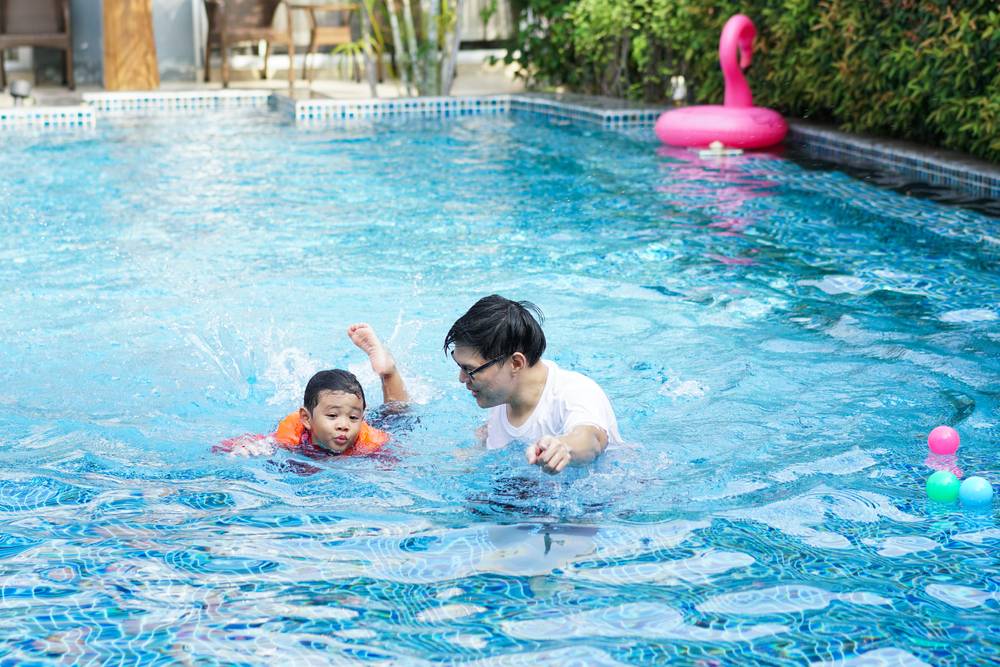
Parents who introduce their babies to swimming often ask a very practical question: can pool chlorine affect baby’s hair? The concern is understandable. Babies have delicate skin, fine hair, and sensitive scalps, so it is natural to wonder whether regular exposure to chlorinated pools could cause dryness, irritation, or long-term issues.
The short answer is yes, pool chlorine can affect a baby’s hair and scalp, but the effects are usually mild and manageable when proper precautions are taken. Understanding how chlorine works and how babies respond to it helps parents make informed, confident decisions about baby swimming.
Why Chlorine Is Used In Swimming Pools
Chlorine is commonly used in swimming pools to keep water clean and safe. It helps kill bacteria, viruses, and other harmful microorganisms that can cause infections. From a public health perspective, chlorine plays an important role in maintaining hygiene standards in pools, especially those used by children.
According to Sport Singapore, public swimming pools in Singapore are regulated to ensure chlorine levels remain within safe ranges. These standards are designed to protect swimmers of all ages, including young children.
While chlorine is essential for safety, it can have drying effects on hair and skin, particularly for babies whose natural protective oils are still developing.
How Chlorine Can Affect Baby’s Hair
Baby hair is much finer and more delicate than adult hair. Chlorine can strip away natural oils that protect hair strands, leading to dryness or a slightly rough texture after swimming. In some cases, parents may notice that their baby’s hair feels less soft or appears dull after repeated pool exposure.
Chlorine can also affect the scalp. A baby’s scalp is sensitive, and prolonged exposure may contribute to dryness or mild irritation if proper care is not taken. However, it is important to note that these effects are usually temporary and cosmetic rather than harmful.
Research discussed by Harvard Health explains that chlorine exposure can dry out hair and skin by disrupting natural moisture barriers. For babies, this simply means parents should be more attentive to post-swim care rather than avoiding swimming altogether.

Is Chlorine Damage Permanent For Babies?
One common worry is whether chlorine causes permanent damage to a baby’s hair. In most cases, the answer is no. Baby hair grows quickly and sheds naturally over time. Any dryness or texture change caused by chlorine is usually temporary and resolves with proper washing and moisturising.
Because baby swimming sessions are typically short and gentle, chlorine exposure is limited. When swimming is done in well-maintained pools with controlled chlorine levels, the risk of lasting effects is very low.
Parents should focus on managing exposure rather than eliminating swimming, as the developmental benefits of water activities far outweigh the mild cosmetic effects chlorine may have on hair.
How To Protect Baby’s Hair During Swimming
Protecting baby’s hair from chlorine does not require complicated routines. Simple, consistent care makes a significant difference. Rinsing a baby’s hair with clean water immediately after swimming helps remove chlorine residue before it dries out the hair and scalp.
Using a mild, baby-safe shampoo after swimming sessions helps restore natural oils without irritating sensitive skin. Parents should avoid harsh products and focus on gentle formulations designed for infants.
Limiting swimming session duration also helps. Baby swimming sessions are usually short by design, which naturally reduces chlorine exposure while still allowing babies to enjoy the water.
Does Chlorine Affect Baby’s Scalp Or Skin More Than Hair?
In many cases, chlorine has a greater effect on baby skin than hair. Babies with sensitive skin or conditions such as eczema may be more prone to dryness or mild irritation after swimming. This does not mean swimming should be avoided, but it does mean extra care is needed.
Moisturising a baby’s skin after swimming helps maintain the skin barrier and prevents dryness. Parents should monitor for redness or irritation and adjust swimming frequency if needed.
Guidance aligned with Harvard Health suggests that gentle cleansing and moisturising after chlorine exposure is effective in protecting sensitive skin, including that of infants.
Are Some Pools Better For Babies Than Others?
Not all pools are the same. Well-maintained pools with properly balanced chlorine levels are far safer and gentler for babies than poorly managed facilities. In Singapore, public pools and reputable private facilities are regularly monitored for water quality.
Some parents prefer private or condominium pools for baby swimming, as these pools are often less crowded and easier to control exposure time. Regardless of pool type, water hygiene and temperature are key factors in ensuring a comfortable experience for babies.
Parents should always ensure pools are clean, warm, and supervised by trained professionals when participating in baby swimming activities.
Balancing Chlorine Concerns With Swimming Benefits
While it is valid to be cautious about chlorine, it is equally important to consider the benefits of swimming for babies. Swimming supports physical development, sensory regulation, emotional bonding, and routine building. These benefits play a meaningful role in early childhood growth.
The mild effects chlorine may have on baby hair are manageable and temporary. With proper post-swim care, babies can enjoy swimming regularly without long-term issues. Avoiding swimming altogether due to chlorine concerns may mean missing out on valuable developmental experiences.
As babies grow, swimming naturally transitions into structured programs such as kids swimming lessons, where safety, hygiene, and comfort remain priorities.
When Should Parents Be More Cautious?
Extra caution may be needed if a baby has known skin sensitivities, allergies, or scalp conditions. In such cases, parents should consult a paediatrician before starting regular swimming. Monitoring how a baby responds after sessions helps guide decisions about frequency and duration.
If signs such as persistent redness, itching, or discomfort appear, adjustments can be made without stopping swimming entirely. Shorter sessions or less frequent exposure often resolve these issues quickly.
Conclusion
So, can pool chlorine affect baby’s hair? Yes, chlorine can cause mild dryness to baby hair and scalp, but these effects are temporary and manageable. When swimming is done in clean, well-maintained pools and followed by proper rinsing and gentle care, chlorine does not pose a serious concern for most babies.
Swimming offers valuable developmental benefits that far outweigh minor cosmetic effects on hair. With the right precautions, babies can enjoy water activities safely, comfortably, and happily.
As your child grows, structured swimming pathways help maintain safety and comfort at every stage. Learn more about age-appropriate progression through HydroSplash’s kids swimming lessons and support your child’s swimming journey with confidence.
FAQ
Q: Can chlorine make a baby’s hair dry?
A: Yes, chlorine can dry baby hair slightly, but rinsing and gentle washing usually prevent lasting effects.
Q: Should babies wear swim caps to protect their hair?
A: Swim caps are not necessary for babies, as sessions are short and caps may cause discomfort.
Q: Is chlorine harmful to babies’ scalps?
A: Chlorine may cause mild dryness, but it is generally safe when pools are well-maintained and exposure is limited.
Q: How can parents reduce chlorine effects after swimming?
A: Rinsing with clean water and using mild baby shampoo and moisturiser helps protect hair and skin.
Click on the link to find out more about HydroSplash Swimming. Chat with our representatives today!
Home
About HydroSplash Swimming
Adult Swimming Lesson
Private Swimming Lesson
Kids Swimming Lesson
Whatsapp Us