Can A 4 Month Old Go In A Chlorine Pool?
New parents are naturally cautious when it comes to introducing their baby to new environments. One of the most common questions asked is can a 4 month old go in a chlorine pool? The concern is valid, especially when thinking about delicate skin, developing immune systems, and exposure to pool chemicals.
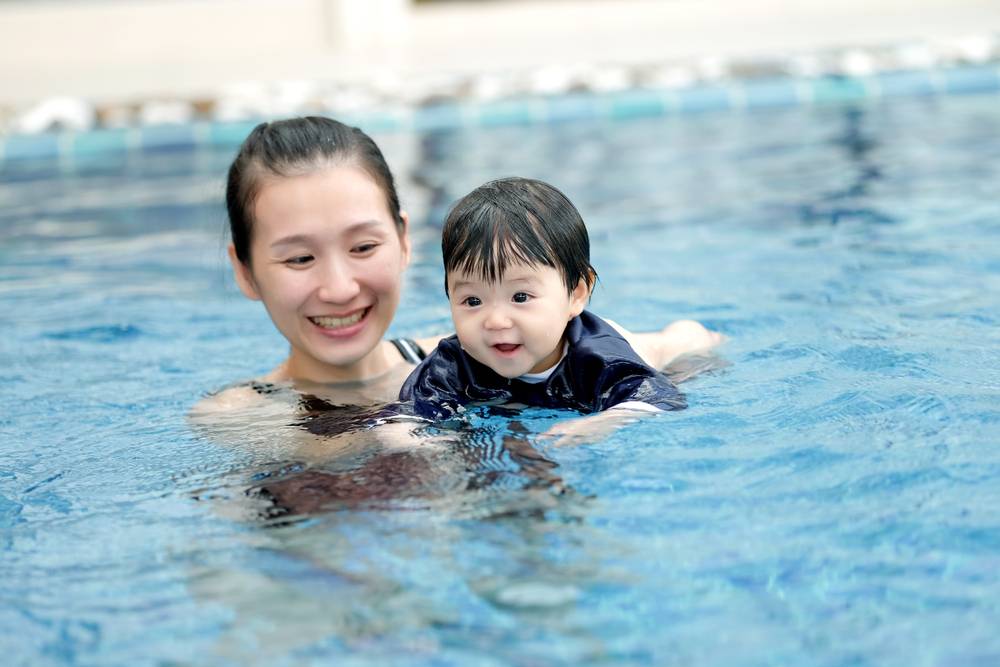
The short answer is that most healthcare professionals recommend waiting before placing a four-month-old baby into a chlorinated pool. At this age, babies are still developing physical strength, temperature regulation, and skin protection, which makes them more sensitive to environmental factors such as chlorine and water temperature. Understanding why timing matters helps parents make confident, informed decisions.
Why Age Matters For Pool Exposure
At four months old, a baby’s body is still adjusting to life outside the womb. Their skin barrier is thin, their immune system is immature, and their ability to regulate body temperature is limited. Chlorinated pools, while safe for older children and adults, introduce chemical exposure that may be too harsh for very young infants.
Most baby swimming programmes recommend starting closer to six months of age. By then, babies typically have better head and neck control, stronger immune responses, and improved tolerance to temperature changes. These developmental milestones significantly reduce potential risks associated with pool environments.
Guidance aligned with Sport Singapore supports age-appropriate introduction to physical activities, emphasising safety and developmental readiness over early exposure.
How Chlorine Can Affect Young Babies
Chlorine is used to disinfect pools and prevent the spread of bacteria. While necessary for hygiene, chlorine can strip natural oils from the skin and hair. For a four-month-old baby, this may result in dryness, irritation, or mild rashes due to their highly sensitive skin.
Babies may also accidentally swallow small amounts of pool water. Although pool chlorine levels are regulated, frequent exposure at such a young age is not recommended because babies are more vulnerable to gastrointestinal irritation and respiratory sensitivity.
According to insights shared by Harvard Health, infants have a higher risk of skin dryness and irritation when exposed to chlorinated water due to underdeveloped skin barriers. This is one of the main reasons experts advise waiting until babies are slightly older.
Temperature And Comfort Considerations
Another important factor when asking whether a four-month-old can enter a chlorine pool is water temperature. Babies lose heat much faster than adults. Many public pools are not heated to levels suitable for young infants, which can cause discomfort or even mild hypothermia.
Warm, controlled environments are essential for infant water exposure. Even with heated pools, session duration must be very short to prevent fatigue or chilling. At four months old, babies may not yet have the stamina or strength to cope comfortably with pool conditions.
What About Baby Swimming Classes?
Parents sometimes see videos of very young babies in water and wonder if they should start early. It is important to understand that baby swimming is not about swimming skills. It focuses on gentle water familiarisation, bonding, and sensory exposure.
Most reputable baby swimming programmes begin at around six months, when babies can better support their head and neck. These sessions are carefully structured, closely supervised, and held in warm, clean pools designed for infants.
Formal frameworks such as SwimSafer are designed for older children and do not apply to infants. Baby swimming before six months should only be considered with medical advice and in highly controlled settings.
When Is It Safer For Babies To Enter A Chlorine Pool?
For most babies, six months is the commonly recommended starting point. By this age, babies usually have stronger neck control, better immune resilience, and improved ability to regulate body temperature.
Even then, swimming sessions should be gentle, short, and supervised by trained instructors. Parents should always observe their baby’s cues and stop immediately if the baby shows signs of discomfort, shivering, or distress.
Introducing babies to water at the right time creates positive associations and reduces anxiety as they grow older. Rushing this process offers little benefit and may create unnecessary discomfort.
Alternatives To Chlorine Pools For Younger Babies
If parents are keen to introduce water play before six months, there are safer alternatives. Warm bath play at home allows babies to experience water movement without chemical exposure. This supports sensory development and parent-baby bonding in a familiar, controlled environment.
These gentle experiences prepare babies for future swimming lessons while keeping safety as the top priority. Water play does not need to involve pools to be beneficial during early infancy.
Long-Term Benefits Of Waiting
Waiting until a baby is developmentally ready often leads to better outcomes. Babies introduced to swimming at the right age tend to enjoy water more, show stronger confidence, and adapt faster to structured lessons later on.
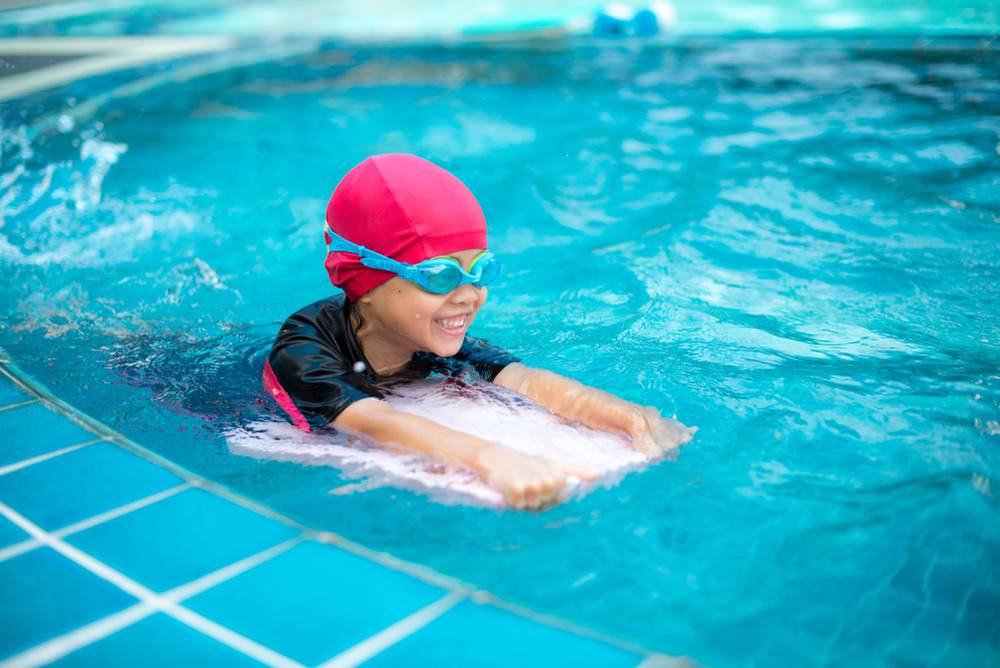
Parents who take a patient approach often find that their child transitions smoothly into toddler and kids programmes, such as structured kids swimming lessons, without fear or resistance.
Early swimming is beneficial, but timing and method matter far more than starting as early as possible.
Conclusion
So, can a 4 month old go in a chlorine pool? In most cases, it is best to wait. Babies at four months are still developing critical systems that help them cope with chemical exposure, temperature changes, and physical demands.
Waiting until around six months, choosing warm and well-maintained pools, and participating in professionally guided sessions provide a much safer and more positive experience. By respecting developmental readiness, parents support both safety and long-term enjoyment of swimming.
As your child grows, age-appropriate swimming pathways help build confidence and skills naturally. Learn more about safe progression and structured learning through HydroSplash’s kids swimming lessons and support your child’s swimming journey with confidence and care.
FAQ
Q: Is chlorine harmful to a 4 month old baby?
A: Chlorine may irritate a baby’s sensitive skin and is generally not recommended for infants under six months.
Q: When can babies safely enter a swimming pool?
A: Most babies can start gentle swimming activities from around six months old, subject to medical advice.
Q: Are heated pools safe for young babies?
A: Heated pools are safer, but four-month-old babies may still struggle with temperature regulation.
Q: What is the best water activity for a four-month-old?
A: Warm bath play at home is the safest and most suitable option at this age.
Click on the link to find out more about HydroSplash Swimming. Chat with our representatives today!
Home
About HydroSplash Swimming
Adult Swimming Lesson
Private Swimming Lesson
Kids Swimming Lesson
Whatsapp Us