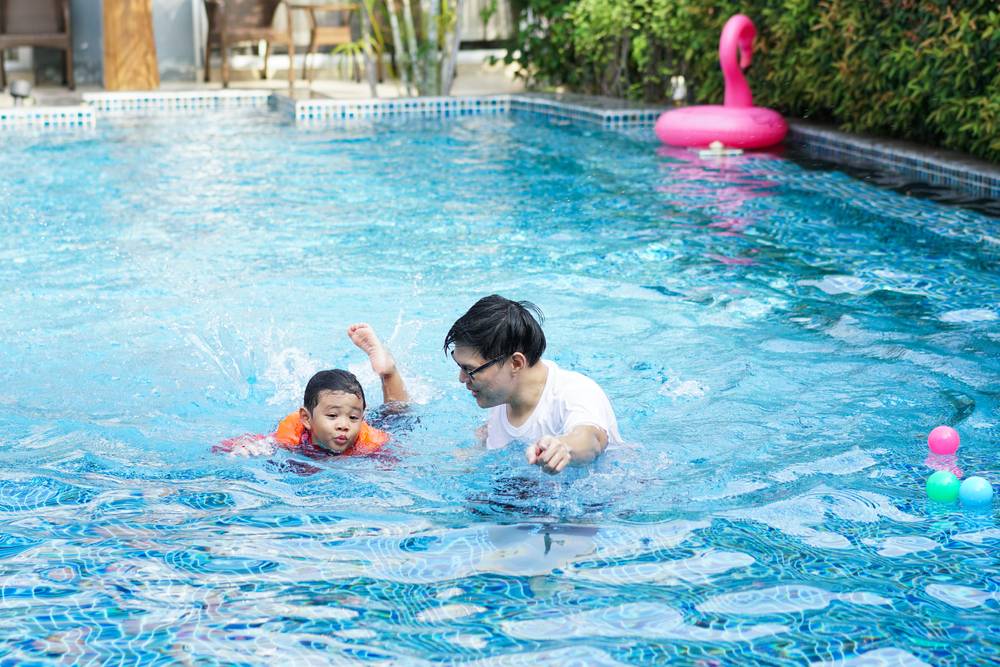
Can Swimming Help A Baby Sleep Better?
Many parents notice that after a day filled with movement and stimulation, their baby sleeps more soundly. This naturally leads to a common question: can swimming help a baby sleep better? The answer, for many families, is yes—when swimming is introduced in a safe, age-appropriate, and gentle manner.
Baby swimming is not about tiring a child out. Instead, it supports healthy sleep through physical activity, sensory regulation, emotional bonding, and routine building. When approached correctly, swimming can become a calming and beneficial part of a baby’s daily or weekly rhythm, contributing to more settled nights and longer rest periods.
How Gentle Water Movement Affects Baby Sleep
Swimming offers a unique form of movement that differs from floor play or stroller walks. Water provides gentle resistance, encouraging babies to move their arms and legs more actively while still feeling supported. This type of activity engages muscles without overexertion.
The result is a healthy form of physical stimulation that helps babies expend energy in a balanced way. After swimming, babies often experience a pleasant sense of physical relaxation, which can make it easier for them to settle into sleep.
According to Harvard Health, physical activity supports better sleep by regulating circadian rhythms and promoting deeper rest. For babies, gentle water movement plays a similar role by supporting natural sleep-wake patterns without causing overstimulation.
Swimming As Sensory Regulation For Babies
Babies process the world through their senses. Swimming provides consistent, calming sensory input through water pressure, temperature, and rhythmic movement. This sensory experience helps regulate the nervous system, especially for babies who are sensitive or easily overstimulated.
The feeling of water around the body can be soothing, similar to swaddling. Combined with slow movements and parental presence, swimming creates an environment that encourages calmness rather than excitement. This regulated state often carries over after the session, helping babies relax more easily during bedtime routines.
Research aligned with guidance from Sport Singapore highlights that structured physical activities can help young children develop better emotional regulation. For babies, this regulation plays a key role in settling down for sleep.
The Role Of Routine In Better Baby Sleep
Babies thrive on routine. Predictable activities help them understand what comes next, reducing anxiety and restlessness. Swimming can become a consistent part of a baby’s routine, especially when scheduled earlier in the day or before an established bedtime sequence.
When swimming is followed by familiar steps such as feeding, bathing, and quiet time, babies begin to associate the sequence with rest. Over time, this pattern supports more consistent sleep cues and smoother transitions to bedtime.
Parents often report that on swimming days, their babies fall asleep faster and experience fewer night wakings. While every baby is different, routine combined with gentle physical activity plays a meaningful role in promoting better sleep quality.
Emotional Comfort And Parent-Baby Bonding
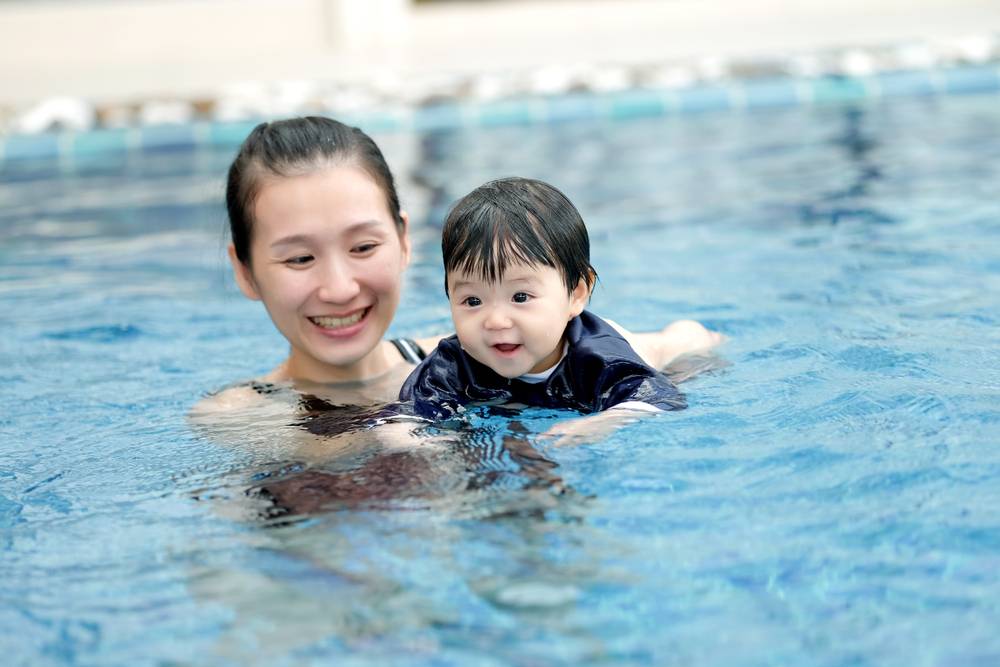
Another reason swimming may help babies sleep better lies in emotional security. Baby swimming sessions are typically conducted with a parent or caregiver in the water. This close contact strengthens emotional bonds and builds trust.
When babies feel secure and emotionally satisfied, they are more likely to relax fully during rest periods. The calm interaction, eye contact, and physical closeness during swimming contribute to a sense of safety that supports sleep.
This emotional connection is especially important for babies who experience separation anxiety or difficulty settling independently. Swimming provides a positive shared experience that reinforces reassurance and comfort.
Does Swimming Help Reduce Baby Restlessness?
Some babies struggle with restlessness due to excess energy, sensory overload, or irregular routines. Swimming helps address these factors simultaneously. The combination of movement, sensory input, and calm engagement can reduce restlessness and promote balanced energy levels.
Rather than overstimulating babies, well-structured swimming sessions encourage steady movement and relaxation. This balance is key. Sessions that are too long or too intense may have the opposite effect, so moderation is essential.
Professionally guided baby swimming focuses on calm pacing and baby-led comfort, ensuring the experience remains soothing rather than overwhelming.
When Is The Best Time For Baby Swimming To Support Sleep?
Timing matters when using swimming to support better sleep. For many babies, late morning or early afternoon sessions work well. These timings allow babies to benefit from the calming effects of swimming without interfering with bedtime routines.
Some families also find early evening swimming helpful, provided there is enough time afterward for winding down. The key is ensuring that swimming is followed by quiet activities rather than stimulating play.
Parents should observe their baby’s responses and adjust timing accordingly. Babies communicate readiness and comfort through cues such as calmness, alertness, and engagement.
Safety And Age-Appropriate Considerations
While swimming can support better sleep, safety must always come first. Babies should only participate in swimming activities once they have sufficient neck control and medical clearance, typically from around six months old. Pools should be warm, clean, and well-supervised.
It is important to understand that baby swimming is not linked to formal swimming competency programs like SwimSafer, which are designed for older children. Baby swimming focuses purely on development, comfort, and positive exposure.
Sessions should be kept short and relaxed, with close attention to baby cues. A happy, calm baby is the best indicator that the session length and intensity are appropriate.
Long-Term Sleep Benefits Of Early Swimming Exposure
While swimming alone does not guarantee perfect sleep, it contributes positively to overall routines and regulation. Babies who experience gentle, structured swimming often grow into toddlers and children who are more comfortable with physical activity and routine.
This comfort supports better sleep habits as children grow. Early positive associations with movement and relaxation create a strong foundation for healthy lifestyle patterns later in life.
Parents who introduce swimming thoughtfully often see benefits beyond sleep, including improved mood, appetite, and daytime engagement.
Conclusion
So, can swimming help a baby sleep better? For many families, the answer is yes. Gentle swimming supports physical relaxation, sensory regulation, emotional bonding, and routine building—all of which contribute to healthier sleep patterns in babies.
The key is introducing swimming in a calm, safe, and age-appropriate way, focusing on comfort rather than performance. When swimming becomes a positive and soothing experience, it can play a meaningful role in helping babies rest more peacefully.
As babies grow, structured pathways naturally evolve into kids programs. Learn more about age-appropriate progression and development through HydroSplash’s kids swimming lessons and support your child’s well-being with confidence and care.
FAQ
Q: Does swimming make babies too tired to sleep?
A: No, gentle swimming supports balanced physical activity and relaxation without overstimulation when sessions are kept short.
Q: How soon after swimming can a baby sleep?
A: Many babies feel calm shortly after swimming, especially when followed by feeding and quiet routines.
Q: Can swimming help babies with sleep regression?
A: Swimming may support relaxation and routine, which can help during sleep transitions, though results vary by baby.
Q: Is swimming safe for babies before bedtime?
A: Yes, when conducted calmly and followed by winding-down activities, swimming can fit into evening routines.
Click on the link to find out more about HydroSplash Swimming. Chat with our representatives today!
Home
About HydroSplash Swimming
Adult Swimming Lesson
Private Swimming Lesson
Kids Swimming Lesson
Whatsapp Us