How To Train Kids For Swimming
Training kids for swimming is not about rushing them to swim laps or mastering strokes overnight. It is about building water confidence, safety awareness, and enjoyment through a structured and patient approach. When done correctly, swimming training becomes one of the most rewarding experiences for a child, shaping not only physical ability but also confidence, discipline, and resilience.
Parents often ask how to train kids for swimming in a way that feels safe, effective, and enjoyable. The key lies in understanding how children learn, respecting their pace, and using progressive methods that align with their physical and emotional development. With the right structure and guidance, children naturally grow into confident swimmers who enjoy the water rather than fear it.
Start With Water Confidence Before Technique
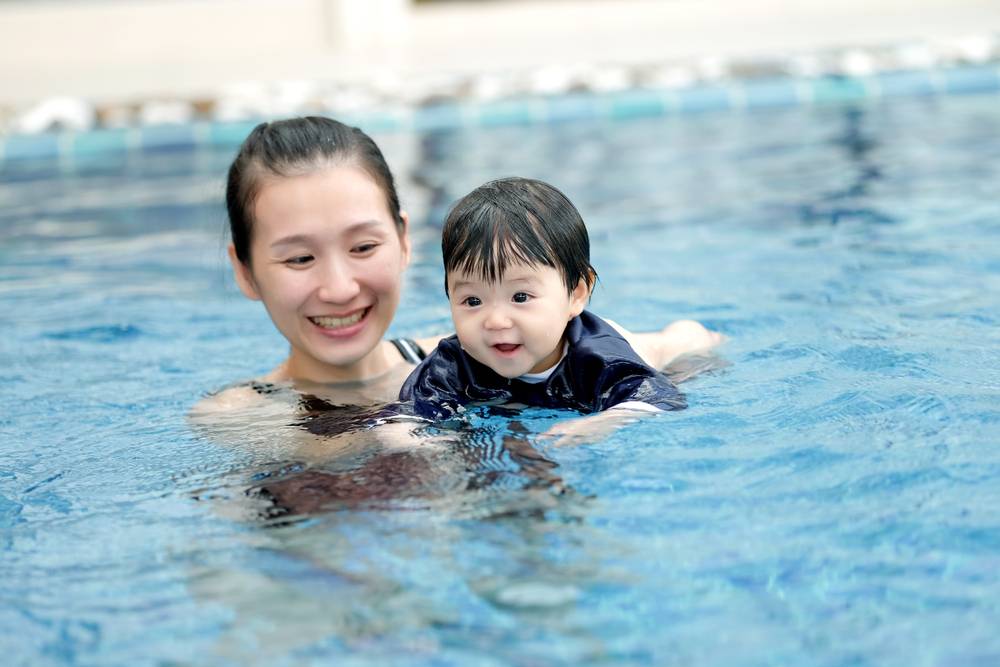
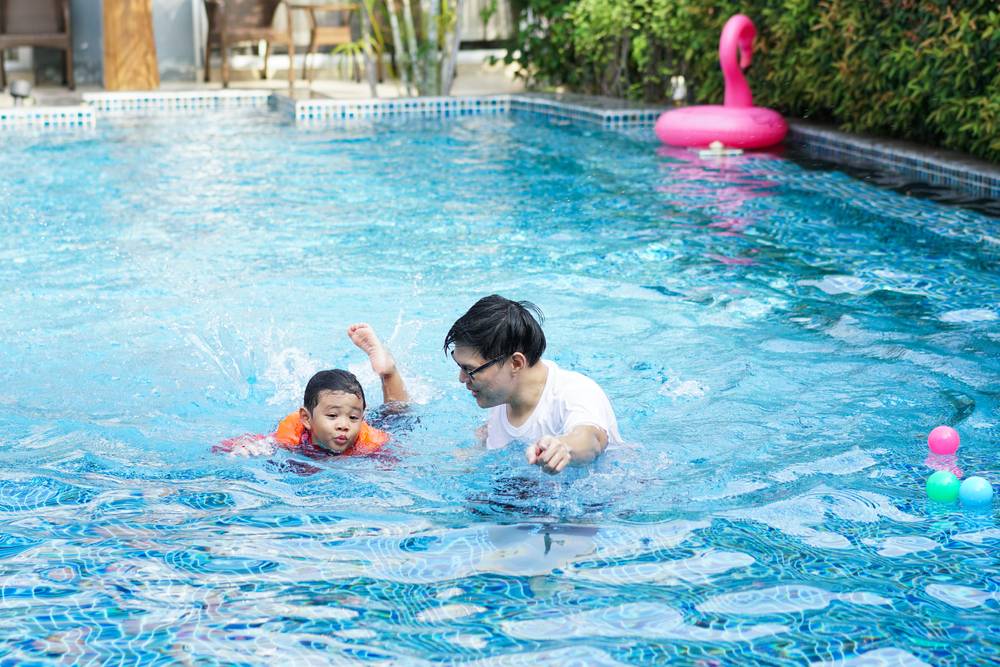
The first and most important step in how to train kids for swimming is building water confidence. Before any formal stroke training begins, children need to feel safe and comfortable in the pool. This includes getting used to water on their face, learning how to control breathing, and understanding that water is a friendly environment.
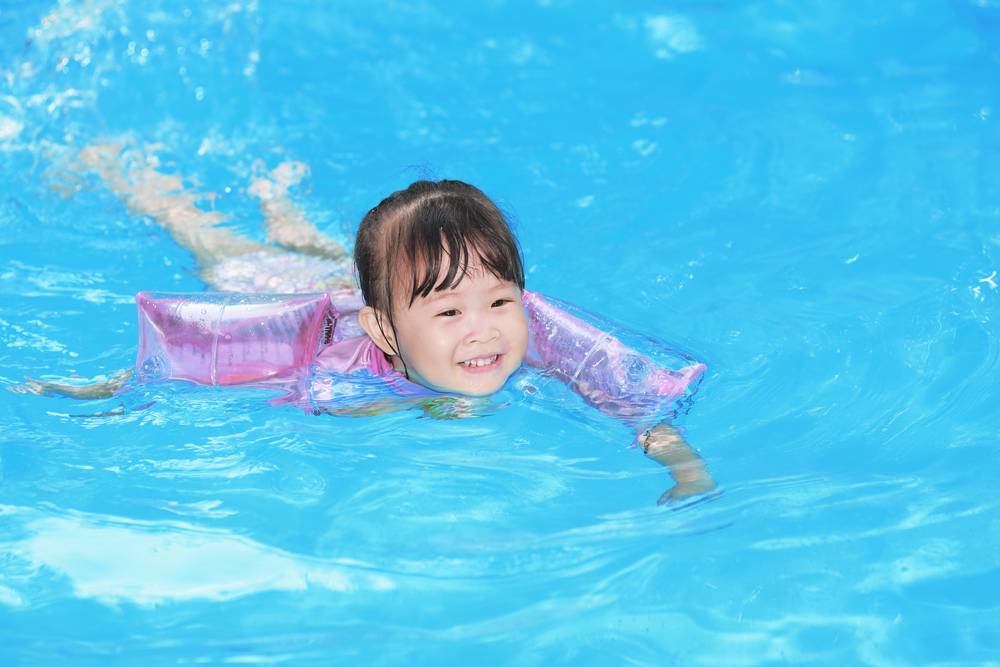
Water confidence is developed through gentle exposure and repetition. Simple activities such as blowing bubbles, walking in shallow water, and floating with support help children relax and trust the water. When kids feel calm, learning becomes much easier and faster.
According to Sport Singapore, early water familiarisation plays a crucial role in helping children develop long-term swimming confidence and safety awareness. Children who feel secure in water are more receptive to instruction and progress more smoothly through structured lessons.
Use Structured Progression Instead Of Rushing Skills
One of the most common mistakes parents make is trying to accelerate swimming skills too quickly. Effective kids swimming training follows a clear progression, where each stage builds on the previous one. Children need time to absorb new movements, coordination patterns, and breathing techniques.
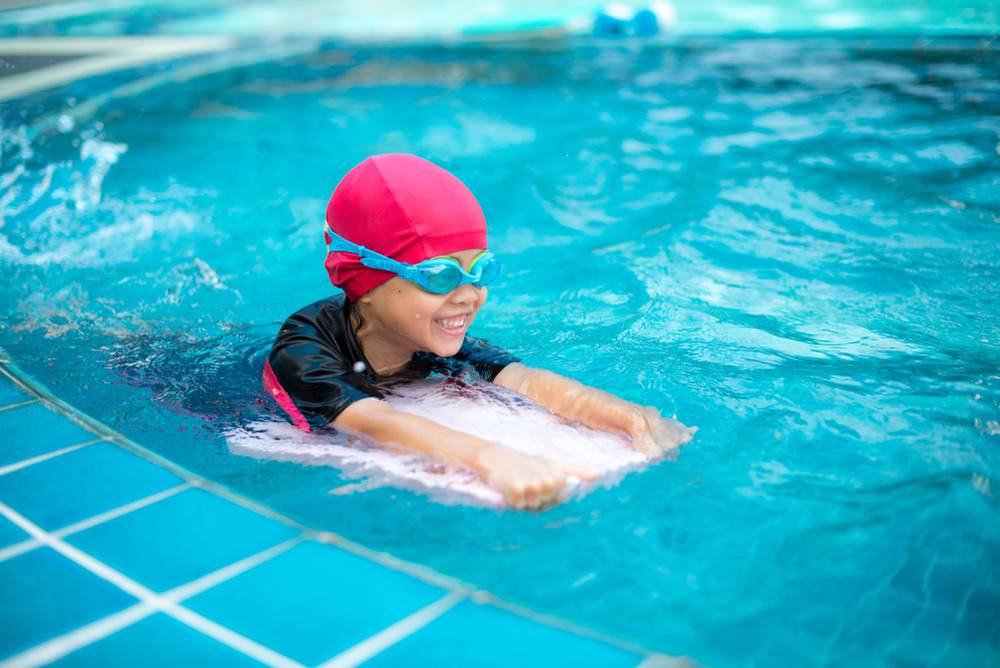
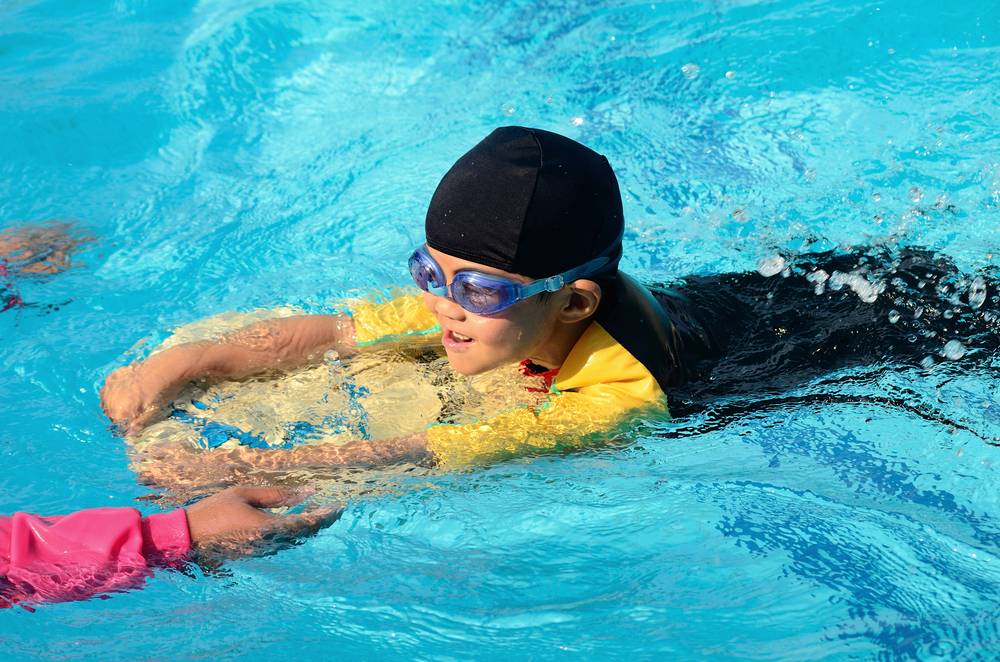
A structured approach usually begins with floating and basic propulsion. Once a child can float calmly and kick with balance, arm movements are introduced gradually. Stroke coordination comes later, followed by breathing control and endurance. This progression prevents frustration and reduces fear.
Programs aligned with the national SwimSafer framework are especially effective because they emphasise safety, confidence, and gradual skill development rather than speed. This ensures children gain both swimming ability and essential survival skills.
Make Swimming Feel Like Play, Not Pressure
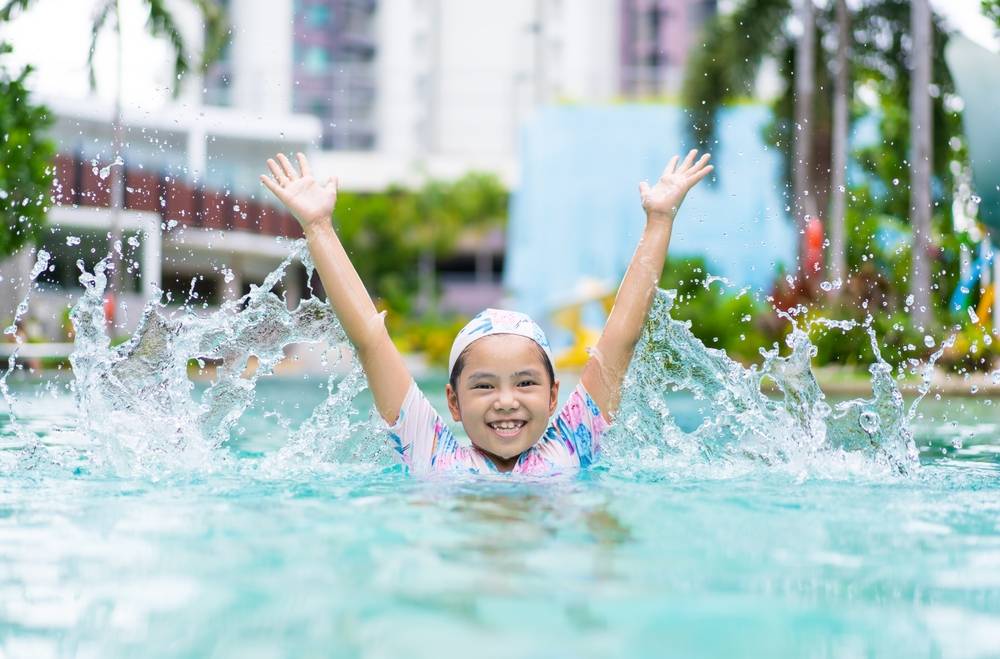
Children learn best when they are enjoying themselves. A key principle in how to train kids for swimming is to keep lessons engaging and positive. Swimming should feel like an exciting activity, not a stressful task.
Games, imaginative drills, and simple challenges help children stay focused without feeling overwhelmed. When kids associate swimming with fun, they become more willing to try new skills and practise consistently. Positive reinforcement is also essential. Celebrating small achievements builds motivation and confidence.
This approach aligns with findings from Harvard Health, which highlights that swimming supports both physical fitness and emotional well-being in children. When kids enjoy the process, they are more likely to remain active and engaged long-term.
Choose The Right Training Environment
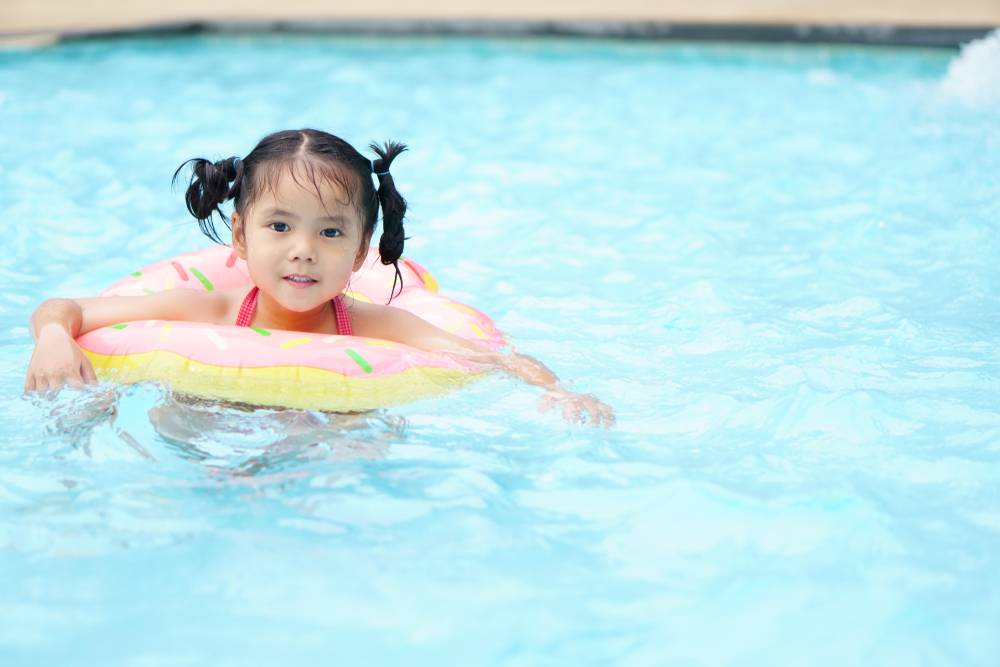
The environment plays a significant role in how effectively kids learn to swim. Calm, clean, and well-supervised pools help children feel safe and focused. For beginners, shallow teaching pools are ideal because they allow children to stand comfortably while learning basic skills.
Some families prefer public swimming complexes with structured lesson settings, while others choose private condo pools for a more familiar environment. Private lessons can be especially helpful for children who are shy, anxious, or require more individual attention.
HydroSplash offers flexible kids swimming lessons across public pools and private condo settings, allowing parents to choose the environment that best suits their child’s personality and comfort level.
Be Consistent With Training Frequency
Consistency is one of the most important factors in how to train kids for swimming successfully. Weekly lessons allow children to retain skills, build muscle memory, and progress steadily. Long gaps between sessions often lead to loss of confidence and slower improvement.
Regular exposure helps children feel familiar with the water and reinforces learned techniques. Over time, swimming becomes a routine rather than a novelty. This consistency also supports emotional regulation and physical development, especially during early childhood years.
Parents who commit to a steady schedule often notice faster progress and greater enthusiasm from their children. Swimming becomes something kids look forward to, not something they resist.
Encourage, Do Not Compare
Every child learns at a different pace. An essential part of how to train kids for swimming is avoiding comparisons with other children. Progress should always be measured against the child’s own improvement rather than external benchmarks.
Encouragement builds trust and motivation. When children feel supported rather than judged, they are more willing to try, fail, and try again. This mindset not only improves swimming ability but also fosters resilience and self-belief.
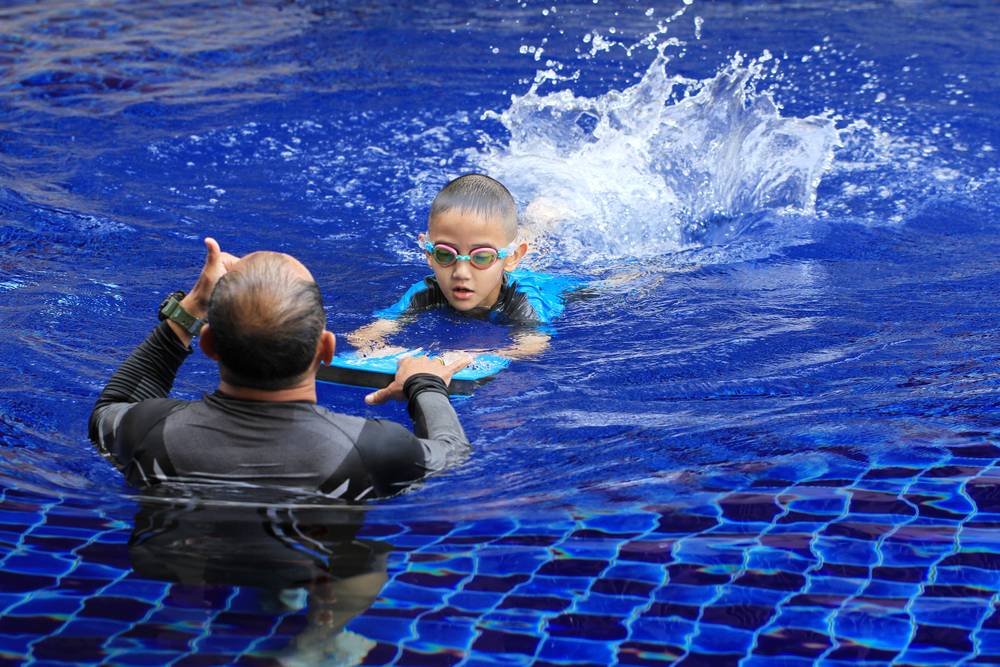
Coaches trained in child development understand how to adapt lessons to different learning styles. This personalised approach ensures that children progress confidently without pressure or fear.
Teach Safety Alongside Skills
Swimming training is not complete without safety education. Kids must learn how to enter and exit pools safely, understand pool rules, and recognise when to ask for help. These skills are just as important as learning strokes.
Structured programs that incorporate water safety principles help children develop awareness and responsibility in aquatic environments. This includes learning how to float when tired, recognising depth changes, and understanding basic rescue concepts appropriate for their age.
Safety-focused training builds lifelong habits that protect children beyond formal lessons.
Involve Parents In The Learning Process
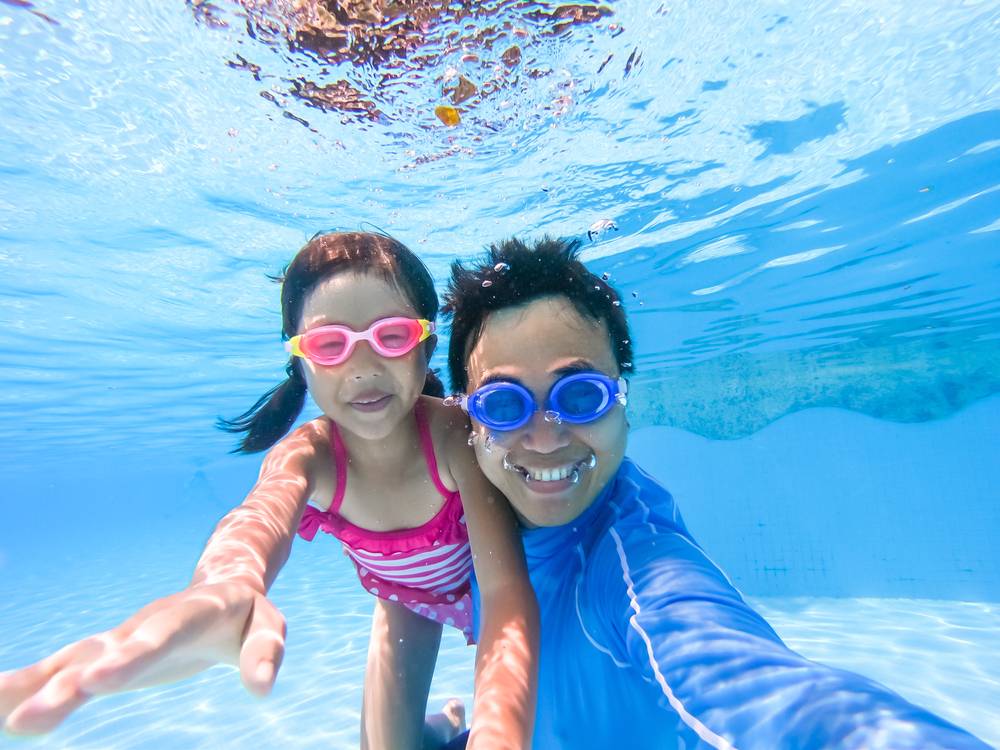
Parental involvement strengthens the effectiveness of kids swimming training. When parents show interest, provide encouragement, and maintain positive communication, children feel more supported. Even simple actions like watching lessons or practising basic movements together can reinforce learning.
Parents also play a role in reinforcing consistency and confidence outside of lessons. A calm, positive attitude toward swimming helps children remain relaxed and open to learning.
HydroSplash encourages family involvement while ensuring professional coaches guide technical instruction, creating a balanced and supportive learning environment.
Conclusion
Understanding how to train kids for swimming starts with patience, structure, and positivity. By focusing on water confidence, gradual skill progression, consistent practice, and safety education, children develop strong swimming foundations that last a lifetime.
When swimming is taught as a joyful and confidence-building experience, kids not only learn faster but also grow to love the water. With professional guidance and the right approach, swimming becomes a powerful tool for physical health, emotional development, and lifelong safety.
If you are ready to support your child’s swimming journey with a proven, child-focused approach, explore HydroSplash’s kids swimming lessons and give your child the confidence to thrive in water safely and happily.
FAQ
Q: What is the best age to start swimming training for kids?
A: Most children can begin structured swimming training from around three to five years old, depending on readiness and comfort.
Q: How long does it take for kids to learn swimming?
A: Progress varies, but with consistent weekly lessons, many kids gain basic swimming skills within a few months.
Q: Should kids learn swimming in public pools or condo pools?
A: Both options work well. The best choice depends on the child’s comfort level and learning style.
Q: Is structured swimming training safe for beginners?
A: Yes, when conducted by certified instructors in controlled environments, swimming training is very safe for beginners.
Click on the link to find out more about HydroSplash Swimming. Chat with our representatives today!
Home
About HydroSplash Swimming
Adult Swimming Lesson
Private Swimming Lesson
Kids Swimming Lesson
Whatsapp Us