SwimSafer Stage 3: Developing Strong Strokes and Safety Skills
Discover what SwimSafer Stage 3 covers, including stroke development, endurance, and survival skills, to help young swimmers build strength and safety.
SwimSafer Stage 3: Developing Strong Strokes and Safety Skills
By the time a child reaches SwimSafer Stage 3, the pool is no longer an unfamiliar place—it’s a training ground where skills and confidence begin to shine. As part of Singapore’s national SwimSafer program, Stage 3 transforms learners from beginners into swimmers with stronger strokes, better control, and a deeper understanding of survival skills. For parents, this is often the stage where children move from “getting by in the water” to truly swimming with purpose and technique.
What Is SwimSafer Stage 3?
SwimSafer Stage 3 is the middle stage of the program, and it bridges the gap between foundational skills and advanced swimming. While Stage 1 and Stage 2 focus on comfort, confidence, and basic propulsion, Stage 3 introduces structured stroke development, longer swimming distances, and more challenging survival exercises.
At this stage, learners are expected to swim independently with recognizable technique, demonstrate endurance, and understand more complex aspects of water safety. The goal isn’t just to survive in water, but to thrive as competent swimmers.
Skills Covered in SwimSafer Stage 3
Stage 3 introduces new challenges that encourage both physical endurance and technical improvement. Key skills include:
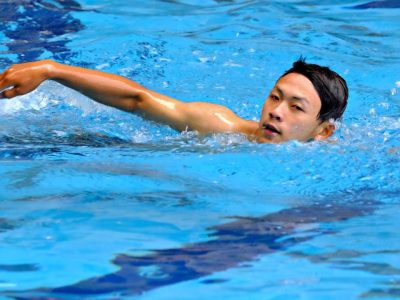
- Swimming 25 metres continuously using strokes like freestyle, breaststroke, and backstroke.
- Introduction to coordinated breathing techniques for freestyle and breaststroke.
- Basic survival strokes such as survival backstroke, which conserve energy in emergencies.
- Floating and treading water for longer durations, improving stamina and calmness in the water.
- Awareness of safety in open-water conditions, preparing learners for real-life aquatic environments.
These skills give learners the ability to swim comfortably over short distances while managing their energy efficiently.
Why SwimSafer Stage 3 Matters
SwimSafer Stage 3 is a turning point. Children transition from short, guided swims to longer, independent efforts. With each stroke, they not only build endurance but also refine technique—essential for more advanced swimming stages. Parents often see their child’s confidence soar as they realize, “I can swim across the pool without help.”
In Singapore, water safety remains a top priority. According to Channel News Asia, drowning is one of the leading causes of preventable deaths among children. Structured programs like SwimSafer, particularly from Stage 3 onwards, significantly reduce risks by ensuring children can swim meaningful distances and apply survival techniques when needed.
Preparing for SwimSafer Stage 3
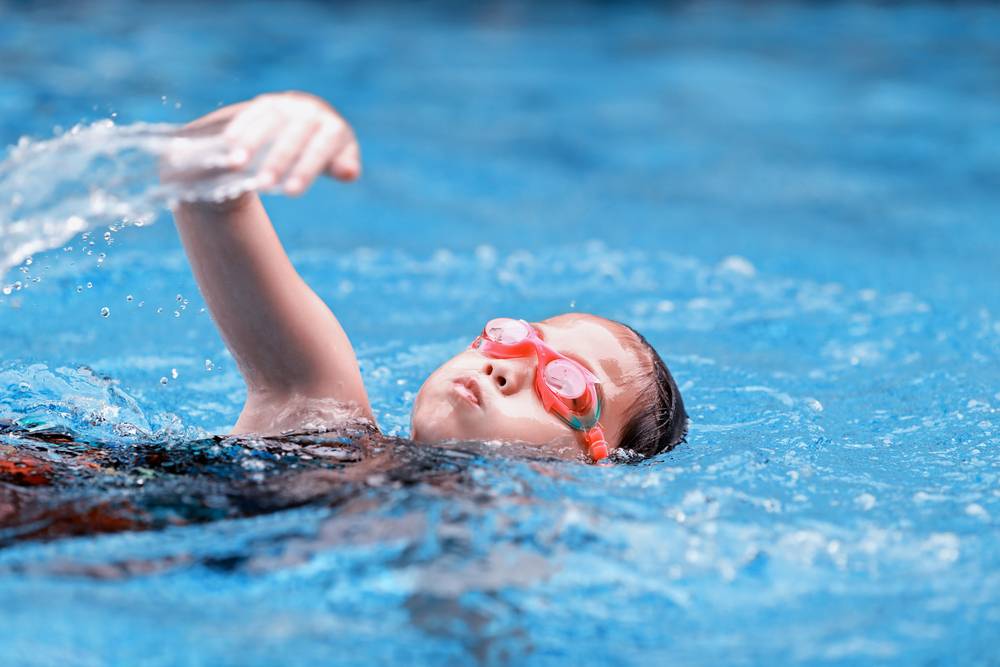
Preparation for this stage is all about practice and consistency. Children should work on breathing coordination, as it often becomes the biggest challenge when strokes get more technical. Coaches at this level emphasize rhythm, ensuring that swimmers don’t just move through the water but do so with efficiency and ease.

Parents can encourage practice by making swimming fun outside lessons. Short laps, playful competitions, and supportive encouragement go a long way in reinforcing confidence. Structured lessons ensure every skill is broken down into achievable steps, with coaches correcting technique and instilling discipline.
How SwimSafer Stage 3 Builds Progression
Building Progression with SwimSafer Stage 3
Stage 3 sets the foundation for endurance and technique that will carry swimmers into higher stages, where distances become longer and rescue skills more advanced. For example, the ability to swim 25 metres at Stage 3 prepares children to complete 50 metres and beyond in Stage 4. Mastery of survival strokes now also makes it easier to learn advanced lifesaving techniques later.
A global study in the Journal of Science and Medicine in Sport found that children who developed structured stroke techniques early on had significantly better long-term swimming proficiency compared to those who only learned informally. This reinforces why SwimSafer Stage 3 is such a crucial step in the journey.
Conclusion
SwimSafer Stage 3 is where swimming begins to look and feel like a skill for life. By mastering structured strokes, improving breathing, and learning survival techniques, children not only build endurance but also gain confidence that extends beyond the pool. It’s the stage where safety, strength, and skill come together to create capable swimmers.
For parents eager to give their children the best support on this journey, professional coaching makes a huge difference. Explore HydroSplash’s private swimming lessons to understand how structured, expert-led training builds confidence and skills that last a lifetime.
Frequently Asked Questions
Freestyle, breaststroke, and backstroke with coordinated breathing are introduced at this stage.
Learners are required to swim 25 metres continuously, demonstrating stroke control and endurance.
Skills include floating, treading water, and survival backstroke, preparing learners for emergencies.
It builds stamina, endurance, and proper stroke technique, all essential for progressing to Stage 4 and beyond.