How To Prevent Cramping While Swimming And Why It Happens
How to prevent cramping while swimming is a common concern among both beginner and experienced swimmers. Muscle cramps can happen suddenly during swimming sessions and often affect the calves, feet, toes, or thighs. While cramps are common, they are usually preventable with proper preparation and technique.
Swimming cramps are often linked to dehydration, muscle fatigue, poor technique, or inadequate conditioning. In many cases, swimmers unknowingly place excessive strain on certain muscle groups, especially when they are tense or unfamiliar with proper swimming mechanics. (pmc.ncbi.nlm.nih.gov)
Understanding the causes of cramps is the first step towards preventing them effectively.
Stay Properly Hydrated Before And During Swimming
One of the most important answers to how to prevent cramping while swimming is proper hydration. Many swimmers underestimate fluid loss because they are surrounded by water, but the body still loses fluids and electrolytes during exercise.
Dehydration affects muscle function and increases the likelihood of involuntary muscle contractions. According to sports medicine studies, electrolyte imbalance involving sodium, potassium, magnesium, and calcium can contribute significantly to cramping. (my.clevelandclinic.org)
Drinking water regularly before and after swimming sessions helps maintain fluid balance and supports muscle performance.
Warm Up Properly Before Entering The Pool
Skipping warm-ups is one of the biggest mistakes swimmers make. Cold and tight muscles are far more likely to cramp when suddenly exposed to repetitive movement and water resistance.
How to prevent cramping while swimming often starts before entering the pool. Gentle stretching, light walking, and gradual warm-up laps help increase blood circulation and prepare muscles for activity.
Warming up properly also improves flexibility and reduces muscular tension during swimming.
Improve Your Swimming Technique To Reduce Muscle Strain
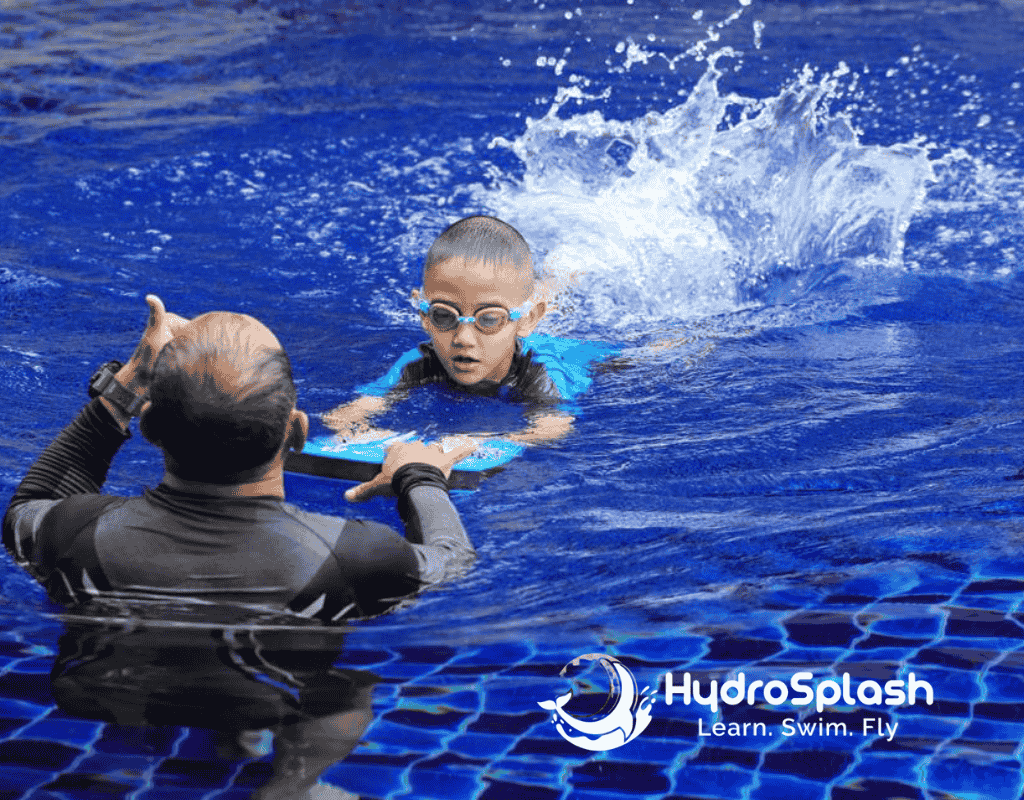
Poor technique is one of the most overlooked causes of swimming cramps. Beginners often kick too forcefully, point their toes excessively, or tense their muscles unnecessarily while trying to stay afloat.
How to prevent cramping while swimming becomes much easier when swimming movements are more efficient. Proper breathing control, relaxed kicking, and balanced body positioning reduce muscular overload and conserve energy.
At HydroSplash Swimming Academy, structured lessons focus on correcting inefficient movements and helping swimmers develop smoother and more sustainable swimming techniques.
Avoid Overexertion And Build Endurance Gradually
Many swimmers experience cramps because they push themselves beyond their conditioning level too quickly. Muscle fatigue is one of the most common triggers of cramping during swimming sessions.
How to prevent cramping while swimming involves understanding your physical limits and increasing training intensity progressively. Beginners should focus on shorter sessions and gradually build endurance over time.
Consistent practice helps muscles adapt to swimming movements, reducing fatigue and improving overall swimming efficiency.
Maintain Proper Electrolyte Balance For Muscle Function
Electrolytes play a major role in muscle contraction and nerve signalling. When sodium, potassium, magnesium, or calcium levels become imbalanced, muscles become more prone to cramping. (pmc.ncbi.nlm.nih.gov)
How to prevent cramping while swimming is not just about drinking water. Long swimming sessions or intense workouts may require proper electrolyte replenishment as well.
Balanced meals, hydration, and appropriate recovery help maintain healthy electrolyte levels and support better muscle performance.
Cold Water Can Increase Cramp Risks
Swimming in colder water may increase the likelihood of cramps because muscles tighten more quickly in lower temperatures. Sudden exposure to cold water can also affect circulation and muscular responsiveness.
How to prevent cramping while swimming in colder pools involves allowing the body to adjust gradually before swimming intensely. Entering the water slowly and performing gentle movements first can help muscles adapt more comfortably.
This gradual adjustment reduces shock to the muscles and lowers cramp risk.
Sport Singapore Encourages Structured Swimming Preparation
According to Sport Singapore (SportSG) and swimming education initiatives under ActiveSG, proper preparation and structured swimming education are important for both safety and performance.
Learning proper breathing techniques, body positioning, and water confidence through guided lessons helps swimmers reduce unnecessary tension and muscular strain.
Structured coaching not only improves swimming performance but also helps swimmers develop safer and more sustainable swimming habits.
Stretching And Recovery Help Prevent Future Swimming Cramps
Post-swim recovery is often overlooked, but it plays an important role in reducing future cramping episodes. Stretching after swimming helps relax muscles and improve flexibility, especially in the calves, hamstrings, and feet.
How to prevent cramping while swimming also involves allowing the body enough recovery between sessions. Overtraining without adequate rest may increase muscular fatigue and strain.
Proper sleep, recovery, and stretching support healthier muscular function over time.
Structured Swimming Lessons Help Improve Efficiency And Reduce Cramping
One of the most effective long-term solutions for how to prevent cramping while swimming is proper coaching. Many swimmers develop inefficient habits that increase muscular tension and fatigue without realising it.
HydroSplash Swimming Academy provides structured swimming lessons that help students improve breathing control, kicking efficiency, body positioning, and endurance progressively.
As swimming technique improves, movements become more natural and energy-efficient, significantly reducing the chances of cramping during swimming sessions.
Conclusion
How to prevent cramping while swimming comes down to preparation, conditioning, hydration, and proper swimming technique. Most cramps occur because muscles become overloaded, dehydrated, or fatigued during swimming.
With proper warm-ups, balanced hydration, gradual endurance training, and structured coaching, swimmers can significantly reduce cramping episodes and enjoy safer, more comfortable swimming experiences.
HydroSplash Swimming Academy helps swimmers build efficient swimming habits through guided lessons focused on technique, confidence, and long-term progression.
A: Leg cramps are commonly caused by dehydration, muscle fatigue, poor technique, or electrolyte imbalance.
A: Yes, proper hydration and electrolyte balance are important for healthy muscle function during swimming.
A: Yes, excessive muscle tension and inefficient kicking techniques can increase muscular strain and cramping risk.
A: Beginners should warm up properly, stay hydrated, avoid overexertion, and learn proper swimming techniques through structured lessons.
Click on the link to find out more about HydroSplash Swimming. Chat with our representatives today!
Home
About HydroSplash Swimming
Adult Swimming Lesson
Private Swimming Lesson
Kids Swimming Lesson
Whatsapp Us