Why Do I Get Cramps Every Time I Swim? Understanding The Real Causes
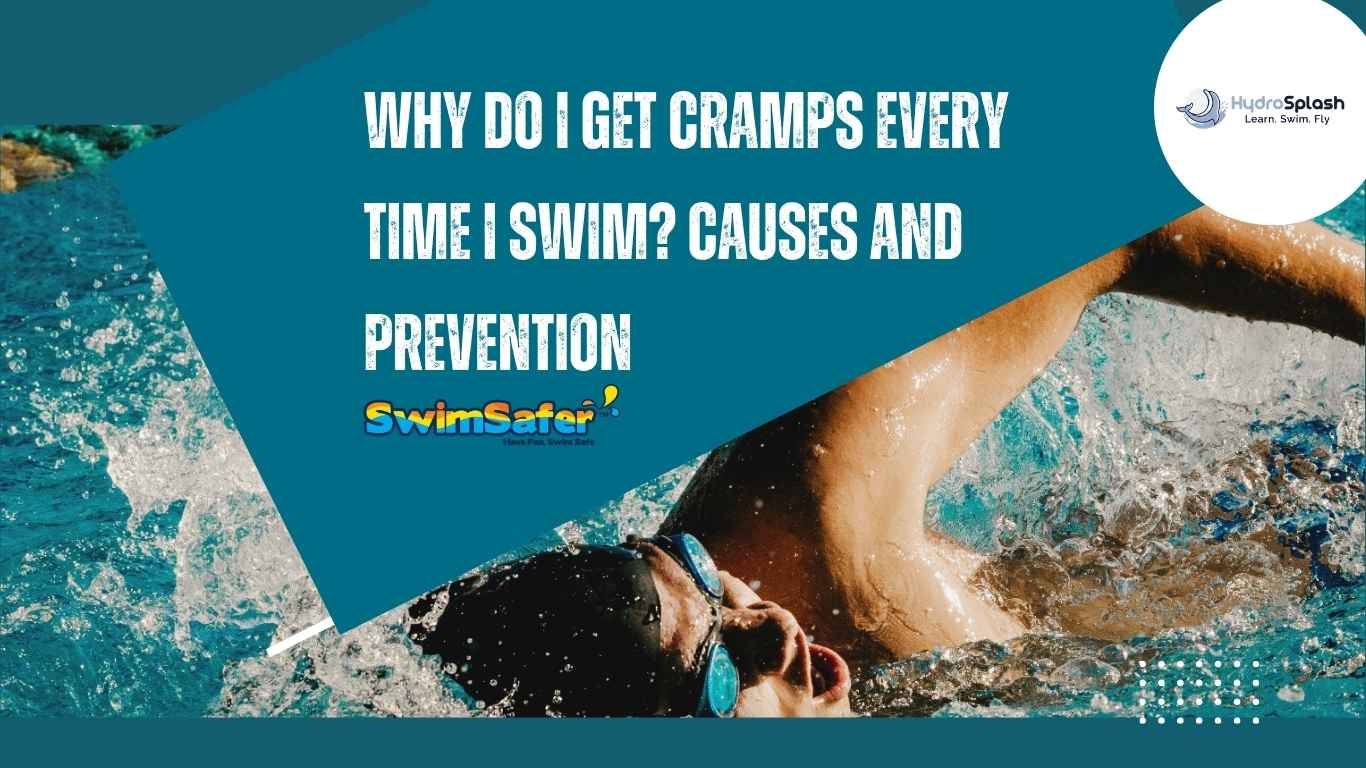
Why do I get cramps every time I swim? This is one of the most common questions swimmers ask, especially beginners and individuals returning to swimming after a long break. Muscle cramps during swimming can feel sudden, painful, and sometimes frightening, especially when they happen in deeper water.
In many cases, cramps occur because muscles become fatigued, dehydrated, or overloaded during swimming. Poor technique, insufficient warm-ups, and electrolyte imbalance can also increase the likelihood of cramping. According to swimming and sports medicine studies, cramps are often linked to a combination of muscular fatigue and fluid or electrolyte imbalance rather than a single cause alone.
Understanding why cramps happen is the first step towards preventing them effectively.
Dehydration Is One Of The Most Common Reasons For Swimming Cramps
Many swimmers assume they do not sweat while swimming because they are surrounded by water. In reality, swimming still causes fluid loss through sweating and breathing, especially during longer or more intense sessions.
Why do I get cramps every time I swim? In many cases, dehydration plays a significant role. When the body loses fluids and electrolytes such as sodium, potassium, and magnesium, muscles become more prone to involuntary contractions.
Research has also shown that drinking only plain water after heavy sweating may dilute electrolytes further, potentially increasing cramp susceptibility.
Staying properly hydrated before and during swimming is essential for reducing cramp risk.
Poor Swimming Technique Can Overload Your Muscles
Why do I get cramps every time I swim even when I am hydrated? Sometimes the issue is technique rather than hydration.
Beginners often kick too hard, tense their feet excessively, or hold awkward body positions while trying to stay afloat. This places unnecessary strain on the calf muscles, feet, and toes, which are among the most common areas for swimming cramps.
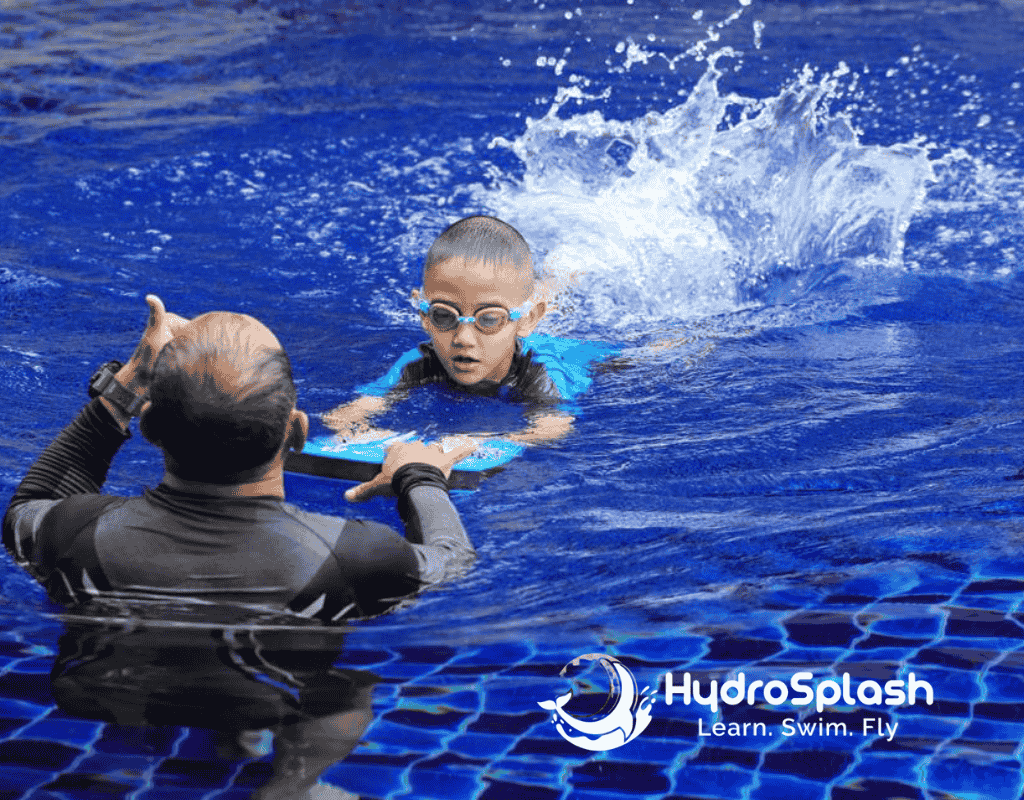
Improper breathing techniques can also cause the body to tense up unnecessarily, increasing muscular fatigue. At HydroSplash Swimming Academy, structured lessons help swimmers improve body positioning, breathing control, and kicking efficiency to reduce unnecessary muscle strain.
Better technique allows swimmers to conserve energy and reduce cramping significantly.



Muscle Fatigue Is A Major Trigger For Swimming Cramps
Muscle fatigue is another major reason why swimmers experience cramps. When muscles are overworked or pushed beyond their conditioning level, they become more likely to spasm involuntarily.
This is especially common among beginners, infrequent swimmers, or individuals who suddenly increase training intensity.
Why do I get cramps every time I swim after only a few laps? In many situations, the body simply has not adapted to the physical demands of swimming yet. Consistent training and gradual progression help muscles build endurance and reduce fatigue-related cramping over time.
Cold Water Can Increase The Chances Of Cramping
Swimming in cold water can tighten muscles and increase the likelihood of cramps. Sudden exposure to colder temperatures may cause muscles to contract more aggressively, especially if the body has not warmed up properly beforehand.
Why do I get cramps every time I swim in colder pools or open water? Temperature changes affect circulation and muscle responsiveness, making cramps more likely in some individuals.
Allowing the body to adjust gradually to colder water and warming up properly beforehand can help reduce this risk.
Electrolyte Imbalance May Be Affecting Your Swimming Performance
Electrolytes such as sodium, magnesium, potassium, and calcium play an important role in muscle contraction and nerve function. When these minerals become imbalanced, muscles may cramp more easily.
Why do I get cramps every time I swim during intense sessions? Heavy sweating and prolonged exercise can deplete electrolytes quickly, especially in hot weather or during competitive training.
Studies have shown that electrolyte replacement may reduce muscle cramp susceptibility more effectively than plain water alone.
This is why many swimmers benefit from proper electrolyte intake before and after longer sessions.
How Proper Warm-Ups Help Prevent Swimming Cramps
Skipping warm-ups is one of the most overlooked causes of swimming cramps. Cold and tight muscles are more likely to cramp once intense movement begins.
Why do I get cramps every time I swim without warning? Often, the muscles are simply unprepared for sudden activity. Light stretching, gentle kicking, and gradual warm-up laps help prepare the muscles and improve circulation before full swimming intensity begins.
A proper warm-up reduces tension and helps muscles respond more efficiently during swimming.
Swimming Fitness And Conditioning Matter More Than Most People Think
Swimming requires coordination, endurance, and muscular conditioning. Individuals who swim only occasionally are generally more prone to cramps because their muscles are not fully adapted to repetitive aquatic movement.
Why do I get cramps every time I swim after taking long breaks from training? Reduced conditioning often causes muscles to fatigue faster, increasing cramp risk.
Consistent swimming sessions improve muscular endurance, circulation, and overall body adaptation, making cramps less frequent over time.
Sport Singapore Highlights The Importance Of Safe Swimming Preparation
According to Sport Singapore (SportSG) and swimming education initiatives under ActiveSG, proper swimming preparation, conditioning, and water competency are important for both safety and performance.
Structured swimming lessons help swimmers improve technique, breathing control, endurance, and water confidence progressively. These factors not only improve swimming ability but also reduce unnecessary muscular strain and cramping risks.
At HydroSplash Swimming Academy, lessons are designed to help swimmers develop safer and more efficient movement patterns through guided progression and proper coaching.
How To Prevent Cramps While Swimming More Effectively
Preventing swimming cramps requires a combination of hydration, conditioning, technique improvement, and proper preparation.
Swimmers should hydrate before entering the pool, warm up properly, and avoid pushing beyond their physical conditioning level too quickly. Stretching tight muscle groups and maintaining proper electrolyte balance can also help reduce cramping significantly.
Most importantly, learning proper swimming technique through structured lessons helps reduce unnecessary muscular tension and fatigue, making swimming more efficient and comfortable.
Conclusion
Why do I get cramps every time I swim? In most cases, the answer comes down to a combination of dehydration, muscle fatigue, poor technique, electrolyte imbalance, or inadequate preparation.
Swimming cramps are common, especially among beginners and inconsistent swimmers, but they can usually be reduced through proper hydration, structured training, conditioning, and technique improvement.
HydroSplash Swimming Academy helps swimmers build safer and more efficient swimming habits through guided lessons designed to improve confidence, endurance, and overall swimming performance. With the right preparation and coaching, swimming becomes far more comfortable, enjoyable, and sustainable.
A: Leg cramps during swimming are commonly caused by dehydration, muscle fatigue, poor kicking technique, or electrolyte imbalance.
A: Yes, dehydration and electrolyte loss are among the most common causes of muscle cramps during swimming.
A: Yes, inefficient kicking and excessive muscle tension can overload muscles and increase cramping risk.
A: Proper hydration, stretching, warm-ups, conditioning, and structured swimming technique training can help reduce cramps significantly.
Click on the link to find out more about HydroSplash Swimming. Chat with our representatives today!
Home
About HydroSplash Swimming
Adult Swimming Lesson
Private Swimming Lesson
Kids Swimming Lesson
Whatsapp Us