HydroSplash Swimming Academy

Countdown to World Aquatics Championships 2025 in SG

Countdown to World Aquatics Championships 2025 in SG: How to Prep Young Swimmers

World Aquatics Championships 2025 With the countdown ticking away toward the World Aquatics Championships 2025 hosted right here in sunny Singapore, parents, coaches, and aspiring young swimmers across the island are beginning to feel the excitement and maybe a slight touch of nerves. Preparing young athletes for such a prestigious event isn’t just about intensive training—it’s about developing the right mindset, mastering skills, and nurturing a love for the sport that goes beyond winning medals. If your child dreams of taking the plunge into competitive swimming at this global event, now’s the perfect time to gear up their preparations. Building a Solid Foundation: Countdown to World Aquatics Championships 2025 in SG: How to Prep Young Swimmers The first thing to understand about prepping young swimmers is the importance of a solid foundation. Imagine trying to build Marina Bay Sands without sturdy support beams—you wouldn’t get far, would you? Similarly, young swimmers need robust fundamentals to swim competitively. At HydroSplash Swimming Academy, we emphasize mastering basic swimming techniques first—strokes, breathing, kicking, and turns. Ensuring your child has flawless fundamentals means they can handle advanced techniques with ease and confidence later. Physical Conditioning: Countdown to World Aquatics Championships 2025 in SG: How to Prep Young Swimmers Swimming competitively demands endurance and strength. Just like preparing for the Singapore marathon involves months of dedicated training, gearing up for the World Aquatics Championships calls for systematic physical conditioning. A tailored training program incorporating swimming drills, strength exercises, and flexibility routines is essential. At HydroSplash Swimming Academy, we believe physical conditioning should be balanced, age-appropriate, and tailored to your child’s specific developmental stage to prevent injury and encourage consistent performance growth. Research in Singapore indicates that young swimmers who follow structured conditioning routines not only perform better but also experience fewer injuries and burnouts. This insight highlights the importance of thoughtful preparation, particularly as young swimmers eye international championships. Mental Preparation: Countdown to World Aquatics Championships 2025 in SG: How to Prep Young Swimmers Swimming is as much a mental game as it is physical. The pressure of performing on a global stage can be daunting, especially for younger athletes. Mental toughness, resilience, and the ability to cope with stress and anxiety are crucial traits to nurture in young swimmers. HydroSplash Swimming Academy integrates mindfulness and mental conditioning strategies into training programs, enabling athletes to manage their emotions and stay focused during competitions. Studies conducted by the Singapore Sports Institute have shown that youth athletes who engage regularly in mindfulness and psychological coaching report higher levels of satisfaction, confidence, and improved performance. The key takeaway? Don’t underestimate the power of mental readiness. Nutrition Matters: Countdown to World Aquatics Championships 2025 in SG: How to Prep Young Swimmers When preparing for something as significant as the World Aquatics Championships, nutrition plays a pivotal role. Think of your young swimmer as a Formula One car—fuel matters. Proper hydration, balanced meals rich in carbohydrates, proteins, and healthy fats, and adequate vitamins and minerals are non-negotiable for peak performance. Nutrition education at HydroSplash Swimming Academy involves teaching young athletes about meal planning, nutrient timing, and smart snacking habits tailored specifically for swimmers. Rest and Recovery: Countdown to World Aquatics Championships 2025 in SG: How to Prep Young Swimmers In the quest to become champions, parents and coaches sometimes overlook the importance of rest. Just as your phone needs regular charging to perform efficiently, young swimmers need quality rest and recovery to sustain training intensity and avoid burnout. HydroSplash Swimming Academy emphasizes the significance of adequate sleep, active recovery routines, and regular rest days to maximize performance gains and ensure young swimmers stay healthy, motivated, and enthusiastic throughout their training journey. Parental Support and Coaching: Countdown to World Aquatics Championships 2025 in SG: How to Prep Young Swimmers Your role as parents and coaches is crucial in shaping young swimmers’ experiences leading up to major competitions. Encouragement, patience, and constructive feedback help swimmers grow, learn, and maintain their love for the sport. At HydroSplash Swimming Academy, our coaches work closely with families, providing ongoing communication and personalized attention. We understand the unique pressures young swimmers face, especially when aiming to compete at the global level, and strive to create an environment where athletes feel supported, understood, and inspired. Setting Realistic Goals: Countdown to World Aquatics Championships 2025 in SG: How to Prep Young Swimmers Setting achievable yet challenging goals helps young swimmers stay motivated and focused on their training. Goals should be SMART—specific, measurable, attainable, relevant, and timely. HydroSplash Swimming Academy coaches guide athletes in creating personalized goal-setting plans that help them track progress and celebrate achievements along the way. This structured approach builds confidence and gives swimmers a sense of direction as they prepare for high-level competitions such as the World Aquatics Championships. Building Confidence Through Competition: Countdown to World Aquatics Championships 2025 in SG: How to Prep Young Swimmers Regular participation in local swimming meets is essential for gaining competition experience and building confidence. These events provide young swimmers with valuable insights into their strengths and areas needing improvement. HydroSplash Swimming Academy regularly organizes and supports participation in local competitions, ensuring swimmers develop the experience necessary to thrive under pressure. This exposure helps them gradually become accustomed to the competitive environment, preparing them thoroughly for global events. Creating Lifelong Passion: Countdown to World Aquatics Championships 2025 in SG: How to Prep Young Swimmers While medals and accolades are significant, fostering a lifelong passion for swimming is perhaps the greatest gift coaches and parents can offer. At HydroSplash Swimming Academy, we are dedicated to instilling a lasting love for the sport, regardless of competitive outcomes. Our philosophy prioritizes enjoyment, personal growth, and continuous learning, ensuring young swimmers view competitions as exciting milestones rather than stressful obligations. As Singapore prepares to host the World Aquatics Championships 2025, the journey ahead promises to be both thrilling and enriching. At HydroSplash Swimming Academy, we’re excited to support young swimmers every stroke of the way, preparing them not just to compete, but

Top 10 Kid-Friendly Public Pools in Singapore to Beat the June Heat

Top 10 Kid-Friendly Public Pools in Singapore to Beat the June Heat

Top 10 Kid-Friendly Public Pools in Singapore to Beat the June Heat The sweltering June heat in Singapore is no laughing matter, especially when you’ve got energetic kids climbing the walls at home. Thankfully, Singapore is blessed with some fantastic public swimming pools that can turn that relentless heat into a splash of joy. Whether your kiddos are seasoned little swimmers or just dipping their toes into water fun, these pools promise excitement, safety, and a refreshing family outing. So let’s explore the top 10 kid-friendly public pools in Singapore to beat the June heat, making your summer a little more bearable and a lot more enjoyable. Top 10 Kid-Friendly Public Pools in Singapore to Beat the June Heat: Jurong East Swimming Complex Ah, Jurong East Swimming Complex—the veritable Disneyland of public pools. Complete with thrilling water slides, lazy rivers, and wave pools, it’s a paradise where kids (and let’s face it, adults) can spend hours splashing around without a care. It’s the place where parents happily become kids again, squealing louder than their little ones on the rides. What’s more, the complex boasts plenty of shaded seating for parents to relax and keep an eye on their excited swimmers, a feature any seasoned parent knows is worth its weight in gold. Top 10 Kid-Friendly Public Pools in Singapore to Beat the June Heat: Pasir Ris Swimming Complex If you’re craving that beachy vibe without the sand sticking everywhere, Pasir Ris Swimming Complex is your go-to spot. Kids love the shallow pools with playful water structures, while the slides offer just enough thrill to satisfy adventure-seeking tweens. The breezy atmosphere and nearby parks make it ideal for a full-day family picnic adventure. It’s a hidden gem that balances adventure and relaxation perfectly. Top 10 Kid-Friendly Public Pools in Singapore to Beat the June Heat: Sengkang Swimming Complex With a design that rivals fancy resorts, Sengkang Swimming Complex is not your everyday public pool. Featuring spacious slides, interactive splash pads, and dedicated kiddie zones, it’s a haven for young swimmers learning confidence in the water. The ample shaded areas also mean parents won’t be baking under the sun. It’s the ideal blend of fun and practicality, just like the HydroSplash approach to swimming lessons. Top 10 Kid-Friendly Public Pools in Singapore to Beat the June Heat: Choa Chu Kang Swimming Complex Choa Chu Kang Swimming Complex offers a delightful balance of excitement and calmness. The wave pool mimics gentle ocean waves, perfect for children new to swimming. Its interactive playground and gentle slides make it a safe yet thrilling experience, perfect for children gaining their water confidence. If your kids are inspired by their pool experiences here, HydroSplash Swimming Academy’s expert coaches can help turn their enthusiasm into skillful swimming through our specially tailored private swimming lessons. Top 10 Kid-Friendly Public Pools in Singapore to Beat the June Heat: Jurong West Swimming Complex If your children prefer quieter, calmer pools with ample space to splash around, Jurong West Swimming Complex is ideal. It’s spacious, clean, and has an excellent toddler-friendly wading area. Parents also appreciate the relaxed atmosphere, where teaching basic swimming skills becomes an easygoing, enjoyable affair—much like the nurturing environment at HydroSplash Swimming Academy. Top 10 Kid-Friendly Public Pools in Singapore to Beat the June Heat: Bukit Batok Swimming Complex Bukit Batok’s complex may not boast gigantic slides, but it is immensely welcoming for younger children. The small, shallow pools are perfect for toddlers gaining water confidence. It’s a tranquil spot where families can enjoy swimming lessons together, an ethos similar to the inclusive approach HydroSplash Swimming Academy advocates in every swimming class. Top 10 Kid-Friendly Public Pools in Singapore to Beat the June Heat: Woodlands Swimming Complex A local favourite, Woodlands Swimming Complex has vibrant interactive water features and gentle slides that delight younger swimmers. It’s especially great for families looking to introduce their little ones to water play safely and engagingly. If your kids develop a love for water here, consider advancing their skills at HydroSplash Swimming Academy through structured, personalised lessons. Top 10 Kid-Friendly Public Pools in Singapore to Beat the June Heat: Yishun Swimming Complex At Yishun Swimming Complex, families appreciate the clean, safe pools specifically designed for younger children. With easy-to-navigate spaces and water play areas, it’s a fantastic spot for families to spend leisurely days swimming. Much like HydroSplash, it prioritises safety, cleanliness, and fun, making it a top choice among local parents. Top 10 Kid-Friendly Public Pools in Singapore to Beat the June Heat: Ang Mo Kio Swimming Complex Ang Mo Kio Swimming Complex is popular among families for its accessibility, clean facilities, and kid-friendly pools. It’s particularly suitable for kids taking their first strokes in water, providing a secure environment similar to the careful attention provided during HydroSplash’s lessons. Top 10 Kid-Friendly Public Pools in Singapore to Beat the June Heat: Tampines Swimming Complex Last but not least, Tampines Swimming Complex provides the perfect blend of water excitement and safety, ensuring kids of all ages have something enjoyable to engage with. The slides and shallow pools offer fun while ensuring safety—exactly the experience HydroSplash Swimming Academy aims to replicate during every single lesson. Swimming: More Than Just Fun and Games Singapore’s National Water Safety Council highlights the importance of teaching children water safety and swimming skills, citing increased safety and confidence as key benefits. A recent local study showed that structured swimming lessons significantly reduced drowning risks among children aged 1-14 in Singapore (source). Confidence through Structured Swimming Lessons Structured lessons help children build coordination, confidence and social skills in the water. Elevate Your Child’s Swimming Skills at HydroSplash Swimming Academy School holidays provide a fantastic opportunity to enrol your child in structured, enjoyable school holiday swimming lessons, making the most of their time off. At HydroSplash Swimming Academy, our dedicated coaches deliver personalised attention in private and small-group settings, ensuring every child feels confident, capable, and joyful in the water. Beat the Heat with HydroSplash Swimming Academy This June!

How Do You Deal With Aquaphobia

How Do You Deal With Aquaphobia? A Comprehensive Guide

How Do You Deal With Aquaphobia? Understanding Aquaphobia Aquaphobia, the persistent and irrational fear of water, can significantly impact an individual’s quality of life. Whether stemming from a traumatic experience or a lack of exposure, this fear often leads to avoidance of water-related activities, hindering both recreational enjoyment and essential life skills. At HydroSplash Swimming Academy, we recognize the profound effect aquaphobia can have and are dedicated to helping individuals confront and overcome this fear through tailored swimming programs. The HydroSplash Approach to Aquaphobia Addressing aquaphobia requires a compassionate and individualized approach. Our experienced instructors at HydroSplash Swimming Academy employ a combination of gradual exposure techniques and personalized coaching to help students build confidence in the water. By creating a supportive and non-judgmental environment, we encourage students to progress at their own pace, celebrating each milestone achieved. This method not only alleviates fear but also fosters a positive association with water activities. Success Stories: Triumph Over Aquaphobia Many of our students have transformed their relationship with water through our programs. For instance, a 35-year-old professional who had avoided swimming for decades due to a childhood incident shared: “I never thought I’d be comfortable in water again. But with the patience and guidance of the HydroSplash team, I now swim regularly and even enjoy it!” Such testimonials underscore the effectiveness of our approach in helping individuals reclaim their confidence and embrace water-related activities. The Importance of Addressing Aquaphobia Overcoming aquaphobia is not just about learning to swim; it’s about enhancing quality of life. Swimming offers numerous benefits, including improved physical health, stress reduction, and social engagement. By confronting and managing this fear, individuals open doors to new experiences and personal growth. Take the First Step with HydroSplash Swimming Academy If you’ve been held back by a fear of water, know that you’re not alone, and help is available. HydroSplash Swimming Academy is committed to supporting you through every stage of your journey toward overcoming aquaphobia. Explore our Adult Swimming Lessons and discover how our personalized programs can make a difference in your life. Embrace the opportunity to transform fear into confidence with HydroSplash Swimming Academy. Click on the link to find out more about HydroSplash Swimming. Chat with our representatives today!About HydroSplash SwimmingAdult Swimming LessonPrivate Swimming LessonKids Swimming LessonWhatsapp Us

What Is the Fear of Water Called

What Is The Fear Of Water Called? Understanding Aquaphobia

What Is The Fear Of Water Called? The fear of water is medically termed aquaphobia, a specific phobia characterized by an intense and irrational fear of water. Individuals with aquaphobia may experience anxiety when near water bodies, ranging from swimming pools to oceans, and even during activities like bathing. This condition can significantly impact daily life, limiting recreational activities and essential life skills. Differentiating Aquaphobia from Other Water-Related Fears While aquaphobia refers to a general fear of water, it’s essential to distinguish it from other related phobias: Understanding these distinctions is crucial for accurate diagnosis and effective treatment. Causes and Symptoms of Aquaphobia Aquaphobia can develop due to various factors: Inherited Tendencies: Observing family members with similar fears can influence one’s perception of water. Traumatic Experiences: Near-drowning incidents or witnessing water-related accidents can instill a lasting fear. Lack of Exposure: Limited interaction with water during formative years can lead to unfamiliarity and apprehension. Symptoms may include: Panic attacks or intense anxiety at the thought of water exposure Rapid heartbeat and shortness of breath when near water Avoidance of water-related activities HydroSplash Swimming Academy’s Approach to Overcoming Aquaphobia At HydroSplash Swimming Academy, we recognize the profound impact aquaphobia can have on individuals. Our tailored programs are designed to address and alleviate this fear through: 1. Personalized Lessons: Understanding that each individual’s experience with aquaphobia is unique, our coaches develop customized lesson plans to address specific fears and comfort levels. 2. Gradual Exposure: We employ a step-by-step approach, starting with basic water familiarization techniques and progressively introducing more complex skills as confidence builds. 3. Supportive Environment: Creating a safe and empathetic space is paramount. Our instructors are trained to provide encouragement and positive reinforcement throughout the learning process. 4. Flexible Learning Options: Recognizing that comfort can be enhanced in familiar settings, we offer private lessons at various locations across Singapore, including home pools, to cater to individual preferences. Success Stories: Triumph Over Aquaphobia Many of our students have transformed their relationship with water through our programs. For instance, a 35-year-old professional who had avoided swimming for decades due to a childhood incident shared: “I never thought I’d be comfortable in water again. But with the patience and guidance of the HydroSplash team, I now swim regularly and even enjoy it!” Such testimonials underscore the effectiveness of our approach in helping individuals reclaim their confidence and embrace water-related activities. The Importance of Addressing Aquaphobia Overcoming aquaphobia is not just about learning to swim; it’s about enhancing quality of life. Swimming offers numerous benefits, including improved physical health, stress reduction, and social engagement. By confronting and managing this fear, individuals open doors to new experiences and personal growth. Take the First Step with HydroSplash Swimming Academy If you’ve been held back by a fear of water, know that you’re not alone, and help is available. HydroSplash Swimming Academy is committed to supporting you through every stage of your journey toward overcoming aquaphobia. Explore our Adult Swimming Lessons and discover how our personalized programs can make a difference in your life. Embrace the opportunity to transform fear into confidence with HydroSplash Swimming Academy. Click on the link to find out more about HydroSplash Swimming. Chat with our representatives today!About HydroSplash SwimmingAdult Swimming LessonPrivate Swimming LessonKids Swimming LessonWhatsapp Us

How Can I Make Swimming More Effective

How Can I Make Swimming More Effective? Unlock Your Potential

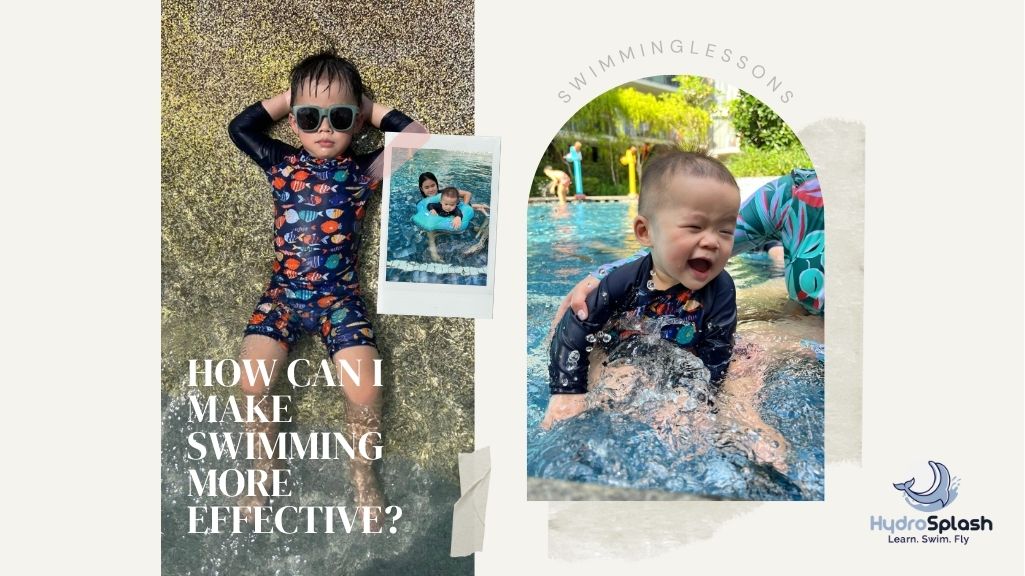
How Can I Make Swimming More Effective? Ever feel like you’re putting in the laps but not seeing the progress you desire? You’re not alone. Many swimmers, from beginners to seasoned enthusiasts, often ponder, “How can I make swimming more effective?” At HydroSplash Swimming Academy, we understand the nuances of this aquatic art and are here to guide you toward maximizing your swimming efficiency and enjoyment. Understanding Effective Swimming Effective swimming isn’t just about speed; it’s about moving through the water with grace, efficiency, and purpose. It’s the harmonious blend of technique, strength, endurance, and mental focus. Achieving this balance can transform your swimming experience from mundane to exhilarating. Personalized Coaching One-size-fits-all? Not in our vocabulary. At HydroSplash Swimming Academy, we believe that every swimmer is unique, with individual strengths, challenges, and goals. Our personalized coaching programs are tailored to meet these specific needs, ensuring that each session propels you closer to your objectives. Customized Training Plans Our experienced coaches assess your current skill level, discuss your aspirations, and design a training regimen that aligns with your lifestyle and ambitions. Whether you’re aiming to master a new stroke, build endurance, or overcome water anxiety, we’ve got you covered. Flexible Scheduling We recognize that life can be as unpredictable as a rogue wave. That’s why we offer flexible scheduling options, allowing you to integrate swimming seamlessly into your routine without added stress. Technique Refinement: The Key to Efficiency Splashing around might be fun, but refining your technique is where the magic happens. Our coaches employ a hands-on approach, providing immediate feedback to help you fine-tune your strokes, breathing, and overall form. Stroke Analysis Through detailed stroke analysis, we identify areas for improvement and introduce drills that target specific aspects of your technique. This focused attention ensures that you’re not just swimming more, but swimming better. Breathing Techniques Proper breathing is the unsung hero of effective swimming. We teach rhythmic breathing patterns that enhance oxygen flow, reduce fatigue, and keep you gliding smoothly through the water. Building Strength and Endurance Think of your body as the engine and swimming as the vehicle. To make that vehicle perform optimally, the engine needs to be robust. Dryland Training Incorporating strength training exercises outside the pool can significantly enhance your swimming performance. Our programs include dryland workouts that focus on building core strength, flexibility, and overall fitness. Endurance Drills Stamina doesn’t build itself. We integrate endurance drills into your swimming sessions, gradually increasing intensity to boost your cardiovascular fitness and muscle endurance. Mental Preparation: Cultivating the Right Mindset Swimming is as much a mental game as it is physical. Developing a positive and focused mindset can make a world of difference. Goal Setting Together, we set realistic and achievable goals, providing you with a clear roadmap and the motivation to stay on course. Visualization Techniques Mental rehearsal of your strokes and techniques can enhance muscle memory and performance. Our coaches guide you through visualization exercises to prepare you mentally for each swim. Success Stories: Real Results from Real Swimmers Conclusion Enhancing your swimming effectiveness is a journey that encompasses personalized coaching, technique refinement, strength building, and mental preparation. At HydroSplash Swimming Academy, we’re committed to walking this path with you, providing the expertise and support you need to achieve your swimming goals. Ready to transform your swimming experience? Explore our Private Swimming Lessons and let HydroSplash Swimming Academy guide you to aquatic excellence. Click on the link to find out more about HydroSplash Swimming. Chat with our representatives today!About HydroSplash SwimmingAdult Swimming LessonPrivate Swimming LessonKids Swimming LessonWhatsapp Us

How To Get Better Form In Swimming

How To Get Better Form In Swimming: Elevate Your Technique

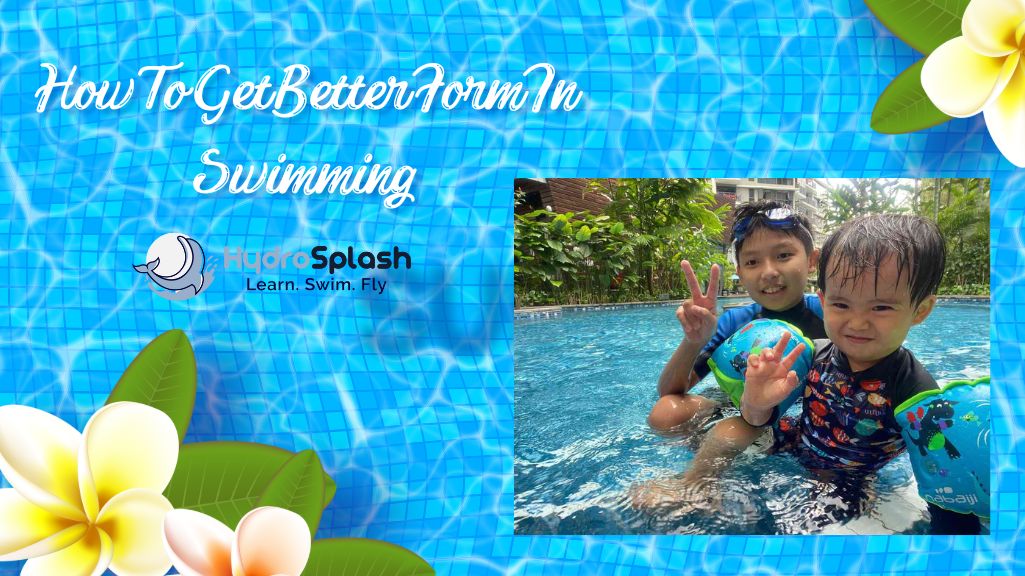
How To Get Better Form In Swimming Ever felt like you’re floundering more than floating in the pool? You’re not alone. Many swimmers, from novices to seasoned enthusiasts, grapple with refining their technique. Understanding how to get better form in swimming is essential not just for efficiency but also for enjoyment and safety. At HydroSplash Swimming Academy, we believe that with the right guidance, anyone can transform their strokes from lackluster to laudable. The Importance of Proper Swimming Form Imagine trying to cut through water with the grace of a dolphin but ending up more like a dog paddling upstream. Proper swimming form is the linchpin of effective swimming. It minimizes resistance, maximizes propulsion, and reduces the risk of injury. With the correct technique, you can glide through the water with less effort and more confidence. Key Elements to Improve Swimming Form 1. Body Alignment: The Aquatic Tightrope Maintaining a horizontal and streamlined position is akin to walking a tightrope. It requires balance and core engagement. A misaligned body increases drag, making you work harder than necessary. Engaging your core and keeping your head in a neutral position can help you achieve that sleek, fish-like posture. 2. Breathing Technique: The Rhythm of the Swim Breathing in swimming isn’t just about gulping air whenever possible. It’s about establishing a rhythm that complements your strokes. Turning your head too far or lifting it can disrupt your alignment. At HydroSplash, our coaches emphasize synchronized breathing techniques, ensuring you get the oxygen you need without throwing off your groove. 3. Arm Movements: The Art of the Stroke Your arms are your primary propellers. However, flailing them about won’t get you far. Each stroke should be deliberate and efficient. For instance, in freestyle, entering the water with your hand at the right angle and executing a high-elbow catch can significantly enhance propulsion. Our instructors break down each movement, helping you master the art of the stroke. 4. Kick Mechanics: The Unsung Heroes While arms get most of the glory, your legs play a crucial supporting role. A steady, rhythmic kick helps maintain balance and adds to your forward momentum. However, kicking from the knees or with stiff ankles can be counterproductive. Our training sessions focus on developing ankle flexibility and initiating kicks from the hips for optimal effect. HydroSplash’s Approach to Enhancing Swimming Form Personalized Coaching Plans Recognizing that every swimmer’s needs are unique, we offer tailored coaching plans. Whether you’re an adult overcoming a fear of water or a competitive swimmer aiming to shave seconds off your time, our experienced coaches design sessions that align with your goals and current skill level. Incorporation of Targeted Drills Practice doesn’t make perfect; perfect practice makes perfect. By integrating specific drills into your routine, you can isolate and improve particular aspects of your technique. For example, using drills that focus solely on arm movements or kicking can lead to noticeable improvements in overall form. Emphasis on Strength and Flexibility A supple and strong body complements technical skills. Incorporating flexibility exercises and strength training into your regimen can enhance your range of motion and power in the water. Regular flexibility training can improve stroke efficiency and help prevent injuries. Overcoming Common Challenges Breaking Through Plateaus It’s not uncommon to feel stuck after a period of progress. Our coaches employ varied training techniques and provide constructive feedback to help you overcome these plateaus, ensuring continuous improvement. Managing Aquatic Anxiety Fear can be a significant barrier to mastering swimming form. At HydroSplash, we create a supportive environment, gradually building your water confidence through progressive exposure and skill mastery. Balancing Endurance with Technique While building stamina is essential, it’s crucial not to let form deteriorate as fatigue sets in. Our training balances endurance-building with technique refinement, ensuring you maintain proper form even during longer swims. The HydroSplash Difference Choosing the right academy can make all the difference in your swimming journey. HydroSplash Swimming Academy stands out with its commitment to personalized instruction, safety, and fostering a passion for swimming. Our coaches, led by certified head coaches, bring years of experience, ensuring that each swimmer receives the attention and expertise needed to thrive. Conclusion Improving your swimming form is a journey of continuous learning and practice. With the dedicated support of HydroSplash Swimming Academy, you can transform your technique, making each swim session more efficient and enjoyable. Ready to embark on this transformative journey? Explore our Adult Swimming Lessons and let HydroSplash guide you to aquatic excellence. Click on the link to find out more about HydroSplash Swimming. Chat with our representatives today!About HydroSplash SwimmingAdult Swimming LessonPrivate Swimming LessonKids Swimming LessonWhatsapp Us

Adult Swimming Lessons Academy Singapore HydroSplash

How To Improve Swimming Form: Elevate Your Technique with HydroSplash Swimming Academy

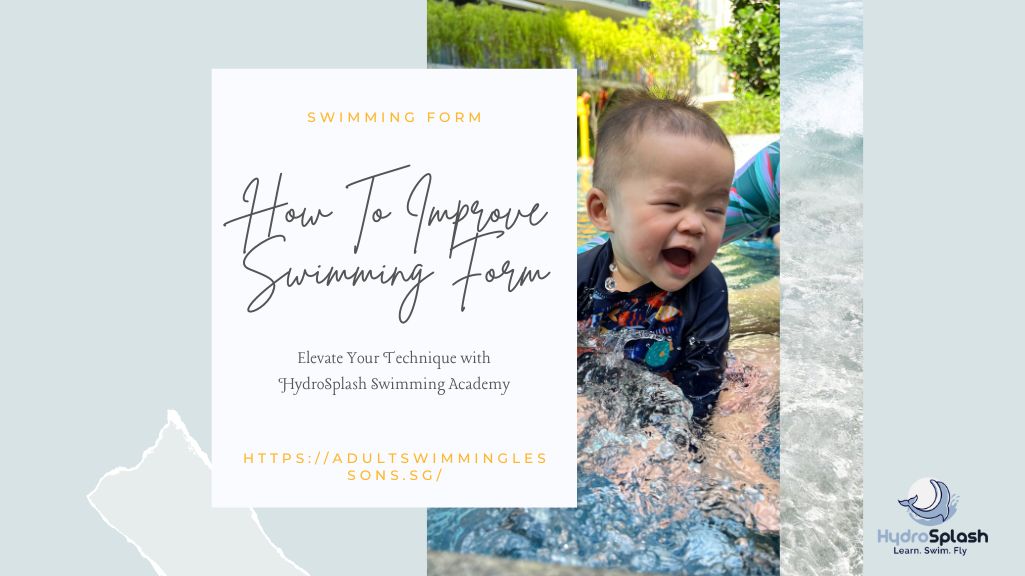
How To Improve Swimming Form Ever feel like you’re expending energy in the pool without making the progress you desire? You’re not alone. Many swimmers grapple with refining their technique to glide through the water more efficiently. Understanding how to improve swimming form is pivotal in transforming your aquatic experience, making each stroke more effective and less taxing. The Importance of Proper Swimming Form A well-honed swimming form is the cornerstone of efficient movement in the water. It minimizes resistance, enhances propulsion, and reduces the risk of injury. At HydroSplash Swimming Academy, we emphasize the significance of mastering technique to ensure that swimmers of all levels can enjoy and excel in their aquatic pursuits. Key Elements to Improve Swimming Form 1. Body Alignment: The Foundation of Efficiency Imagine trying to push a wheelbarrow with a misaligned wheel—frustrating and inefficient. Similarly, maintaining a horizontal and streamlined body position in the water reduces drag and conserves energy. Engaging your core and keeping your head in a neutral position allows for smoother movement through the water. 2. Breathing Technique: Synchronize for Success Breathing might seem straightforward until you’re gasping mid-stroke. Coordinating your breathing with your strokes ensures a steady oxygen supply without disrupting your rhythm. Our coaches at HydroSplash focus on teaching rhythmic breathing patterns tailored to each swimmer’s comfort and skill level. 3. Arm Movements: Precision Over Power Flailing arms might work for a toddler’s tantrum but not for swimming. Efficient arm strokes involve precise movements that maximize propulsion. Whether it’s the catch phase in freestyle or the pull in breaststroke, our instructors break down each component to refine your technique. 4. Kick Mechanics: Propel with Purpose Your legs are not just along for the ride; they play a crucial role in propulsion. A controlled and consistent kick, originating from the hips with relaxed ankles, contributes significantly to forward momentum. Emphasizing proper kick mechanics can lead to noticeable improvements in speed and stability. Training Approaches at HydroSplash Swimming Academy 1. Personalized Coaching Plans Recognizing that each swimmer has unique strengths and areas for improvement, we offer customized training programs. Our experienced coaches assess individual techniques and design sessions that focus on specific aspects of form enhancement. 2. Incorporation of Drills and Feedback Practice makes permanent. By integrating targeted drills into training sessions, swimmers can isolate and improve particular elements of their stroke. Immediate feedback from our coaches ensures that corrections are made promptly, reinforcing good habits. 3. Emphasis on Flexibility and Strength A supple and strong body complements technical skills. Incorporating flexibility exercises and strength training into your regimen can enhance your range of motion and power in the water. Common Challenges and Solutions 1. Overcoming Plateaus It’s not uncommon for swimmers to hit a performance plateau. Our coaches employ varied training stimuli and technique refinement to help swimmers break through stagnation and continue progressing. 2. Addressing Aquatic Anxiety Fear of water can hinder form and overall enjoyment. At HydroSplash, we create a supportive environment, gradually building water confidence through progressive exposure and skill mastery. 3. Balancing Endurance and Technique While building stamina is important, it’s crucial not to sacrifice form for endurance. Our training balances both, ensuring that swimmers maintain proper technique even during longer swims. The HydroSplash Difference Choosing the right academy can make all the difference in your swimming journey. HydroSplash Swimming Academy stands out with its commitment to personalized instruction, safety, and fostering a passion for swimming. Our coaches, led by certified head coaches, bring years of experience, ensuring that each swimmer receives the attention and expertise needed to thrive. Conclusion Improving your swimming form is a multifaceted endeavor that involves technical refinement, physical conditioning, and mental resilience. With the dedicated support of HydroSplash Swimming Academy, you can transform your swimming experience, making each stroke more efficient and enjoyable. Ready to take the plunge towards better technique? Explore our Adult Swimming Lessons and let HydroSplash Swimming Academy guide you to aquatic excellence. Click on the link to find out more about HydroSplash Swimming. Chat with our representatives today!About HydroSplash SwimmingAdult Swimming LessonPrivate Swimming LessonKids Swimming LessonWhatsapp Us

How To Improve Swim Kick

How To Improve Swim Kick: Elevate Your Aquatic Performance

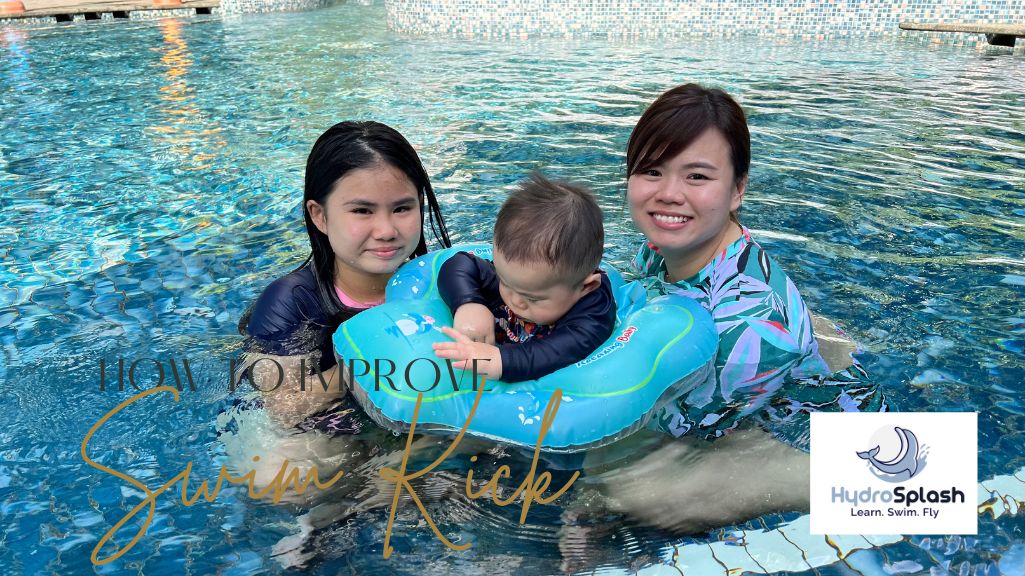
How To Improve Swim Kick Ever felt like your swim kick is more of a gentle paddle than a powerful propulsion? You’re not alone. Many swimmers find themselves expending energy without reaping the speed benefits. Understanding how to improve swim kick can transform your time in the water, making each stroke more effective and less exhausting. The Role of a Strong Swim Kick A robust swim kick does more than just propel you forward; it stabilizes your body, maintains alignment, and reduces drag. Whether you’re performing the flutter kick in freestyle or the dolphin kick in butterfly, the efficiency of your leg movements significantly impacts your overall swimming performance. Techniques to Improve Swim Kick 1. Body Positioning: The Foundation of an Effective Kick Imagine trying to push a wheelbarrow uphill with a flat tire—inefficient and exhausting. Similarly, an improper body position hampers your kick’s effectiveness. Maintaining a horizontal, streamlined posture minimizes resistance and allows your legs to move freely. Engage your core, keep your head neutral, and let your body glide just beneath the water’s surface. 2. Kick from the Hips, Not the Knees Think of your legs as whips, originating movement from the hips and letting it flow down to the toes. Bending excessively at the knees creates drag and slows you down. Instead, keep your legs relatively straight with a slight knee flex, generating power from the hip flexors and upper thighs.​ 3. Ankle Flexibility: The Unsung Hero Stiff ankles are to swimming what tight jeans are to dancing—restrictive and limiting. Flexible ankles allow for a greater range of motion, enabling your feet to act like flippers. Incorporate ankle stretches and exercises into your routine to enhance flexibility and, consequently, your kick efficiency.​ 4. Consistent, Rhythmic Kicking A sporadic kick is like a drummer missing beats—it disrupts the entire rhythm. Aim for a steady, rhythmic kick that complements your arm strokes. This harmony between upper and lower body movements ensures smoother propulsion and better energy conservation. Our guide to hand and leg coordination shows how to time your kick with your arms in each stroke. Training Drills to Enhance Swim Kick 1. Kickboard Exercises Utilizing a kickboard isolates your legs, allowing you to focus solely on your kicking technique. Hold the kickboard with your arms extended and practice flutter or dolphin kicks, concentrating on form and consistency. This method helps build leg strength and endurance.​ To choose which kick to train, see our guide to the best swimming stroke for legs. 2. Vertical Kicking In deep water, position yourself vertically and engage in continuous kicking without using your arms. This drill emphasizes proper kick mechanics and builds muscular endurance. Aim to keep your head above water, adjusting the intensity as needed.​ 3. Streamline Kicking Push off the wall with your body in a streamlined position—arms extended overhead, hands clasped, and head tucked between your arms. Perform flutter kicks while maintaining this posture, focusing on minimizing drag and maximizing propulsion.​ Common Mistakes and How to Avoid Them 1. Overly Large Kicks Grand, exaggerated kicks might seem powerful but often lead to increased drag and energy expenditure. Aim for compact, quick kicks within the body’s streamlined profile to maintain efficiency.​ 2. Rigid Ankles Pointing your toes rigidly can cause cramps and reduce kick effectiveness. Instead, keep ankles relaxed and flexible, allowing for a natural, fluid motion.​ 3. Neglecting the Upbeat Many swimmers focus on the downward motion of the kick, neglecting the upward phase. Ensure that both movements are equally forceful and controlled for balanced propulsion. Integrating Strength and Flexibility Training 1. Dryland Exercises Incorporate leg-strengthening exercises such as squats, lunges, and calf raises into your fitness regimen. These movements build the muscles essential for powerful kicks.​ 2. Stretching Routines Regularly stretch your hip flexors, quadriceps, hamstrings, and ankles to enhance flexibility. Yoga poses like Downward Dog and Pigeon Pose can be particularly beneficial.   The Psychological Aspect of Kicking Confidence plays a significant role in executing an effective swim kick. Trust in your training and technique allows for relaxation in the water, leading to more natural and efficient movements. Remember, even the most seasoned swimmers continually work on their kick—it’s a perpetual journey of refinement. Conclusion Enhancing your swim kick is a multifaceted process involving proper technique, dedicated practice, strength training, and mental fortitude. By focusing on these areas, you’ll find yourself moving through the water with greater ease and speed.​ At HydroSplash Swimming Academy, we’re committed to helping you achieve your swimming goals. Our experienced coaches provide personalized guidance to refine your techniques and boost your confidence. Explore our private swimming lessons to take the next step in your swimming journey. Click on the link to find out more about HydroSplash Swimming. Chat with our representatives today!About HydroSplash SwimmingAdult Swimming LessonPrivate Swimming LessonKids Swimming LessonWhatsapp Us  

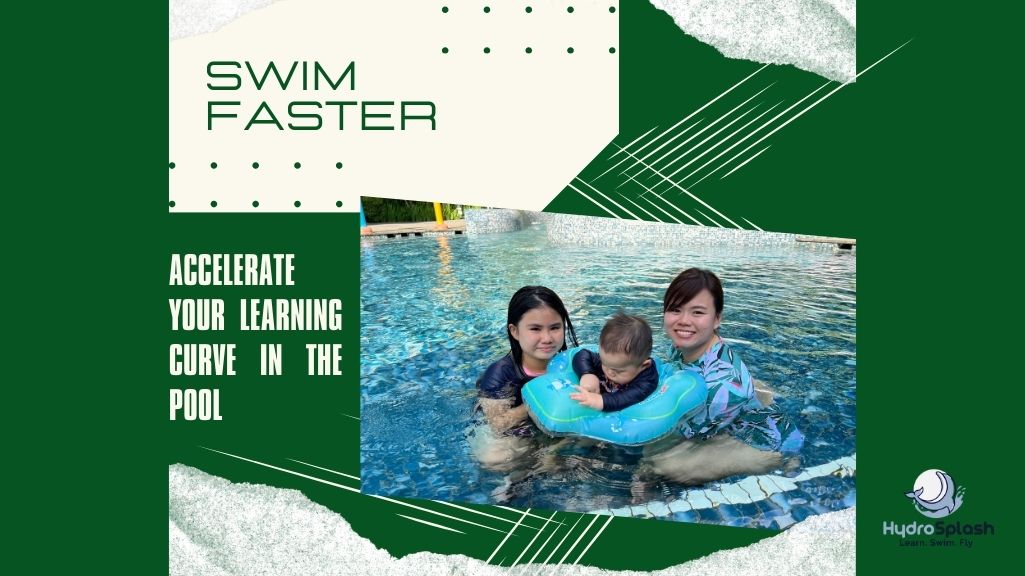
Swim Faster

Swim Faster: Accelerate Your Learning Curve in the Pool

Swim Faster So, you’ve decided to embark on the journey of learning to swim, and naturally, you’re keen to make swift progress. Whether it’s the allure of mastering a new skill, the desire for a full-body workout, or simply the joy of gliding through water, the question remains: Can you learn to swim faster? Let’s explore how to accelerate your swimming education without cutting corners. Understanding the Learning Process Patience: The Swimmer’s Virtue Learning to swim is akin to teaching a cat to enjoy a bath—it requires patience, persistence, and a good sense of humor. While the prospect of speeding up the process is enticing, it’s essential to recognize that building water confidence and mastering techniques take time. Rushing may lead to developing poor habits, much like attempting to run before mastering the art of walking. Strategies to Swim Faster 1. Enroll in Structured Lessons Joining a reputable swim school provides a structured environment where progress is monitored, and lessons are tailored to individual needs. Professional instructors can identify areas for improvement and introduce drills to enhance your skills effectively. 2. Practice Consistently Consistency is key. Regular practice reinforces muscle memory and builds endurance. Aim for frequent, shorter sessions rather than infrequent, lengthy ones to maintain steady progress.​ 3. Utilize Drills and Equipment Incorporate specific drills to focus on particular aspects of your stroke. Using equipment like kickboards or pull buoys can isolate certain movements, allowing for targeted improvement.​ 4. Seek Feedback Regular feedback from coaches or experienced swimmers can provide insights into subtle adjustments that can significantly impact your performance. Embrace constructive criticism as a tool for growth. Common Pitfalls to Avoid 1. Skipping the Basics Neglecting foundational skills can lead to challenges down the line. Ensure you have a solid grasp of basic techniques before advancing to more complex movements.​ 2. Overtraining While enthusiasm is commendable, overtraining can lead to burnout and injury. Listen to your body and incorporate rest days into your routine.​ 3. Comparing Yourself to Others Everyone’s learning curve is unique. Focus on your personal progress rather than measuring yourself against others.​ Conclusion Embarking on the journey to learn swimming is both exciting and rewarding. By adopting a structured approach, practicing consistently, and seeking professional guidance, you can enhance your skills and swim faster. Remember, quality trumps speed in the learning process. For personalized instruction and to accelerate your swimming journey, consider exploring the programs offered by HydroSplash Swimming Academy. Our experienced coaches are dedicated to helping you achieve your aquatic goals.​ Click on the link to find out more about HydroSplash Swimming. Chat with our representatives today!About HydroSplash SwimmingAdult Swimming LessonPrivate Swimming LessonKids Swimming LessonWhatsapp Us

Fastest Way To Swim

Fastest Way To Swim: Unlocking Your Speed Potential

Fastest Way To Swim So, you’re eager to slice through the water like a hot knife through butter? Whether you’re a competitive swimmer aiming to shave seconds off your time or a recreational enthusiast looking to impress at the local pool, understanding the fastest way to swim can transform your aquatic experience. Let’s embark on this journey to speed, ensuring every splash counts. Understanding the Fastest Swimming Stroke Freestyle: The Speed King When it comes to speed, not all strokes are created equal. The front crawl, commonly known as freestyle, reigns supreme in the swimming world. Its alternating arm movements combined with a flutter kick make it the fastest and most efficient stroke. This is why you’ll see it dominate freestyle events—it’s simply the quickest way to cover distance in the water. ​ Mastering Freestyle Technique Body Position: Glide Like a Torpedo Imagine yourself as a sleek torpedo. Achieving a horizontal, streamlined position minimizes drag and allows you to cut through the water effortlessly. Keep your head aligned with your spine, hips elevated, and body flat to reduce resistance.​ Arm Movement: The Engine of Propulsion Your arms are the primary drivers in freestyle. Enter the water with your fingertips first, extend forward, and pull back in a high-elbow position, engaging your forearm to push water effectively. This motion, often referred to as the “catch,” is crucial for maximizing propulsion.​ Kicking: The Unsung Hero While your arms lead the charge, your legs provide stability and additional thrust. A steady, rhythmic flutter kick, initiated from the hips with relaxed ankles, complements your arm strokes and maintains balance. Remember, overzealous kicking can lead to fatigue, so find a pace that supports your overall rhythm.​ Breathing: Stay Oxygenated Without Breaking Stride Consistent breathing is vital. Practice bilateral breathing—alternating sides—to promote balanced muscle development and maintain a straight trajectory. Exhale underwater and inhale quickly during the arm recovery phase, ensuring minimal disruption to your stroke. Training Strategies to Enhance Speed Interval Training: Boost Your Aerobic Capacity Incorporate interval training into your regimen. Swim short, intense bursts followed by rest or low-intensity laps. This method improves cardiovascular fitness and increases your anaerobic threshold, allowing you to sustain higher speeds longer. Drills: Focused Practice Makes Perfect Integrate drills that target specific aspects of your stroke. For instance, the “catch-up” drill emphasizes arm extension and body rotation, refining your technique and efficiency.​ Strength and Conditioning: Power Up Dryland exercises, such as core workouts, resistance training, and flexibility routines, build the muscular strength and endurance necessary for powerful strokes and kicks. A strong core stabilizes your body, reducing drag and enhancing propulsion. Advanced Techniques for the Speed Enthusiast Underwater Dolphin Kicks: The Fifth Stroke Elite swimmers often utilize underwater dolphin kicks off starts and turns, capitalizing on the fact that underwater movement can be faster than surface swimming. This technique, sometimes referred to as the “fish kick,” involves a fluid, wave-like motion and can significantly boost speed when executed correctly. ​ Stroke Rate and Length: Find Your Optimal Balance Experiment with stroke rate (how fast you stroke) and stroke length (how far you travel per stroke) to discover the most efficient combination for your swimming style. Monitoring and adjusting these variables can lead to noticeable improvements in speed. Common Mistakes to Avoid Overreaching: Quality Over Quantity It’s tempting to lengthen your stroke excessively to cover more distance, but overreaching can disrupt your rhythm and increase drag. Focus on maintaining a natural, comfortable stroke length that promotes efficiency. Neglecting Recovery: Rest is Part of the Program Pushing yourself relentlessly without adequate rest can lead to burnout and injury. Incorporate rest days and listen to your body’s signals to ensure sustainable progress. Conclusion Achieving the fastest way to swim is a harmonious blend of technique, training, and tenacity. By mastering the nuances of freestyle, implementing targeted training strategies, and continuously refining your approach, you’ll find yourself gliding through the water with unprecedented speed and grace. Remember, progress is a journey—celebrate each milestone along the way. For personalized guidance and expert coaching to elevate your swimming prowess, consider exploring the programs offered by HydroSplash Swimming Academy. Our experienced instructors are dedicated to helping swimmers of all levels achieve their goals. Visit our website to learn more about our private swimming lessons and take the first step towards unlocking your full potential in the water. Click on the link to find out more about HydroSplash Swimming. Chat with our representatives today!About HydroSplash SwimmingAdult Swimming LessonPrivate Swimming LessonKids Swimming LessonWhatsapp Us

How Can I Increase My Swimming Speed

How Can I Increase My Swimming Speed?

How Can I Increase My Swimming Speed? So, you’ve been swimming for a while now, and you’re starting to feel like a fish in water. But there’s one thing nagging at you—you want to be faster. Whether you’re aiming to shave seconds off your lap time or simply glide through the water with more ease, increasing your swimming speed is a common goal. Let’s explore how you can turn that gentle paddle into a powerful surge. Perfecting Your Technique Streamline Your Body Position Imagine trying to slice through the water like a hot knife through butter. That’s the goal. Achieving a streamlined position reduces drag and allows you to move more efficiently. Keep your body flat, head in line with your spine, and legs straight with pointed toes. This minimizes resistance and sets the foundation for speed. Master Your Breathing Breathing might seem like the most natural thing in the world—until you’re in the pool. Proper breathing technique ensures you get the oxygen you need without disrupting your rhythm. Practice diaphragmatic breathing to engage your core and maintain a steady flow of air. This not only helps with endurance but also keeps your strokes consistent. Enhance Your Kick Your legs are like the motor of a boat—they propel you forward. A strong, flutter kick can significantly boost your speed. Focus on kicking from the hips rather than the knees, keeping your ankles flexible and toes pointed. This technique reduces drag and increases propulsion. Building Strength and Endurance Incorporate Dry-Land Training Sometimes, the secret to swimming faster lies outside the pool. Engaging in dry-land exercises like yoga or resistance training can build the power and flexibility needed for swift swimming. Strengthening your core, legs, and shoulders translates to more forceful strokes and kicks in the water. Practice Interval Training Speed isn’t just about strength; it’s about stamina too. Interval training—alternating between high-intensity bursts and rest periods—can enhance your cardiovascular fitness and teach your body to sustain faster speeds for longer durations. For instance, swim one lap at maximum effort, followed by a slow recovery lap, and repeat. Utilizing Effective Drills to Improve Swimming Speed Work on Underwater Techniques Did you know that some of the fastest swimming happens beneath the surface? Practicing underwater dolphin kicks in a streamlined position can give you a competitive edge. This technique is so effective that competitive swimmers are limited to 15 meters underwater to prevent them from swimming entire races below the surface. Measure Your Progress What gets measured gets improved. Keep track of your lap times, stroke counts, and overall performance. This not only motivates you but also helps identify areas needing improvement. Consider using a waterproof watch or a swimming app to monitor your progress over time. Investing in the Right Gear Choose Appropriate Swimwear Baggy shorts and leaky goggles can be real speed bumps. Investing in proper swimwear reduces drag and enhances your performance. Opt for snug-fitting suits made from materials designed for competitive swimming. A well-fitted swim cap and quality goggles can also make a significant difference. Utilize Training Equipment Tools like fins, paddles, and snorkels can aid in refining your technique and building strength. For example, using fins during practice can help improve your kick, while paddles can strengthen your arm strokes. Remember, these are training aids and should be used to complement, not replace, proper technique. Seeking Professional Guidance Enroll in Swimming Lessons Sometimes, a fresh pair of eyes can spot what you might miss. Enrolling in swimming lessons can provide personalized feedback and tailored drills to address your specific needs. Professional coaches can help refine your technique, introduce new training methods, and keep you motivated. Consider Private Coaching If you’re serious about upping your game, private coaching offers individualized attention that can accelerate your progress. Working one-on-one with a coach allows for customized training plans focusing on your unique strengths and areas for improvement. Conclusion Increasing your swimming speed is a blend of refining technique, building strength, and consistent practice. By focusing on body positioning, breathing, kick efficiency, and incorporating targeted training both in and out of the pool, you’ll find yourself moving through the water with greater speed and ease. Remember, progress takes time, so be patient with yourself and celebrate the small victories along the way. If you’re ready to take your swimming to the next level, consider exploring the programs offered by HydroSplash Swimming Academy. Our experienced coaches are dedicated to helping swimmers of all levels achieve their goals. Visit our website to learn more about our private swimming lessons and how we can assist you in your journey to becoming a faster, more efficient swimmer. Click on the link to find out more about HydroSplash Swimming. Chat with our representatives today!About HydroSplash SwimmingAdult Swimming LessonPrivate Swimming LessonKids Swimming LessonWhatsapp Us

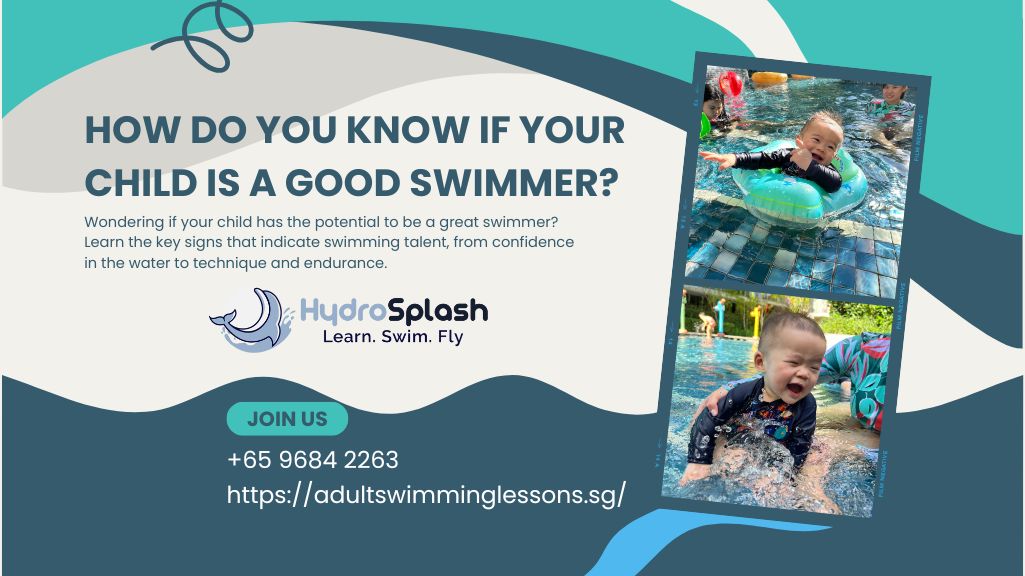
How Do You Know If Your Child Is A Good Swimmer

How Do You Know If Your Child Is A Good Swimmer?

How Do You Know If Your Child Is A Good Swimmer? Does Your Child Have What It Takes To Be A Good Swimmer? Watching your child glide effortlessly through the water might make you wonder—are they naturally gifted at swimming? While some kids display an early affinity for the sport, others develop their skills through consistent practice and proper coaching. Whether you’re considering competitive swimming or just want to ensure your child is safe and confident in the water, recognizing the signs of a good swimmer is the first step. Before jumping to conclusions, it’s important to understand that being a “good swimmer” is more than just moving from one end of the pool to the other. It involves technique, stamina, confidence, and an eagerness to learn. Signs That Your Child Is A Good Swimmer 1. Natural Confidence in the WaterA child who feels comfortable and relaxed in water is already ahead of the game. Good swimmers display confidence by floating effortlessly, submerging without hesitation, and moving through the water without panic. This ease in water usually indicates strong foundational skills. If your child has yet to develop this confidence, structured lessons like private swimming lessons can help build familiarity and ease anxiety. 2. Strong Breath ControlBreathing technique plays a huge role in swimming proficiency. If your child can hold their breath comfortably underwater and exhale steadily while swimming, it’s a strong indicator of proper breath control. Good swimmers don’t gasp for air; instead, they master controlled breathing, which helps them swim longer without fatigue. 3. Proper Body PositioningA strong swimmer maintains a horizontal body position in the water, reducing drag and allowing smoother movement. If your child naturally floats with their head in line with their body and legs extended rather than sinking, they have an advantage in swimming efficiency. 5. Endurance and StaminaA good swimmer doesn’t tire quickly. If your child can swim multiple laps without stopping, it indicates strong cardiovascular endurance. Swimming requires both muscular strength and stamina, and children who naturally build up their endurance with minimal fatigue often excel in the sport. 6. Quick Adaptability to New TechniquesSome children take longer to grasp new movements, while others pick up techniques almost instantly. If your child can quickly understand and replicate new swimming drills, it suggests a strong ability to learn and adapt, which is a valuable skill for competitive swimming. 7. Strong Kicking PowerGood swimmers generate propulsion through effective kicks. If your child’s legs remain straight with a steady and controlled kicking motion, they likely have a solid foundation in swimming. Wild, frantic kicking that causes excessive splashing usually indicates a lack of technique. 8. Passion and EnthusiasmA key characteristic of a good swimmer isn’t just their physical ability—it’s their passion for swimming. If your child enjoys being in the water, is eager to practice, and gets excited about improving their skills, they have the mindset needed to excel. What If Your Child Struggles With Swimming? Not every child takes to swimming naturally, and that’s perfectly normal. Some kids might feel nervous in the water, struggle with coordination, or need more time to build endurance. The good news is that swimming is a learned skill, and with patience and the right guidance, any child can become proficient. Consider These Steps: Give them time—not every child progresses at the same pace. Enroll in swimming lessons to help your child build confidence and proper technique. Encourage gradual exposure to water—playing in shallow pools or floating can reduce fear. Use positive reinforcement to make learning fun and avoid creating pressure. Can a Swimming Trial Class Help? If you’re unsure about your child’s swimming abilities or whether they need formal lessons, a swimming trial class is a great way to assess their level. Trial classes introduce children to professional coaching in a structured yet low-pressure environment, helping you determine if further training is necessary. Should You Consider Competitive Swimming? If your child consistently shows strong technique, endurance, and enthusiasm for swimming, competitive training might be an option. Joining a swim team can provide structure, improve skills, and foster discipline. However, not every child enjoys competitive swimming—some may simply want to swim for fun, fitness, or water safety. Ask Yourself These Questions: If the answer is yes, exploring local swim teams or junior training programs may be beneficial. If not, recreational swimming is still a fantastic lifelong skill that keeps them fit and safe. Final Thoughts Recognizing whether your child is a good swimmer involves more than just observing how fast they move through the water. Confidence, technique, breath control, endurance, and enthusiasm all contribute to their swimming ability. Whether they aspire to become competitive swimmers or simply enjoy the water for fun, nurturing their skills through structured lessons and consistent practice is the key to long-term success. If you’d like to help your child build strong swimming fundamentals, explore private swimming lessons or swimming trial classes for personalized coaching options. Click on the link to find out more about HydroSplash Swimming. Chat with our representatives today!About HydroSplash SwimmingAdult Swimming LessonPrivate Swimming LessonKids Swimming LessonWhatsapp Us

What Happened to Joseph Schooling

What Happened to Joseph Schooling?

What Happened to Joseph Schooling? In the world of swimming, few stories are as captivating as that of Joseph Schooling. As Singapore’s first and only Olympic gold medalist, his journey has been a blend of triumphs, challenges, and new beginnings. The Rise of a Champion Joseph Schooling Joseph Schooling etched his name in history during the 2016 Rio Olympics. In a stunning performance, he clinched the gold medal in the men’s 100m butterfly, setting an Olympic record of 50.39 seconds. This victory was monumental, not just for Schooling but for Singapore, marking the nation’s inaugural Olympic gold. Defeating legendary swimmers like Michael Phelps, Chad le Clos, and László Cseh, who all tied for silver, made the achievement even more remarkable. Navigating Post-Olympic Waters Following his Olympic success, Schooling faced a series of challenges. At the 2020 Tokyo Olympics, he couldn’t replicate his previous performance, failing to advance past the heats in both the 100m butterfly and 100m freestyle events. These outcomes were a stark contrast to his earlier triumphs and highlighted the intense pressures elite athletes often encounter. Balancing National Duties and Athletic Commitments In Singapore, national service is a rite of passage for male citizens. Schooling’s service commitments posed additional challenges to his training and competition schedule. Although granted short-term disruptions to train and compete, these privileges were revoked after he admitted to using cannabis during the 2021 Southeast Asian Games. This incident led to public scrutiny and personal reflection for the athlete. Retirement and New Horizons On April 2, 2024, Schooling announced his retirement from competitive swimming. In his statement, he expressed gratitude for the experiences swimming had provided and conveyed excitement for future endeavors. Transitioning from the pool to the professional world, he joined Vertex Holdings, a venture capital firm, marking his entry into the business sector. straitstimes.com Reflecting on a Legacy Joseph Schooling’s journey underscores the unpredictable nature of athletic careers. From the pinnacle of Olympic glory to navigating personal and professional challenges, his story is a testament to resilience and adaptability. As he embarks on new ventures, his legacy as Singapore’s Olympic champion remains a source of national pride and inspiration. For those inspired by Schooling’s journey and interested in exploring the world of swimming, consider visiting HydroSplash Swimming Academy. Whether you’re a beginner or looking to refine your skills, their programs cater to all levels, helping you embark on your own aquatic journey. Click on the link to find out more about HydroSplash Swimming. Chat with our representatives today!About HydroSplash SwimmingAdult Swimming LessonPrivate Swimming LessonKids Swimming LessonWhatsapp Us

Why Do Some People Never Learn To Swim

Why Do Some People Never Learn To Swim?

Why Do Some People Never Learn To Swim? Swimming is a life skill that offers both safety and enjoyment, yet many adults never learn how to swim. Whether it’s fear, lack of access to lessons, or simply not prioritizing it, the reasons vary. In Singapore, where water sports and swimming are common, one might assume everyone knows how to swim. However, this is not always the case. Some people hesitate to step into a pool, while others attempt to learn but never truly get comfortable in the water. Is Fear The Biggest Barrier To Learning To Swim? For many, fear is the single greatest reason they never learn to swim. This fear often stems from a childhood incident, such as a near-drowning experience or witnessing someone struggle in the water. In some cases, fear is passed down from parents who are also non-swimmers. When parents express anxiety about water, children often adopt the same hesitation. However, fear is rarely insurmountable. Many adults overcome their apprehension by starting with small, controlled water exercises, guided by patient instructors who understand the psychology of fear. Does Lack Of Early Exposure Prevent People From Learning? Exposure to swimming at a young age is one of the strongest predictors of whether someone will become proficient. In cultures where swimming is not a routine part of life, many children reach adulthood without ever stepping into a pool. In Singapore, swimming is part of the school curriculum, but not all children receive formal lessons. Some families may not prioritize swimming lessons due to financial constraints or a lack of nearby facilities. Others simply do not see the necessity until an incident—such as struggling in deep water or missing out on social activities—highlights the gap in their skills. For adults who were never exposed to swimming early, starting lessons later in life can feel intimidating. The good news is that adult swimming lessons, such as those offered through private swimming lessons, provide a structured, comfortable way to build confidence in the water. Can A Lack Of Physical Coordination Make Swimming Harder? Swimming requires the coordination of multiple body parts at once—breathing, kicking, and arm movement all happen in unison. For some, this level of coordination feels overwhelming. Unlike walking or running, which come naturally, swimming demands conscious control over movement and breathing. Certain individuals also struggle with breath control, often holding their breath too long or exhaling too quickly. Without proper breath management, staying afloat and moving efficiently become difficult. Swimming lessons focus on breaking down these components, allowing learners to master one element at a time before integrating everything into fluid movement. Is There A Social Stigma Around Learning To Swim As An Adult? Many adults avoid swimming lessons because they feel embarrassed about not knowing how to swim. They assume that swimming is a childhood skill and that learning as an adult means admitting failure. In reality, learning to swim at any age is a sign of self-improvement, not weakness. Many adult beginners feel self-conscious at first, but the feeling usually fades after a few sessions. Social encouragement plays a big role in overcoming this mental hurdle, which is why small-group adult lessons can be beneficial. Are There Cultural Beliefs That Prevent Swimming? In some cultures, there is a belief that swimming is dangerous or unnecessary. Some older generations discourage swimming, believing that water-related activities increase the risk of accidents. Others may not see swimming as an essential life skill, especially if they do not live near bodies of water. For those who grew up with these beliefs, the first step to learning to swim is shifting the mindset. Viewing swimming as a practical skill rather than a recreational activity can help overcome hesitation. In Singapore, where swimming is part of a well-rounded education, more people are recognizing its value beyond just sport. Can A Negative First Experience Turn Someone Away From Swimming? A single bad experience can discourage someone from ever attempting to swim again. Falling into deep water unexpectedly, struggling to float, or feeling out of control can leave a lasting impression. Unfortunately, these moments create a mental block that makes it difficult to approach swimming with confidence later on. One way to overcome this is through gradual exposure. Instead of jumping into deep water, learners can start with shallow-water exercises, focusing on floating and gentle movement. Structured lessons emphasize positive reinforcement, allowing individuals to rebuild trust in their ability to stay afloat. What Are The Health Benefits Of Learning To Swim? Swimming isn’t just a recreational activity—it’s a full-body workout that promotes cardiovascular health, muscle endurance, and flexibility. For those who struggle with weight-bearing exercises, swimming provides a low-impact alternative. Adults who swim regularly experience improved lung function, reduced stress, and enhanced overall fitness. A 2022 Singapore study highlighted that individuals who engaged in weekly swimming sessions demonstrated increased stamina and reduced anxiety levels. Swimming’s therapeutic nature makes it an excellent activity for both physical and mental well-being. How Can Adults Overcome Their Hesitation And Learn To Swim? For adults wondering if it’s too late to learn to swim, the answer is no. Learning to swim as an adult is entirely possible with the right approach. Here are some ways to get started: Many adults find that after just a few lessons, their initial fears disappear, replaced by excitement and confidence. Final Thoughts: It’s Never Too Late To Learn So, why do some people never learn to swim? Fear, lack of exposure, physical coordination challenges, social stigma, and cultural beliefs all contribute. But with the right mindset, guidance, and gradual exposure, anyone can overcome these barriers. Swimming is not just a skill—it’s a life-saving ability and a gateway to enjoyable, low-impact exercise. Whether you’re looking to overcome fear, improve fitness, or simply participate in water activities with family and friends, structured lessons provide a safe and supportive environment. If you’ve been holding back, now is the time to take that step. Start your journey with HydroSplash Swimming and experience the confidence that

Working Out

Can I Swim Instead Of Working Out?

Can I Swim Instead Of Working Out? For many, the idea of heading to a crowded gym, lifting weights, or spending hours on a treadmill sounds about as enjoyable as watching paint dry. If you’re someone who prefers the soothing embrace of water over the clang of dumbbells, you might have asked yourself, can I swim instead of working out? The short answer is yes—but with some considerations. Swimming offers a full-body workout that challenges both cardiovascular endurance and muscle strength, but does it truly compare to traditional exercise routines? Is Swimming A Good Replacement For Working Out in The Gym? Swimming is one of the most comprehensive forms of exercise available. Unlike land-based workouts, which often put significant stress on joints and muscles, swimming allows you to build strength, endurance, and flexibility in a low-impact environment. One major advantage of swimming is its ability to work multiple muscle groups simultaneously. Whether you’re doing freestyle, breaststroke, or backstroke, every stroke requires coordination between your arms, legs, and core, providing a balanced workout without needing separate strength-training sessions. Does Swimming Build Muscle Like Strength Training? While swimming can help tone muscles and improve endurance, it differs from traditional strength training in one key way—resistance. Unlike lifting weights, where you can progressively increase the load, swimming relies on water resistance, which is consistent but not necessarily progressive. This means that while swimming will develop muscular endurance and definition, it may not lead to significant muscle hypertrophy (growth) in the same way weightlifting does. However, some professional trainers in Singapore have suggested that incorporating swimming drills with added resistance—such as using paddles, drag suits, or underwater weight exercises—can mimic the effects of strength training. Combining these methods with high-intensity interval training (HIIT) in the pool can enhance both muscle growth and cardiovascular endurance. Is Swimming Enough For Weight Loss? If your primary goal is weight loss, swimming can be a fantastic tool—when done correctly. The challenge with swimming as a weight-loss method is that many people underestimate how much energy they actually burn. Unlike running, where sweat provides a clear indicator of effort, swimming keeps you cool, often leading to lower perceived exertion. Swimmers who keep up moderate to high-intensity sessions, such as interval training, can burn as much energy as land-based cardio. For the best results, swimming must be paired with a well-balanced diet and proper workout structure, just like any other exercise regimen. How Does Swimming Compare To Other Cardio Workouts? When looking at cardiovascular benefits, swimming holds its own against more traditional forms of exercise like badminton and basketball. Here’s how it compares: This highlights swimming as a viable option for individuals looking to improve heart health while reducing impact-related injuries. The Mental And Recovery Benefits Of Swimming Aside from its physical benefits, swimming is also an excellent stress reliever. Many professionals in Singapore incorporate swimming into their weekly routines not just for fitness, but for its meditative properties. The rhythmic breathing, weightless sensation, and absence of digital distractions create a unique environment for mental relaxation. Additionally, swimming is frequently used in rehabilitation programs due to its low-impact nature. If you’re recovering from an injury but want to maintain fitness, swimming provides a safe way to stay active without aggravating existing conditions. Can You Replace The Gym With Swimming Completely? While swimming offers a full-body workout, whether it can fully replace the gym depends on your fitness goals. If you’re looking for general fitness, cardiovascular endurance, and muscle toning, swimming alone can be enough. However, if your goals include muscle building, targeted strength training, or high-impact conditioning, integrating gym workouts may still be beneficial. For those who prefer the water but still want strength benefits, incorporating resistance-based swim drills or supplementing swimming with bodyweight exercises on land—such as push-ups, lunges, and core work—can help maintain muscle balance. Making The Most Of Your Swimming Routine If you’re considering replacing your traditional workouts with swimming, structure is key. Here are some strategies to optimize your swimming routine: Many Singaporeans looking for structured training have turned to private swimming lessons to refine their techniques and ensure they’re getting the most out of their workouts. Final Thoughts: Should You Swap The Gym For The Pool? The answer to can I swim instead of working out? depends entirely on your fitness goals. For general fitness, endurance, and weight loss, swimming can be an effective alternative. However, if muscle hypertrophy or specific strength gains are your priorities, incorporating some form of resistance training may still be necessary. Regardless of your approach, the key is consistency. Whether you choose the pool or the gym, maintaining an active lifestyle is what ultimately drives long-term health benefits. If you’re looking to refine your technique, build endurance, or integrate structured swim workouts, HydroSplash Swimming offers expert guidance to help you reach your fitness goals. Click on the link to find out more about HydroSplash Swimming. Chat with our representatives today!About HydroSplash SwimmingAdult Swimming LessonPrivate Swimming LessonKids Swimming LessonWhatsapp Us

Is It Mandatory To Shower After Swimming

Is It Mandatory To Shower After Swimming?

Is It Mandatory To Shower After Swimming? Picture this: you’ve just had an invigorating swim, the cool water wrapping around you like a second skin, muscles relaxed, mind refreshed. The last thing on your mind is hopping into the shower. After all, you’re already wet—why bother? But before you grab your towel and head home, let’s talk about why post-swim showers might be more crucial than you think. Why Do Swimming Pools Recommend Showering? Most swimming pools have that all-too-familiar sign posted near the entrance: “Shower before and after swimming.” While it might seem like a mere formality, there’s solid science behind it. Public pools are shared spaces, and every swimmer brings something along—sunscreen, sweat, body oils, and even bacteria. Showering before getting into the pool helps keep the water cleaner, reducing the need for excessive chlorine. But the real game-changer is showering after your swim. What Happens If You Skip The Post-Swim Shower? Skipping a shower after swimming might not seem like a big deal, but let’s break it down. If you’ve ever felt itchy or noticed dry patches on your skin hours after swimming, that’s the chlorine speaking. Pools are treated with disinfectants to kill bacteria, but those chemicals don’t just vanish the moment you step out. They linger on your skin, binding with sweat and natural oils, creating what dermatologists call “chlorine rash.” Singapore’s National Skin Centre has highlighted the impact of prolonged chlorine exposure, especially for individuals with eczema or sensitive skin. Without a proper rinse, chlorine continues to strip moisture from the skin, potentially leading to irritation, itchiness, and even breakouts. A quick shower with gentle soap helps wash away chlorine and other contaminants, keeping your skin and hair healthy. Does It Matter If You Swim In The Ocean Instead? Saltwater might seem like nature’s alternative to chlorine-treated pools, but the effects of skipping a shower can still be problematic. Seawater contains high levels of salt and minerals that, when left to dry on your skin, can cause dehydration, leaving you feeling sticky and dry. Moreover, the ocean isn’t exactly a sterilized environment—microscopic marine life, pollutants, and bacteria all come into play. The simple act of showering after a saltwater swim helps reduce the risk of irritation and infections, ensuring that your post-swim glow doesn’t turn into an itchy nightmare. What About Hair? Can Skipping A Shower Damage It? Your hair takes a beating every time you swim, whether in a chlorinated pool or the ocean. Chlorine strips away natural oils, making hair brittle over time, while saltwater has a dehydrating effect, leading to frizz and split ends. If you’ve noticed your hair feeling straw-like or tangled after a swim, that’s a clear sign it needs a post-swim rinse. For those who swim regularly, investing in a good post-swim hair care routine is essential. A mild clarifying shampoo can help remove buildup without over-stripping, while a leave-in conditioner provides much-needed hydration. According to dermatologists in Singapore, swimmers who fail to rinse their hair after exposure to chlorine may develop increased hair breakage over time. Are There Any Health Risks To Skipping A Shower? Beyond skin irritation, there are health implications tied to avoiding a post-swim rinse. Chlorine reacts with organic compounds (like sweat and urine) to form chloramines, which can linger on your skin and cause irritation. Even more concerning, extended exposure to chloramines may increase the risk of respiratory issues, particularly for those with asthma. Public health researchers in Singapore found that swimmers who regularly neglect post-swim showers are more prone to skin infections and rashes due to bacterial exposure in pools. Additionally, certain waterborne pathogens, including Pseudomonas aeruginosa, thrive in warm, damp environments, potentially leading to ear infections or athlete’s foot. Does Showering Immediately Make A Difference? Yes, timing matters. Experts recommend showering within 15-30 minutes of leaving the pool or beach to minimize chemical absorption into the skin. Using lukewarm water instead of hot water prevents further drying out of the skin. A gentle soap with moisturizing properties helps restore the skin’s natural barrier, reducing irritation. For those who find themselves swimming multiple times a week, applying a protective layer of lotion before entering the pool can create a barrier against chlorine. Following up with a hydrating moisturizer post-shower helps lock in moisture, preventing that dreaded post-swim itch. Final Verdict: Is It Mandatory To Shower After Swimming? While not legally mandatory, showering after swimming is undoubtedly one of the best habits for maintaining healthy skin, hair, and overall hygiene. Whether you’ve just done laps in a pool or taken a refreshing dip in the ocean, a quick rinse is your best defense against dryness, irritation, and unwanted bacteria. For those eager to incorporate more swimming into their fitness routine but concerned about post-swim care, professional swimming lessons can help ensure proper techniques and habits, both in and out of the water. Whether you’re a beginner or looking to refine your skills, expert guidance can make all the difference. For more information on swimming lessons, visit HydroSplash Swimming or explore private swimming lessons to take your skills to the next level. Click on the link to find out more about HydroSplash Swimming. Chat with our representatives today!About HydroSplash SwimmingAdult Swimming LessonPrivate Swimming LessonKids Swimming LessonWhatsapp Us

How Many Lessons Does It Take To Learn Basic Swimming

How Many Lessons Does It Take To Learn Basic Swimming?

How Many Lessons Does It Take To Learn Basic Swimming? Learning to swim is a journey as individual as the person stepping into the water. Some glide effortlessly after a few sessions, while others take time to gain confidence. The question—how many lessons does it take to learn basic swimming?—is one that beginners, parents, and even adult learners often ask. While there’s no one-size-fits-all answer, let’s explore the key factors that influence learning speed, the average number of lessons needed, and how to optimize each session to achieve swimming proficiency efficiently. Understanding Basic Swimming Skills Before determining how many lessons it takes to learn basic swimming, it’s essential to define what “basic swimming” entails. For most beginners, this means developing fundamental skills such as floating, proper breathing techniques, treading water, and executing basic strokes like freestyle and backstroke. The goal isn’t to become an Olympic swimmer overnight, but rather to gain water confidence, move efficiently, and—most importantly—stay safe in the pool. Learning to swim involves overcoming psychological barriers as well as physical ones. A beginner who feels apprehensive in water may take longer than someone who is comfortable. Age, fitness level, prior exposure to swimming, and the frequency of lessons all play significant roles in how quickly one progresses. Our article on is it hard to learn to swim as an adult looks at these barriers in more detail. How Many Lessons Does the Average Beginner Need? The number of lessons required to learn basic swimming varies based on personal ability and practice frequency. According to swimming research conducted by Swim England, an adult beginner typically needs between 20 to 25 lessons to swim confidently in shallow and deep water. For children, the number may be slightly higher, ranging from 25 to 40 lessons, as younger learners often require more time to build strength and coordination. Regular exposure and practice are essential for faster learning, regardless of age. Factors That Influence the Learning Curve Several factors determine how quickly an individual can learn to swim: Practice Outside Lessons: Supplementing lessons with additional swimming practice can accelerate learning. Having access to a pool for independent practice sessions allows swimmers to reinforce techniques learned in class. Lesson Frequency: Learners who attend sessions twice a week tend to progress faster than those attending once a week. Consistency reinforces muscle memory and improves technique. Personal Comfort Level: Those who have had previous exposure to water, even if not formally trained, tend to adapt quicker. Meanwhile, individuals with a fear of water may need extra sessions to build confidence. Physical Fitness: Strength, endurance, and flexibility contribute to how well a person can move through water. Someone with a sedentary lifestyle may take longer to build swimming stamina than an active individual. Instructor Experience: A certified coach with experience teaching beginners can make a world of difference. Structured lessons tailored to the learner’s pace help improve efficiency. Breaking Down the Learning Stages While every swimmer progresses differently, most beginners follow a general learning pattern: For adults who may be learning later in life, overcoming fear and building stamina may extend the process slightly. However, a focused approach, combined with practice, ensures steady improvement. If progress has stalled, our guide for adults struggling to learn to swim looks at the habits that usually slow it down. How to Maximize Each Swimming Lesson To get the most out of every swimming lesson, consider the following strategies: Set Small Goals: Progressing from floating to kicking, then to actual strokes, allows for a structured learning experience. Arrive Early and Warm Up: Stretching before lessons helps loosen muscles and prepares the body for movement. Stay Relaxed: Tension can slow progress. Relaxing in water improves buoyancy and helps maintain efficient movement. Listen and Observe: Watching demonstrations carefully before attempting the technique reduces unnecessary trial and error. Practice Breathing Techniques: Mastering breath control early in the learning process helps prevent fatigue and ensures smoother strokes. Why Swimming Lessons Are a Lifelong Investment Beyond the skill of swimming itself, lessons instill water safety awareness, improve cardiovascular health, and boost confidence. A 2009 study in the journal Pediatrics found that formal swimming lessons were linked to an 88% lower risk of drowning in children aged 1 to 4. Whether learning for personal safety, fitness, or pure enjoyment, swimming lessons provide a valuable skill that lasts a lifetime. Final Thoughts: How Many Lessons Does It Take? While the average person may need 20 to 25 lessons to grasp basic swimming skills, progress depends on consistency, mindset, and practice. Rather than focusing on a fixed number, aspiring swimmers should approach lessons with patience and a willingness to learn at their own pace. For those ready to take the plunge into structured swimming lessons, HydroSplash Swimming offers professional coaching tailored to all skill levels. Whether you’re an adult beginner or seeking lessons for your child, personalized instruction ensures steady progress. Take the first step towards mastering the water today with expert-led swimming lessons designed for every learner. Click on the link to find out more about HydroSplash Swimming. Chat with our representatives today!About HydroSplash SwimmingAdult Swimming LessonPrivate Swimming LessonKids Swimming LessonWhatsapp Us

How Do Celebrities Get In Shape So Quickly

How Do Celebrities Get In Shape So Quickly: Secrets to Achieving Results

How Do Celebrities Get In Shape So Quickly When it comes to transformations that seem almost magical, celebrities are in a league of their own. They appear on screen looking lean, toned, and radiant, often with minimal time between projects. So, what’s their secret to getting in shape so quickly? Is it some elusive fitness elixir, or is there more to it? Understanding the Celebrity Edge: Customized Fitness Plans to get in shape Celebrities rarely rely on cookie-cutter fitness programs. Instead, they invest in customized fitness plans designed to target their unique goals. These plans are created by elite trainers who consider factors like body type, fitness level, and role-specific requirements. Swimming, for instance, has become a preferred choice for many celebrities because of its low-impact yet highly effective nature. Not only does it build endurance and cardiovascular strength, but it also sculpts the body with fluid, full-body movements. Nutrition as a Cornerstone of Celebrity Fitness The saying “abs are made in the kitchen” holds particularly true in the world of celebrity fitness. Celebrities often adhere to meticulously planned nutrition regimes. These plans prioritize lean proteins, healthy fats, and complex carbohydrates, ensuring sustained energy and recovery. Meal prepping is a staple. Celebrities often have personal chefs who prepare meals to exact caloric and macronutrient specifications. Intensive Training for Swift Results Intensive training regimens are another hallmark of celebrity fitness. They include techniques like High-Intensity Interval Training (HIIT), circuit training, and swimming sprints. Swimming, in particular, stands out as a versatile workout that combines cardio and strength training in a single session. These sessions are designed to challenge the body while providing ample recovery to avoid burnout. The Role of Recovery and Wellness Recovery plays a critical role in achieving celebrity-level fitness. With grueling schedules, celebrities prioritize wellness through practices like yoga, massage therapy, and adequate sleep. Swimming also contributes to active recovery by promoting muscle relaxation and reducing the risk of injury. In Singapore, the trend of using hydrotherapy for muscle recovery has been gaining traction. Facilities equipped with heated pools and therapeutic jets provide an added advantage for fitness enthusiasts aiming for quicker results. Mindset: The Driving Force Behind Celebrity Transformations Behind every celebrity transformation is a strong mindset. They often work closely with coaches and therapists to maintain focus and stay motivated. Visualization techniques, positive affirmations, and setting clear goals are tools celebrities use to stay on track. For everyday individuals, adopting a similar mindset can be equally transformative. Setting realistic goals and celebrating small victories fosters a sense of achievement and encourages consistency. Incorporating Celebrity Techniques Into Your Routine While not everyone has access to personal trainers and chefs, many aspects of celebrity fitness routines can be adapted. Start by identifying your fitness goals and creating a structured plan that includes swimming, strength training, and balanced nutrition. For those in Singapore, programs like HydroSplash Swimming offer personalized swimming lessons that cater to various fitness levels. Whether you’re a beginner or looking to refine your technique, these lessons can be tailored to help you achieve your goals. The Takeaway: Consistency Over Perfection The real secret to getting in shape quickly lies in consistency. Celebrities may have access to exclusive resources, but their dedication and discipline are what truly set them apart. By committing to a structured routine and making incremental changes to your lifestyle, you too can achieve remarkable results. If you’re ready to take the plunge into a healthier, fitter version of yourself, explore the offerings at HydroSplash Swimming. Their expert instructors and personalized Swimming Lesson programs provide the perfect starting point for your fitness journey. Start today and watch your transformation unfold! Click on the link to find out more about HydroSplash Swimming. Chat with our representatives today!About HydroSplash SwimmingAdult Swimming LessonPrivate Swimming LessonKids Swimming LessonWhatsapp Us

Lose Weight Before Christmas HydroSplash Swimming

Lose Weight Before Christmas: Achieve Your Holiday Fitness Goals

Lose Weight Before Christmas The Christmas season is synonymous with joy, indulgence, and celebrations. While the festive cheer is undeniable, it often comes with a side of guilty snacking and forgotten fitness goals. If you’re wondering whether it’s possible to lose weight before Christmas, the answer is a resounding yes. It requires a mix of commitment, smart planning, and choosing activities that are both effective and enjoyable—like swimming. Why Swimming is the Perfect Weight-Loss Activity Swimming is more than just a fun activity; it’s one of the most effective ways to lose weight and tone your body. Offering a full-body workout, swimming engages all major muscle groups while providing a high-calorie burn. What sets swimming apart is its low-impact nature. Unlike high-impact exercises that can strain joints, swimming cushions the body, making it ideal for individuals of all fitness levels. Whether you’re doing freestyle, backstroke, or butterfly, every lap brings you closer to your weight-loss goals without the risk of overexertion. Combining Swimming with a Balanced Diet Weight loss is a two-part equation: physical activity and nutrition. To lose weight effectively before Christmas, you’ll need to combine swimming with a balanced diet. Focus on eating whole foods that are high in nutrients and low in empty calories. For instance, Singaporean favorites like steamed chicken and vegetable stir-fries offer a nutritious and delicious way to stay on track. Incorporate lean protein sources like fish, tofu, and eggs into your meals to fuel your body for swimming and recovery. Pair these with fresh fruits, vegetables, and whole grains to create a well-rounded diet that supports your fitness journey. Setting Realistic and Achievable Goals The key to success is setting realistic and achievable goals. Instead of aiming to lose an unrealistic amount of weight in a short time, focus on consistent progress. For instance, setting a target of swimming three times a week for 30 minutes is both achievable and effective. Tracking your progress can also be highly motivating. Use fitness apps or a simple journal to record your swimming sessions, meals, and weight-loss milestones. Celebrating small victories along the way keeps you engaged and committed to your goals. Incorporating Variety in Your Fitness Routine While swimming is undoubtedly effective, incorporating variety into your fitness routine can enhance results. Pair swimming with other low-impact activities like yoga or pilates to improve flexibility and core strength. These complementary exercises not only aid in weight loss but also improve your swimming performance. For those short on time, High-Intensity Interval Training (HIIT) in the pool is an excellent option. Alternating between high-intensity sprints and slower-paced recovery laps maximizes calorie burn in a shorter timeframe. Staying Hydrated and Managing Stress Hydration plays a crucial role in weight loss and overall health. Drinking sufficient water helps regulate metabolism, aids digestion, and improves performance during swimming sessions. Carry a water bottle to your swimming lessons and ensure you’re drinking regularly throughout the day. Managing stress is equally important. The holiday season can be hectic, but incorporating relaxation techniques like mindfulness or meditation can help you stay focused on your fitness goals. Swimming itself can be a meditative experience, offering a break from the hustle and an opportunity to reset mentally. The Importance of Rest and Recovery Overtraining can hinder progress and lead to burnout. Make sure to include rest days in your fitness schedule to allow your body to recover. Sleep is another critical factor. A good night’s sleep supports muscle recovery and regulates hunger hormones, making it easier to stick to your diet and exercise plan. The National University Hospital in Singapore highlights that adults who get at least seven hours of sleep per night are more likely to achieve their weight-loss goals compared to those who are sleep-deprived. Conclusion Losing weight before Christmas is entirely possible with the right approach. Swimming provides a fun, effective, and low-impact way to burn calories and tone your body. When paired with a balanced diet, realistic goals, and proper rest, it becomes a powerful tool for achieving your fitness aspirations. Ready to start your weight-loss journey? Explore the tailored swimming programs offered by HydroSplash Swimming to kickstart your goals. From personalized Swimming Lesson options to expert coaching, their offerings cater to every need. Make this festive season one of health, energy, and confidence! Click on the link to find out more about HydroSplash Swimming. Chat with our representatives today!About HydroSplash SwimmingAdult Swimming LessonPrivate Swimming LessonKids Swimming LessonWhatsapp Us

How To Get Back In Shape After Christmas HydroSplash Swimming

How To Get Back In Shape After Christmas: A Fresh Start to Fitness

How To Get Back In Shape After Christmas The post-Christmas season often comes with a blend of joy and indulgence, leaving many feeling the effects of overindulgence. Getting back in shape after Christmas is more than just shedding the festive weight; it’s about reigniting your energy and setting a positive tone for the new year. Let’s explore how swimming, balanced nutrition, and a tailored fitness plan can help you achieve this goal effectively. Reboot Your Fitness and getting into Shape Journey with Swimming Swimming is one of the most efficient and enjoyable ways to get back in shape. It offers a low-impact workout that tones the entire body while providing cardiovascular benefits. Unlike other forms of exercise, swimming burns calories while being gentle on joints, making it ideal for individuals of all fitness levels. This calorie burn, paired with the full-body workout swimming provides, makes it an excellent choice for those eager to jumpstart their fitness routine. Swimming also has psychological benefits. The rhythmic movements and soothing nature of water can help reduce stress, which often peaks during the holiday season. Incorporating swimming into your fitness plan allows you to experience physical rejuvenation while nurturing mental well-being. Setting Realistic Goals for Post-Holiday Fitness It’s easy to feel overwhelmed by the idea of getting back in shape, especially after a season of indulgence. Start by setting small, achievable goals that build momentum. Instead of focusing solely on weight loss, aim for milestones like completing a certain number of swimming laps or increasing workout duration. These measurable achievements keep motivation high and progress steady. The Health Promotion Board of Singapore highlights the importance of gradual progression in fitness routines. For example, individuals returning to exercise after a break should start with moderate-intensity activities like swimming for 20-30 minutes three times a week. This approach prevents burnout and reduces the risk of injury. Balancing Nutrition for Optimal Results Fitness is only half the equation. Post-Christmas recovery also involves recalibrating your nutrition. Focus on eating whole, nutrient-dense foods that fuel your body for swimming and other physical activities. Incorporating plenty of lean proteins, fresh vegetables, and healthy fats can help restore balance after festive indulgences. In Singapore, local dishes like steamed fish, vegetable stir-fries, and fruit salads are excellent choices for a nutritious diet. For example, fish head curry without the heavy coconut milk can provide a protein-packed meal that complements your fitness efforts. Incorporating Swimming into a Busy Schedule The post-holiday season can be busy, with work and social commitments piling up. However, swimming is a flexible activity that can fit into even the tightest schedules. Early morning swims offer a refreshing start to the day, while evening sessions can help you unwind and prepare for restful sleep. Swimming lessons are another way to ensure consistency and structure in your routine. Professional instruction helps refine techniques and ensures that every session is productive. Programs such as those offered by HydroSplash Swimming Academy cater to adults with varying skill levels, making swimming accessible and enjoyable. Tracking Progress and Celebrating Small Wins Tracking your progress is essential to staying motivated. Whether it’s the number of laps completed, stamina improvements, or weight lost, celebrating these milestones fosters a positive mindset. Fitness trackers, mobile apps, or even simple journaling can help document your journey. Sharing your accomplishments with friends or family can also boost morale. Encouragement from loved ones creates a sense of accountability, while their support provides an extra layer of motivation. Making Fitness a Lifestyle, Not a Resolution The key to long-term success lies in making fitness a consistent part of your lifestyle. Instead of viewing it as a short-term goal to recover from holiday indulgences, embrace it as a way of life. Swimming is an activity that not only helps with weight management but also brings joy, relaxation, and a sense of accomplishment. Pairing swimming with complementary activities like yoga or strength training can further enhance your results. These exercises improve flexibility and core strength, which translate to better swimming performance. Rest and Recovery: An Integral Part of Fitness Amidst the enthusiasm to get back in shape, don’t forget the importance of rest. Overtraining can lead to fatigue and hinder progress. Incorporate rest days into your fitness schedule to allow muscles to recover and prevent burnout. Listening to your body ensures sustainable progress and a positive fitness experience. Conclusion Getting back in shape after Christmas is about finding a routine that works for you. Swimming provides a fun and effective way to kick-start this journey, blending physical fitness with mental rejuvenation. With the right balance of exercise, nutrition, and rest, you’ll not only recover from holiday indulgence but also set a strong foundation for the year ahead. Ready to take the plunge into fitness? Explore the personalized programs offered by HydroSplash Swimming to jumpstart your journey. Whether you’re a beginner or looking to refine your skills, their Swimming Lesson options cater to every need. Make this year your healthiest yet! Click on the link to find out more about HydroSplash Swimming. Chat with our representatives today!About HydroSplash SwimmingAdult Swimming LessonPrivate Swimming LessonKids Swimming LessonWhatsapp Us