HydroSplash Swimming Academy

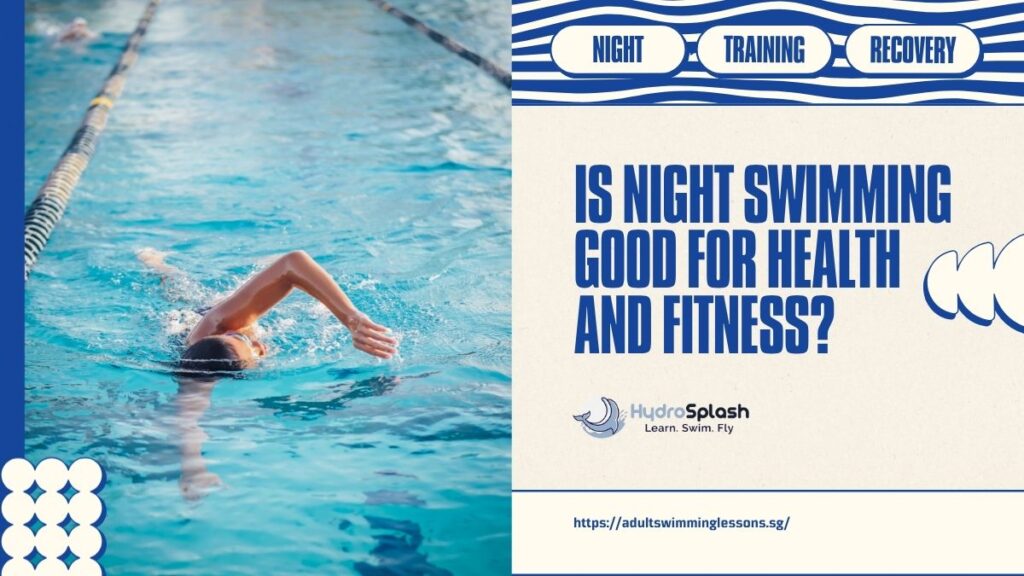
Is Night Swimming Good for Health and Fitness

Is Night Swimming Good for Health and Fitness?

Is Night Swimming Good for Health and Fitness? The thought of slipping into the pool at night might sound unusual to some, but in Singapore, night swimming has become a refreshing and practical way to exercise. With cooler evenings, quieter facilities, and the convenience of fitting into a busy schedule, many swimmers are now asking: is night swimming good? The short answer is yes—it offers a host of physical, mental, and lifestyle benefits that make it an excellent option for both adults and children. The Physical Benefits of Night Swimming Swimming is already considered one of the best full-body workouts, strengthening muscles, boosting cardiovascular health, and improving flexibility. When done at night, the benefits can be even more pronounced. Evening exercise helps regulate stress hormones and enhances recovery, making night swimming a soothing way to cap off the day. Research from the National Library of Medicine shows that moderate evening exercise, like swimming, doesn’t disrupt sleep as once believed—it can actually improve sleep quality when paired with a consistent bedtime. For adults balancing work and family responsibilities, a night swim is the perfect opportunity to combine fitness with relaxation. Why Night Swimming Works Well in Singapore Singapore’s climate plays a big role in making night swimming appealing. Afternoon lessons or workouts can feel draining under the hot sun, but evenings bring cooler air and more comfortable water temperatures. Pools are generally less crowded at night too, which allows for a calmer, more focused training session. Families also appreciate the flexibility of night swimming. Parents working late can still join their children at the pool, making it an inclusive activity that strengthens both swimming ability and family bonds. In fact, Sport Singapore has consistently promoted swimming as a lifestyle habit, and evening lessons make it easier to fit into a child’s or adult’s daily routine. Mental and Emotional Benefits of Night Swimming After a long day of work or school, night swimming offers a mental reset. The rhythmic movement of swimming, combined with the quiet atmosphere of the pool, helps reduce anxiety and improves overall mood. Many swimmers describe night swimming as therapeutic—a way to leave behind the stress of the day. Children also benefit emotionally from night swimming. Learning in a quieter, less crowded environment helps them focus better, while the end-of-day activity allows them to sleep more soundly. For adults, the stress relief and improved sleep patterns are especially valuable, leading to greater productivity and mood stability during the day. Safety Considerations for Night Swimming Parents and swimmers often ask whether night swimming is safe. With proper lighting, certified instructors, and lifeguards on duty, evening and night swimming classes are as safe as daytime sessions. HydroSplash ensures that all pools used for evening programs are well-maintained, supervised, and equipped with safety measures to give swimmers peace of mind. Hydration is another factor to consider. Even though temperatures are cooler at night, swimmers should still drink plenty of water before and after swimming to stay hydrated. With the right preparation, night swimming is not only safe but highly beneficial. Night Swimming for Lifestyle and Convenience One of the biggest reasons people choose night swimming is convenience. For working adults, evening classes fit neatly after work hours. For school-going children, evening lessons provide exercise without interrupting homework or extracurricular activities. This flexibility means families don’t have to compromise between fitness and daily responsibilities. Night swimming also aligns with a healthier lifestyle by encouraging consistent exercise habits. Swimmers who attend evening sessions often report better motivation, since the calm environment makes the activity feel less like a chore and more like an enjoyable ritual. Conclusion So, is night swimming good? Absolutely. From improved fitness and better sleep to reduced stress and enhanced family time, swimming at night is an option worth exploring for both adults and children in Singapore. With safe, supervised environments and programs tailored for all ages, night swimming provides the perfect blend of health, relaxation, and convenience. If you’re ready to make night swimming part of your lifestyle, check out HydroSplash’s adult swimming lessons and kids swimming lessons to find a program that suits your schedule. FAQ Q: Is night swimming good for sleep?A: Yes, moderate swimming at night can help regulate stress levels and improve sleep quality. Q: Is it safe for kids to swim at night?A: Yes, when conducted in well-lit pools with certified instructors and lifeguards, night swimming is safe for kids. Q: Does swimming at night burn calories?A: Absolutely. Night swimming provides the same calorie-burning benefits as daytime sessions, making it a great fitness option. Q: Why is night swimming popular in Singapore?A: Cooler weather, less crowded pools, and flexible schedules make night swimming ideal for Singapore’s lifestyle. Click on the link to find out more about HydroSplash Swimming. Chat with our representatives today!About HydroSplash SwimmingAdult Swimming LessonPrivate Swimming LessonKids Swimming LessonWhatsapp Us

Night Swimming Classes Flexibility Fitness and Fun

Night Swimming Classes: Flexibility, Fitness, and Fun

Night Swimming Classes: Flexibility, Fitness, and Fun Not everyone’s schedule fits neatly into the daylight hours. Between work commitments, family responsibilities, and personal errands, finding time for exercise can feel like trying to squeeze water from a stone. That’s where night swimming classes step in, offering a flexible, refreshing, and effective way to improve fitness while beating the heat of the day. For adults in Singapore who juggle hectic routines, night swimming classes provide the perfect balance of convenience and wellness. What Are Night Swimming Classes? Night swimming classes are structured swimming lessons held in the evening, usually after traditional working hours. They cater to adults who may find early morning or afternoon slots impractical. Conducted under proper pool lighting and with certified instructors, these classes deliver the same structured training you’d expect in daytime sessions—but with the added benefits of cooler weather and calmer surroundings. Many participants appreciate the tranquil atmosphere of night swimming. Without the midday glare of the sun, evening lessons feel more comfortable, reducing fatigue and sun exposure. Whether you’re learning to swim for the first time or perfecting your strokes, night swimming offers a unique experience that blends convenience with relaxation. Benefits of Night Swimming Classes Night swimming classes are not just about convenience—they come with several physical and mental benefits that make them highly appealing for adults in Singapore. Improved sleep: Moderate exercise in the evening has been linked to better sleep patterns, helping adults recharge for the next day. Flexible schedules for busy professionals: Evening sessions mean you can complete your workday and still fit in quality exercise. Reduced sun exposure: Night lessons protect your skin from harmful UV rays, a major concern in Singapore’s climate. Cooler conditions: Swimming at night provides a refreshing alternative to the often hot and humid daytime environment. Stress relief: The rhythmic motion of swimming combined with the calmness of the night helps reduce stress and improve mental clarity. A study by the National Sleep Foundation confirmed that exercising in the evening does not disrupt sleep when done at moderate intensity—in fact, it may even improve it. Night swimming classes fit perfectly into this framework, offering a healthy wind-down after a long day. Who Are Night Swimming Classes For? Night swimming classes are ideal for adults who want to enjoy the benefits of swimming without sacrificing their daytime commitments. They’re particularly popular among: These classes are suitable for both beginners and experienced swimmers. Certified coaches adapt sessions to match your skill level, whether you’re learning basic water confidence or refining strokes for efficiency. Safety and Structure of Night Swimming Classes Some may wonder whether swimming at night is safe. With proper facilities, the answer is a confident yes. Pools offering night classes are equipped with strong lighting, lifeguards, and certified swimming coaches to ensure safe practice. Lessons follow the same structured approach as daytime classes, covering warm-ups, technique drills, endurance training, and cool-down exercises. At HydroSplash, instructors also incorporate safety discussions tailored to evening sessions. For example, learners are guided on how to stay visible and alert in dimly lit environments—valuable skills for both pool and open-water settings. Why Night Swimming Classes Are Growing in Singapore Singapore’s tropical climate makes night swimming increasingly attractive. Evening classes allow adults to escape the heat while enjoying a unique atmosphere. Combined with the country’s emphasis on health and fitness, night swimming is quickly becoming a popular choice for those seeking practical yet enjoyable exercise routines. A report by Sport Singapore highlighted how flexible fitness programs significantly improve participation rates among adults. Night swimming, with its adaptability and wellness benefits, reflects this growing demand for exercise that fits seamlessly into modern lifestyles. Conclusion Night swimming classes offer more than just convenience—they provide a refreshing, stress-relieving, and effective way to build fitness while adapting to your schedule. For adults in Singapore, it’s a chance to embrace swimming without battling the midday heat or compromising daily responsibilities. If you’re ready to enjoy the calm, cool benefits of swimming under the lights, explore HydroSplash’s swimming lessons and discover how evening sessions can transform your fitness journey. FAQ Q: Are night swimming classes safe?A: Yes, they are held in well-lit pools with certified instructors and lifeguards, ensuring safety for all participants. Q: Who can join night swimming classes?A: They’re ideal for busy professionals, parents, and adults at any skill level looking for flexible fitness options. Q: Do night swimming classes help with stress?A: Absolutely. The calm evening environment paired with swimming’s natural rhythm helps reduce stress and improve mood. Q: Can night swimming improve sleep?A: Yes, moderate evening exercise like swimming has been shown to promote deeper and more restful sleep. Click on the link to find out more about HydroSplash Swimming. Chat with our representatives today!About HydroSplash SwimmingAdult Swimming LessonPrivate Swimming LessonKids Swimming LessonWhatsapp Us

Freestyle Swimming Speed How to Swim Faster and Smarter

Freestyle Swimming Speed: How to Swim Faster and Smarter

Freestyle Swimming Speed: How to Swim Faster and Smarter Freestyle, also called the front crawl, is the fastest and most efficient swimming stroke. It’s the reason competitive swimmers cover laps at lightning pace and why recreational swimmers choose it for long-distance workouts. But improving freestyle swimming speed isn’t just about moving your arms and legs quicker—it’s about technique, body positioning, endurance, and strength working together in harmony. Whether you’re an adult beginner, a fitness enthusiast, or someone preparing for a triathlon, understanding what influences speed in freestyle is the key to swimming faster and smarter. The Role of Body Position in Freestyle Swimming Speed A streamlined body position is the foundation of speed in freestyle swimming. When your body rides high on the water’s surface, you minimize drag and conserve energy. Proper head alignment—looking down rather than forward—keeps the hips and legs elevated, reducing resistance. Even small improvements in body alignment can shave seconds off lap times. Coaches often describe it like this: “Think of your body as a surfboard—when it’s flat and straight, it glides faster.” Arm Technique and Pull Efficiency The arms generate much of the propulsion in freestyle swimming. The catch phase, where the hand enters and grips the water, relies heavily on strong shoulders, chest, and back muscles. A high-elbow pull creates a powerful stroke, while pushing through with the forearm maximizes water displacement. Faster strokes don’t necessarily mean better strokes—efficient, well-timed pulls ensure speed without unnecessary energy loss. At HydroSplash, adult learners are taught to master the catch and pull before increasing pace. This step-by-step approach ensures that every stroke contributes to both propulsion and endurance. You can explore more about this structured coaching style in HydroSplash’s adult swimming lessons. The Power of the Kick Freestyle’s flutter kick might look simple, but it plays a crucial role in maintaining balance and rhythm. The quadriceps, hamstrings, glutes, and calves all fire during the kick cycle, helping streamline the body and adding propulsion. A relaxed, fast kick—not a frantic one—is what supports speed. Overkicking can drain energy quickly, while underkicking can slow momentum. Striking the balance is key. Breathing and Endurance for Speed One often overlooked factor in freestyle swimming speed is breathing technique. Poor breathing patterns can break rhythm, slow the stroke, and cause unnecessary drag. Learning to exhale fully underwater and rotate the head smoothly to inhale keeps momentum steady. Efficient breathing supports endurance, which directly translates to maintaining speed over longer distances. A study by Singapore’s National Institute of Education found that adult swimmers who trained with interval-based endurance swimming improved both aerobic capacity and sustained stroke speed. This proves that conditioning, combined with correct breathing, makes speed sustainable rather than short-lived. Strength Training for Faster Freestyle Freestyle swimming speed isn’t built in the pool alone—it’s also supported by strength training outside the water. Exercises like pull-ups, planks, and resistance band drills target the muscles used in freestyle: shoulders, core, and legs. A strong core ensures stability, while powerful lats and deltoids improve pull efficiency. Adding strength and flexibility training to a swimmer’s routine creates a balanced foundation for faster strokes. Practical Benefits of Improving Freestyle Swimming Speed Gaining speed isn’t only for competitive swimmers. Adults who improve their freestyle speed enjoy more efficient workouts, completing more laps in less time. Fitness benefits increase, calorie burn rises, and swimming sessions feel more rewarding. For triathletes or open-water swimmers, improved freestyle speed provides confidence in tackling longer distances without fatigue. Even casual swimmers benefit by developing a rhythm that makes swimming more enjoyable and less tiring. Conclusion Freestyle swimming speed is shaped by body position, arm technique, kicking, breathing, and strength. It’s not about rushing through the water but about swimming smarter—streamlining the body, pulling efficiently, and building endurance. Every improvement in technique translates into faster, more enjoyable swims. Ready to unlock your freestyle potential? Join HydroSplash’s adult swimming lessons to learn how expert coaching can help you swim faster, smarter, and with greater confidence in the water. Mini FAQ Section Q: How can I increase my freestyle swimming speed?A: Focus on body alignment, efficient arm pulls, strong but relaxed kicks, and proper breathing to improve speed. Q: Do stronger kicks make freestyle faster?A: Yes, but only if they’re efficient. Balanced flutter kicks add propulsion without draining energy. Q: How important is endurance for freestyle speed?A: Very important—endurance allows you to sustain faster speeds over longer distances without fatigue. Q: Can adults still improve freestyle swimming speed?A: Absolutely. With the right coaching and practice, adults at any age can enhance their technique and speed. Click on the link to find out more about HydroSplash Swimming. Chat with our representatives today!About HydroSplash SwimmingAdult Swimming LessonPrivate Swimming LessonKids Swimming LessonWhatsapp Us

Freestyle Swimming Benefits for Fitness and Health

Freestyle Swimming Benefits for Fitness and Health

Freestyle Swimming Benefits for Fitness and Health Freestyle swimming, often known as the front crawl, is the most efficient and popular stroke for swimmers of all ages. It’s the stroke you see dominating competitions, recreational pools, and open waters because it combines speed with energy efficiency. But freestyle swimming isn’t just for athletes—it’s one of the most rewarding exercises for adults seeking better health, fitness, and confidence. From toning muscles to boosting endurance and even reducing stress, the benefits of freestyle swimming extend well beyond the pool. A Full-Body Workout in Every Stroke One of the biggest benefits of freestyle swimming is its ability to work nearly every muscle in your body. With each arm pull, your shoulders, chest, and back engage, while your core stabilizes you and your legs power through with rhythmic kicks. This creates a workout that’s balanced, effective, and low-impact. Unlike basketball, tennis or badminton, swimming places minimal stress on the joints, making it suitable for adults managing knee or back pain. In fact, research on aquatic exercise in Singapore highlighted how regular swimming enhances cardiovascular health, flexibility, and muscular strength, especially among adults seeking low-impact yet powerful workouts. This shows why freestyle is often described as the gold standard of cross-training. Building Cardiovascular Endurance Freestyle swimming is also a superb cardiovascular workout. The steady breathing pattern and continuous movement elevate the heart rate, strengthening your cardiovascular system over time. Unlike high-impact cardio activities, swimming trains both aerobic and anaerobic capacity while being gentle on the body. Adults who swim regularly often report improved stamina, lower resting heart rates, and enhanced lung capacity. A global study published in the British Journal of Sports Medicine revealed that adults who swim consistently reduce their risk of chronic diseases and enjoy improved overall longevity. With freestyle swimming, you’re not just exercising—you’re investing in long-term heart health. Freestyle Swimming for Stress Relief There’s something meditative about gliding through water. The rhythmic strokes, the sound of bubbles during exhalation, and the feeling of buoyancy combine to create a calming experience. Freestyle swimming benefits mental health by lowering stress hormones, improving mood, and providing a natural “reset button” after a demanding workday. Many adults describe their time in the pool as a therapy session, where worries float away with each lap. For professionals in Singapore, where work-life balance can be a challenge, adding freestyle swimming to the weekly routine is an excellent way to maintain mental clarity and emotional resilience. Weight Loss and Body Toning Benefits Freestyle swimming burns calories at a rate comparable to running—without the harsh impact. Depending on intensity, a 30-minute freestyle session can burn 300–400 calories. Over time, this contributes to fat loss and improved body composition. The resistance of water also tones muscles more evenly compared to traditional workouts, sculpting lean arms, strong legs, and a stable core. Adults often notice physical changes within weeks of consistent practice: improved posture, better muscle definition, and greater energy levels. It’s no surprise that freestyle swimming is a favorite among those looking for a sustainable, enjoyable fitness solution. Practical Life Benefits Beyond the Pool Freestyle swimming benefits extend into everyday life. Parents gain peace of mind knowing they can keep their children safe around water. Travelers feel more confident engaging in water-based activities like snorkeling, kayaking, or even just enjoying hotel pools abroad. For professionals, the stamina built through freestyle translates into more energy at work and reduced fatigue. At HydroSplash Swimming Academy, adult swimming lessons emphasize these practical benefits alongside skill-building. Every stroke you learn in freestyle swimming brings not only fitness improvements but also life-enhancing confidence. For more details, you can explore HydroSplash’s adult swimming lessons, where certified coaches focus on personalized progress. Conclusion Freestyle swimming benefits the body, mind, and everyday life. It’s a full-body workout that builds strength, boosts cardiovascular endurance, reduces stress, and supports weight management. Beyond the pool, it provides safety, confidence, and a renewed sense of vitality for adults at any stage of life. If you’re ready to experience these benefits firsthand, start today with HydroSplash’s adult swimming lessons. With expert coaches and structured programs, you’ll gain not only swimming skills but also a healthier, stronger, and more confident version of yourself. Mini FAQ Section Q: Is freestyle swimming good for weight loss?A: Yes, freestyle swimming burns 300–400 calories per 30 minutes, making it effective for fat loss and toning. Q: Does freestyle swimming build muscle?A: Absolutely. It strengthens shoulders, chest, back, core, and legs while toning the entire body. Q: Can freestyle swimming reduce stress?A: Yes, the rhythmic motion and breathing patterns help calm the mind and lower stress hormones. Q: How often should adults swim to see benefits?A: Swimming two to three times per week provides noticeable improvements in fitness, endurance, and mood. Click on the link to find out more about HydroSplash Swimming. Chat with our representatives today!About HydroSplash SwimmingAdult Swimming LessonPrivate Swimming LessonKids Swimming LessonWhatsapp Us

Freestyle Swimming Muscles Worked A Complete Guide

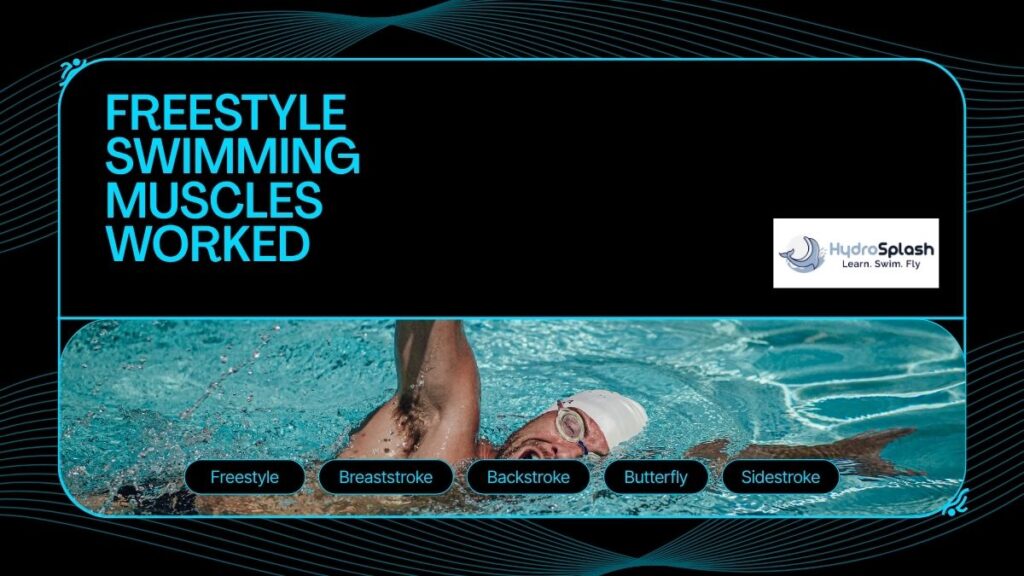
Freestyle Swimming Muscles Worked: A Complete Guide

Freestyle Swimming Muscles Worked: A Complete Guide Freestyle swimming, often called the front crawl, is the most popular stroke in pools worldwide. It’s fast, efficient, and the foundation of competitive and recreational swimming alike. But beyond technique and speed, freestyle is an extraordinary workout that engages nearly every major muscle group in the body. Whether you’re a beginner adult swimmer, a parent watching your child train, or a professional seeking cross-training options, understanding which muscles freestyle swimming works is the first step to appreciating why it’s considered the ultimate full-body exercise. Upper Body Muscles Engaged in Freestyle Swimming The moment your arm stretches forward in freestyle, you engage muscles from the shoulders down. The deltoids and rotator cuff stabilize your arm, while the latissimus dorsi—the broad “wings” on your back—powerfully pull you through the water. The triceps extend your arm during the recovery phase, and your chest muscles, especially the pectoralis major, assist with the inward sweep during the pull. Freestyle doesn’t just build strength; it enhances endurance. Swimmers often describe the sensation of their arms becoming more defined and toned after consistent training. Beyond aesthetics, the increased muscular endurance supports daily tasks like carrying groceries, lifting kids, or even maintaining better posture at the desk. Core Muscles and Stability Ask any coach about freestyle, and they’ll remind you: “It’s not just about arms—it’s about the core.” Freestyle relies heavily on abdominal engagement to stabilize the body and create a streamlined position. The rectus abdominis (the “six-pack” muscles), obliques, and transverse abdominis all work to keep you aligned. Equally important is the lower back. Muscles like the erector spinae counterbalance abdominal tension, ensuring the swimmer doesn’t collapse into the water. When the core is engaged properly, each kick and arm pull becomes more efficient, reducing drag and saving energy. Lower Body Muscles in Freestyle Swimming Freestyle kicks may look small, but they pack a muscular punch. The quadriceps extend the knee during each flutter kick, while the hamstrings help bend the leg during recovery. The glutes and hip flexors drive power, and the calves, especially the gastrocnemius and soleus, maintain a rhythmic flick at the ankle. In a study conducted on aquatic exercise and fitness in Singapore, researchers found that consistent swimming improved not only cardiovascular health but also leg strength and mobility among adults seeking low-impact workouts. Freestyle’s repetitive kicking pattern explains why—it’s like performing hundreds of bodyweight leg extensions in a session. Freestyle Swimming as a Full-Body Workout When you put arms, core, and legs together, freestyle becomes a powerhouse workout. Unlike gym exercises that isolate muscles, swimming requires coordination across multiple groups. That means your body learns to move as one efficient unit. Freestyle also engages smaller stabilizing muscles that often go unnoticed in traditional training. For example, muscles in the forearms and wrists work to maintain a proper catch, while small foot muscles keep the ankles relaxed for optimal kick rhythm. The result? Improved muscular balance and reduced risk of overuse injuries from repetitive land-based sports like running. Strength, Endurance, and Flexibility Gains Freestyle swimming doesn’t just build strength—it also improves endurance and flexibility. Because water is 12 times denser than air, every movement encounters resistance. That resistance builds muscular endurance in the shoulders, back, and legs. Meanwhile, the range of motion required for long arm strokes and extended kicks naturally increases flexibility, especially in the shoulders and hips. A global study on aquatic fitness revealed that swimming sessions significantly lowered blood pressure and improved joint mobility in adults over 40. This shows how freestyle training strengthens muscles while supporting long-term joint health. For adults balancing work and family life, this combination of fitness, flexibility, and cardiovascular health is a golden ticket. Practical Applications Beyond the Pool Knowing which muscles freestyle works makes it clear why the stroke benefits more than competitive swimmers. Professionals who swim regularly report better posture, less back pain, and improved stamina at work. Parents enjoy the energy boost to keep up with active kids. Fitness enthusiasts see freestyle as an excellent cross-training tool, balancing strength and cardio. HydroSplash Swimming Academy highlights this by tailoring adult swimming lessons to fitness goals as well as water safety. Learners don’t just practice strokes; they experience a whole-body workout that improves muscle tone and boosts confidence. You can explore this further in HydroSplash’s adult swimming lessons, where coaches focus on building both skill and strength. Conclusion Freestyle swimming muscles worked include the shoulders, back, chest, core, glutes, and legs—all engaged in a fluid, coordinated movement. The stroke strengthens the body, improves endurance, enhances flexibility, and builds mental resilience. It’s no wonder freestyle is often recommended as a lifelong exercise for adults of all fitness levels. If you’re ready to experience how freestyle can transform your fitness and confidence, start your journey today with HydroSplash’s adult swimming lessons. Certified coaches and tailored programs ensure every stroke brings you closer to stronger muscles, better health, and a renewed love for swimming. Mini FAQ Section Q: Which muscles are mainly used in freestyle swimming?A: Freestyle swimming works the shoulders, chest, back, core, glutes, quadriceps, hamstrings, and calves. Q: Is freestyle swimming good for building strength?A: Yes, freestyle builds muscular strength and endurance, especially in the upper body and core, thanks to water resistance. Q: Can freestyle swimming improve posture?A: Absolutely. Strengthening the core, back, and shoulders through freestyle often reduces slouching and improves spinal alignment. Q: Does freestyle swimming help with weight loss?A: Yes, freestyle is a calorie-burning full-body workout that combines strength training with cardiovascular exercise. Click on the link to find out more about HydroSplash Swimming. Chat with our representatives today!About HydroSplash SwimmingAdult Swimming LessonPrivate Swimming LessonKids Swimming LessonWhatsapp Us

When Swimming What Muscles Are Used

When Swimming What Muscles Are Used

When Swimming What Muscles Are Used Swimming is often called a full-body workout, and for good reason. Unlike exercises that focus on a single area, swimming engages multiple muscle groups simultaneously while keeping stress off the joints. For adults taking lessons, understanding when swimming what muscles are used isn’t just trivia—it helps you appreciate how each stroke strengthens your body, improves endurance, and builds overall fitness. The beauty of swimming is that whether you’re doing freestyle, backstroke, breaststroke, or butterfly, nearly every part of your body is in motion. From your shoulders to your calves, muscles are firing in harmony with each stroke. The pool becomes more than just water; it becomes your natural resistance trainer. When Swimming What Muscles Are Used in Freestyle Freestyle, often the first stroke adults learn, is deceptively simple yet highly effective in activating muscles. Your shoulders and arms do much of the pulling, with the deltoids, biceps, triceps, and latissimus dorsi working together. As your hand enters the water and pulls back, the back muscles generate the propulsion that carries you forward. Meanwhile, the core—especially the obliques and abdominals—engages to stabilize the body. Without strong core control, freestyle can feel sloppy and unbalanced. Add in the constant flutter kick, and suddenly the quadriceps, hamstrings, and calves are firing nonstop. Freestyle is essentially a whole-body symphony of movement, with every stroke pushing your endurance higher. When Swimming What Muscles Are Used in Backstroke Backstroke may feel like a more relaxed stroke, but don’t be fooled. The muscles of the upper back, including the trapezius and rhomboids, are heavily involved in lifting the arms overhead and pulling through the water. The triceps extend during each recovery phase, giving your arms a sculpted workout. The core plays an essential role again, keeping your body flat and streamlined. Without it, you’d wiggle like a fish out of water. And let’s not forget the legs—backstroke kicks engage the hip flexors and calves, strengthening muscles that often get overlooked in land-based workouts. For adults who spend long hours at desks, backstroke can even help correct poor posture by strengthening neglected back muscles. When Swimming What Muscles Are Used in Breaststroke Breaststroke is a favorite among many adults because of its steady rhythm and ease of breathing. But don’t underestimate its muscle demand. The chest muscles (pectorals) and inner thighs (adductors) are stars of the show here. Each arm pull is powered by the chest and shoulders, while the frog-like leg kick demands strength from the inner thighs, glutes, and hamstrings. This stroke is also a champion for the lower back and hips. The outward whip of the legs forces the hips and glutes to work in unison, making breaststroke an excellent exercise for stability and power. The controlled glide phase in breaststroke might look calm, but beneath the surface, muscles are coordinating to hold a streamlined position. When Swimming What Muscles Are Used in Butterfly If freestyle is the crowd favorite, butterfly is the showstopper. It’s demanding, powerful, and requires serious coordination. The lats, deltoids, pectorals, and triceps dominate the arm movements, while the abdominals and hip flexors drive the dolphin-like motion of the body. Butterfly is sometimes described as “swimming’s equivalent of weightlifting.” Each simultaneous arm sweep and kick engages the upper and lower body to the max. Your quads, hamstrings, and calves ignite as your legs snap together in powerful thrusts. Meanwhile, the core muscles work overtime to keep the undulating motion smooth. For adults, butterfly may feel like the Everest of swimming, but once mastered, it transforms into an exhilarating, calorie-burning powerhouse of a stroke. The Core: The Unsung Hero in Swimming While arms and legs often steal the spotlight, the core is the quiet hero in every stroke. Strong abdominal and lower back muscles keep the body aligned, reduce drag, and maintain efficiency. Think of your core as the anchor that holds everything together in water. Without it, your arms and legs would work harder but achieve less. This is why adult swimming lessons emphasize body positioning alongside stroke technique. Once you learn to engage your core naturally, every movement in the pool becomes smoother and more effective. How Swimming Builds Strength and Endurance When swimming what muscles are used, the answer isn’t limited to isolated groups—it’s the combination that matters. Swimming works your cardiovascular system just as much as your muscles, making it a hybrid of strength and endurance training. Research from HealthHub Singapore confirms that swimming improves lung capacity, cardiovascular health, and muscle endurance, especially for adults balancing busy lifestyles (source). Another global study showed that consistent swimming reduces body fat percentage while enhancing overall muscular strength. The takeaway? Swimming doesn’t just tone muscles—it transforms your entire fitness profile. Why Adults Benefit Most from Muscle Engagement in Swimming Unlike gym workouts that isolate specific areas, swimming delivers balanced conditioning. Adults often experience stiffness or muscle imbalance due to desk jobs and sedentary habits. Adult swimming lessons correct these imbalances by activating underused muscles and improving flexibility. For example, the rotational movements in freestyle and backstroke stretch the spine and strengthen the obliques. Breaststroke builds inner thigh strength rarely targeted in everyday activities. Butterfly, though demanding, conditions both upper and lower body with unmatched intensity. The result? A more symmetrical, balanced physique and improved mobility that carries into daily life. Even simple activities—like carrying groceries, climbing stairs, or playing with kids—become easier when your muscles are conditioned through swimming. When Swimming What Muscles Are Used for Weight Loss and Toning If your goal is weight management, adult swimming lessons can be a game-changer. Because swimming recruits large muscle groups simultaneously, it burns calories efficiently while toning the body. Your shoulders, arms, back, core, and legs all sculpt together, creating a leaner appearance. Unlike running or high-impact workouts like basketball, swimming achieves this without punishing the joints. For adults with knee or back concerns, swimming provides a safe yet effective way to build strength and shed extra weight. The added resistance of water ensures your

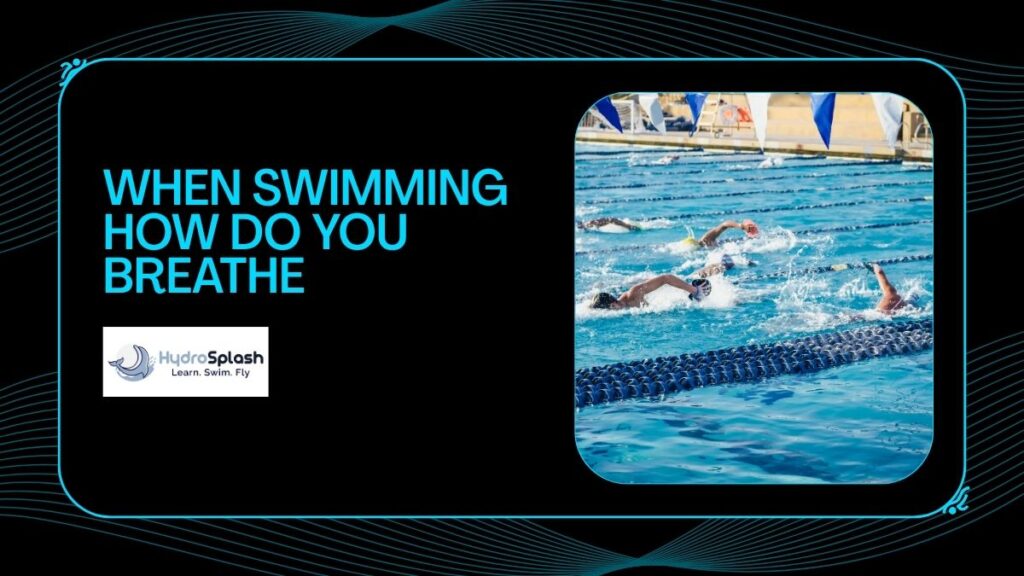
When Swimming How Do You Breathe

When Swimming How Do You Breathe

When Swimming How Do You Breathe If you’ve ever tried to swim a full lap and found yourself gasping for air halfway through, you’re not alone. Breathing while swimming feels unnatural at first because, well, it is. On land, breathing is automatic; in water, it’s an art. Many new swimmers ask, “When swimming how do you breathe properly without choking or losing rhythm?” It’s one of the most common challenges HydroSplash Swimming Academy coaches encounter—and also one of the most rewarding to master. Learning to breathe effectively in the pool is not just about survival; it’s about grace, control, and efficiency. Breathing connects your strokes, keeps your body calm, and determines how long you can sustain energy in the water. Let’s explore how proper breathing works, why it matters, and how HydroSplash’s professional approach helps both beginners and experienced swimmers turn gasps into rhythmic confidence. Why Breathing Feels So Different in Water The main reason many adults struggle with the question “when swimming how do you breathe?” is because breathing in water reverses what we do naturally. On land, we inhale and exhale through both our nose and mouth. In water, we inhale quickly through the mouth above the surface and exhale steadily through the nose underwater. It’s a mental and physical adjustment that takes patience and practice. At HydroSplash Swimming Academy, instructors often compare breathing to music—it’s all about rhythm. When your breathing matches your stroke tempo, your swimming becomes fluid. Without that sync, your body tenses, your head lifts too high, and your strokes lose power. Once you learn to control exhalation underwater, your body naturally relaxes and floats more efficiently. The Science Behind Swimming Breathing Breathing in water is more than timing; it’s physiology. When you swim, your body is in a horizontal position, and water pressure compresses your chest slightly. This makes inhalation a bit harder and exhalation more important. A steady outflow of bubbles through the nose keeps carbon dioxide levels balanced and prevents panic. According to research published in the Journal of Sports Science & Medicine (2023), rhythmic breathing in swimming enhances oxygen intake efficiency and reduces fatigue by up to 18% compared to irregular breathing patterns (source). That’s why professional swimmers seem so calm—they’re not just strong, they’re synchronized. Breathing in Freestyle: The Common Struggle Freestyle is the stroke that causes most people to ask “when swimming how do you breathe without swallowing water?” The key is turning your head, not lifting it. Every time you lift your head forward, your hips sink, your momentum drops, and your body tires quickly. At HydroSplash Swimming Academy, coaches teach swimmers to keep one goggle underwater and one goggle above while turning their head to the side for a quick breath. It’s subtle, smooth, and efficient. Inhale swiftly through your mouth, then exhale gently underwater through your nose until your next breath. The goal is consistency—no holding your breath, no panic. Many adult learners find that once they focus on exhaling underwater instead of holding air in, their buoyancy improves instantly. The difference is often night and day between struggling to stay afloat and gliding effortlessly. Breathing in Backstroke: The Natural Rhythm For beginners struggling with freestyle breathing, HydroSplash often introduces backstroke as a confidence-builder. Backstroke allows swimmers to breathe freely since their face stays above water. It’s perfect for learning how to coordinate breathing with movement and for easing tension around the neck and shoulders. When performing backstroke, the secret is timing—inhale as one arm enters the water and exhale as the other recovers. It’s like a pendulum: one motion feeds the other. Learning this pattern helps swimmers understand how controlled breathing supports endurance, even when transitioning back to face-down strokes later. Breaststroke Breathing: Calm and Controlled When teaching beginners or children, breaststroke is often the go-to for introducing breathing technique. It’s slower, more deliberate, and easy to visualize. You inhale as your head comes above the water during the glide phase and exhale underwater as your arms extend forward. While it may sound simple, timing remains critical. Lifting your head too early can strain your neck; exhaling too late can break rhythm. At HydroSplash, instructors help students internalize this rhythm with drills that match breathing to arm recovery, ensuring every motion feels natural and unforced. Butterfly Breathing: For the Advanced Swimmer Butterfly breathing, while challenging, can be deeply rewarding when mastered. You breathe in as your head breaks the surface during the upward motion of your arms and exhale underwater during the glide. What makes butterfly breathing tricky is synchronization—it’s easy to over-rotate or lift too high, wasting energy. For swimmers with solid freestyle and breaststroke experience, HydroSplash’s advanced sessions focus on muscle coordination and body roll. The goal isn’t just to look powerful but to breathe efficiently through short, controlled inhales without disturbing body alignment. Overcoming Fear: The Psychological Side of Breathing Breathing and fear are closely connected in swimming. Many adults who ask “when swimming how do you breathe?” are often battling aquaphobia at the same time. Panic causes shallow, erratic breathing, which leads to fatigue and poor control. HydroSplash instructors approach this with empathy and structured confidence-building exercises. One of the most effective techniques used in their Swimming Lesson programs is bubble-blowing practice—teaching swimmers to exhale steadily underwater in a relaxed environment before combining it with movement. Through repetition and reassurance, learners eventually discover that water doesn’t have to be an enemy—it can become a partner. Every bubble becomes a signal of control, transforming anxiety into awareness. The Role of Breathing in Stamina and Endurance Breathing efficiency determines how long you can swim before fatigue sets in. Shallow, panicked breaths waste energy, while controlled breathing extends stamina. Think of it as the body’s metronome—when it’s steady, your movements follow in harmony. A study conducted by Singapore Sports Institute found that swimmers who practiced breath control exercises improved their lap endurance by 25% within eight weeks of training (source). At HydroSplash, breath drills are woven into every lesson, from beginners learning

What Swimming Stroke Is Best For Scoliosis

What Swimming Stroke Is Best For Scoliosis

What Swimming Stroke Is Best For Scoliosis Living with scoliosis can sometimes feel like carrying an invisible weight. The uneven curvature of the spine can affect posture, comfort, and even confidence. Many adults and parents of young swimmers ask the same question when they walk onto the pool deck: what swimming stroke is best for scoliosis? The water, after all, is a place of freedom. It supports the body, eases pressure on the joints, and provides resistance that strengthens without strain. But not all strokes are created equal when it comes to spinal alignment, which is why finding the right one is crucial. Understanding scoliosis and swimming is the first step. Scoliosis is more than just a curve in the spine—it changes how the body balances itself. On land, gravity exaggerates these imbalances. In water, buoyancy acts as a natural equalizer. Muscles that often overcompensate on one side of the body are suddenly given a fair chance to work more evenly. This is why swimming is frequently recommended as one of the safest, most effective exercises for scoliosis. But let’s get into the specifics: which stroke helps the most, and why? Why Swimming Matters for Scoliosis When exploring what swimming stroke is best for scoliosis, it’s worth remembering that water is forgiving. Unlike basketball or tennis, swimming reduces compressive forces on the spine. Each stroke, kick, and pull becomes an opportunity to align the body while strengthening the muscles around the spine. Case studies in Singapore have highlighted how aquatic therapy plays an important role in managing spinal issues. A study by the National University Health System found that water-based exercises significantly improved muscular endurance and reduced discomfort among patients with musculoskeletal conditions (NUHS). While scoliosis is unique to every individual, this evidence supports the broader point: swimming is a low-impact, whole-body activity that builds strength without adding stress to the spine. The Front Crawl and Scoliosis Let’s begin with the most popular stroke: the front crawl, also known as freestyle. At first glance, it seems like the perfect answer to what swimming stroke is best for scoliosis. It promotes rhythm, aerobic capacity, and balance. However, freestyle also requires rotation of the torso, which might create challenges for those with uneven spinal curves. If performed mindfully with proper form, freestyle can improve overall strength and coordination. But if done without attention, it may exaggerate the very imbalances it is meant to ease. This is where expert coaching becomes invaluable. At HydroSplash Swimming Academy, instructors focus on teaching adults and young swimmers how to maintain symmetry in their pull and kick. Instead of allowing one side to dominate, the swimmer learns to distribute effort equally, reinforcing spinal balance. For scoliosis, freestyle can be beneficial if monitored carefully and tailored to individual needs. The Backstroke Advantage For many with scoliosis, the backstroke often emerges as the champion. When parents ask, what swimming stroke is best for scoliosis?, the backstroke usually tops the list. Why? Because it places the body in a supine position, encouraging the spine to align naturally with the water’s surface. It doesn’t require heavy torso rotation, and the breathing rhythm is more relaxed compared to freestyle. This stroke is particularly effective for adults who are new to swimming and need reassurance while strengthening spinal and core muscles. The gentle, alternating arm pulls stretch the chest and shoulders, which can counteract the tendency of scoliosis to pull posture forward. The flutter kick strengthens the lower back and hip stabilizers without excessive strain. A Singapore-based wellness program run at ActiveSG facilities even incorporated backstroke into their rehabilitative swimming sessions, reporting significant improvements in posture awareness and muscle tone among participants (Sport Singapore). For scoliosis, backstroke is not just a safe stroke—it can be a corrective one when taught with attention. Breaststroke: Friend or Foe? The breaststroke is often where opinions split when discussing what swimming stroke is best for scoliosis. On one hand, it’s a comfortable stroke that many beginners gravitate toward. On the other, its reliance on simultaneous leg kicks and outward shoulder motion can strain the lower back if done incorrectly. For swimmers with scoliosis, breaststroke can be useful if taught gently and adapted to minimize arching of the spine. HydroSplash instructors often emphasize keeping movements smooth and controlled, focusing on gentle propulsion rather than exaggerated kicks. By adjusting form, the breaststroke can become a stroke that supports core strength while avoiding unnecessary spinal stress. Butterfly and Its Limitations When it comes to butterfly, the story changes. While powerful and impressive, butterfly requires significant spinal undulation. For individuals with scoliosis, this movement can be counterproductive, increasing asymmetrical strain on the spine. Rarely does butterfly feature in the recommendation of what swimming stroke is best for scoliosis. Unless a swimmer has mild scoliosis and advanced strength under professional supervision, butterfly is usually not encouraged. This is why HydroSplash programs prioritize strokes that bring long-term benefits over short-term flair. Teaching swimmers to recognize their limits while building confidence ensures a sustainable and safe swimming journey. Tailoring Lessons to Individual Needs The truth is that scoliosis is not one-size-fits-all, and neither is swimming. Asking what swimming stroke is best for scoliosis is a great starting point, but the answer often lies in customized training. Some adults may thrive on backstroke, while others find freestyle manageable with corrections. Children with scoliosis may respond differently than adults, needing playful yet precise drills that keep them engaged without overexertion. At HydroSplash Swimming Academy, coaches design lesson plans that focus on symmetry, posture correction, and gradual progress. Whether through School Holiday Swimming Lessons for kids or tailored adult programs, the emphasis remains on building confidence in the water while protecting spinal health. Confidence and Water Safety It’s also worth highlighting that for individuals with scoliosis, confidence in the water can be as healing as the physical benefits. Many adults hesitate to start lessons, fearing judgment or physical limitations. But with a supportive learning environment, the journey transforms. As we’ve shared in earlier articles on How

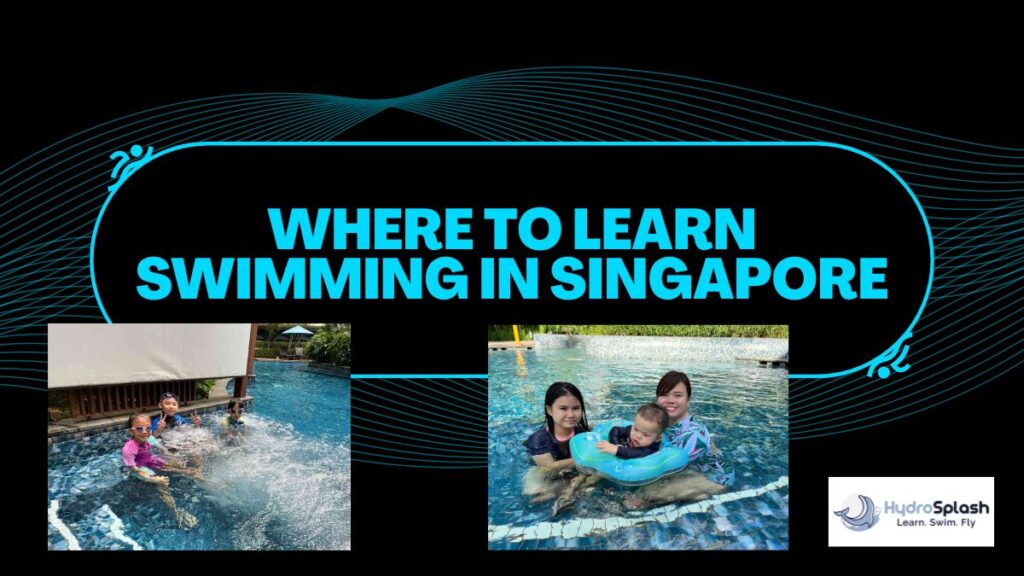
Where To Learn Swimming In Singapore

Where To Learn Swimming In Singapore

Where To Learn Swimming In Singapore Learning to swim is more than just picking up a life skill; it is an investment in confidence, health, and safety. Many people ask the same question when considering lessons for themselves or their children: where to learn swimming in Singapore? The answer lies in finding a place that combines professional coaching, safe facilities, and an environment that encourages growth in and out of the water. Why Choosing Where To Learn Swimming In Singapore Matters When deciding where to learn swimming in Singapore, it is important to think beyond just convenience. Parents want their children to be guided by certified instructors who understand how to balance fun with discipline. Adults want assurance that they can progress at their own pace without feeling embarrassed about starting later in life. The location, the structure of classes, and the teaching approach all matter because they set the tone for how enjoyable and effective the learning journey will be. Where To Learn Swimming In Singapore For Adults For adults, the decision on where to learn swimming in Singapore often comes down to flexibility. Work commitments and family obligations can make scheduling a challenge. That is why private swimming lessons tailored for adults have gained popularity. These lessons offer individualised attention and allow learners to progress without pressure. In fact, research has shown that adults benefit from structured programs that provide consistent feedback and gradual exposure to water confidence skills. In a local survey conducted, nearly 40% of adults in Singapore admitted to lacking swimming proficiency, proving that demand for adult-focused lessons continues to grow. HydroSplash has long emphasised that adult learners are not defined by age but by their willingness to learn. Through customised lesson plans, adults gradually conquer fears, correct form, and eventually enjoy swimming as a lifelong form of fitness. For anyone searching where to learn swimming in Singapore as an adult, professional guidance ensures each session builds confidence while safeguarding safety. Where To Learn Swimming In Singapore For Children Parents often face the pressing question of where to learn swimming in Singapore for their children, particularly given the island’s abundant water facilities. Kids benefit immensely from structured swimming lessons that start with water familiarisation before moving to strokes and techniques. At HydroSplash, certified coaches know how to make lessons fun with games and drills, but they also ensure that children understand water safety as a core part of training. Research from Sport Singapore has shown that early exposure to swimming is directly linked to higher confidence and lower accident risks for children (SportSG). This highlights the importance of selecting lessons that not only focus on technique but also on safety education. Parents searching for where to learn swimming in Singapore can rest assured that structured classes provide children with skills they can carry for life. Where To Learn Swimming In Singapore For Infants And Toddlers Another growing trend is parents enrolling infants and toddlers in water familiarisation programs. At this stage, lessons are about comfort rather than technique. Parents often ask whether it is too early for their babies to begin swimming. The reality is that introducing children to water from a young age helps prevent aquaphobia later. For parents wondering where to learn swimming in Singapore for toddlers, infant-friendly classes focus on gentle guidance, safety routines, and playful exposure to water movements. Where To Learn Swimming In Singapore By Location Location is often the deciding factor for many families. From neighbourhood ActiveSG pools to private condominium facilities, accessibility is crucial. Articles like our review of Woodlands Swimming Complex and Bishan Swimming Complex highlight the variety of public facilities available. For those searching where to learn swimming in Singapore, choosing a pool close to home saves travel time and makes consistent practice much more achievable. Health Benefits Linked To Where To Learn Swimming In Singapore The choice of where to learn swimming in Singapore also affects overall health outcomes. Swimming offers a low-impact workout that strengthens muscles, improves cardiovascular health, and supports mental well-being. Adults who take lessons often report better posture and reduced stress levels. Children experience improvements in coordination and endurance. Importantly, swimming has also been tied to better sleep patterns—a benefit we previously discussed in our article about how swimming can help you sleep better. Safety Considerations In Deciding Where To Learn Swimming In Singapore Water safety remains at the heart of swimming education. For families and professionals considering where to learn swimming in Singapore, the presence of certified coaches trained in CPR and first aid should be a top priority. Additionally, structured programs should integrate water survival skills alongside stroke training, ensuring that learners of all ages know what to do in emergencies. Where To Learn Swimming In Singapore During School Holidays Demand for lessons increases during the June and December breaks, when parents look for productive holiday activities for their children. Our earlier blog on school holiday swimming lessons explains why these programs are ideal for reinforcing skills while keeping kids engaged in healthy activities. For parents asking where to learn swimming in Singapore during the school holidays, enrolling in structured holiday programs ensures children maintain continuity in their learning. Why HydroSplash Emphasises The Right Answer To Where To Learn Swimming In Singapore HydroSplash focuses on creating tailored learning paths. Instead of one-size-fits-all solutions, lessons are customised to the learner’s pace, whether adult or child. The answer to where to learn swimming in Singapore lies in finding a place where coaching goes beyond the pool—where students leave with confidence, discipline, and joy. The values of patience, consistency, and encouragement remain central to every lesson, ensuring long-term progress. Conclusion: Deciding Where To Learn Swimming In Singapore At the end of the day, choosing where to learn swimming in Singapore is about more than convenience—it is about investing in skill, safety, and personal growth. From adults who finally take the plunge into lessons, to children building lifelong confidence in the water, the choice matters. Every pool session is not just a

Yio Chu Kang Swimming Complex Facilities & Location

Yio Chu Kang Swimming Complex: Facilities, Location & Learning Potential

Yio Chu Kang Swimming Complex Yio Chu Kang Swimming Complex is classified as a normal pool, meaning it does not include slides, wave pools or leisure features. ActiveSG Its address is 202 Ang Mo Kio Avenue 9, Singapore 569771. Location & Access at Yio Chu Kang Swimming Complex The complex lies adjacent to Yio Chu Kang MRT—about a 5-minute walk from Exit B —making it one of the more accessible public pools near the MRT network. Bus services 45, 70, 70M, 265 also stop nearby (bus stop 55319). There are parking lots outside the pool compound, offering about 225 car and 74 motorcycle lots. The location strikes a balance: close enough for public transport users, yet with some onsite parking for those who drive. Operating Hours & Weekly Closure The pool is open daily except Thursday, which is reserved for maintenance. Regular hours are 8:00 am to 9:30 pm on open days. On Monday, Wednesday, Friday, the competition pool opens early for lap swimmers from 6:30 am to 8:00 am. If Thursday falls on a public holiday, the complex remains open from 8:00 am to 9:30 pm. During inclement weather, outdoor pools may be closed for safety. Pool Facilities & LayoutYio Chu Kang Swimming Complex offers one competition pool, one teaching pool, and one wading pool. This three-pool configuration supports a structured learning journey: newcomers begin in the wading pool, transition to the teaching pool for guided instruction, and advance to the competition pool for drills and lap work. The lack of recreational water features keeps the focus clearly on learning, technique, safety, and progression rather than play. Rates & Booking The complex uses normal pass access (not feature pass). Entrance fees as provided are $1.00 for adults on weekdays, $1.30 on weekends (public holidays), and $0.50 / $0.60 for children and seniors depending on weekday or weekend. Booking of lanes and passes is handled via the MyActiveSG+ platform. Strengths for Structured Swim LessonsYio Chu Kang’s well-zoned pools make it ideal for structured swim schooling. Beginners benefit from a calm, shallow wading zone, while intermediate learners progress to the teaching pool. Advanced students or adults can refine technique in the competition pool, often during early lap hours. The early morning slot is especially useful for adult learners seeking training before daily routines. The consistent evening hours support after-work or after-school classes. Coaches appreciate the clarity of lane allocation when no leisure distractions compete for space. Being near an MRT station boosts accessibility, making it a convenient choice for families and working professionals alike. The absence of slides or waves reduces unpredictability and promotes a stable learning environment. Challenges & Considerations The main limitation is the Thursday closure, which requires lesson planners to avoid that day. Since it is not sheltered, weather disruptions may affect lessons—having alternate plans or backup pools is prudent. Given its simplicity, maintaining engagement for younger students depends entirely on curriculum creativity, drills variation, and motivational teaching rather than built-in attractions. Community Relevance & Brand Impact Yio Chu Kang Swimming Complex is widely used by local residents and recognized for its affordability and clean facilities. It ranks highly in public pool listings and user reviews. Its central location near transport hubs strengthens its appeal among commuters. For a swim school such as HydroSplash, offering programmes here conveys reliability, accessibility, and focus on core swimming skill development. Conclusion Yio Chu Kang Swimming Complex offers a clear, well-structured aquatic facility with competition, teaching, and wading pools. Its consistent hours, early lap windows, and strong transport access make it a strong candidate for structured swim lessons across ages and levels. For learners, parents, and coaches in the northern region seeking reliable venues with clear progression, Yio Chu Kang is a dependable choice. To find out how HydroSplash runs lessons at this complex or book a class, check out HydroSplash Swimming or secure your session via our Swimming Lesson page. Click on the link to find out more about HydroSplash Swimming. Chat with our representatives today!About HydroSplash SwimmingAdult Swimming LessonPrivate Swimming LessonKids Swimming LessonWhatsapp Us

Tampines Swimming Complex Location Facilities

Tampines Swimming Complex: Location, Facilities & Coaching Potential

Tampines Swimming Complex Tampines Swimming Complex has recently been relocated and upgraded; it now resides at Our Tampines Hub, Level 6, 1 Tampines Walk, Singapore 528523. ActiveSG The facility is classified as a normal pool with inclusive pool features, meaning it provides core swimming zones and accessibility enhancements, but does not include slides or wave pools. Location & Accessibility of Tampines Swimming Complex Nestled within the heart of Tampines, the complex is housed inside the multifunctional Our Tampines Hub (OTH). The address is central to many residential precincts in Tampines, Pasir Ris, and Changi, giving convenient access to learners in the eastern region. Public transport access is excellent: OTH is well served by buses, and walking distance from Tampines MRT / transport nodes. Driving access and parking align with the sports hub’s integrated planning. The relocation into OTH signifies a shift towards combining community, sport, and social amenities under one roof, enhancing the learner and caregiver experience. Operating Hours & Weekly Closures Tampines Swimming Complex operates daily except Tuesdays, which are reserved for weekly maintenance closure. On open days, the facility is open from 8:00 am to 9:30 pm. On Monday, Wednesday, and Friday, the competition or training pool is available earlier from 6:30 am to 8:00 am for lap users. If a Tuesday falls on a public holiday, the complex remains open from 8:00 am to 9:30 pm. In times of inclement weather, outdoor aquatic zones may be temporarily closed for safety. Facility Features & Aquatic DesignThough categorized as a normal pool, the complex incorporates inclusive pool features such as wheelchair access and a sheltered pool design which helps mitigate exposure to sun or rain. The swimming complex layout includes a competition / training pool zone, which is likely used during early lap hours and class training, and shallower zones for instruction and learner classes. The absence of fun or leisure water features (slides, wave machines) ensures the focus remains on formal lessons, technique development, safety, and progressive training. The sheltered pool aspect means parts of the pool are covered or protected from direct weather exposure—this is a key upgrade enhancing lesson continuity across weather conditions. The complex also supports inclusive design by offering wheelchair accessibility to the pool areas. Why Tampines Works for Structured Swim Coaching Tampines Swimming Complex offers compelling advantages to a swim school. Its central location in a major community hub helps reduce travel time and enhances visibility. The sheltered pool design supports consistency of lessons even in unpredictable weather, reducing cancellations. The early morning lap window allows for adult learners or professionals to train before work or send children for early classes. The classification as a normal pool makes lane allocation simpler and less conflicting with leisure use. The inclusive features allow learners with different physical needs to participate. Because the venue is integrated with a larger hub (Our Tampines Hub), caregivers and students can combine lessons with access to other facilities—cafes, libraries, shopping, or community spaces—improving the overall experience. The modernization and relocation reinforce a message of quality, community investment, and longevity—factors that build trust among prospective students and parents. Operational Considerations & Scheduling AdviceLessons should avoid Tuesdays due to total closure. Evening and weekend time slots may see higher demand given the central location, so booking in advance is recommended. Because the competition pool opens early on only select days, class placement for advanced or adult learners must align with those windows. Weather interruptions may affect outdoor or exposed parts—so contingency planning is essential. Because the venue is part of a multipurpose hub, coordination with shared facility scheduling is necessary to secure uninterrupted class blocks. Community & Brand Implications Tampines Swimming Complex’s integration into Our Tampines Hub positions it as more than a pool—it becomes a part of daily community life. This helps embed the perception of swimming lessons as lifestyle and wellness, not just sport. For HydroSplash or any swim school, having classes here means linking learners to a high-visibility, high-traffic community node. The modernization, inclusive design, and quality infrastructure strengthen the brand promise of professionalism, accessibility, and longevity. Conclusion Tampines Swimming Complex at Our Tampines Hub is a refined, accessible, and strategically located facility with sheltered design, inclusive features, and strong community integration. Its normal pool classification, early lap windows, and modern amenities make it well suited for structured swim programmes. Learners, families, and coaches in the eastern region seeking dependable, high-quality lesson venues will find Tampines a compelling choice within the HydroSplash network. To learn more about how HydroSplash runs classes at Tampines or sign up for personalised lessons, visit HydroSplash Swimming or book via our swimming lesson page. Click on the link to find out more about HydroSplash Swimming. Chat with our representatives today!About HydroSplash SwimmingAdult Swimming LessonPrivate Swimming LessonKids Swimming LessonWhatsapp Us

Pasir Ris Swimming Complex Location & Facilities

Pasir Ris Swimming Complex: Location, Facilities & Coaching Potential

Pasir Ris Swimming Complex Pasir Ris Swimming Complex, managed by Sport Singapore under the ActiveSG network, is located at 120 Pasir Ris Central, Singapore 519640. ActiveSG It is classified as a feature pool / inclusive pool, which means it offers more than just standard lap pools—it includes slides, fun pools, and accessibility features. Location & Accessibility of Pasir Ris Swimming Complex The complex lies in the Pasir Ris town centre, making it convenient for families in the eastern region. It is about a 4-minute walk from Pasir Ris MRT Exit A, which gives it good public transport connectivity. Bus services such as 89, 359, 403 stop nearby (bus stop B77171) with short walking distance to the complex. For drivers, parking is available in the vicinity (near the sport centre) though spaces may be limited. The location within a community precinct ensures that caregivers can combine swimming lessons with errands or family time in adjoining parks or amenities. Operating Hours & Closure Schedule Pasir Ris Swimming Complex is open every day except Wednesday, which is reserved for weekly maintenance. Its operational hours on open days are from 8:00 am to 9:30 pm. On Tuesday, Thursday, Saturday, the competition pool opens earlier from 6:30 am to 8:00 am for lap swimmers. The facility warns that slides may be temporarily closed for maintenance (for example, scheduled closure from 7 to 24 October 2025) and inclement weather may lead to outdoor pool suspension. Aquatic & Recreation FacilitiesPasir Ris features a rich mix of aquatic zones. The official facility list includes 1 competition pool, 1 teaching pool, 2 slides, 1 catchment pool, 1 fun pool / wading pool, and 1 jacuzzi. The feature pool status means these amenities (slides, fun pools) are available and integrated with the standard swimming zones. It has wheelchair-accessible facilities, supporting inclusive usage. The fun pool and wading zone are ideal for children or beginners to build water confidence in a relaxed setting before moving to more structured lessons. Because Pasir Ris is a feature pool, entry requires a feature pass rather than a normal pass. This ensures that users who expect access to slides, wave or play features are eligible. Admission & Rates The entrance rates at Pasir Ris follow feature pool pricing. Based on published data from its visitor information page, standard weekday adult rates are S$1.50, and S$2.00 on weekends. Kids and senior citizens pay S$0.80 on weekdays and S$1.00 on weekends. Slide and play features are included in this rate since it is a feature pool. Users must book pools and passes through the MyActiveSG+ platform. Why Pasir Ris Swimming Complex Supports Structured Swim LessonsPasir Ris’ combination of standard and feature zones offers a progressive learning path. Beginners can start safely in the fun or wading pools and move gradually to the teaching pool and competition pool as technique, confidence and stamina improve. The slides and play zones also help to maintain engagement—especially for younger learners—by mixing structured lessons with playful aquatic experience. The early morning lap window supports adult learners who prefer to train before work. The long evening operating hours make after-school and after-work lesson scheduling more flexible. The accessibility and inclusive design support learners with varied needs. The complex’s high visibility and family appeal make it a strong venue for branding structured swim programmes. Because it’s in a growing community hub, attendance and enrolment potential are favorable. Scheduling & Operational Considerations Lessons must avoid Wednesdays due to full closure. Feature elements (slides, fun pools) may be closed for maintenance (for example 7–24 Oct 2025), so lesson plans should account for these periods. Evening and weekend slots can be in high demand—reserving blocks early is wise. Weather events may affect outdoor features; thus backup indoor pools or alternate venues should be considered. Prioritizing off-peak slots may reduce conflict with public play usage. Community & Environmental Highlights Pasir Ris Sport Centre, which houses the swimming complex, is designed with green features such as a rainwater harvesting system, vertical green walls, and photovoltaic cells for energy generation. Its eco-friendly design supports sustainability goals and enhances comfort for users. Because the complex integrates with other sport and recreation amenities in Pasir Ris, families often blend lessons with park time, dining, or community visits—enhancing user experience and retention. Visitor reviews highlight features like two slides, play pool, and jacuzzi as key attractions. One review notes that even late visits received warm service and flexibility from staff. Some reviews also mention that during periods when slides or playgrounds were closed, parts of the fun features were unavailable. Conclusion Pasir Ris Swimming Complex stands out as a feature and inclusive aquatic facility blending standard swim training pools and play features. Its accessibility in the east, progressive pool staging, inclusive design, and generous operating hours make it well suited for structured swim lessons across ages and levels. For learners who want both disciplined technique and fun elements in their aquatic journey, Pasir Ris is a compelling choice. If you’d like to find out how HydroSplash delivers lessons there or to book your session, check out HydroSplash Swimming or enroll via the Swimming Lesson page. Click on the link to find out more about HydroSplash Swimming. Chat with our representatives today!About HydroSplash SwimmingAdult Swimming LessonPrivate Swimming LessonKids Swimming LessonWhatsapp Us

MOE (Evans) Swimming Complex Location & Facilities

MOE (Evans) Swimming Complex: Location, Facilities & Coaching Potential

MOE (Evans) Swimming Complex \MOE (Evans) Swimming Complex, also known as CCAB – Evans, is situated at 21 Evans Road, Singapore 259366. ActiveSG It is categorized as a normal pool, meaning that it lacks special water features such as slides, wave pools, or lazy rivers. The complex is managed by Sport Singapore and is accessible to the public only outside of school curriculum hours. Location & Accessibility of MOE (Evans) Swimming Complex The complex lies near the Botanic Gardens area, making it relatively central and accessible for those in central Singapore. It shares grounds with the MOE (Evans) ActiveSG Sports Hall. Public transport users can approach via nearby MRT or bus lines serving Evans Road and surrounding roads, making the site reachable for students and parents. For drivers, on-site parking is likely limited, so planning is essential. Because the site sits within a school/education context, lesson access is constrained by operational hours outside of school hours. Operating Hours & Public Access Times MOE (Evans) is closed every Monday for weekly maintenance. During weekdays (Tuesday to Friday), the facility is open from 6:00 pm to 9:30 pm. On Saturdays, it opens from 2:00 pm to 9:30 pm. On Sundays and public holidays, operating hours begin at 8:00 am and run until 9:30 pm. These limited hours reflect the facility’s primary use for school swimming, with residual time for public lessons. Because the facility is outdoors or exposed, inclement weather may force temporary closure of pool areas for safety. Pool Facilities & DesignMOE (Evans) offers one competition pool and one teaching pool. The design supports a structured progression: beginners can use the teaching pool for drills and adaptation, while more advanced swimmers or lessons aiming at stroke work can use the competition pool. Because it is classified a normal pool, it has no leisure or feature additions. The seating capacity is reportedly 828, allowing for spectators or guardians during lessons. Why MOE (Evans) Is Unique for Swim Schools MOE (Evans) is distinctive in that public access is constrained by its school usage: public lessons only occur after school hours and on weekends. This means lower competition for lanes during these times, but also less flexibility in scheduling. The relatively focused pool setup (competition + teaching) encourages a disciplined training approach without distractions from slides or play infrastructure. The central location near the Botanic Gardens makes it appealing for learners in adjoining districts. Because public access is limited, students are less likely to be disrupted by crowd traffic, making it possible to deliver concentrated lessons. The evening and weekend windows also match adult schedules, though availability may be small. Challenges & Practical Considerations The restricted operating hours (primarily evenings and weekends) limit lesson slots and demand careful scheduling. Monday closures eliminate one full day of possible lessons. Because pool usage is shared with school programmes, there may be times when parts of the facility are reserved or unavailable. With no features or leisure areas, younger learners may need motivational teaching methods to engage without slides or recreation. Also, traffic and parking near Evans Road may be challenging during peak times. Conclusion MOE (Evans) Swimming Complex is a modest, disciplined aquatic venue tailored primarily for school activities, but open for structured public swim lessons during evening and weekend windows. Its competition and teaching pools offer clear progression paths within a confined time schedule. For swim schools operating around school hours and wanting a quieter, focused environment, it presents an opportunity. For more lessons or broader scheduling flexibility, combining MOE (Evans) with lessons in other complexes enhances availability. If you’re interested in booking lessons at MOE (Evans) or exploring other nearby venues, visit our HydroSplash Swimming site or schedule your preferred Swimming Lesson. Click on the link to find out more about HydroSplash Swimming. Chat with our representatives today!About HydroSplash SwimmingAdult Swimming LessonPrivate Swimming LessonKids Swimming LessonWhatsapp Us

Katong Swimming Complex Location & Facilities

Katong Swimming Complex: Location, Facilities & Coaching Potential

Katong Swimming Complex Katong Swimming Complex is managed by ActiveSG and is classified as a normal pool (i.e. without slides or wave features). ActiveSG Its address is 111 Wilkinson Road, Singapore 436752. Location & Accessibility of Katong Swimming Complex The complex is situated in the eastern region, making it accessible to residents in Katong, Marine Parade, and adjacent areas. According to facility maps, Katong Swimming Complex lies near bus routes serving Wilkinson Road, and it’s about a 12-minute walk from Mountbatten MRT (Circle Line) For drivers, road access via Nicoll Highway, East Coast Road, or Kallang–Paya Lebar Expressway (KPE) is viable, though traffic during peak hours may affect commute time. Its placement in a residential zone with nearby amenities is favourable for families. Operating Hours & Weekly Closures Katong Swimming Complex is open every day except Tuesday, when it undergoes weekly maintenance closure. The operational hours are from 8:00 am to 9:30 pm on open days. On Monday, Wednesday, and Friday, the competition pool opens earlier, from 6:30 am to 8:00 am, providing early lap sessions. If Tuesday is a public holiday, the pool operates the full day. During inclement weather, outdoor areas may be closed temporarily as a safety measure. Pool Facilities at Katong Swimming ComplexKatong’s pool infrastructure includes a competition pool, a teaching pool, and a wading pool. This allows for differentiated lessons: beginners can start in the wading area, practice skills in the teaching pool, and eventually train in the competition pool. The absence of water slides or wave features is consistent with its classification as a normal pool. Admission, Rates & Booking Entry to Katong Swimming Complex requires a normal pass rather than a feature pass. The facility uses the MyActiveSG+ platform for bookings and pass purchases. Regarding rates, external sources list standard fees such as S$1.00 for adults on weekdays, S$1.30 on weekends, and S$0.50 for children or senior citizens on weekdays (slightly higher on weekends) at Katong. These reflect typical ActiveSG pricing for normal pools. Why Katong Swimming Complex Works for Structured Swim LessonsKatong offers several advantages for swim schools. Its three-pool layout supports a logical progression path: introduction in the wading pool, technique refinement in the teaching pool, and stroke/fitness training in the competition pool. The early morning lap times are beneficial for professionals seeking before-work training slots. The consistent evening hours enable after-school or after-work lesson scheduling. Its location in the east gives access to family catchments in Marine Parade, Katong, Joo Chiat, and beyond. Because it is a normal pool with fewer distractions, learners can focus on technique rather than entertainment features. Challenges & Scheduling Considerations One practical limitation is the Tuesday full closure for maintenance, making lesson planning around that essential. Evening and weekend slots may be in high demand, so securing class blocks early is important. Because there are no leisure attractions, families might feel less drawn to spend extended time at the facility—lesson durations should aim to be effective and engaging. Also, outdoor closures during weather events may affect segments of the facility, so contingency plans are prudent. Community & Surroundings Katong Swimming Complex is part of the Katong / east community fabric. Nearby residential areas, schools, and eateries provide convenience for students and caregivers. The complex has recently added new features including a fitness studio, gym and petanque courts, which widen its appeal beyond just swimming. This expansion supports cross-use by caregivers or older learners, enhancing the value proposition for families. Conclusion Katong Swimming Complex presents a reliable, well-located aquatic facility with a competition pool, teaching pool, and wading pool, complemented by early morning lap hours and a full evening program. Its normal pool classification, absence of leisure distractions, and community positioning make it suitable for structured swim programs. For learners or parents in the east seeking clear progression and accessible scheduling, Katong is a solid choice. If you’re interested in lessons at Katong or want to explore coaching here, check out more on HydroSplash Swimming or book a swimming lesson. Click on the link to find out more about HydroSplash Swimming. Chat with our representatives today!About HydroSplash SwimmingAdult Swimming LessonPrivate Swimming LessonKids Swimming LessonWhatsapp Us

Jalan Besar Swimming Complex Location & Facilities

Jalan Besar Swimming Complex: Location, Facilities & Coaching Potential

Jalan Besar Swimming Complex Jalan Besar Swimming Complex is a normal pool facility under ActiveSG, located at 100 Tyrwhitt Road, Singapore 207542. ActiveSG The complex is part of the Jalan Besar Sports Centre, which also houses the sports hall, stadium, and other facilities. Location & Accessibility of Jalan Besar Swimming Complex Jalan Besar is centrally located in the Kallang / Lavender area, making it convenient for students and parents across central and eastern Singapore. Public transport access includes nearby bus routes passing along Tyrwhitt Road and Kallang Road. The area is also accessible by MRT via nearby stations (such as Lavender or Bendemeer) with a short walk. Driving access is possible via major roads like Kallang Road and Serangoon Road. Because Jalan Besar is embedded in an urban precinct with schools, residential blocks, eateries, and community amenities, it’s practical for learners and caregivers to combine lessons with errands or commuting. Operating Hours & Weekly Closures The complex operates daily except on Tuesdays, when it is closed for maintenance. Its normal hours are 8:00 am to 9:30 pm on open days. On Mondays, Wednesdays, and Fridays, the competition pool opens early from 6:30 am to 8:00 am for lap swimmers. Outdoor facilities may also be temporarily closed during inclement weather as a safety precaution. These schedules are important for planning consistent lesson times and ensuring minimal disruption. Pool Facilities at Jalan Besar Swimming ComplexJalan Besar includes three core aquatic zones: a competition pool, a teaching pool, and a wading pool. ActiveSG Circle+1 The competition pool is designated for lap and stroke training. The teaching pool offers a shallower depth for guided instruction, drills, and technique work. The wading pool is suited for young children or learners building water confidence. Because this is a normal pool (not a feature pool), it does not include slides, wave machines, or lazy rivers. Why Jalan Besar Complex Suits Structured Swim Lessons For swim coaching, Jalan Besar’s layout allows clear progression: beginning swimmers can start in the wading pool, move to teaching pool lessons, and eventually train strokes and endurance in the competition pool. The early morning competition pool window supports adult learners before work. The consistent evening hours enable flexible scheduling for working professionals and families. The lack of leisure distractions in a normal pool helps learners focus on technique and progression. Its central location means reduced commute and potential crossover with students from nearby areas. Moreover, being part of a larger sports centre gives credibility and a stable facility management environment. Guardians or parents can use adjacent sports hall or facilities while lessons run, enhancing convenience. Practical Considerations & Scheduling TipsLessons should avoid scheduling on Tuesdays due to full-day closure. Booking early for evening or weekend slots is wise because central complexes often see high demand. Arranging classes during nonpeak lanes can improve learner experience. Monitoring weather-based closures (for outdoor spaces, if any) ensures backup slots are in place. Because the competition pool is also set aside at certain times for lap users, coordinating class timings around peak lap usage is beneficial. Maintaining class consistency around closures (e.g. Tuesdays) is key to retention and planning. Community Context & Observations Jalan Besar is a community sports precinct with active usage by local residents and students. Its integration with stadium and sports hall means visibility and foot traffic. On review platforms, visitors often comment on its affordability, central location, and basic but clean facilities. Some note that surrounding food options and shops help when waiting for lessons. Because it is designated a normal pool, it attracts swimmers focused on training rather than purely recreational use, which aligns well with structured swim programs. Conclusion Jalan Besar Swimming Complex offers foundational aquatic facilities—competition, teaching, and wading pools—within easy reach of central Singapore. Its consistent schedules, central location, and straightforward design make it a suitable venue for structured swim classes and coaching. For students, families, and coaches seeking dependable access in the city, Jalan Besar is a solid option. To explore lesson schedules at Jalan Besar or see how HydroSplash structures classes there, visit HydroSplash Swimming or register for a swimming lesson. Click on the link to find out more about HydroSplash Swimming. Chat with our representatives today!About HydroSplash SwimmingAdult Swimming LessonPrivate Swimming LessonKids Swimming LessonWhatsapp Us

Heartbeat Bedok ActiveSG Swimming Complex Location & Facilities

Heartbeat @ Bedok ActiveSG Swimming Complex: Location, Facilities & Coaching Potential

Heartbeat @ Bedok ActiveSG Swimming Complex Heartbeat @ Bedok ActiveSG Swimming Complex is a feature-pool facility housed within the integrated Heartbeat @ Bedok sports and community hub, located at 11 Bedok North Street 1, Level 5, Singapore 469662. ActiveSG The aquatic facility opened in August 2017 as part of Bedok’s vision for a community hub blending health, sport, and social services. Location & Accessibility of Heartbeat @ Bedok ActiveSG Swimming Complex Heartbeat @ Bedok lies in the eastern corridor of Singapore and is well integrated with public transport. The complex is within walking distance from Bedok MRT, with bus services such as 14, 222, 225G, 67, 69, 168 serving the area. For motorists, access is facilitated via Bedok North Street 1 and surrounding arterial roads, with on-site parking available. Being part of a mixed-use hub means learners and guardians can combine lessons with other errands—library visits, meals, or gym sessions. Operating Hours & Maintenance Closures Heartbeat @ Bedok is open every day except Thursday (weekly maintenance) from 8:00 am to 9:30 pm. On Mondays, Wednesdays, Fridays, and Sundays, a morning session from 6:30 am to 8:00 am in the competition pool is available. During inclement weather, outdoor features may close as a safety precaution. Pool Types & Aquatic DesignHeartbeat @ Bedok offers a generous variety of swimming environments. Its pools include an Olympic-sized competition pool (8 lanes), sheltered training pool (also 8 lanes), a learner pool, and an interactive play pool with play features and jacuzzi. The sheltered training pool provides weather-protected conditions, enabling lessons to continue even under light rain. The interactive play pool caters to younger learners or families seeking a gentler introduction to water through fun features. A seating gallery overlooks the pools, and facilities include wheelchair access to pools. Because Heartbeat @ Bedok is a feature pool, access requires a feature pass (rather than a normal pass). This classification means it supports slides, interactive elements, and other amenities not found in normal public pools. Pricing & Admission Standard rates at Heartbeat @ Bedok follow feature-pool pricing. For Singapore citizens and permanent residents, adults pay S$1.00 on weekdays and S$1.30 on weekends, while children and seniors pay approximately S$0.50 on weekdays and S$0.60 on weekends. Other concession rates (e.g. for students) exist; foreigners pay a higher standard rate. Pools and passes must be booked via the MyActiveSG+ platform. Why Heartbeat @ Bedok is Ideal for Structured Swim LessonsFor a swim academy like HydroSplash, Heartbeat @ Bedok offers multiple advantages. The breadth of pool types allows classes to be tiered by level: learners start in the learner pool, progress to sheltered training pool, and eventually train in the competition pool. The interactive play pool helps reduce anxiety in children through gentle water play before formal lesson settings. The sheltered training pool is especially valuable during Singapore’s unpredictable weather, helping lessons run with minimal disruptions. The early morning competition-pool window supports adult learners who prefer before-work slots. The location within a community hub allows cross-utilization of gym, library, or community services before or after sessions. From a branding perspective, teaching in a modern feature complex with water play elements enhances appeal to younger families and signals a premium lesson environment. Community Integration & Hub Synergies Heartbeat @ Bedok is part of a comprehensive community hub offering a public library, sports hall, polyclinic, senior care centre, and dining options. This enables learners and caregivers to make a full day out of lessons. The adjacency of these services increases foot traffic and strengthens the position of swimming as part of community life, not merely an extracurricular activity. Because Heartbeat is newer and well maintained, the amenities—changing rooms, circulation, pool decks—offer comfort, which supports improved learner experience and retention. Practical Scheduling Tips & Challenges When planning lessons, avoid Thursdays due to full-day closure for maintenance. Early mornings and off-peak hours tend to have lighter traffic, which is ideal for focused coaching. Weekend and evening slots may be in high demand, so reserving lesson blocks well in advance is wise. Because the complex has multiple pools, coordinating lane and pool allocation carefully ensures classes do not overlap or interfere. In sum, Heartbeat @ Bedok’s feature classification, diverse pool offerings, and integrated community environment present a compelling context for structured swim lessons aligned with HydroSplash’s mission of quality, accessibility, and progressive learning. If you’re keen to arrange lessons at Heartbeat @ Bedok or nearby venues, check out HydroSplash Swimming or book a tailored swimming lesson. Click on the link to find out more about HydroSplash Swimming. Chat with our representatives today!About HydroSplash SwimmingAdult Swimming LessonPrivate Swimming LessonKids Swimming LessonWhatsapp Us

Geylang East Swimming Complex Location Facilities

Geylang East Swimming Complex: Location, Facilities & Coaching Potential

Geylang East Swimming Complex Geylang East Swimming Complex is located at 601 Aljunied Avenue 1, Singapore 389862, managed under the ActiveSG network. ActiveSG It is classified as a normal pool, meaning it does not offer slides or wave pools. The public hours run daily except Monday (closed for maintenance), from 8:00 am to 9:30 pm. On Tuesdays, Thursdays and Saturdays, the competition pool opens early from 6:30 am to 8:00 am. Location & Accessibility of Geylang East Swimming Complex Geylang East sits in the heart of the central / eastern precinct, making it ideally reachable from many parts of the city. Public transport options include buses—numbers such as 24, 28, 43, 70, 76, 80, 135, 154 serve stops near Aljunied Avenue 1. Depending on your start point, you may also alight at Paya Lebar MRT (EW8/CC9) and proceed on foot. For drivers, the location is reachable via PIE and feeder roads like Geylang East Central and Aljunied Avenue 1. Because the complex is embedded in a dense residential and commercial district, amenities nearby—cafes, shops, transport nodes—help make commuting manageable and comfortable for learners and guardians alike. Facilities at Geylang East Swimming Complex The complex provides three main aquatic zones: a competition pool, a teaching pool, and a wading pool. These satisfy a typical progression path: beginners can start in the wading pool, build skills in the teaching pool, and graduate into stroke development in the competition pool. As a normal pool, it lacks water slides, wave machines or other leisure water features, which simplifies operations and reduces distractions during lessons. Operating Hours & ClosuresAs noted, the complex is open daily except Monday, from 8:00 am to 9:30 pm. The competition pool offers a special early slot on Tuesdays, Thursdays and Saturdays between 6:30 am and 8:00 am. On Mondays, the complex is closed for the full day except when Monday is a public holiday, in which case it operates from 8:00 am to 9:30 pm. Outdoor areas may be shut temporarily during inclement weather for safety. These scheduling parameters help in planning lesson times and avoiding cancellations. Pricing & Admission Admission to Geylang East follows the ActiveSG standard rates for a normal pool. For Singapore citizens or permanent residents, adult weekday rates are S$1.00, weekends S$1.30; children and seniors pay S$0.50 on weekdays and S$0.60 on weekends. Foreign visitor rates are roughly S$1.30 weekdays and S$1.70 weekends. The complex uses the MyActiveSG+ system for bookings and payments as of August 2024. Note that ActiveSG or SG60 credits can be used for pool entry and swim pass purchases, but not for paying for lessons. Why Geylang East Works for Structured Swim LessonsFor HydroSplash or any swim school, Geylang East is a strong candidate. Its location in the central/east region yields good catchment among residential and working populations. The three-pool layout supports staged learning: beginners in wading, intermediate in teaching, advanced in the competition pool. The early morning lap window allows scheduling for working adults who prefer before-work sessions. The moderate pricing ensures that repeat lessons are financially viable for families. The simplified, normal pool design aids in maintaining focus on skill development rather than entertainment elements. Community & Surrounding Context Geylang East lies in a dense residential area with many amenities around. This means guardians or parents waiting during lessons can access nearby shops, cafés or public transport without straying too far. Because the complex carries a central address, it benefits from visibility and public foot traffic, which helps when promoting swimming classes. Some swim providers already use Geylang East as a venue for both adult and child classes, showing confidence in its infrastructure. Practical Considerations & Scheduling Tips Because the pool closes on Mondays, lessons should not be scheduled on that day unless it’s a public holiday. Peak hours (especially evenings and weekends) may see heavy lane usage or class bookings, so reserving slots early is key. The early competition-pool window from 6:30 am to 8:00 am is ideal for early risers, but capacity may be limited. Also, weather impacts or maintenance may occasionally affect outdoor areas—a contingency plan or alternate slot is wise. Conclusion Geylang East Swimming Complex offers a reliable, well-situated facility with essential pool types, moderate pricing, and accessible hours. Its structure supports swim programs from beginner to intermediate levels without distractions. For learners and coaches looking for a central, structured venue, it fits well within HydroSplash’s philosophy of clarity, progression, and accessibility. To find out how HydroSplash schedules classes at Geylang East or nearby complexes, visit HydroSplash Swimming or sign up for a customised swimming lesson. Click on the link to find out more about HydroSplash Swimming. Chat with our representatives today!About HydroSplash SwimmingAdult Swimming LessonPrivate Swimming LessonKids Swimming LessonWhatsapp Us

Delta Swimming Complex Location, Facilities & Coaching Potential

Delta Swimming Complex: Location, Facilities & Coaching Potential

Delta Swimming Complex Delta Swimming Complex is a public aquatics facility managed under ActiveSG. It is located at 900 Tiong Bahru Road, Singapore 158790. ActiveSG It reopened after a significant refurbishment, integrated with Delta Sport Centre’s upgraded amenities such as a larger gym, indoor sports hall, and outdoor sport infrastructure. Location & Accessibility Delta sits in the Bukit Merah / Tiong Bahru area, making it accessible for central and southern residents. The complex lies within walking distance of Redhill MRT, with nearby bus connections along Tiong Bahru Road. For drivers, parking is available on site with 128 car lots and 36 motorcycle lots. Its proximity to the central business district makes it a practical choice for lessons before or after work hours. Operating Hours & Schedule The pool operates daily (except Wednesday for maintenance) from 8:00 am to 9:30 pm. On Tuesdays, Thursdays, and Saturdays, the competition pool opens early from 6:30 am to 8:00 am. Outdoor pools may close temporarily during inclement weather for safety. Aquatic Facilities Delta is designated as a Normal Pool / Inclusive Pool under ActiveSG’s classification. It houses one competition pool, one teaching pool, and one wading pool. The teaching pool includes features such as accessibility ramps, making it suitable for learners and swimmers with varied needs. The wading pool is ideal for young children or those easing into water confidence. Associated Sports & Community Amenities Delta is not just a swimming complex. It is part of Delta Sport Centre’s broader redevelopment. The upgraded complex now features an indoor sports hall, a full-size hockey pitch, four new futsal courts, and a modern ActiveSG gym atop the indoor pool structure. This mix of facilities supports cross-training, dry land fitness, and helps integrate swimming lessons into a holistic fitness ecosystem. Affordability & Admission Admission to Delta uses ActiveSG’s standard pricing for a normal pool. For citizens and PRs, weekday adult rates are about S$1.00 and weekend rates S$1.30, while children and senior rates are often half or concessionary rates 50 cents to 60 cents. Foreign visitor rates are higher (e.g. S$1.30 weekdays, S$1.70 weekends). Note: ActiveSG credits or SG60 credits may be used for admission, but cannot be used for paying for swim lessons. Why Delta Swimming Complex Aligns with Structured Swim Lessons For a swim school, Delta offers strategic advantages. The combination of competition, teaching, and wading pools allows coaches to segment learners clearly by skill level. Beginners can start in the wading or sheltered teaching pool and progress to lane work in the competition pool. The existence of other sport facilities means students or accompanying adults can stay active outside of swim hours. Because the complex is centrally located, it is convenient for adult learners commuting from the city or downtown areas. The early morning windows and long evening hours support flexible scheduling. The refurbishment and modern amenities improve learner experience—comfortable change rooms, updated pool decks, and better circulation. One operational factor to consider is the weekly Wednesday full closure for maintenance. Classes must avoid that day. Also, weekend peak times may have heavy usage or lane reservations, so securing class slots early is essential. Community & Usage Observations Delta is often praised for its newly renovated spaces, cleanliness, and accessibility. The complex is listed among SwimSafer locations, reinforcing its safety standards and suitability for structured lessons. On public reviews, swimmers appreciate the adult lap pool of minimum 1.2 m depth, child-friendly features, and modern conveniences like showers and lockers. Some feedback notes that during peak times many lanes are blocked for lessons—something class schedules must plan around. Conclusion Delta Swimming Complex is a modern, well-located, and versatile facility that fits the needs of structured swim coaching. Its mix of pool types, integrated sports infrastructure, and central accessibility align with HydroSplash’s values of quality, progression, and accessibility. When you’re ready to explore lessons at Delta or nearby complexes, visit HydroSplash Swimming or view options to book a swimming lesson. Click on the link to find out more about HydroSplash Swimming. Chat with our representatives today!About HydroSplash SwimmingAdult Swimming LessonPrivate Swimming LessonKids Swimming LessonWhatsapp Us

Bishan Swimming Complex A Central Venue for Swimming Lessons

Bishan Swimming Complex

Bishan Swimming Complex Bishan Swimming Complex is one of the most accessible and versatile public pools in Singapore, located at 1 Bishan Street 14, Singapore 579778. Managed by ActiveSG, it provides a balanced mix of pools for different levels of swimmers, offering opportunities for both casual fitness and structured training sessions. The central location, strong connectivity, and variety of facilities make it a perfect match for learners and coaches looking for a dependable swimming venue. Location of Bishan Swimming Complex One of Bishan Swimming Complex’s biggest advantages is its location. Situated right in the heart of Bishan, the complex is just minutes away from Bishan MRT (NS17 / CC15), making it highly accessible for residents in the central region of Singapore. Bus services such as 53, 55, 58, 156, and 162 also stop nearby, providing multiple travel options. For those who prefer to drive, the complex is well connected by PIE, Lornie Road, and Thomson Road, making it convenient to reach from almost any part of the island. This accessibility ensures that families, working professionals, and young swimmers can easily integrate lessons into their schedules without logistical stress. Facilities at Bishan Swimming Complex The facility is classified as a “Normal Pool” under ActiveSG’s system, which means it prioritises core swimming infrastructure over recreational water play features. It houses three types of pools: one competition pool, one teaching pool, and one wading pool. The competition pool is designed for serious lap training and endurance building. The teaching pool provides a shallower, safe environment for learners to build technique. The wading pool is perfect for young children and beginners to develop water confidence. Unlike “feature pool” complexes that focus on leisure elements such as slides and waves, Bishan’s straightforward design ensures the pools are dedicated to structured learning and performance. This is an advantage for learners who want to focus on skill development without distractions, and for parents who want their children in an environment that prioritises progression and safety. Operating Hours and Accessibility The Bishan Swimming Complex typically opens from 8 am to 9:30 pm daily, with an exception on Thursdays when the facility closes for full-day maintenance. Morning lap sessions (6:30 am to 8 am) are available at the competition pool, which benefits adults who prefer training before work. Evening slots are also popular for those who can only attend after office hours. The clear schedule allows both individuals and swimming schools to plan lessons consistently without interruptions. Why Bishan Swimming Complex Suits Structured Lessons For learners at different stages, the mix of pool types is especially useful. Beginners can start in the wading pool to build confidence and safety awareness. Once comfortable, they can progress to the teaching pool for strokes and breathing practice. Eventually, they can challenge themselves in the competition pool, where stamina and technique can be sharpened. This progression mirrors HydroSplash Swimming Academy’s coaching philosophy of building strong fundamentals before advancing to higher levels of performance. Community Value of Bishan Swimming Complex Bishan is not just a swimming complex—it is part of the wider Bishan Sports and Recreation Centre, which includes a stadium, sports hall, and fitness gym. This creates a holistic sports environment where families can enjoy a variety of activities together. Parents who send their children for lessons may also use the nearby facilities, turning the experience into a family routine. The integration of different sports amenities reflects Singapore’s effort to encourage healthy living across all age groups. Affordability and Accessibility for All Entry prices at Bishan Swimming Complex are kept affordable under ActiveSG’s nationwide structure. Weekday and weekend rates differ slightly, with concessions available for seniors and children. This affordability makes it easier for families to commit to regular training, ensuring that swimming lessons are accessible to everyone. It aligns perfectly with HydroSplash’s values of inclusivity and long-term skill development. Practical Considerations for Parents and Learners Like other outdoor pools in Singapore, Bishan Swimming Complex may close temporarily during thunderstorms or heavy rain. Parents and learners should plan with this in mind, and swim schools often provide contingency arrangements. The Thursday closure also means scheduling lessons on that day is not possible. However, the wide operating hours across the rest of the week give ample flexibility for arranging lessons that fit different lifestyles. A Venue for Growth and Confidence For many beginners, public pools like Bishan Swimming Complex are where they first build lifelong water confidence. The wading and teaching pools allow new swimmers to gradually face challenges, while the competition pool offers opportunities to stretch limits and embrace the discipline of structured training. This journey reflects what HydroSplash Swimming Academy stands for: nurturing confidence, resilience, and joy through swimming. Conclusion: Bishan Swimming Complex as a Learning Hub Bishan Swimming Complex offers exactly what structured swimming lessons require—variety of pool depths, affordability, accessibility, and central convenience. Whether the goal is for a child to gain water confidence, an adult to improve technique, or a family to adopt a healthier lifestyle, Bishan provides the right environment. It is a facility that supports HydroSplash Swimming Academy’s mission of delivering high-quality, progressive swimming lessons for learners of all ages. To learn more about lessons at Bishan Swimming Complex and how you or your child can get started, visit HydroSplash Swimming or explore the options for a tailored swimming lesson. Click on the link to find out more about HydroSplash Swimming. Chat with our representatives today!About HydroSplash SwimmingAdult Swimming LessonPrivate Swimming LessonKids Swimming LessonWhatsapp Us