HydroSplash Swimming Academy

Swimming Lesson in Changi Singapore

Navigating the Waters of Changi: A Guide to Swimming Lessons

swimming lessons in Changi Changi, Singapore’s iconic coastal gem, offers more than just spectacular views and international connectivity. Let us, HydroSplash Swimming Academy, unfold the opportunities that Changi presents for those seeking swimming lessons in Changi. Join us as we explore the nuances of swimming education in this fascinating area, enriched with amenities and natural beauty. Changi: A Hub of Opportunities for Swimmers Changi, renowned for its world-class airport and the majestic Jewel Changi Airport, is also a sanctuary for swimming enthusiasts. Its diverse landscape, from tranquil beaches to bustling shopping hubs, makes it an ideal location for high-quality swimming lessons. The Beauty of Changi Beach Park for Swimmers Changi Beach Park, with its inviting coastline, serves as a picturesque backdrop for swimming lessons. Its calm waters are perfect for beginners, offering a serene environment away from the city’s hustle. HydroSplash Swimming Academy: Making Waves in Changi At HydroSplash Swimming Academy, we understand the value of location in enhancing the swimming learning experience. That’s why our swimming lessons in Changi are tailored to utilize the best of what this area has to offer. A Tailored Approach to Swimming Instruction Our approach to ‘swimming lessons in Changi’ is as unique as the area itself. We blend professional expertise with the natural and urban elements of Changi to provide an unparalleled learning experience. Exploring Changi’s Amenities and Their Role in Swimming Lessons Changi isn’t just about airport runways and planes; it’s a location bustling with amenities that contribute significantly to the swimming lesson experience. Changi’s Shopping Malls: More Than Just Retail Therapy Places like Jewel Changi Airport and Changi City Point offer more than shopping and dining. They serve as convenient points for families to relax and unwind after swimming lessons, making the whole experience more enjoyable. The Role of Changi Sports Complex in Swimming Education The Changi Sports Complex, with its array of sporting facilities, plays a pivotal role in our swimming lessons. The complex’s state-of-the-art amenities ensure that students have access to the best resources for their swimming education. State-of-the-Art Facilities for Enhanced Learning Our use of facilities like Changi Sports Complex ensures that every swimming lesson in Changi is conducted in an environment conducive to learning, equipped with the latest in aquatic technology and safety. The Importance of a Holistic Approach to Swimming Lessons At HydroSplash Swimming Academy, our philosophy is that swimming education goes beyond the pool. It’s about embracing the holistic development of our students. Building Confidence and Skills in Every Stroke Our ‘swimming lessons in Changi’ focus on building not just swimming skills but also confidence and a lifelong love for swimming, in an environment that inspires and motivates. Research and Innovations in Swimming Lessons Our approach to swimming lessons in Changi is backed by the latest research and innovations in swimming education. This commitment ensures that our methods are not only effective but also aligned with contemporary teaching practices. Staying Ahead with Cutting-Edge Teaching Methods We constantly update our teaching methodologies based on new findings, ensuring that our swimming lessons in Changi are at the forefront of swimming education. Conclusion: Dive into the World of Swimming with HydroSplash in Changi In Changi, the possibilities for an enriching swimming experience are as vast as the ocean. At HydroSplash Swimming Academy, we are committed to providing top-tier swimming lessons in Changi, ensuring that each student embarks on a rewarding swimming journey. Check out Tennis lessons in the East of Singapore here. Join Us and Make a Splash in Changi Ready to start your swimming adventure in the picturesque setting of Changi? Visit HydroSplash Swimming to discover more about our unique approach to ‘swimming lessons in Changi’. Let the dynamic environment of Changi be the launchpad for your or your child’s swimming success. For more details on our programs, dive into Swimming Lesson and join us for an unforgettable aquatic experience. Click on the link to find out more about HydroSplash Swimming. Chat with our representatives today!About HydroSplash SwimmingAdult Swimming LessonPrivate Swimming LessonKids Swimming LessonWhatsapp Us
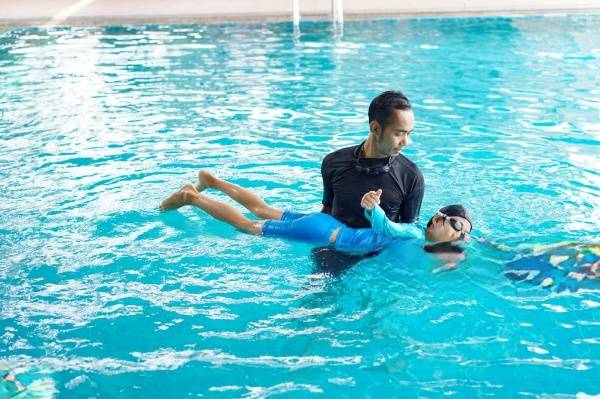
Swimming Lesson in Pasir Ris Singapore

Unraveling the Aquatic Tapestry: Swimming Lessons in Pasir Ris

swimming lesson in Pasir Ris Welcome to Pasir Ris, a coastal haven where tranquility meets urban charm, setting the perfect stage for a swimming journey with HydroSplash Swimming Academy. Let us guide you through the enchanting world of swimming lessons in Pasir Ris, a topic as deep and fascinating as the ocean itself. Pasir Ris: A Coastal Gem for Swimmers Nestled in the eastern part of Singapore, Pasir Ris boasts an idyllic landscape, making it a delightful area for swimming enthusiasts. Let’s explore what makes Pasir Ris a special locale for those seeking swimming lessons. Embracing the Serenity of Pasir Ris With the gentle lapping of waves at Pasir Ris Beach Park and the lush greenery of Pasir Ris Town Park, the area offers an environment where calm meets energy – an ideal setting for both beginners and experienced swimmers. HydroSplash Swimming Academy: Nurturing Swimmers in Pasir Ris At HydroSplash Swimming Academy, we leverage the serene backdrop of Pasir Ris to provide enriching swimming lessons that cater to all ages and skill levels. Our approach combines professional expertise with the unique attributes of Pasir Ris. Crafting a Swim Curriculum for All Ages From toddlers paddling for the first time to adults mastering advanced techniques, our swimming lessons are tailored to meet the diverse needs of our students, ensuring that every swimmer achieves their personal best. A Deep Dive into the Benefits of Swimming in Pasir Ris Swimming lessons in Pasir Ris go beyond mere physical exercise. They encompass a holistic approach to health, blending physical fitness with mental well-being. Physical Health and Well-Being by the Bay Engaging in swimming lessons amidst the tranquil setting of Pasir Ris aids in enhancing physical health while also providing a mental reprieve from the hustle and bustle of city life. Leveraging Pasir Ris’s Unique Aquatic Facilities Pasir Ris is home to excellent aquatic facilities like the Pasir Ris Sports Centre, which houses a splendid swimming complex. These facilities play a pivotal role in the structure and effectiveness of our swimming lessons. Maximizing Learning in State-of-the-Art Facilities Our lessons at HydroSplash Swimming Academy utilize these top-notch facilities to provide students with an optimal learning environment, equipped with the latest in aquatic technology and safety features. The Importance of Personalized Swimming Instruction In our swimming lessons in Pasir Ris, we emphasize the importance of personalized instruction. Our experienced instructors ensure that each lesson is tailored to the swimmer’s abilities and goals, making every session a step towards excellence. Building Confidence in the Water Our one-on-one approach in swimming lessons helps build confidence in the water, ensuring that each student feels supported and encouraged as they learn and grow. Research and Case Studies: Enhancing Swimming Education in Pasir Ris Recent studies and research, particularly in the context of Singapore, have provided valuable insights into effective swimming education. These studies underscore the importance of a tailored approach to swimming lessons, which we incorporate at HydroSplash Swimming Academy. Integrating Research into Swimming Pedagogy We continually integrate findings from recent case studies and research into our swimming lessons, ensuring that our teaching methods in Pasir Ris are not only contemporary but also highly effective. Conclusion: Your Aquatic Journey Awaits in Pasir Ris In Pasir Ris, every splash tells a story, and every stroke is a journey of discovery. HydroSplash Swimming Academy is your partner in this aquatic adventure, offering swimming lessons that transcend traditional boundaries and create lifelong swimmers. Step into the World of Swimming with HydroSplash Ready to embark on your swimming journey in the picturesque setting of Pasir Ris? Visit HydroSplash Swimming to find out more about our comprehensive swimming lessons. Whether you’re dipping your toes into the water for the first time or looking to perfect your stroke, we have a program for you. Join us at Swimming Lesson and let the waves of Pasir Ris guide you to aquatic mastery. Check out other sports in another area of Singapore here. Click on the link to find out more about HydroSplash Swimming. Chat with our representatives today!About HydroSplash SwimmingAdult Swimming LessonPrivate Swimming LessonKids Swimming LessonWhatsapp Us

Overcoming Aquatic Anxieties Fear of Water Kids Swimming Lessons

To Eat or Not to Eat? Exploring the Dilemma of Swimming on an Empty Stomach in Kids Swimming Classes

Swimming on an Empty Stomach in Kids Swimming Classes When it comes to kids swimming classes, a million-dollar question often floats to the surface: Can kids swim on an empty stomach? Welcome to “To Eat or Not to Eat?” – a detailed exploration, sprinkled with a dash of humor and heaps of helpful insights, into this pool of inquiry. Join us as we dive into the depths of this topic, using ‘kids swimming classes’ as our lighthouse to navigate through the waves of advice and anecdotal evidence. The Great Empty Stomach Debate in Kids Swimming Classes “An empty stomach and swimming – do they mix?” is a question as old as the pools in which we swim. Let’s swim through this topic with the grace of a dolphin and maybe the occasional humor of a clownfish. The Myth and Reality of Swimming Post-Meal We’ve all heard it: “Don’t swim right after eating.” But flip the coin, and you have: “Don’t swim on an empty stomach.” So, what’s the real catch? Can little Timmy dive into his kids swimming class after skipping breakfast? Hunger Pangs vs. Swimming Lanes Diving into a pool with a growling stomach might sound like a less than ideal start to a kids swimming class. But is it really detrimental, or could it be, dare we say, beneficial? The Energy Factor in Kids Swimming Classes Let’s talk turkey – or rather, the absence of it. Swimming is an energy-demanding activity. Without fuel, can kids perform effectively in the pool? Studies show that while energy levels might dip, a light snack could be a better option than a full meal. So, maybe a banana instead of a banquet? The Role of Proper Nutrition in Swimming Nutrition plays a vital role in how effectively children can swim and learn in their kids swimming classes. It’s a balancing act – too much food might lead to discomfort, while too little could mean low energy. Balancing Meals and Swimming Sessions Timing and balance are key. A well-timed, light snack could be the secret sauce to a successful swimming session. It’s about ensuring that young swimmers have enough energy to make a splash without feeling weighed down. The Science Behind Swimming on an Empty Stomach Recent studies, including those conducted in Singapore, suggest that moderate physical activity, like swimming, might be okay on an empty stomach for some children. However, it’s not one-size-fits-all. Tailoring Nutrition to the Swimmer At HydroSplash Swimming Academy, we believe in tailoring advice to each swimmer. Our approach in kids swimming classes is to offer personalized guidance that considers each child’s dietary needs and swimming goals. The Importance of Hydration in Kids Swimming Classes While we’re dissecting the topic of eating, let’s not overlook the importance of staying hydrated. Drinking water, whether your stomach is singing or silent, is crucial for young swimmers. Encouraging Regular Sips of Water In our kids swimming classes, we encourage regular hydration breaks. Water is the unsung hero of swimming – keeping kids hydrated helps them stay focused and energized. Swimming on an Empty Stomach Singapore-based research offers insights into how different levels of pre-swim nutrition can affect a child’s performance and experience in water. These case studies provide valuable lessons for our kids swimming classes. Applying Research Insights At HydroSplash Swimming Academy, we apply these insights to ensure that our young swimmers receive the best possible advice and support. Whether it’s a snack before the class or just a focus on hydration, we’ve got it covered. Conclusion: Navigating Nutritional Needs in the Pool In conclusion, swimming on an empty stomach in kids swimming classes isn’t a one-size-fits-all situation. It’s about understanding each swimmer’s unique needs and ensuring they have the right balance of nutrition and hydration to excel in the pool. Dive Into Personalized Swimming Guidance Interested in more personalized guidance for your young swimmer? Visit HydroSplash Swimming and discover our kids swimming classes. Our expert team is ready to provide tailored advice, ensuring your child’s nutrition and hydration needs are met for optimal performance in the pool. Join us at Kids Swimming Classes for a swimming experience that’s just right for your child! Click on the link to find out more about HydroSplash Swimming. Chat with our representatives today!About HydroSplash SwimmingAdult Swimming LessonPrivate Swimming LessonKids Swimming LessonWhatsapp Us

Kids Swim Briefs Swimming Wear Swim Suit

Debunking Myths in Kids Swimming Classes

“Wait an Hour After Eating!” – Debunking Myths in Kids Swimming Classes Ah, the age-old swimming pool lore – “Don’t swim right after eating, or you’ll get cramps!” As instructors at HydroSplash Swimming Academy, we’ve heard this cautionary tale more times than we’ve had hot dinners. But let’s dive into the truth of the matter, shall we? This article, titled “Wait an Hour After Eating!” – Debunking Myths in Kids Swimming Classes, wades through the old wives’ tales to bring you the science-backed truth. Buckle up – or rather, put on your swim caps – as we explore whether kids can hit the pool right after snacking. The Great Digestive Debate in Kids Swimming Classes You’ve likely heard the stern warning at some point: swimming right after eating is akin to inviting a sea monster into your belly. Well, not quite, but you get the drift. Let’s break down this long-held belief with a splash of fact and a pinch of humor. “Is My Sandwich Going to Sabotage My Swim?” Imagine this: It’s a sunny day, and you’ve just polished off a delicious sandwich. Your little one is itching to jump back into the pool for their kids swimming class. Should you hold them back? Let’s wade through the facts. Recent studies, including one by the American Red Cross, suggest that swimming right after eating may not be as perilous as once thought. In fact, the risk of developing cramps is not significantly higher. Sorry, grandma, your cautionary tales might need updating! Swimming on a Full Tummy: Yay or Nay? When it comes to kids swimming classes, the question isn’t just about safety; it’s about comfort too. While the risk of swimming-induced cramps isn’t as high as your childhood fears may believe, let’s not forget the potential for a belly flop of a different kind. Finding the Sweet Spot It’s all about finding that sweet spot. A heavy meal might make your child feel sluggish or uncomfortable. On the other hand, swimming on an empty stomach might leave them with as much energy as a deflated pool float. Light snacks? Now we’re talking! The Role of Hydration in Kids Swimming Classes Here’s a twist – while we’re all caught up in whether kids can swim after eating, let’s not forget about hydration. Drinking water is more crucial than debating the fate of that peanut butter sandwich your kid just ate. Water is Your Best Friend In a sunny climate like Singapore’s, staying hydrated is key, especially for active little swimmers. Encourage your child to drink water before, during, and after their kids swimming class. It’s the liquid gold of sports! What Do the Experts Say? Let’s paddle over to what the experts have to say. Studies conducted in Singapore emphasize the importance of a balanced approach to nutrition and physical activity for children. These studies align with our philosophy at HydroSplash Swimming Academy – that a well-fed and hydrated swimmer is a happy swimmer. Navigating Meal Times Around Kids Swimming Classes So, how do you navigate meal times around kids swimming classes? The consensus is: light snacks are okay, hydration is essential, and maybe save the pizza party for after the class. The HydroSplash Way: Nurturing Healthy Swimmers At HydroSplash Swimming Academy, we believe in nurturing not just skilled swimmers but healthy ones too. Our approach goes beyond strokes and dives; it’s about holistic well-being. Join the HydroSplash Family Are you looking to enroll your child in kids swimming classes that offer a dash of fun, a sprinkle of safety, and a heap of health-consciousness? Look no further than HydroSplash Swimming Academy. We’re all about making a splash in the safest, most enjoyable way possible. Conclusion: Making a Well-Informed Splash In conclusion, while the myth of waiting an hour post-meal to swim might not hold water (pun intended), it’s about balance and comfort. Light snacks? Go for it. Feeling like a beached whale after lunch? Maybe give it some time. Dive Into Kids Swimming Classes With Confidence Ready to dive into kids swimming classes with confidence and a well-informed perspective on meal times? Visit HydroSplash Swimming and explore our wide range of classes. We promise to keep your little ones safe, happy, and maybe a little hungry for more swimming fun! Join us at Kids Swimming Classes and make a splash in the world of swimming! Click on the link to find out more about HydroSplash Swimming. Chat with our representatives today!About HydroSplash SwimmingAdult Swimming LessonPrivate Swimming LessonKids Swimming LessonWhatsapp Us

Swim-Trainer-Swimming-Coach-in-Singapore

Tailored to Perfection: The Power of Personal Swimming Lessons at HydroSplash Swimming Academy

Power of Personal Swimming Lessons In a world where personalization is key, personal swimming lessons have gained significant importance for their tailored approach to swimming education. This extensive article, “Tailored to Perfection: The Power of Personal Swimming Lessons at HydroSplash Swimming Academy,” aims to shed light on the unique benefits of customized swimming instruction. By focusing on ‘personal swimming lessons’ as our primary keyword, we will explore how HydroSplash Swimming Academy stands out in offering individualized swim training catered to your specific goals and needs. The Essence of Personalization in Swimming Education In personal swimming lessons, the focus is on providing a tailored experience that caters to the individual needs, abilities, and goals of the swimmer. This personalized approach not only accelerates learning but also enhances the overall enjoyment and effectiveness of the training. Crafting Customized Swim Programs Every individual is unique, and so are their learning styles, pace, and objectives. Personal swimming lessons at HydroSplash Swimming Academy are designed to align with each swimmer’s personal goals, whether it’s improving technique, building endurance, or preparing for a swimming competition. Advantages of Personal Swimming Lessons Choosing personal swimming lessons comes with a host of benefits, setting them apart from traditional group settings. These benefits include focused attention, flexibility, and a curriculum that evolves with the swimmer’s progress. Focused Attention for Rapid Progress One of the primary advantages of personal swimming lessons is the undivided attention you receive from the instructor. This focused approach allows for immediate feedback and correction, leading to quicker skill acquisition and refinement. Flexible Scheduling to Suit Your Lifestyle Personal swimming lessons offer the flexibility to schedule sessions at times that are most convenient for you. This adaptability makes it easier to incorporate swimming into your busy life, ensuring consistent progress. Role of the Instructor in Personal Swimming Lessons The instructor’s role in personal swimming lessons is multi-faceted. They are not just trainers but also mentors who adapt their teaching style to suit the learner’s needs, ensuring a supportive and effective learning environment. Building a Strong Swimmer-Instructor Relationship A strong relationship between the swimmer and instructor is crucial in personal swimming lessons. This bond fosters a comfortable learning environment where swimmers feel confident to take on challenges and express their concerns. Overcoming Individual Challenges Personal swimming lessons are particularly effective in addressing specific challenges, such as fear of water or difficulty mastering certain strokes. The one-on-one setting allows instructors to tailor their approach to overcome these individual barriers. Customized Strategies for Different Abilities Whether dealing with beginners or advanced swimmers, personal swimming lessons involve customized strategies that cater to the swimmer’s current abilities and desired outcomes. Research and Case Studies on the Efficacy of Personalized Swimming Instruction Recent research and case studies, particularly those conducted in Singapore, highlight the efficacy of personal swimming lessons. These studies emphasize the heightened outcomes in terms of skill development, confidence building, and personal satisfaction. Applying Research Insights to Enhance Training Methods At HydroSplash Swimming Academy, we integrate insights from these studies into our personal swimming lessons. This research-backed approach ensures that our methods are not only effective but also aligned with the latest advancements in swimming education. Embracing Modern Technology in Personal Swimming Lessons Incorporating modern technology into our personal swimming lessons is a cornerstone of our teaching methodology at HydroSplash Swimming Academy. From video analysis to the use of training aids, technology enhances the learning experience and provides tangible feedback for improvement. The Role of Technology in Skill Enhancement The use of technology, such as underwater cameras and stroke analysis software, adds a new dimension to personal swimming lessons, allowing both the instructor and swimmer to gain deeper insights into technique and performance. Conclusion Personal swimming lessons represent the pinnacle of tailored, effective swimming education. At HydroSplash Swimming Academy, our commitment is to provide a bespoke swimming experience that caters to your unique needs, helping you achieve your aquatic ambitions in the most efficient and enjoyable way possible. Discover the Difference with HydroSplash Swimming Academy Ready to experience the personalized touch in your swimming journey? Visit HydroSplash Swimming Academy and explore our personal swimming lessons. Whether you’re beginning your swim journey or looking to refine your skills, our expert instructors are here to guide you every stroke of the way. Dive into a customized swimming experience with us today at Personal Swimming Lessons. Click on the link to find out more about HydroSplash Swimming. Chat with our representatives today!About HydroSplash SwimmingAdult Swimming LessonPrivate Swimming LessonKids Swimming LessonWhatsapp Us

Swimming Coach Swim Trainer Singapore

Navigating the Duration of Kids Swimming Lessons: A Comprehensive Guide

How long are kids swimming lessons When it comes to kids swimming lessons, one of the most common questions parents have is about their duration. In this detailed article titled “Navigating the Duration of Kids Swimming Lessons: A Comprehensive Guide,” we will explore various aspects of kids swimming lessons including their length, structure, and benefits. This guide will provide insights into what parents and young swimmers can expect from swimming sessions at HydroSplash Swimming Academy. Understanding the Length of Kids Swimming Lessons The duration of kids swimming lessons can vary depending on several factors such as the child’s age, skill level, and the specific goals of the training program. Generally, these lessons are structured to accommodate the attention span and learning capabilities of children, ensuring they are both productive and enjoyable. Typical Duration of a Swimming Lesson On average, kids swimming lessons at HydroSplash Swimming Academy usually last between 30 to 60 minutes. This time frame is optimized to keep the lessons engaging and effective, without causing fatigue or loss of concentration in young swimmers. Tailoring Lesson Length to Different Age Groups When it comes to kids swimming lessons, one size does not fit all. The duration of the lessons is often adjusted based on the age group and developmental stage of the children. Lessons for Younger Children For toddlers and younger children, lessons might be shorter, typically around 30 minutes. This duration is suitable for maintaining their attention and energy levels, while still providing ample time for learning and fun in the water. Balancing Learning with Fun In kids swimming lessons, it’s crucial to balance skill development with enjoyment. Lessons at HydroSplash Swimming Academy are designed to be fun and engaging, helping children develop a love for swimming while they learn. Incorporating Play in Swimming Lessons Play-based learning is an effective approach in kids swimming lessons. Incorporating games and fun activities in the pool helps in reinforcing swimming techniques and skills in an enjoyable manner. The Role of Consistency in Swimming Lessons The effectiveness of kids swimming lessons is greatly enhanced by regular and consistent attendance. Consistent lessons help children progressively build their skills, confidence, and comfort in the water. Recommended Frequency of Lessons For optimal progress, it’s generally recommended that children attend kids swimming lessons at least once or twice a week. This frequency allows for continuous skill development and reinforcement of learned techniques. Case Studies and Research on Swimming Lesson Durations Research and case studies conducted in Singapore provide valuable insights into the ideal structure and duration of kids swimming lessons. These studies emphasize the importance of tailored lesson lengths that cater to the developmental needs of children. Applying Research Findings to Enhance Lesson Structure HydroSplash Swimming Academy utilizes these research findings to structure kids swimming lessons that are developmentally appropriate, ensuring that each child receives the maximum benefit from their time in the pool. Conclusion The duration of kids swimming lessons plays a crucial role in ensuring a positive and productive learning experience. At HydroSplash Swimming Academy, we understand the importance of tailoring lesson lengths to suit the needs of young swimmers, ensuring they not only learn but also develop a lifelong love for swimming. Discover the Perfect Swimming Lesson Duration for Your Child Curious about the ideal duration for your child’s swimming lessons? Visit HydroSplash Swimming Academy and explore our kids swimming lessons. Our expert instructors are ready to guide your child through an enriching swimming journey, tailored to their age and skill level. Start your child’s swimming adventure today with Kids Swimming Lessons at HydroSplash Swimming Academy. Click on the link to find out more about HydroSplash Swimming. Chat with our representatives today!About HydroSplash SwimmingAdult Swimming LessonPrivate Swimming LessonKids Swimming LessonWhatsapp Us

Reduce Stress by Swimming

Dive into Relaxation: Reduce Stress by Learning to Swim

Reduce Stress by Learning to Swim In today’s fast-paced world, stress is a common ailment affecting many. While there are various ways to combat stress, one particularly effective method is through swimming. In this comprehensive article titled “Dive into Relaxation: Reduce Stress by Learning to Swim,” we explore the therapeutic benefits of swimming, focusing on the importance of learning to swim as a means of stress reduction. With ‘learn swimming’ as the primary keyword, we will delve into how this activity not only benefits the body but also significantly improves mental health. The Therapeutic Effects of Swimming Swimming is more than just a physical workout; it’s a holistic activity that provides numerous mental health benefits. When you learn to swim, you engage in a form of exercise that promotes relaxation and stress reduction. The rhythmic nature of swimming, combined with the soothing effect of water, creates a meditative state, helping to clear the mind and reduce stress. How Swimming Reduces Stress When you learn to swim, your body releases endorphins, known as the ‘feel-good hormones’, which naturally decrease stress and anxiety. Moreover, swimming requires a focus on breathing and movement, which shifts attention away from stressors and fosters a sense of mindfulness. Swimming as a Form of Meditation One of the unique aspects of learning to swim is its meditative quality. The repetitive nature of strokes and breathing in swimming bears similarities to mindfulness meditation, which is known for its stress-reducing properties. This meditative state can lead to a deep sense of relaxation and mental clarity. The Psychological Benefits of Water There’s something inherently calming about water. Studies have shown that being in or near water can lead to a decrease in stress levels, improvement in mood, and an overall sense of well-being. When you learn to swim, you immerse yourself in this tranquil environment, which naturally alleviates stress and anxiety. Incorporating Swimming into Your Stress Management Routine Learning to swim and incorporating it into your regular routine can be a powerful tool in managing stress. Whether it’s a morning swim to start the day with a clear mind or an evening swim to unwind, swimming can be a therapeutic escape from daily stressors. Swimming for All Ages Swimming is an activity that is suitable for people of all ages. Whether you are a child in kids swimming lessons or an adult looking to learn swimming, this activity offers a way to reduce stress while also improving physical health. Case Studies and Research in Singapore Recent research conducted in Singapore has highlighted the benefits of swimming in reducing stress and promoting mental well-being. These studies emphasize the importance of regular physical activity, like swimming, in maintaining psychological health. The Impact of Swimming on Stress Levels In a study conducted by a Singaporean university, participants who engaged in regular swimming sessions reported significantly lower levels of stress and anxiety compared to those who did not swim. This research underlines the effectiveness of swimming as a stress-reduction tool. Swimming as Part of a Holistic Lifestyle Incorporating swimming into a holistic lifestyle that includes balanced nutrition, adequate sleep, and other forms of exercise can maximize its stress-reducing effects. When you learn to swim, you adopt an activity that complements other wellness practices. Creating a Wellness Routine Building a routine that incorporates swimming can help establish a rhythm that promotes overall well-being. It allows for regular stress relief, physical activity, and mental relaxation, all of which contribute to a healthier lifestyle. Conclusion Swimming is not just an activity to keep fit; it’s a powerful tool for mental and emotional well-being. Learning to swim provides an effective way to reduce stress, improve mood, and foster a sense of relaxation and peace. Interested in experiencing the stress-reducing benefits of swimming? Visit HydroSplash Swimming Academy to start your journey in learning to swim. Explore our programs at Learn Swimming and discover how swimming can be your pathway to a relaxed and healthier life. Click on the link to find out more about HydroSplash Swimming. Chat with our representatives today!About HydroSplash SwimmingAdult Swimming LessonPrivate Swimming LessonKids Swimming LessonWhatsapp Us
adult swimming lessons website design singapore

The Lifelong Importance of Learning Swimming: Emphasizing Kids Swimming Lessons

Lifelong Importance of Learning Swimming Swimming is a fundamental skill that offers numerous benefits beyond mere physical activity. In this comprehensive guide, titled “The Lifelong Importance of Learning to Swim: Emphasizing ‘Kids Swimming Lessons‘”, we explore the myriad reasons why swimming is an essential skill for people of all ages, focusing particularly on the importance of kids swimming lessons. With the primary keywords ‘kids swimming lessons’, this article delves into the multifaceted benefits of swimming, backed by research and case studies specific to Singapore. The Essential Nature of Swimming as a Life Skill Swimming is more than just a way to stay fit; it’s a vital life skill with wide-ranging benefits. From safety to health and social benefits, the ability to swim is a skill that serves individuals throughout their lives. Swimming for Safety At its core, swimming is a survival skill. The ability to swim can save lives in situations like accidental falls into water bodies. In the context of kids swimming lessons, teaching children how to swim is equipping them with a crucial survival tool. Statistics show that drowning is a leading cause of accidental death in children, making swimming lessons not just beneficial but necessary. Physical Health Benefits Swimming is an excellent form of exercise that promotes cardiovascular fitness, builds muscle strength, and enhances flexibility without putting stress on the joints. These physical benefits apply to swimmers of all ages, making it a suitable activity for lifelong health and fitness. Cognitive and Emotional Benefits of Swimming Enhancing Mental Well-being Swimming is not only physically beneficial but also mentally therapeutic. The act of swimming has been shown to reduce stress, improve mood, and enhance mental clarity. In kids swimming lessons, children learn to focus, develop discipline, and gain a sense of achievement, contributing to their overall mental and emotional well-being. Boosting Confidence and Self-Esteem Learning to swim, especially in kids swimming lessons, can significantly boost a child’s confidence and self-esteem. As they learn and master new skills, they develop a sense of accomplishment and self-belief that extends beyond the pool. Swimming as a Social Skill Fostering Social Connections Swimming can be a highly social activity. Kids swimming lessons often involve group classes where children interact, collaborate, and build friendships. These social skills are transferable to other areas of life, enhancing a child’s ability to communicate and work with others. The Lifelong Journey of Swimming Swimming Through Different Life Stages The journey of swimming extends through various stages of life. From kids swimming lessons to swimming for fitness in adulthood and gentle aquatic exercise for older adults, swimming adapts to each life stage, offering a form of exercise that is both adaptable and enjoyable. The Role of Swimming in Personal Safety and Rescue Equipping Individuals with Rescue Skills In addition to personal safety, swimming skills can enable individuals to help others in danger. Advanced swimming lessons often include rescue techniques, making individuals valuable assets in emergency situations. Case Studies and Research in Singapore Singapore’s emphasis on swimming as a national skill offers valuable insights into the importance of swimming. Research conducted in Singapore has highlighted the effectiveness of kids swimming lessons in promoting water safety and reducing the risk of drowning. Implementing Best Practices in Kids Swimming Lessons Drawing from Singapore’s research, kids swimming lessons can be structured to prioritize safety, skill development, and enjoyment. This holistic approach ensures that children not only learn to swim but also develop a lifelong appreciation for the water. Conclusion Swimming is an invaluable skill with extensive benefits that transcend physical health. It is a crucial survival skill, a tool for mental and emotional well-being, a means of socialization, and a sport that can be enjoyed for a lifetime. Interested in giving your child the gift of swimming? Visit HydroSplash Swimming Academy to learn more about our comprehensive kids swimming lessons. Our programs are designed to teach this vital life skill in a fun, safe, and supportive environment. Start your child’s swimming journey today at Kids Swimming Lessons. Click on the link to find out more about HydroSplash Swimming. Chat with our representatives today!About HydroSplash SwimmingAdult Swimming LessonPrivate Swimming LessonKids Swimming LessonWhatsapp Us
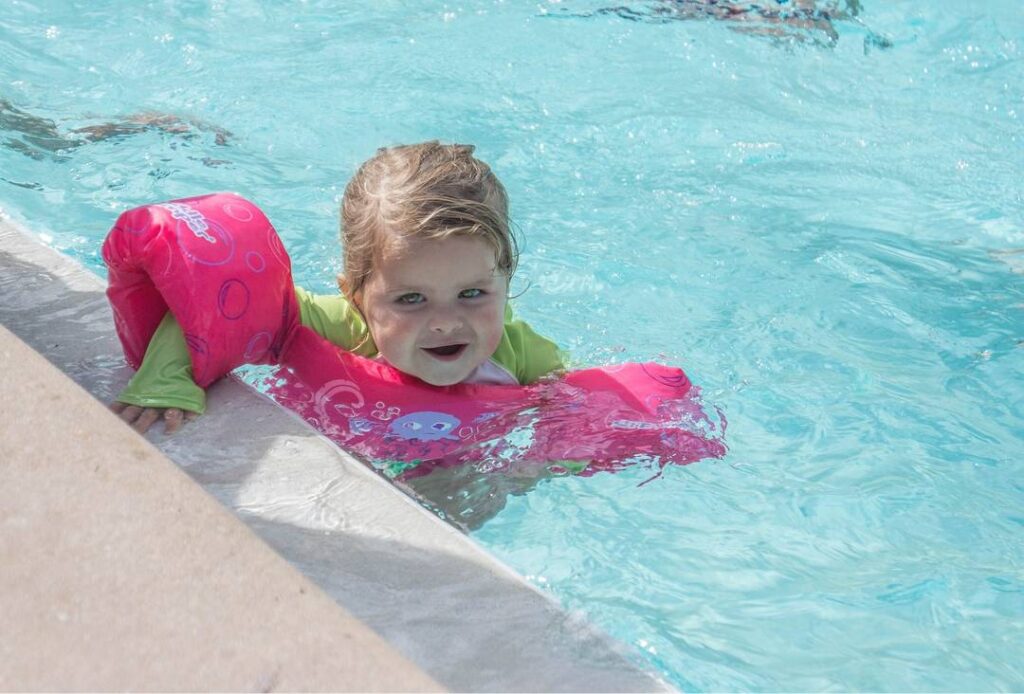
Kids Swimming Lessons Singapore HydroSplash

Swimming for Survival: The Life-Saving Aspect of Kids Swimming Lessons

Life-Saving Aspect of Kids Swimming Lessons Swimming is often seen as a leisure activity or a competitive sport, but its role as a fundamental survival skill is equally vital. In this in-depth article titled “Swimming for Survival: The Life-Saving Aspect of Kids Swimming Lessons“, we will explore the importance of swimming as a survival skill, particularly in the context of children’s education. With the primary keywords ‘kids swimming lessons’, the article will delve into the reasons why swimming should be regarded as a crucial life skill and how it can be effectively taught in kids swimming lessons. The Importance of Swimming as a Survival Skill Swimming as a survival skill is an essential component of water safety. In a world where water bodies are commonplace – from pools to beaches and rivers – the ability to swim can mean the difference between life and death. It is crucial, therefore, that swimming is not just taught as a sport but as a vital survival skill, especially in kids swimming lessons. Understanding Water Safety Water safety is the foundation of teaching swimming as a survival skill. It involves educating individuals, especially children, about the potential dangers associated with water and how to navigate them safely. This education is crucial in kids swimming lessons and forms the basis of survival swimming. Basic Survival Swimming Skills in Kids Swimming Lessons In kids swimming lessons, certain basic survival swimming skills are essential. These skills equip children with the ability to protect themselves in unexpected water situations. Floating and Treading Water Floating and treading water are fundamental skills for survival. These techniques enable children to conserve energy and stay afloat if they find themselves in deep water unexpectedly. Basic Strokes for Survival Teaching children basic swimming strokes such as freestyle, breaststroke, and backstroke is a part of survival swimming. These strokes can help children move effectively in the water and reach safety in case of an emergency. Overcoming Fear and Building Confidence A significant aspect of teaching swimming as a survival skill in kids swimming lessons involves helping children overcome fear of water and building confidence. Confidence in the water improves a child’s ability to react calmly and effectively in emergency situations. Gradual Exposure to Water Gradual exposure to water helps in overcoming fear. Kids swimming lessons should start with getting children comfortable with water through games and activities before progressing to more complex swimming techniques. Case Studies and Research in Singapore Singapore, with its numerous water bodies and focus on swimming as a crucial skill, provides valuable insights into the teaching of swimming as a survival skill. Research conducted in Singapore has shown the effectiveness of kids swimming lessons in reducing the incidence of drowning and promoting water safety. Applying Research Findings in Kids Swimming Lessons The findings from these studies can be applied to kids swimming lessons by focusing on structured and comprehensive swimming programs that emphasize survival skills. This involves a curriculum that balances technical skills with practical survival techniques. The Role of Instructors in Teaching Survival Swimming Instructors play a pivotal role in teaching swimming as a survival skill. Their approach should emphasize safety, patience, and encouragement, particularly when working with children. Continuous Training and Education for Instructors Instructors should undergo continuous training and education to stay updated with the latest techniques in survival swimming and water safety. This is essential to provide the highest quality of kids swimming lessons. The Future of Survival Swimming in Kids Swimming Lessons The future of survival swimming in kids swimming lessons involves a greater emphasis on holistic water safety education. This includes the use of technology to enhance learning and a stronger focus on real-life simulation and scenario-based training. Conclusion Swimming as a survival skill is an indispensable aspect of kids swimming lessons. It equips children with the knowledge, skills, and confidence to navigate water safely and respond to emergencies. In a world where water-related activities are common, these skills are not just beneficial; they are essential for survival. Ready to equip your child with vital survival swimming skills? Visit HydroSplash Swimming Academy for comprehensive and safety-focused kids swimming lessons. Join us at Kids Swimming Lessons to start your child’s journey in survival swimming today. Click on the link to find out more about HydroSplash Swimming. Chat with our representatives today!About HydroSplash SwimmingAdult Swimming LessonPrivate Swimming LessonKids Swimming LessonWhatsapp Us
Kids-Swimming-Lessons-Academy-Singapore

Essential Life Saving Skills in Kids Swimming Lessons

Life Saving Skills in Kids Swimming Lessons Swimming is more than just a recreational activity; it is a crucial life skill, particularly when it comes to life-saving techniques. In kids swimming lessons, imparting these skills is not only about enhancing swimming proficiency but also about equipping young swimmers with the knowledge and ability to respond in emergencies. This comprehensive article, titled “Essential Life-Saving Skills in Kids Swimming Lessons“, focuses on the vital aspects of life-saving skills that should be an integral part of any swimming program, especially for children. With the primary keywords ‘kids swimming lessons’, we will explore how these skills can be effectively taught and practiced, with references to studies and examples specific to Singapore. The Importance of Life-Saving Skills in Kids Swimming Lessons Life-saving skills are a crucial component of kids swimming lessons. These skills can mean the difference between life and death in critical situations and are essential for fostering a safe swimming environment. By teaching children these skills, we empower them with the confidence and ability to act responsibly and effectively if faced with an emergency in the water. Developing Water Safety Awareness The foundation of life-saving skills is built on water safety awareness. This involves teaching children how to recognize potential hazards in and around water, understanding the basics of water safety rules, and learning how to avoid dangerous situations. These lessons are crucial in developing a safety-first mindset in young swimmers. Teaching Basic Rescue Techniques Basic rescue techniques are an essential part of kids swimming lessons. These techniques include how to approach and assist someone struggling in the water, without putting oneself at risk. It is vital to teach children the importance of seeking help from an adult or professional lifeguard rather than attempting a rescue beyond their capability. Learning to Stay Calm and Think Clearly A critical aspect of life-saving skills is teaching children to stay calm and think clearly in emergencies. Panic can often lead to tragedy, so young swimmers must learn how to control their emotions and make rational decisions in stressful situations. CPR and First Aid in Kids Swimming Lessons Teaching CPR and basic first aid is an invaluable part of kids swimming lessons. While detailed techniques may be more suitable for older children, even young swimmers can learn the basics of calling for help and providing basic assistance. Incorporating these lessons in swimming programs ensures that children are better prepared to respond in emergency situations. The Role of Simulation in Teaching Simulation plays a vital role in teaching life-saving skills. By creating controlled scenarios that mimic real-life situations, children can practice and understand the application of these skills. This method of teaching can be both engaging and educational, ensuring that the lessons are deeply ingrained. Case Studies and Research in Singapore Recent studies in Singapore have shown the effectiveness of including life-saving skills in kids swimming lessons. These studies highlight the importance of early education in water safety and emergency response, demonstrating how it significantly reduces the risk of drowning and water-related accidents among children. Incorporating Local Research and Best Practices Drawing from local research and best practices in Singapore, kids swimming lessons can be tailored to address the specific needs and safety concerns of the region. This includes understanding the local aquatic environment, common water activities, and prevalent risks, ensuring that the life-saving skills taught are relevant and effective. Conclusion Life-saving skills are an indispensable part of kids swimming lessons. By incorporating these skills into swimming programs, we are not only teaching children how to swim but also how to save lives, including their own. This education is vital in nurturing responsible, confident, and safe swimmers. For comprehensive kids swimming lessons that prioritize safety and life-saving skills, visit HydroSplash Swimming Academy. Discover our tailored programs at Kids Swimming Lessons and equip your child with the essential skills for a lifetime of safe swimming. Click on the link to find out more about HydroSplash Swimming. Chat with our representatives today!About HydroSplash SwimmingAdult Swimming LessonPrivate Swimming LessonKids Swimming LessonWhatsapp Us

Overcoming Aquatic Anxieties Fear of Water Kids Swimming Lessons

Ensuring Safety in Kids Swimming Lessons: A Comprehensive Guide

Ensuring Safety in Kids Swimming Lessons Swimming is an essential life skill, especially for children. However, safety is a critical aspect of kids swimming lessons that cannot be overlooked. In this detailed article, we will explore the various facets of safety in kids swimming lessons, focusing on effective practices, safety protocols, and teaching methods. We will incorporate insights from recent research and case studies applicable to Singapore, ensuring that the information is relevant and practical. The Importance of Safety in Kids Swimming Lessons Understanding the Risks Swimming, while beneficial, carries inherent risks, particularly for children. Drowning is a leading cause of accidental death in children worldwide. In kids swimming lessons, understanding these risks is the first step in mitigating them. Building a Safe Environment A safe swimming environment is fundamental in kids swimming lessons. This includes ensuring clean, well-maintained pools, appropriate water temperature, and the absence of potential hazards both in and around the pool. Essential Safety Protocols in Kids Swimming Lessons Constant Supervision Constant supervision is the golden rule in kids swimming lessons. A qualified instructor or lifeguard should always be present to monitor the children, anticipate potential dangers, and respond quickly in case of an emergency. Safety Equipment and Gear Proper safety equipment, such as life jackets, floatation devices, and rescue tools, should be readily available during kids swimming lessons. Using age-appropriate gear can significantly enhance safety for young swimmers. Teaching Methods That Emphasize Safety Gradual Introduction to Water Introduce children to water gradually, especially if they are beginners. Start with shallow water and progressively move to deeper areas as their confidence and skills improve. Fostering Water Confidence and Awareness Developing water confidence is a critical aspect of kids swimming lessons. Teach children basic water safety rules, such as not running around the pool and not going into deep water without supervision. Developing Essential Swimming Skills Basic Swimming Techniques Teaching children basic swimming strokes, floating, and treading water is vital. These skills not only enhance their swimming ability but also equip them with the means to stay safe in the water. Breath Control and Submersion Teach children how to control their breath and be comfortable with submersion. This skill is crucial in preventing panic in situations where they might find themselves underwater unexpectedly. Safety Measures Specific to Children Understanding Child Development Tailor kids swimming lessons to the developmental stage of the child. Younger children might require more tactile and visual aids, while older children can understand and follow verbal instructions better. Ensuring Age-Appropriate Lessons The content of kids swimming lessons should be age-appropriate. Younger children should focus more on basic skills and safety awareness, while older children can handle more complex techniques and endurance training. The Role of Parents and Guardians Active Participation Encourage parents and guardians to be actively involved in their child’s swimming journey. Their support and reinforcement of safety rules outside of the kids swimming lessons can significantly enhance the child’s learning experience and safety awareness. Education on Water Safety Educate parents on water safety and drowning prevention. This includes discussing supervision, the importance of swimming lessons, and measures to take at home, such as securing private pools. Conclusion Safety in kids swimming lessons is a multi-faceted issue that requires the concerted effort of instructors, parents, and the children themselves. By adhering to safety protocols, employing effective teaching methods, and staying informed about the latest in child water safety, we can ensure that swimming remains a safe and enjoyable activity for children. Looking for safe and professional kids swimming lessons? Visit HydroSplash Swimming Academy to learn about our commitment to safety and excellence in swimming education. Enroll your child in our Kids Swimming Lessons and give them the gift of a lifetime skill in a secure and nurturing environment. Content Click on the link to find out more about HydroSplash Swimming. Chat with our representatives today!About HydroSplash SwimmingAdult Swimming LessonPrivate Swimming LessonKids Swimming LessonWhatsapp Us

Swimming Coach Swim Trainer Singapore

How to Conduct Kids Swimming Lessons Effectively: A Comprehensive Guide

Conduct Kids Swimming Lessons Swimming is a vital life skill, and teaching kids to swim is both a responsibility and a joy. Conducting kids swimming lessons requires a blend of patience, skill, and understanding. In this extensive guide, we will explore how to effectively conduct kids swimming lessons, focusing on techniques, safety, and the developmental stages of child learners. This guide is informed by recent case studies and research, specifically tailored to the context of Singapore. Understanding the Importance of Kids Swimming Lessons Swimming is not just an essential survival skill; it also offers numerous health and developmental benefits for children. It improves physical fitness, enhances motor skills, and boosts emotional well-being. In Singapore, where water-based activities are popular, kids swimming lessons are crucial for ensuring children’s safety and enjoyment in aquatic environments. Developmental Benefits of Swimming for Kids Swimming aids in the holistic development of children. It helps in building strength, coordination, and balance. Additionally, swimming has been linked to improved cognitive functions, as it requires kids to use multiple senses and motor skills simultaneously. Preparing for Kids Swimming Lessons Assessing Readiness Before starting kids swimming lessons, assess each child’s readiness. Consider their age, physical and emotional development, and comfort level with water. Tailoring the approach to individual readiness ensures a positive and effective learning experience. Creating a Safe Environment Safety is paramount in kids swimming lessons. Ensure the pool area is secure, and all necessary safety equipment is available. Lifeguards and instructors should be well-trained in child safety and emergency response. Structuring the Lessons Lesson Planning Plan each lesson with clear objectives and structured activities. Incorporate games and fun elements to keep children engaged. Singapore’s National Water Safety Council recommends a balance of skill development, safety education, and play in kids swimming lessons. Use of Aids and Equipment Utilize swimming aids and equipment appropriately. Floats, kickboards, and noodles can be excellent tools for teaching basic swimming techniques and building confidence in the water. Teaching Techniques for Kids Swimming Lessons Building Water Confidence Start with basic water confidence activities. Gradually introduce skills like floating, kicking, and submerging the face in water. Encourage a positive and relaxed atmosphere to reduce fear and anxiety. Progressive Skill Development Progress from simple to more complex skills. Focus on teaching fundamental swimming strokes, breathing techniques, and safety skills. Make sure each child masters the basics before moving to advanced techniques. Engaging and Motivating Young Swimmers Interactive and Fun Learning Keep kids swimming lessons interactive and fun. Use games and playful activities to teach swimming skills. This approach not only makes learning enjoyable but also reinforces skills effectively. Positive Reinforcement Use positive reinforcement to motivate and encourage children. Celebrate their achievements, no matter how small, to boost their confidence and interest in swimming. Addressing Challenges in Kids Swimming Lessons Managing Fear and Anxiety Some children may experience fear or anxiety during kids swimming lessons. Address these emotions patiently and empathetically. Gradual exposure and reassurance can help in overcoming such challenges. Catering to Different Learning Styles Children have different learning styles and paces. Adapt teaching methods to cater to individual needs and preferences. This personalized approach can significantly enhance the effectiveness of kids swimming lessons. The Role of Parents in Kids Swimming Lessons Involvement and Support Encourage parents to be involved and supportive. Their presence can provide comfort and reassurance to young learners. Educate parents about the importance of reinforcing safety and swimming skills outside of the lessons. Evaluating Progress Regular Assessments Conduct regular assessments to monitor progress and identify areas needing improvement. This helps in tailoring subsequent kids swimming lessons to address individual needs effectively. The Future of Kids Swimming Lessons in Singapore Embracing Technological Advancements The future of kids swimming lessons in Singapore is likely to see increased use of technology, such as virtual reality simulations and interactive learning tools, to enhance the teaching and learning experience. Continuing Education for Instructors Ongoing education and training for swimming instructors are crucial. Staying updated with the latest teaching methods, safety protocols, and child development research ensures high-quality kids swimming lessons. Conclusion Conducting kids swimming lessons is a rewarding endeavor that plays a significant role in children’s development and safety. By following these guidelines, instructors can ensure an enjoyable, educational, and safe swimming experience for young learners. Are you looking for comprehensive and engaging kids swimming lessons for your child? Visit HydroSplash Swimming Academy and explore our specialized programs that cater to children’s unique learning needs. Join us at Kids Swimming Lessons to start your child’s aquatic journey today! Click on the link to find out more about HydroSplash Swimming. Chat with our representatives today!About HydroSplash SwimmingAdult Swimming LessonPrivate Swimming LessonKids Swimming LessonWhatsapp Us

Swim Trainer Swimming Coach Singapore

Personalized Learning in the Pool: The Benefits of One to One Swimming Lessons

One to One Swimming Lessons In the realm of swimming education, one to one swimming lessons have emerged as a highly effective method of learning. This article, titled “Personalized Learning in the Pool: The Benefits of One to One Swimming Lessons,” is designed to provide an in-depth understanding of private swimming instruction, focusing on how it can significantly enhance the learning experience. With ‘one to one swimming lessons’ as the primary keyword, we will explore the advantages of individualized instruction, particularly as offered by HydroSplash Swimming Academy. The Importance of Personalized Instruction in Swimming Personalized swimming instruction caters to the unique needs and goals of each swimmer. Unlike group lessons, one to one swimming lessons offer undivided attention from the instructor, leading to a more tailored and efficient learning experience. Tailoring Techniques to Individual Learners In one to one swimming lessons, instructors can tailor their teaching methods to suit the specific learning style, pace, and needs of each swimmer. This individualized approach helps in addressing specific challenges and accelerating learning progress. Advantages of One to One Swimming Lessons Private swimming lessons provide a range of benefits that are often not as pronounced in group settings. These advantages include enhanced learning efficiency, flexibility in scheduling, and a focused environment conducive to faster progress. Enhanced Learning Efficiency With personalized attention, swimmers in one to one swimming lessons can progress at a faster rate. Instructors can immediately correct techniques, offer specific feedback, and adjust lesson plans in real-time to cater to the swimmer’s progression. Flexible Scheduling One to one swimming lessons offer greater flexibility in scheduling compared to group classes. This flexibility allows swimmers to arrange lessons at times that best fit their individual schedules, making it easier to incorporate swimming into busy lifestyles. The Role of the Instructor in Private Lessons The instructor’s role in one to one swimming lessons is pivotal. They are not just teachers of swimming techniques but also mentors who understand and respond to the emotional and psychological needs of their students. Building a Trust-Based Relationship A trust-based relationship between the instructor and the student in one to one swimming lessons can significantly enhance the learning experience. This relationship fosters a safe and supportive environment where students feel comfortable to express concerns and explore their abilities. Overcoming Challenges with One to One Swimming Lessons Private lessons are particularly effective in overcoming specific challenges such as fear of water, difficulty with certain strokes, or preparing for competitive swimming. Addressing Individual Challenges With the focused attention in one to one swimming lessons, instructors can spend more time helping students overcome personal challenges, whether they are technical skills or psychological barriers such as fear of water. Case Studies: The Effectiveness of Private Swimming Instruction Recent case studies and research in Singapore have highlighted the effectiveness of one to one swimming lessons. These studies show that individualized instruction can lead to improved swimming skills, higher levels of confidence, and a more enjoyable learning experience. Research Findings in Singapore In Singapore, studies on one to one swimming lessons have demonstrated that personalized instruction leads to more significant improvements in swimming abilities compared to group lessons. These findings underscore the benefits of private instruction offered at HydroSplash Swimming Academy. Embracing Technology in Private Swimming Lessons At HydroSplash Swimming Academy, we integrate the latest technology in our one to one swimming lessons. This includes video analysis for stroke improvement and virtual tools for enhancing understanding and engagement. Technology-Enhanced Learning The use of technology in one to one swimming lessons can provide visual feedback to students, enhance their understanding of swimming mechanics, and create a more interactive and engaging learning environment. Conclusion One to one swimming lessons offer a personalized, efficient, and flexible approach to learning how to swim. At HydroSplash Swimming Academy, we are committed to providing the highest quality of private swimming instruction, ensuring that each student achieves their swimming goals. Start Your Personalized Swimming Journey Ready to experience the benefits of one to one swimming lessons? Visit HydroSplash Swimming Academy to embark on a personalized swimming journey. Whether you’re a beginner or looking to refine your skills, our private lessons are tailored to meet your individual needs. Learn more about our unique approach at Private Swimming Lessons and take the plunge into a customized learning experience today. Click on the link to find out more about HydroSplash Swimming. Chat with our representatives today!About HydroSplash SwimmingAdult Swimming LessonPrivate Swimming LessonKids Swimming LessonWhatsapp Us

Lifeguard in Singapore

Essential Skills for a Lifeguard in Swimming Lessons and Beyond

Essential Skills for a Lifeguard Being a lifeguard is a role of immense responsibility and skill. It’s not just about overseeing swimmers; it’s about ensuring their safety, being prepared for emergencies, and being a pillar of support during swimming lessons and general swimming activities. In this comprehensive article, we delve into the skills necessary to become an effective lifeguard, with a special focus on the context of Singapore’s swimming culture and safety standards. Understanding the Role of a Lifeguard A lifeguard is an individual who supervises the safety and rescue of swimmers, surfers, and other water sports participants in a swimming pool, water park, beach, or other aquatic environments. Especially during swimming lessons, lifeguards play a pivotal role in ensuring the safety of learners, ranging from toddlers to adults. Vigilance and Observation One of the most critical skills for a lifeguard is vigilance. Lifeguards must continually scan their designated area, recognize signs of distress, and anticipate potential problems before they occur. Physical Fitness and Stamina Being physically fit is non-negotiable for a lifeguard. Lifeguards must have the stamina, strength, and agility to perform rescues, which often involve swimming quickly, lifting, or carrying people. Regular physical training and conditioning are essential to maintain these capabilities. Swimming Proficiency Naturally, proficiency in swimming is a fundamental requirement. A lifeguard must be able to swim with speed and efficiency, often while carrying another person or lifesaving equipment. First Aid and CPR Skills Lifeguards must be trained in first aid and CPR. They need to respond to a range of medical situations – from minor injuries to life-threatening conditions like drowning, heart attacks, or spinal injuries. Rescue Techniques Rescue techniques form the core skill set of any lifeguard. These techniques include approaches for handling active and passive drowning victims, as well as spinal injury management. Understanding Water Dynamics Knowledge of water dynamics, such as currents, tides, and wave patterns, is crucial, especially for lifeguards working at beaches or outdoor water bodies. This understanding helps in anticipating risks and taking preemptive actions to prevent accidents. Effective Communication Skills Communication skills are vital for lifeguards. They must effectively convey safety instructions to swimmers, collaborate with other lifeguards and emergency responders, and calm distressed individuals during emergencies. Public Interaction and Enforcement A significant part of a lifeguard’s job involves interacting with the public. They must enforce safety rules firmly but diplomatically and educate swimmers about safe practices, especially during swimming lessons. Stress Management and Mental Resilience Lifeguards often work in high-stress situations. The ability to remain calm, think clearly, and act decisively during emergencies is paramount. Mental resilience helps in coping with the aftermath of intense situations, which is crucial for long-term career sustainability. Decision Making and Problem Solving In emergencies, lifeguards must make quick decisions. This requires clear, analytical thinking and effective problem-solving skills. Lifeguards assess situations swiftly and choose the most appropriate course of action to prevent harm. Teamwork and Leadership Lifeguards frequently work as part of a team. Good teamwork and leadership skills ensure efficient coordination during rescues and routine operations. Leadership also involves setting a positive example and maintaining a high standard of safety and conduct. Lifeguard Training and Certification in Singapore In Singapore, the National Registry of Coaches (NROC) and Singapore Lifesaving Society (SLSS) offer certification courses for lifeguards. These courses cover all necessary skills, from swimming proficiency to lifesaving techniques, and are often prerequisites for lifeguarding jobs. Continuous Learning and Professional Development The field of lifeguarding is continuously evolving. Lifeguards must stay updated with the latest techniques, technologies, and safety standards. Ongoing training and professional development are crucial for skill enhancement and effective lifeguarding. The Role of Lifeguards in Swimming Lessons In swimming lessons, lifeguards ensure a safe learning environment. They work alongside swimming instructors, providing an additional layer of safety and support, especially for beginners or swimmers with special needs. The Future of Lifeguarding Advancements in technology and safety protocols are shaping the future of lifeguarding. Innovations like automated drowning detection systems, advanced rescue equipment, and improved training simulators are enhancing lifeguard capabilities and operational efficiency. Conclusion The role of a lifeguard is integral to aquatic safety, especially during swimming lessons. It requires a diverse set of skills, including physical fitness, swimming proficiency, first aid, communication, and mental resilience. Lifeguards are guardians of safety, ensuring a secure and enjoyable swimming experience for all. Interested in learning more about aquatic safety and swimming lessons? Visit HydroSplash Swimming to discover how our lifeguards and instructors work together to provide a safe, professional, and enjoyable swimming environment for learners of all ages. Click on the link to find out more about HydroSplash Swimming. Chat with our representatives today!About HydroSplash SwimmingAdult Swimming LessonPrivate Swimming LessonKids Swimming LessonWhatsapp Us

Job of a lifeguard in Singapore

The Essential Role of Lifeguards in Swimming Lessons

Role of Lifeguards in Swimming Lessons Swimming is a skill that combines enjoyment with the potential for hazard, making the presence of a lifeguard crucial. In this comprehensive guide, we explore the multifaceted job description of a lifeguard, particularly in the context of swimming lessons. With a focus on safety and expertise, lifeguards play a vital role in ensuring a safe swimming environment. This article delves deep into what being a lifeguard entails, backed by research and case studies relevant to Singapore. Understanding Lifeguards Role A lifeguard is more than a watcher of waters. They are trained professionals responsible for the safety and well-being of individuals participating in aquatic activities, particularly during swimming lessons. Their job involves vigilance, quick response to emergencies, and the ability to perform lifesaving techniques efficiently. The Key Responsibilities Surveillance: Lifeguards are the eyes on the swimming area. They monitor activities, identify potential hazards, and intervene in situations that may lead to accidents. Emergency Response: Lifeguards are trained to respond promptly to emergencies, perform rescues, and administer first aid or CPR as needed. Enforcing Safety Rules: Lifeguards ensure that all swimmers, especially during swimming lessons, adhere to safety rules to prevent accidents. Maintaining Cleanliness and Order: Part of a lifeguard’s role includes maintaining cleanliness in the swimming area and ensuring equipment is in good condition. Lifeguard Qualifications and Training Becoming a lifeguard requires specific qualifications and training. In Singapore, lifeguard certification programs are provided by organizations like the Singapore Lifesaving Society (SLSS). These programs include: Lifesaving and First Aid Training: Essential skills to handle aquatic emergencies. CPR and AED Training: Critical for resuscitating drowning victims. Physical Fitness Standards: Lifeguards must meet certain physical fitness standards to perform rescues effectively. The Lifeguard in Swimming Lessons In the context of swimming lessons, the role of the lifeguard is even more pronounced. They work alongside swim instructors to ensure a safe learning environment, observing students for signs of distress and stepping in when necessary. Collaborating with Swim Instructors Effective communication and collaboration between lifeguards and swim instructors are key to ensuring safety during swimming lessons. Lifeguards support instructors by keeping distractions at bay and handling emergencies, allowing instructors to focus on teaching. The Challenges Faced by Lifeguards Being a lifeguard is not without its challenges. They must be constantly alert and ready to act, often under stressful and demanding situations. Lifeguards also need to deal with diverse groups of swimmers, requiring excellent communication and interpersonal skills. Stress and Responsibility The responsibility of safeguarding lives can be stressful. Lifeguards must remain calm and composed, especially in emergencies, to provide effective rescue and first aid. Lifeguarding in Singapore: A Case Study In Singapore, the role of lifeguards is particularly crucial due to the popularity of swimming as a recreational activity and the emphasis on swimming lessons for all age groups. Case studies from Singapore’s public pools have shown that the presence of well-trained lifeguards significantly reduces the incidence of drowning and water-related injuries. Advancements in Lifeguarding Techniques With technological advancements, the field of lifeguarding is evolving. Innovations like drowning detection systems and rescue drones are being integrated to enhance the effectiveness of lifeguards. The Future of Lifeguarding The future of lifeguarding looks toward increased professionalism, with a greater emphasis on continuous training and development. Lifeguarding is evolving into a career that demands a high level of skill, dedication, and ongoing learning. Conclusion The role of a lifeguard in ensuring safety during swimming lessons is invaluable. Their vigilance, skills, and dedication create a secure environment where learners can focus on developing their swimming abilities. Interested in learning more about safe and professional swimming lessons? Visit HydroSplash Swimming to explore our range of programs and learn how our lifeguards and instructors work together to provide a safe, educational, and enjoyable swimming experience. Click on the link to find out more about HydroSplash Swimming. Chat with our representatives today!About HydroSplash SwimmingAdult Swimming LessonPrivate Swimming LessonKids Swimming LessonWhatsapp Us

Swim Trainer Swimming Coach Singapore

Why It’s Crucial to Have a Swim Trainer in Swimming Lessons

Swim Trainer in Swimming Lessons Swimming is a life skill that offers a plethora of benefits, ranging from physical fitness to mental well-being. However, mastering this skill often requires guidance and expertise, especially for beginners or those aiming to refine their technique. This is where the role of a swim trainer becomes indispensable. In swimming lessons, a swim trainer does more than just teach the basics; they ensure safety, provide personalized training, and foster a positive learning environment. This comprehensive article delves into why having a swim trainer is crucial in swimming lessons, supported by research and case studies relevant to Singapore. The Role of a Swim Trainer in Learning and Safety Safety is paramount in any water-based activity, and swimming lessons are no exception. A swim trainer ensures that learners are aware of and adhere to safety protocols. According to the Singapore Life Saving Society, the presence of a trained professional significantly reduces the risk of drowning and water-related accidents. Swim trainers are equipped with the skills to handle emergencies, making them an essential component of safe swimming lessons. Personalized Learning Approach Every swimmer is unique, with different learning paces, strengths, and weaknesses. A swim trainer can tailor swimming lessons to meet individual needs, thereby enhancing the learning experience. They can identify specific areas of improvement and adapt their teaching methods accordingly. The Impact of Professional Swim Training on Skill Development Mastery of Techniques Swim trainers are instrumental in helping learners master various swimming techniques. From basic strokes to advanced techniques, trainers provide the expertise and guidance necessary for skill development. A study by the National University of Singapore highlighted the importance of professional coaching in advancing swimming skills among athletes. (Source: National University of Singapore) Overcoming Water Phobias For many, fear of water is a significant barrier to learning to swim. A skilled swim trainer can help overcome this fear through gradual exposure and positive reinforcement. In swimming lessons, trainers use various techniques to build confidence and comfort in the water. Enhancing Performance and Competitive Edge Preparing for Competitions For swimmers aiming to compete, a swim trainer is essential in preparing for competitions. They provide strategic training, focusing on endurance, speed, and technique optimization, crucial for a competitive edge. Setting and Achieving Goals A swim trainer helps set realistic goals and provides the roadmap to achieve them. They track progress, offer feedback, and adjust training plans to ensure continuous improvement in swimming lessons. The Benefits of Swim Training for Health and Fitness Cardiovascular Health Swimming is an excellent cardiovascular workout. A swim trainer ensures that swimming lessons are structured to maximize cardiovascular benefits, improving heart health and endurance. Muscle Strength and Flexibility Swim trainers design swimming lessons to enhance muscle strength and flexibility. The resistance of water during swimming provides a full-body workout, strengthening various muscle groups. The Role of Swim Trainers in Promoting Mental Well-being Stress Reduction Swimming is known for its therapeutic effects. Swim trainers incorporate relaxation techniques into swimming lessons, helping to reduce stress and anxiety levels. Cognitive Benefits Research suggests that swimming can improve cognitive function. In swimming lessons, trainers create an environment that stimulates mental engagement, enhancing brain health. The Future of Swim Training in Singapore Embracing Technological Advancements The future of swim training in Singapore is leaning towards the integration of technology. Wearables and analytics software are becoming a part of modern swimming lessons, providing detailed insights into performance and improvement areas areas. Focus on Holistic Development In addition to physical training, the holistic approach focusing on mental and emotional aspects is gaining traction. Swimming lessons in Singapore are increasingly incorporating mindfulness and mental health awareness into their programs. The Importance of Continuous Learning and Development for Swim Trainers Staying Updated with Latest Techniques For swim trainers, it’s essential to stay updated with the latest techniques and trends in swimming. This ensures that they can provide the best possible training in swimming lessons, keeping up with advancements in the field. Professional Development Opportunities In Singapore, organizations like the Singapore Swimming Association offer various professional development opportunities for swim trainers. This includes workshops, certification courses, and seminars that help trainers enhance their skills and knowledge. Choosing the Right Swim Trainer When selecting a swim trainer for swimming lessons, it’s important to consider their qualifications, experience, and teaching style. Ensure they are certified and have a good track record. Compatibility with the learner’s goals and personality also plays a significant role in the effectiveness of the training. Conclusion Having a swim trainer in swimming lessons is invaluable. From ensuring safety and providing personalized training to enhancing physical fitness and mental well-being, the benefits are manifold. A swim trainer not only teaches the skill of swimming but also instills confidence, discipline, and a love for the sport. Call to Action Are you looking to start or improve your swimming journey with the help of a professional swim trainer? Visit HydroSplash Swimming to explore our range of swimming lessons and find the perfect swim trainer to meet your swimming goals. Click on the link to find out more about HydroSplash Swimming. Chat with our representatives today!About HydroSplash SwimmingAdult Swimming LessonPrivate Swimming LessonKids Swimming LessonWhatsapp Us

Swimming Coach Swim Trainer Singapore

Mastering the Water: How to Use a Swim Trainer in Swimming Lessons

Swim Trainer in Swimming Lessons Swimming is not just a sport or a leisure activity; it’s a skill that offers a spectrum of health and psychological benefits. Particularly in swimming lessons, the use of a swim trainer can be pivotal in enhancing learning efficiency and safety. This comprehensive guide will navigate you through the effective utilization of a swim trainer, blending practical tips with recent research and case studies pertinent to Singapore’s context. Understanding the Role of a Swim Trainer A swim trainer, often referred to as a swimming instructor or coach, plays a crucial role in the journey of learning to swim. They are not just teachers of the sport but also mentors, motivators, and safety guardians. In swimming lessons, a swim trainer’s primary responsibility is to impart swimming skills, ensure safety, and foster a love for the sport. The Importance of Professional Guidance The significance of professional guidance in swimming lessons cannot be overstated. A study conducted by the Singapore Sports Council underscores the positive impact of professional coaching in enhancing swimming skills and safety awareness among learners of all ages. (Source: Singapore Sports Council) Selecting the Right Swim Trainer When it comes to choosing a swim trainer, consider their qualifications, experience, teaching style, and compatibility with the learner’s age and skill level. The ideal swim trainer should be certified, possess a good understanding of swimming techniques, and be skilled in communicating and building rapport with learners. Certifications and Experience A qualified swim trainer should hold certifications from recognized institutions. In Singapore, certifications from the National Registry of Coaches (NROC) or the Singapore Swimming Association (SSA) are highly regarded. These certifications ensure that the trainer has undergone rigorous training and adheres to professional standards. The Swim Trainer’s Approach in Swimming Lessons Tailoring Techniques to Individual Needs Every swimmer is unique, and a skilled swim trainer recognizes this. They tailor their teaching methods to suit individual learning paces, strengths, and areas for improvement. This personalized approach is crucial in ensuring effective learning and progression in swimming lessons. Incorporating Technology and Tools Advanced swim trainers often integrate technology and various training tools into their coaching. Tools like video analysis software, stroke sensors, and swimming aids can significantly enhance the learning experience. A study by the National University of Singapore highlighted the benefits of using technology in sports training for performance analysis and improvement. (Source: National University of Singapore) The Role of Feedback and Progress Assessment Continuous Feedback Effective swim trainers provide continuous feedback, allowing learners to understand their progress and areas needing improvement. This feedback should be constructive, specific, and actionable, fostering a positive and encouraging learning environment. Regular Progress Assessments Periodic assessments are integral to monitoring progress in swimming lessons. These assessments help in setting realistic goals, adjusting training plans, and maintaining motivation. Overcoming Challenges with a Swim Trainer Addressing Fears and Anxieties Many learners, especially beginners, face fears and anxieties related to water. A compassionate and experienced swim trainer plays a crucial role in helping learners overcome these challenges through gradual exposure, reassurance, and positive reinforcement. Dealing with Plateaus Plateaus in learning are common. A skilled swim trainer can identify the root causes of these plateaus and implement strategies to overcome them, ensuring continuous improvement. The Future of Swim Training in Singapore Embracing Innovation The future of swim training in Singapore is bright, with an increasing emphasis on innovative teaching methods, technology integration, and a focus on holistic development. This evolution aligns with Singapore’s vision of being a smart nation and a hub for sporting excellence. Conclusion Utilizing a swim trainer in swimming lessons is more than just learning to swim; it’s about building confidence, safety, and a lifelong love for the sport. Whether you’re a beginner or looking to improve your skills, the right swim trainer can make a significant difference in your swimming journey. Ready to dive into the world of swimming with expert guidance? Visit HydroSplash Swimming to explore our range of swimming lessons and find the perfect swim trainer for your needs. Click on the link to find out more about HydroSplash Swimming. Chat with our representatives today!About HydroSplash SwimmingAdult Swimming LessonPrivate Swimming LessonKids Swimming LessonWhatsapp Us

The Benefits of Swimming for Dogs

Benefits of Swimming for Dogs – Physical Health and Fitness Swimming for Dogs – Swimming provides an excellent workout for dogs. It’s a low-impact exercise that helps in building muscle, improving cardiovascular health, and aiding in weight management. Unlike running or walking, swimming is gentle on the joints, which makes it an ideal activity for older dogs or those with arthritis. Mental Stimulation and Stress Reduction Swimming is not only physically stimulating but also mentally engaging for dogs. It provides an outlet for their energy and can be a source of immense joy and relaxation. Dogs who engage in regular swimming sessions often display lower levels of anxiety and stress. Swimming for Dogs – Enhanced Bonding Swimming with your dog can strengthen the bond between pet and owner. It’s an activity that encourages trust and cooperation, as dogs often rely on their owners for guidance and reassurance in the water. Assessing Swimming Abilities Not all dogs are natural swimmers. Breeds with short legs and heavy bodies, like Bulldogs, may struggle more in the water. It’s essential to assess your dog’s swimming ability and gradually introduce them to water. The Importance of Supervision Constant supervision is crucial when dogs are in or around water. Even if a dog is a strong swimmer, unexpected situations can arise, such as strong currents or fatigue. Use of Dog Life Jackets For dogs new to swimming or those that are not confident swimmers, a dog life jacket is a must. It provides buoyancy and helps keep your dog safe in the water. Introducing Your Dog to Swimming Starting in Shallow Water Begin in shallow water where your dog can feel the bottom. Encourage them gently, using toys or treats as motivation. Never force a dog into the water as it can create a negative association. Gradual Progression Gradually increase the depth and duration of swimming sessions. Always allow your dog to exit the water if they seem uncomfortable or tired. Positive Reinforcement Use positive reinforcement to make swimming a fun and rewarding experience. Praise and treats can go a long way in building a dog’s confidence in the water. Swimming Spots for Dogs in Singapore In Singapore, there are several dog-friendly swimming spots and pools where dogs can enjoy a swim. These locations often have safety measures in place and provide a great opportunity for dogs to socialize and play. Health Considerations Water Quality Ensure the water is clean and safe. Avoid areas with heavy boat traffic, strong currents, or polluted water. Post-Swim Care Rinse your dog with fresh water after swimming to remove chlorine or salt. Check their ears for signs of infection and dry them thoroughly. Monitoring for Overexertion Be mindful of signs of overexertion, such as excessive panting, lethargy, or difficulty in breathing. Always provide fresh drinking water and shade for rest. Conclusion Swimming can be a delightful and beneficial activity for dogs, provided it’s done safely and enjoyably. By following these guidelines and considering your dog’s individual needs, you can ensure a fun and healthy swimming experience for your canine companion. While HydroSplash Swimming School focuses on human swimmers, we advocate for water safety and enjoyment for all, including our four-legged friends. For more information about dog swimming, visit Pawfect Getaway Pets Boarding House. Click on the link to find out more about HydroSplash Swimming. Chat with our representatives today!About HydroSplash SwimmingAdult Swimming LessonPrivate Swimming LessonKids Swimming LessonWhatsapp Us

Swimming Academy Freestyle Swimming

What Does Swimming Do to the Human Body? Exploring the Transformative Impact of Swimming

What Does Swimming Do to Your Body? Swimming is more than just a recreational activity or a sport; similar to tennis, it’s a comprehensive workout with a myriad of benefits for the human body. This article delves into the transformative impact of swimming on our physical and mental health, supported by studies and context relevant to Singapore. The Holistic Impact of Swimming on Physical Health Cardiovascular and Respiratory Enhancement Swimming is an excellent cardiovascular workout. It strengthens the heart, enhances lung capacity, and improves blood circulation. Regular swimming can reduce the risk of heart diseases and stroke, as it keeps your heart rate up while taking some of the impact stress off your body. Muscle Tone and Strength Swimming engages multiple muscle groups simultaneously, promoting overall muscle tone and strength. The resistance of water makes the workout more challenging, leading to improved muscle endurance and strength. Flexibility and Posture Regular swimming enhances flexibility in joints and muscles. The broad range of motion involved in swimming, especially in strokes like freestyle or butterfly, stretches the limbs and promotes better posture. Weight Management Swimming is an effective way to burn calories and manage weight. An hour of moderate swimming can burn a significant amount of calories, making it an excellent option for those looking to lose or maintain weight. Psychological Benefits of Swimming Stress Reduction and Mental Well-being Swimming has been shown to reduce stress levels and improve mental well-being. The rhythmic nature of swimming and the soothing effect of being in water can be meditative, leading to decreased anxiety and a more positive mood. Cognitive Function and Brain Health Engaging in swimming has been linked to improved cognitive function. The increased blood flow to the brain during swimming can enhance memory, cognitive flexibility, and thinking skills. Swimming for All Ages: A Lifelong Exercise Children and Adolescents Swimming is particularly beneficial for children and adolescents. It not only helps in physical development but also boosts confidence and social skills. Swimming lessons at HydroSplash Swimming School provide a safe and nurturing environment for young swimmers to learn and grow. Adults and Seniors For adults and the elderly, swimming offers a low-impact workout option. It’s especially beneficial for those with arthritis, joint pain, or mobility issues. Swimming can help maintain fitness levels, improve joint health, and enhance the quality of life in older adults. The Transformative Journey with HydroSplash Swimming School Personalized Swimming Lessons for Holistic Development At HydroSplash Swimming School, we offer personalized swimming lessons that cater to individual needs and goals. Whether it’s improving fitness, learning a new stroke, or simply enjoying the water, our experienced instructors guide each swimmer on their transformative journey. Conclusion Swimming is a comprehensive exercise that significantly impacts the human body and mind. By incorporating regular swimming into your lifestyle, you can enjoy a range of health benefits. HydroSplash Swimming School is committed to facilitating this transformative journey through our expert-led swimming lessons. Click on the link to find out more about HydroSplash Swimming. Chat with our representatives today!About HydroSplash SwimmingAdult Swimming LessonPrivate Swimming LessonKids Swimming LessonWhatsapp Us

swimsuits for swimming lessons

The Intersection of Mind and Body: Psychological and Physiological Features Associated with Swimming Performance

Psychological and Physiological Features Associated with Swimming Performance Swimming is not just a test of physical strength and endurance but also a sport that demands a high level of mental fortitude. This article delves into the intricate relationship between psychological and physiological aspects that influence swimming performance, particularly focusing on findings relevant to Singapore. Understanding the Dynamic: Psychological and Physiological Interplay HydroSplash Swimming School emphasizes the importance of both mental and physical preparation in its swimming lessons. Research shows that aerobic performance in swimmers is linked to parasympathetic modulation, while anaerobic performance correlates with psychological factors like stress and fatigue perception​​. The Impact of Stress on Performance Studies have demonstrated that physiological and psychological stress significantly impacts swim performance. Increased stress is associated with a decline in performance, emphasizing the need for balanced training to avoid overtraining and burnout​​. Seasonal Changes and Training Intensity Swimming performance peaks during off-season when psychological stress is lowest, highlighting the impact of mental well-being on physical capabilities. Elite swimmers often undergo intense training regimes that, without proper management, can lead to overtraining, injuries, and mental health issues​​. Psychological Strategies for Peak Performance Singapore Sports Institute (SSI) focuses on providing holistic and evidence-based psychology services to athletes. Techniques such as biofeedback, emotional regulation, and psychological recovery are crucial for maintaining an optimal performance state in competitive environments​​. Biofeedback and Emotional Regulation in Swimming Biofeedback helps swimmers gain awareness of their physiological functions, such as heart rate and muscle tone, and learn to control them. This technique is instrumental in teaching athletes how to manage fear, anxiety, and stress during competitions​​. The Role of Recovery in Performance Recovery, involving relaxation, positive mood, and quality sleep, is vital in attaining an optimal performance state. HydroSplash Swimming School incorporates these principles in its swimming lessons, emphasizing the importance of psychological well-being alongside physical training​​. Conclusion The intersection of psychological and physiological aspects in swimming is a complex but critical area of focus for swimmers aiming to achieve peak performance. At HydroSplash Swimming School, we understand the importance of this interplay and integrate it into our training methodology. Click on the link to find out more about HydroSplash Swimming. Chat with our representatives today!About HydroSplash SwimmingAdult Swimming LessonPrivate Swimming LessonKids Swimming LessonWhatsapp Us