
What Parents Should Consider Before Choosing Swimming Lessons For Their Child
Choosing swimming lessons for your child involves more than finding the nearest pool or comparing lesson prices. Children have different levels of water confidence, learning styles, swimming abilities and personalities, so a programme that works well for one child may not necessarily suit another.
At HydroSplash Swimming Academy, we encourage parents to consider the overall learning environment, coaching approach, lesson format, location and their child’s individual needs. Understanding these factors can help you make a more informed choice and find swimming lessons that your child feels comfortable attending.

Concise Answer
To choose suitable swimming lessons for your child in Singapore, consider their age, current swimming ability, water confidence, learning style and goals. Parents should also compare the coach’s experience with children, private versus group formats, lesson location, scheduling and programme focus. The right choice should reflect your child’s individual needs rather than simply choosing the cheapest or nearest option.
What Should Parents Look For In Children's Swimming Lessons?
Start by considering what your child actually needs from swimming lessons.
A child entering the pool for the first time has different needs from one who can already swim independently. Likewise, a child who feels nervous around water may benefit from a different teaching approach than a confident swimmer who wants to develop stronger technique.
Parents should therefore look beyond general descriptions such as “beginner” or “advanced” and consider whether the programme can adapt to the child’s actual starting point.
The coach, lesson environment, class format and schedule should work together to create an arrangement in which the child can learn appropriately.
Parents ready to explore HydroSplash’s dedicated children’s programme can learn more about our Kids Swimming Lessons.
Consider Your Child's Age And Current Swimming Ability
Age is useful when choosing a swimming programme, but it should not be the only consideration.
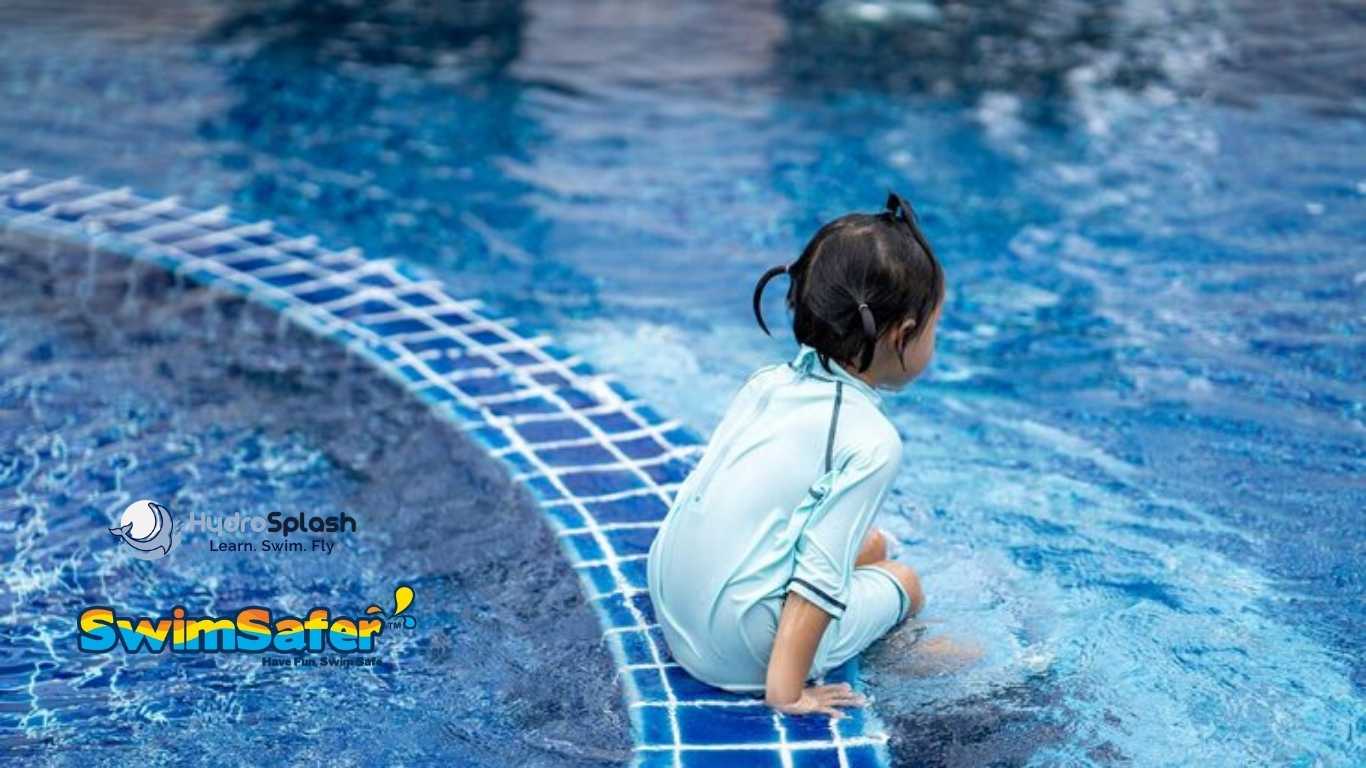
Two children of the same age can have completely different swimming experiences. One may already be comfortable putting their face underwater and moving independently, while another may still be nervous about entering the pool.
Tell the swimming coach what your child can currently do rather than relying solely on age.
Useful information can include whether your child has attended lessons before, whether they can float or kick independently, which strokes they know and how comfortable they are in deeper water.
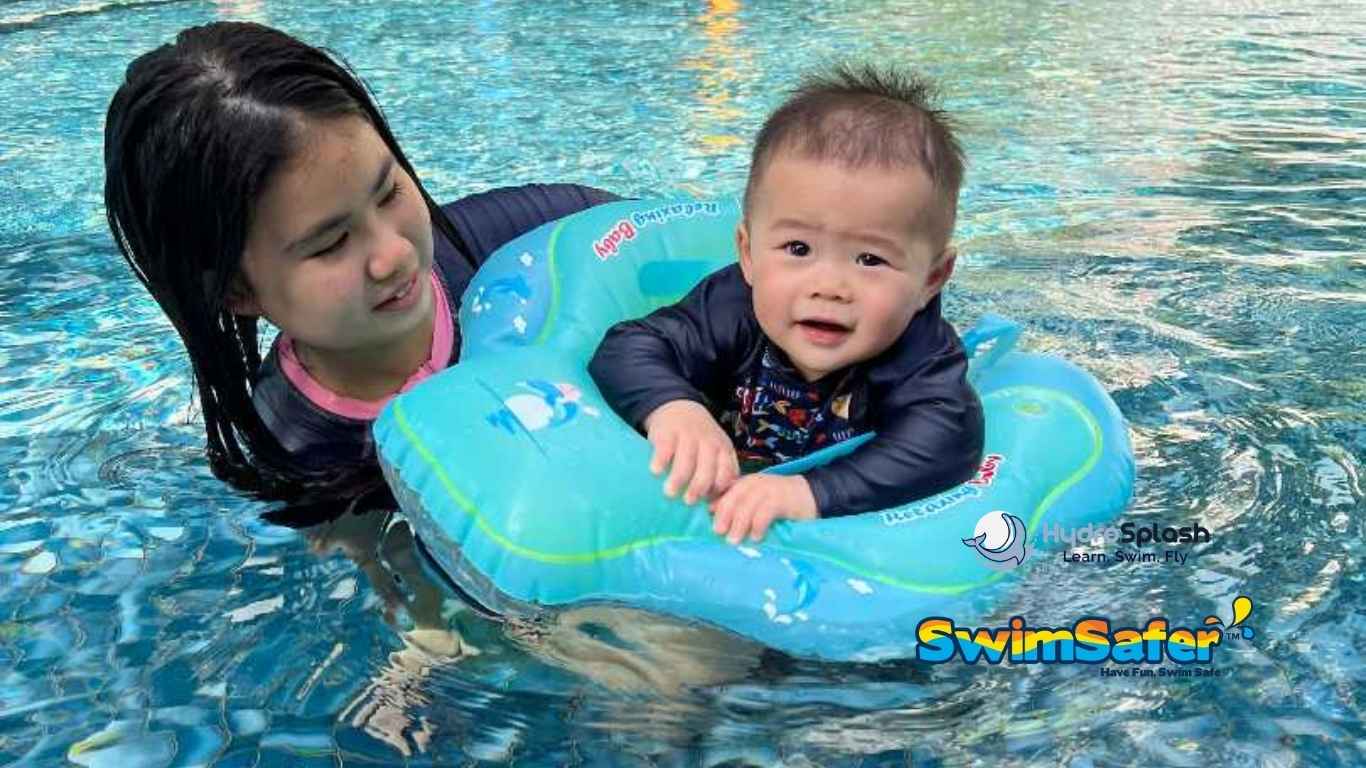
For much younger children, parents can separately explore our Infant Swimming Lessons to understand whether an age-specific programme would be more appropriate.
Look At How The Swimming Coach Works With Children
Technical swimming knowledge matters, but teaching children also requires the ability to communicate instructions in ways they can understand.
When comparing swimming lessons, parents can ask about the coach’s experience working with children around their child’s age and ability level.
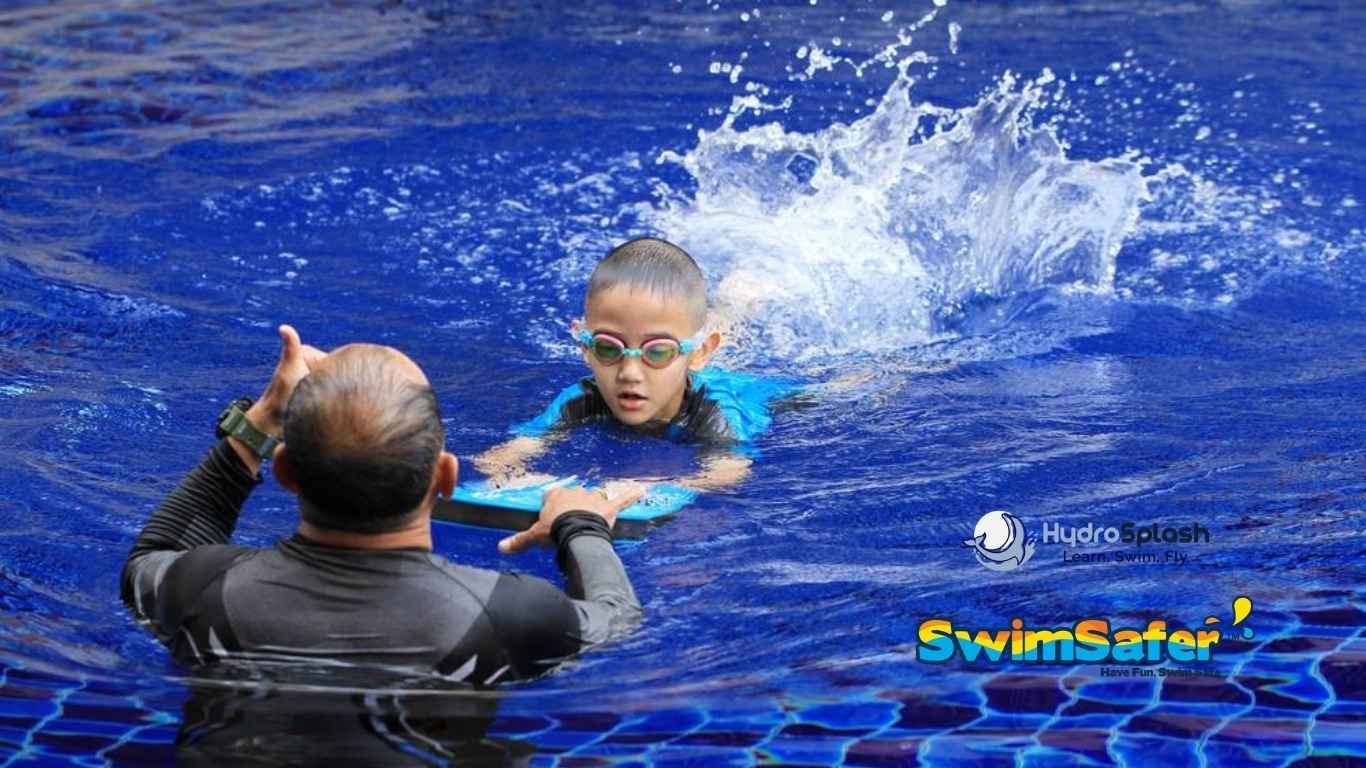
Observe how instructions are communicated and how the coach responds when a child struggles with a particular skill. Children may need demonstrations, repeated practice or an alternative explanation before a movement becomes familiar.
Parents specifically researching coaching options can also read more about choosing a Swimming Coach In Singapore.
If a swimming provider advertises particular coaching certifications or credentials, it is reasonable to ask which organisation issued them and whether they are relevant to the programme your child will attend.

Decide Between Private And Group Swimming Lessons
One important decision is whether your child would be better suited to private or group coaching.
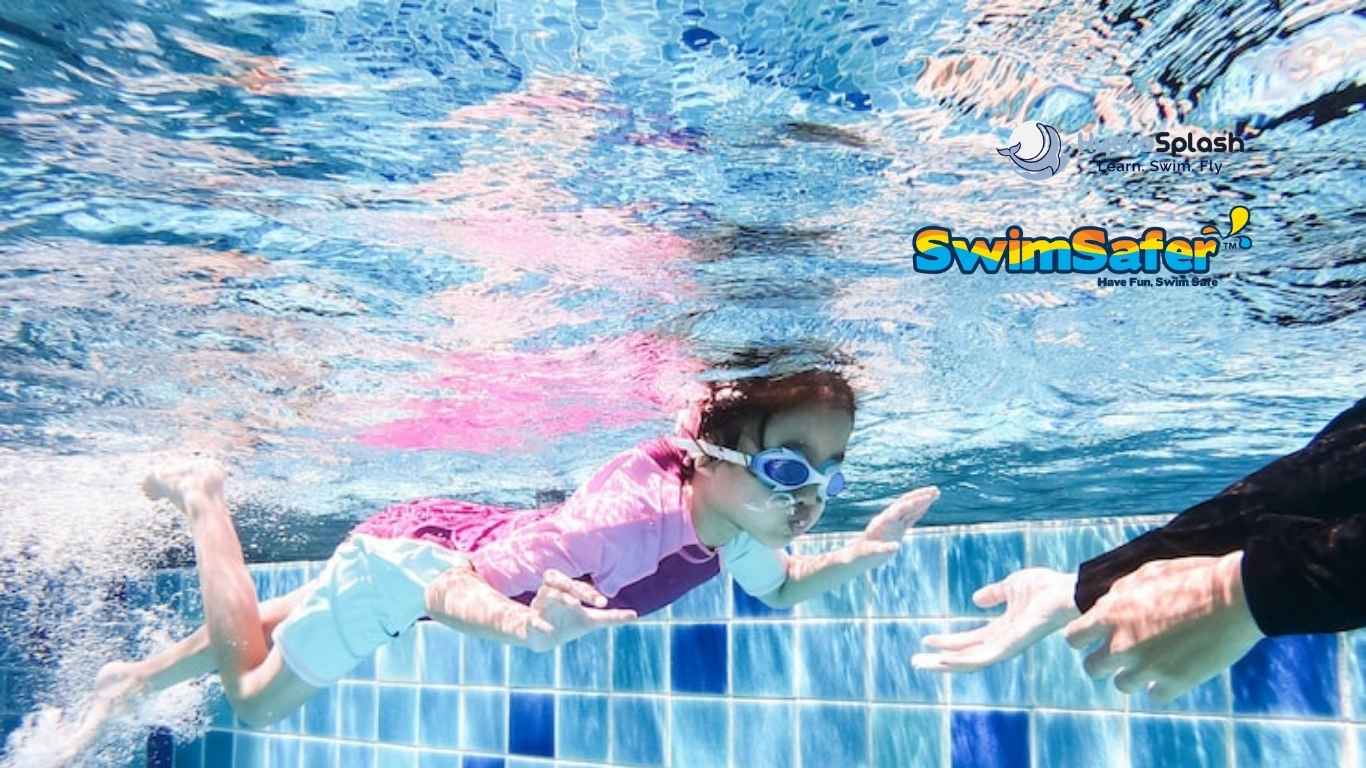
Private Swimming Lessons provide more individual attention because the coach can focus primarily on one swimmer’s confidence, technique and learning pace. This may suit children who need additional guidance or respond better to individual instruction.
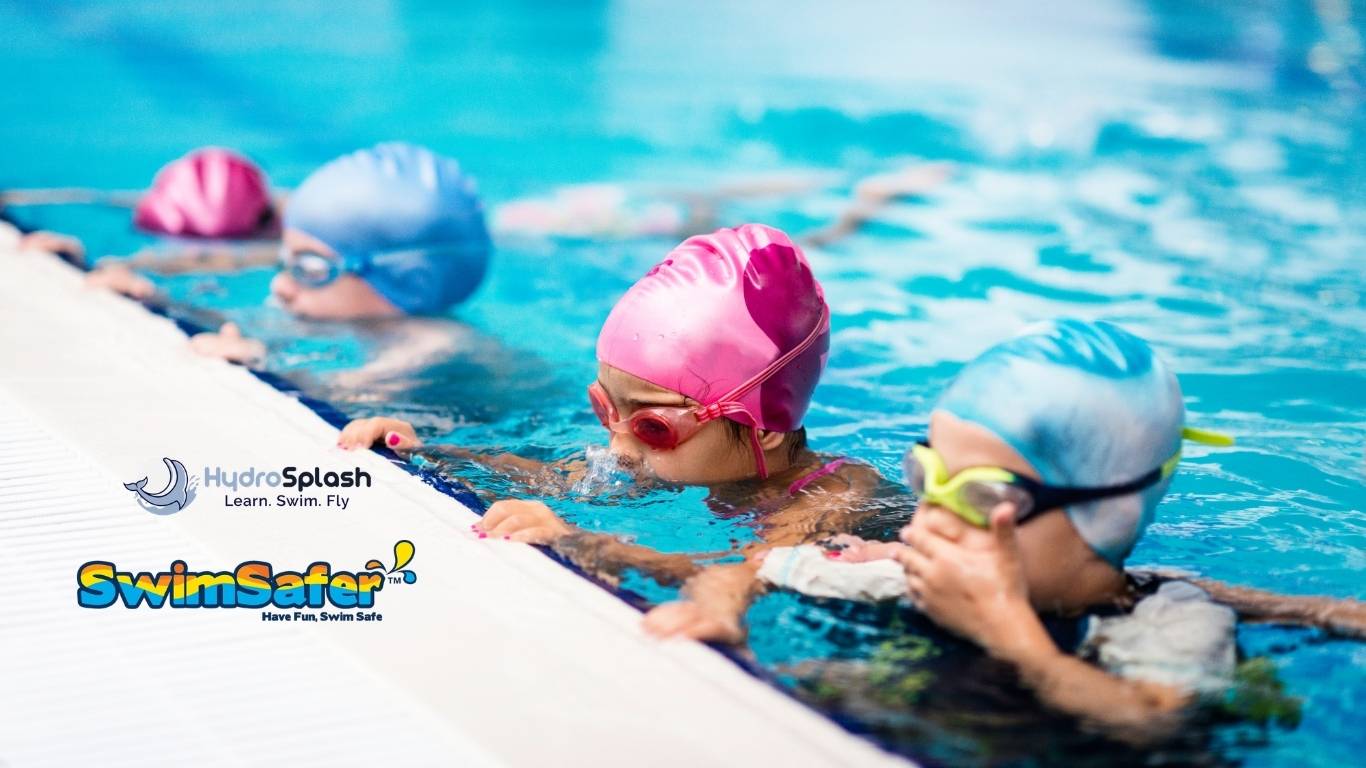
Group Swimming Lessons allow children to learn alongside other swimmers. Some children enjoy the social environment and feel motivated practising with peers.
Neither format is automatically better. Consider your child’s personality, confidence, ability and how much individual feedback they are likely to need.
Consider Your Child's Water Confidence
Swimming ability and water confidence are related, but they are not exactly the same.
A child may understand what a coach is asking them to do but still feel uncomfortable putting their face underwater, floating without support or moving into deeper water.
In these situations, confidence may need attention before more complicated stroke development becomes the priority.
Parents should tell the coach about previous negative experiences or significant nervousness around water. This gives the coach more context when planning the child’s lessons.
Our Fear Of Swimming guide provides additional information for swimmers who are particularly uncomfortable or anxious around water.
Choose A Lesson Location That Works For Your Family

Location matters because swimming lessons usually require an ongoing time commitment.
A programme may look suitable on paper but become difficult to maintain if travelling to and from the pool creates problems every week.
Parents should consider travel time, pool accessibility and how swimming fits around school and other family commitments.
Depending on the available arrangements, families may explore Private Condo Swimming Lessons or Public Pool Swimming Classes.
Convenience should not be the only selection criterion, but a practical location can make it easier to maintain a consistent lesson schedule.
Think About Lesson Frequency And Scheduling
Parents should also consider how swimming lessons will fit into the child’s regular routine.
Our Weekly Swimming Lessons follow an ongoing regular schedule and may suit families who want swimming to become part of the child’s weekly activities.
Intensive Swimming Lessons involve more frequent sessions over a concentrated period.
During school breaks, families may instead consider a Swimming Holiday Program when they have greater scheduling flexibility.
The right frequency depends on your child’s needs, other commitments and available lesson arrangements.

Ask What Your Child Will Actually Learn
Parents should understand the programme’s learning focus rather than choosing lessons based only on broad marketing claims.
For beginners, swimming lessons may initially include water confidence, breathing, floating, kicking and basic coordination.
As children develop, lessons can introduce or refine swimming strokes such as freestyle, breaststroke, backstroke and butterfly according to their ability.
Ask what the coach intends to work on and how the programme changes as your child’s skills develop.
Avoid assuming that a programme promising faster results is automatically better. Children learn swimming skills at different rates, and the appropriate progression depends on confidence, coordination, practice and individual development.

Understand The Difference Between Swimming Lessons And SwimSafer
Parents in Singapore may also encounter SwimSafer when researching children’s swimming programmes.
General kids swimming lessons and SwimSafer are related to swimming development but should not automatically be treated as the same programme.
SwimSafer 2.0 is Singapore’s national water-safety programme and follows a structured six-stage framework covering swimming proficiency and water-survival skills. Parents specifically looking for SwimSafer should understand its programme requirements separately from general children’s swimming coaching.
You can refer to ActiveSG Circle’s official SwimSafer information and HydroSplash’s dedicated SwimSafer information for more details.
For broader information about sport and active living in Singapore, parents can also refer to Sport Singapore.
Should You Choose Swimming Lessons Based On Price?

Price is naturally part of the decision, but it should be considered together with the overall lesson arrangement.
A lower-priced programme may not represent better value if the format, location or coaching approach does not suit your child. Likewise, a more expensive programme should not automatically be assumed to provide better instruction.
Consider what the fee includes, whether lessons are private or group-based, lesson duration, scheduling arrangements and any applicable booking or cancellation terms.
Most importantly, determine whether the programme is appropriate for your child’s current needs.
Comparing like-for-like lesson formats will usually give parents a more useful picture than comparing prices alone.
Questions To Ask Before Choosing Swimming Lessons
Before enrolling your child, it can help to ask the swimming provider about your child’s likely lesson format, suitable starting level, coaching arrangement, location and scheduling.
You may also want to clarify how progress is reviewed, what happens if your child is nervous around water and whether the programme can adapt as their ability develops.
If certifications or specialist qualifications are advertised, ask for the specific credential rather than relying on broad descriptions such as “certified coach”.
These questions help parents understand what they are actually enrolling their child in and whether the programme aligns with their expectations.
Finding The Right Swimming Lessons For Your Child

There is no single swimming programme that will be the best choice for every child.
The right option depends on your child’s age, swimming experience, water confidence, learning preferences, schedule and goals. Parents should compare these factors rather than selecting lessons based on one feature alone.
At HydroSplash Swimming Academy, we can discuss your child’s current ability, preferred location and lesson requirements before helping you identify a suitable option.
For details about our dedicated children’s programme, explore our Kids Swimming Lessons In Singapore.
Frequently Asked Questions

What Should I Look For In Kids Swimming Lessons?
Consider your child’s age, swimming ability, water confidence and learning preferences. Parents should also evaluate the coach’s experience with children, lesson format, location, scheduling and whether the programme can adapt as the child’s swimming skills develop.
Are Private Or Group Swimming Lessons Better For Children?
Neither format is universally better. Private lessons provide greater individual attention, while group lessons allow children to learn alongside other swimmers. The appropriate choice depends on your child’s confidence, personality, ability and need for individual coaching.
How Often Should My Child Attend Swimming Lessons?
There is no single schedule suitable for every child. Weekly lessons provide an ongoing routine, while other arrangements may involve more frequent or holiday-period sessions. Consider your child’s ability, schedule, other activities and available lesson arrangements.
Are Kids Swimming Lessons The Same As SwimSafer?
No. General kids swimming lessons can cover water confidence, swimming foundations and stroke development, while SwimSafer is Singapore’s structured national water-safety programme. Parents specifically seeking SwimSafer should check that the programme follows the appropriate SwimSafer framework.
Looking for structured guidance as you learn to swim? Speak with our team about a swimming lesson arrangement suited to your current ability and goals.
Home
About HydroSplash Swimming
Adult Swimming Lesson
Private Swimming Lesson
Kids Swimming Lesson
Seniors Swimming Lesson
Advance Swimming Lessons
Whatsapp Us
Previous
Next