Should Beginners Practise Swimming Between Lessons?

Should Beginners Practise Swimming Between Lessons?
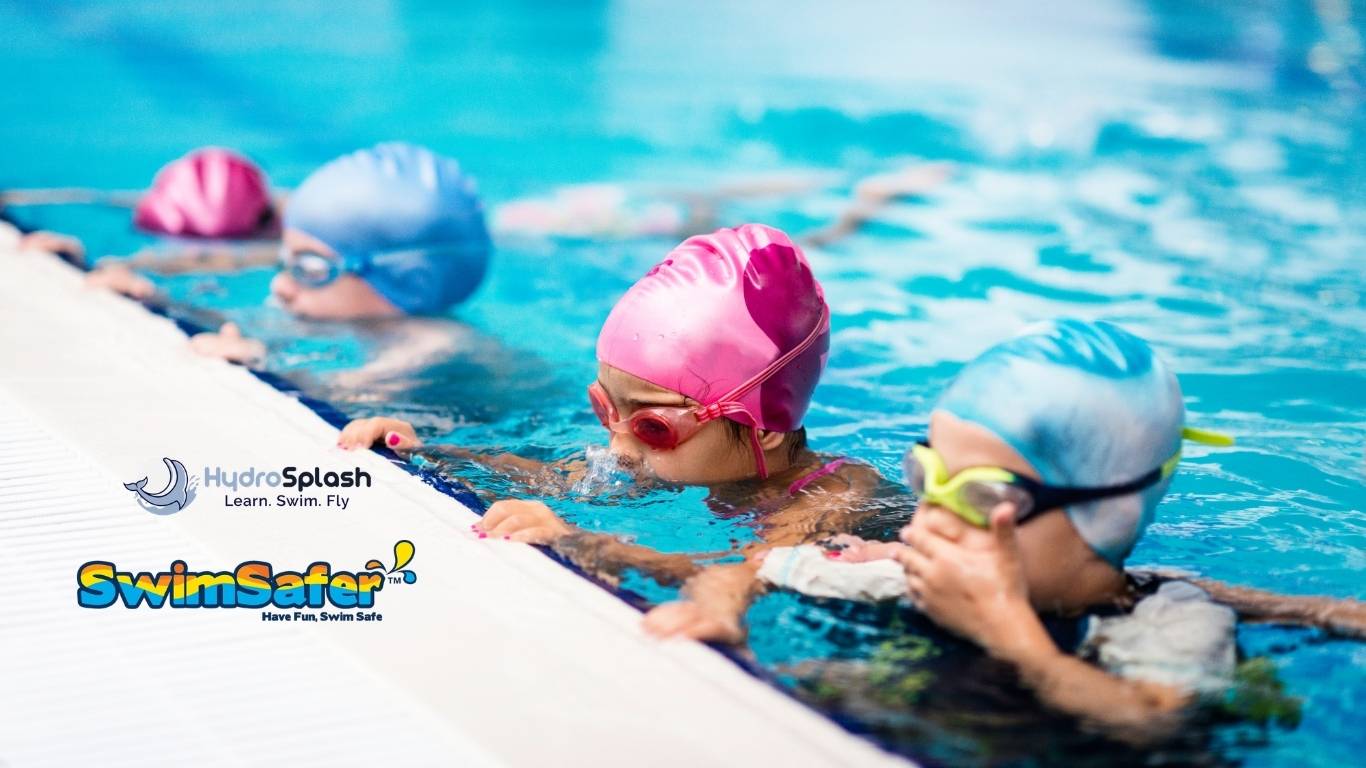
When you are learning to swim, it is natural to wonder whether attending lessons is enough or whether you should also get into the pool between sessions.
At HydroSplash Swimming Academy, we encourage beginners to think about practice carefully. More time in the water can help reinforce familiarity and movements introduced during lessons, but practising without understanding what you are doing can also reinforce habits that later need correcting.
The goal is not simply to spend as much time in the pool as possible. It is to use additional practice in a way that supports what you are learning with your swimming coach.
Quick Answer: Should You Practise Swimming Between Lessons?
Yes, beginners can benefit from practising swimming between lessons when they are comfortable doing so and focus on skills they already understand. Extra pool time can reinforce water confidence, breathing, floating and simple movements. However, beginners should avoid attempting unfamiliar or advanced exercises without appropriate guidance, particularly if they are not yet confident in the water.
Why Practice Between Swimming Lessons Can Help
Swimming involves movements that often feel unfamiliar when you first begin.
Breathing into the water, floating horizontally and coordinating your arms and legs are very different from movements most people use on land. Repeating familiar exercises can make these actions feel less unusual over time.
For example, a beginner who has already learned how to exhale into the water during a lesson may benefit from calmly repeating that exercise during another pool visit.
Likewise, spending time becoming comfortable floating or maintaining a streamlined body position can reinforce skills already introduced by the coach.
This does not mean every additional pool session has to become a full training workout. For beginners, a short period of purposeful practice can be more useful than repeatedly swimming until tired.
What Should Beginners Practise Between Lessons?
The best practice activities are usually the skills your coach has already introduced and explained.
A complete beginner might focus on becoming comfortable entering the water, controlled breathing, floating or basic kicking.
Someone who has progressed further may practise coordination or a short section of a swimming stroke that was covered during the previous lesson.
The important point is familiarity.
If you are unsure how an exercise should be performed, ask your coach before practising it independently. It is easier to reinforce a movement you understand than to correct an incorrect technique after repeating it many times.
Our swimming coach in Singapore page explains more about how coaching can help swimmers identify and improve specific technical areas.
Should Complete Beginners Practise Alone?
A beginner should consider both swimming ability and water confidence before deciding how independently to practise.
Someone who is still nervous around water, unable to regain a stable position or uncomfortable without direct guidance should not treat independent practice as a requirement.
You do not need to prove progress by attempting deeper water or unfamiliar exercises between lessons.
Instead, practise only in an environment appropriate to your ability and follow the rules of the swimming facility.
Beginners should also recognise that swimming lessons do not replace normal water-safety precautions or appropriate supervision.
For adults starting completely from scratch, our adult swimming lessons in Singapore can begin from fundamental water familiarisation rather than assuming previous experience.
Can Practising The Wrong Technique Slow Your Progress?
Potentially.
Repetition is useful when you are repeating a movement correctly, but simply repeating a movement does not guarantee that the technique is improving.
A beginner may unknowingly lift the head too far while breathing, kick inefficiently or tense the body while trying to float.
If that movement is repeated many times, it may become familiar even though it is not the technique the coach wants to develop.
This is why we recommend using practice sessions to reinforce clearly understood skills rather than trying to teach yourself several new movements at once.
During your next lesson, tell your coach what you practised. The coach can observe whether the movement is developing as intended and make adjustments where necessary.

How Long Should A Beginner Practise Between Lessons?
There is no universal practice duration that every beginner must follow.
A nervous beginner practising breathing and floating may have very different needs from someone who can already swim several lengths of the pool.
Quality matters more than accumulating minutes.
Once technique begins to deteriorate because of tiredness, repeatedly practising the same movement may become less useful.
Beginners can instead focus on a small number of skills and stop when the practice has achieved its purpose.
Your coach can also recommend what to work on between sessions based on your current stage rather than following a generic schedule.
Is It Better To Practise At A Condo Or Public Pool?
Either can work if the pool is suitable for the skill being practised.
A residential pool may be convenient because you can practise close to home. Beginners working on breathing, floating and basic movement may not require a long competition-style pool.
Our private condo swimming lessons in Singapore explain how residential pools can be used for structured coaching.
A public swimming facility may provide more uninterrupted space for learners who are beginning to practise complete strokes or longer swimming distances.
Learners without residential pool access can explore our public pool swimming classes.
The best practice location depends on the exercise rather than simply the size of the facility.
Do Private Lessons Make Between-Lesson Practice Easier?
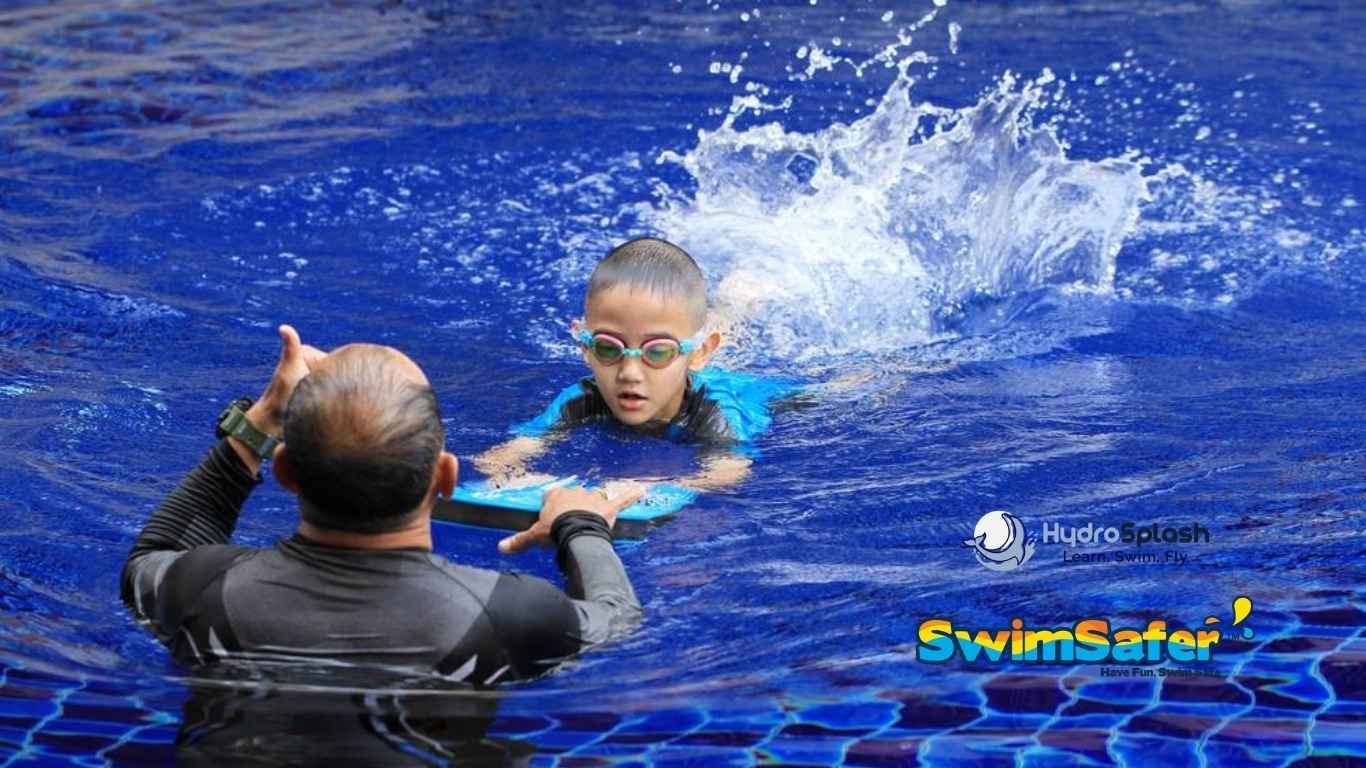
Private coaching can make it easier to identify exactly what an individual swimmer should practise.
In a one-to-one lesson, the coach can observe specific problems and suggest exercises suited to that learner.
This does not mean private swimming lessons automatically produce faster results. Progress still depends on confidence, understanding, consistency and many individual factors.
However, a personalised practice focus can be useful for beginners who are unsure which skills deserve the most attention.
Our private swimming lessons in Singapore provide one-to-one coaching for learners who prefer more individual guidance.
Group swimmers can also practise between lessons, but they should still focus on exercises they understand from their classes.
Should Children Practise Between Swimming Lessons?
Children can also reinforce swimming skills outside their formal lessons, but practice should remain appropriate to their age, ability and level of supervision.
Parents should not assume that attending swimming lessons means a child can safely practise independently.
For younger or less experienced swimmers, additional pool time may simply involve becoming more comfortable in the water and repeating simple skills introduced during coaching.
Parents can ask the swimming coach what is appropriate to practise rather than turning family pool time into an additional formal lesson.
Our kids swimming lessons focus on progression according to the child’s current learning stage.
How To Use Your Next Swimming Lesson More Effectively
Between-lesson practice becomes more useful when there is communication between the swimmer and coach.
At the end of a lesson, ask what one or two things would be useful to practise before the next session.
When you return, tell the coach what you found easy and what remained difficult.
This gives the coach useful feedback.
Perhaps your breathing felt comfortable when stationary but became difficult once you added arm movements. Maybe floating became easier, but you struggled to maintain body position while kicking.
These observations allow the next lesson to build directly on what happened during your independent practice.
Swimming progress becomes more structured when lessons and practice support each other rather than functioning as unrelated sessions.
Consistency Matters More Than Rushing
Beginners sometimes become eager to progress quickly once they start feeling more confident.
That enthusiasm is useful, but learning to swim is not a race.
Additional practice should reinforce good habits and water confidence rather than create pressure to reach a particular stroke, distance or milestone as quickly as possible.
Some swimmers progress quickly with certain movements and require more time with others.
At HydroSplash, we would rather see a learner understand a fundamental skill properly than rush towards a more advanced exercise simply because it appears to represent faster progress.
Practise what you understand, ask questions when something feels unclear and allow your swimming technique to develop progressively.
Conclusion: Make Practice Support Your Swimming Lessons
Beginners can practise swimming between lessons, but additional pool time works best when it reinforces skills that have already been introduced properly.
Focus on familiar movements, avoid attempting skills beyond your current confidence level and speak with your coach about what is worth practising.
Your swimming lessons provide instruction and feedback. Your practice gives you another opportunity to become familiar with those movements.
When the two work together, your time in the pool becomes more purposeful.
If you are looking for structured guidance, HydroSplash offers adult swimming lessons, private swimming lessons and other coaching options across Singapore.
Frequently Asked Questions

How Often Should Beginners Practise Between Swimming Lessons?
There is no fixed frequency suitable for every beginner. Additional practice should fit your ability, confidence and schedule. Focus on purposeful repetition of familiar skills rather than trying to accumulate as many swimming sessions as possible.
What Swimming Skills Can Beginners Practise On Their Own?
Beginners may practise familiar exercises such as controlled breathing, floating, kicking or simple coordination skills that their coach has already explained. Avoid attempting unfamiliar techniques independently if you are unsure how they should be performed.
Can Practising Swimming Without A Coach Create Bad Habits?
It can if an incorrect movement is repeatedly reinforced. Practising familiar skills is useful, but beginners should check uncertain techniques with their coach so mistakes can be identified before they become established habits.
Should Children Practise Swimming Between Lessons?
Children may reinforce suitable skills between lessons, but practice should match their age, ability and supervision needs. Parents can ask the child’s swimming coach which exercises are appropriate instead of assuming the child should practise independently.
Looking for structured guidance as you learn to swim? Speak with our team about a swimming lesson arrangement suited to your current ability and goals.
Home
About HydroSplash Swimming
Adult Swimming Lesson
Private Swimming Lesson
Kids Swimming Lesson
Seniors Swimming Lesson
Advance Swimming Lessons
Whatsapp Us